This is how a blue whale feeds her baby underwater.
Blue whale nursing is a fascinating feat of underwater engineering. Since calves can’t "latch" and suckle like land mammals (they’d swallow too much saltwater), the process is more like a high-pressure injection.
When the calf is ready, it nudges the area, and the mother uses her abdominal muscles to voluntarily squirt the milk into the calf's mouth.
The milk is incredibly rich—about 35% to 50% fat. This gives it a consistency similar to soft butter or toothpaste, which helps it stay in a cohesive clump underwater rather than dissolving.
The calf curls its tongue into a "U" shape to create a straw-like funnel, ensuring the nutrient-dense milk goes straight down its throat.
This high-speed feeding allows a calf to drink over 200 liters of milk a day, gaining about 90 kg (200lbs) every single 24 hours.
💓 HEART VALVES MADE EASY:
https://t.co/xl6pwRBrEf
A mnemonic guide visualizing anatomy just got easier.
🫀 A mnemonic guide to the heart valves using simple hand gestures. Perfect for students and clinicians.
#Cardiology#MedEd#HeartValves
Anatomical tour of the human body in cross-sectional format from 5100 coronal slices presented over 85 seconds.
📽️: Visible Human Project; Kentskooking
Hundreds of Alabama high school students filled the hospital halls, tearfully lining up to say their final goodbye to 18-year-old Kimber Mills — who was shot at a party over the weekend and is now heading into surgery to become an organ donor.
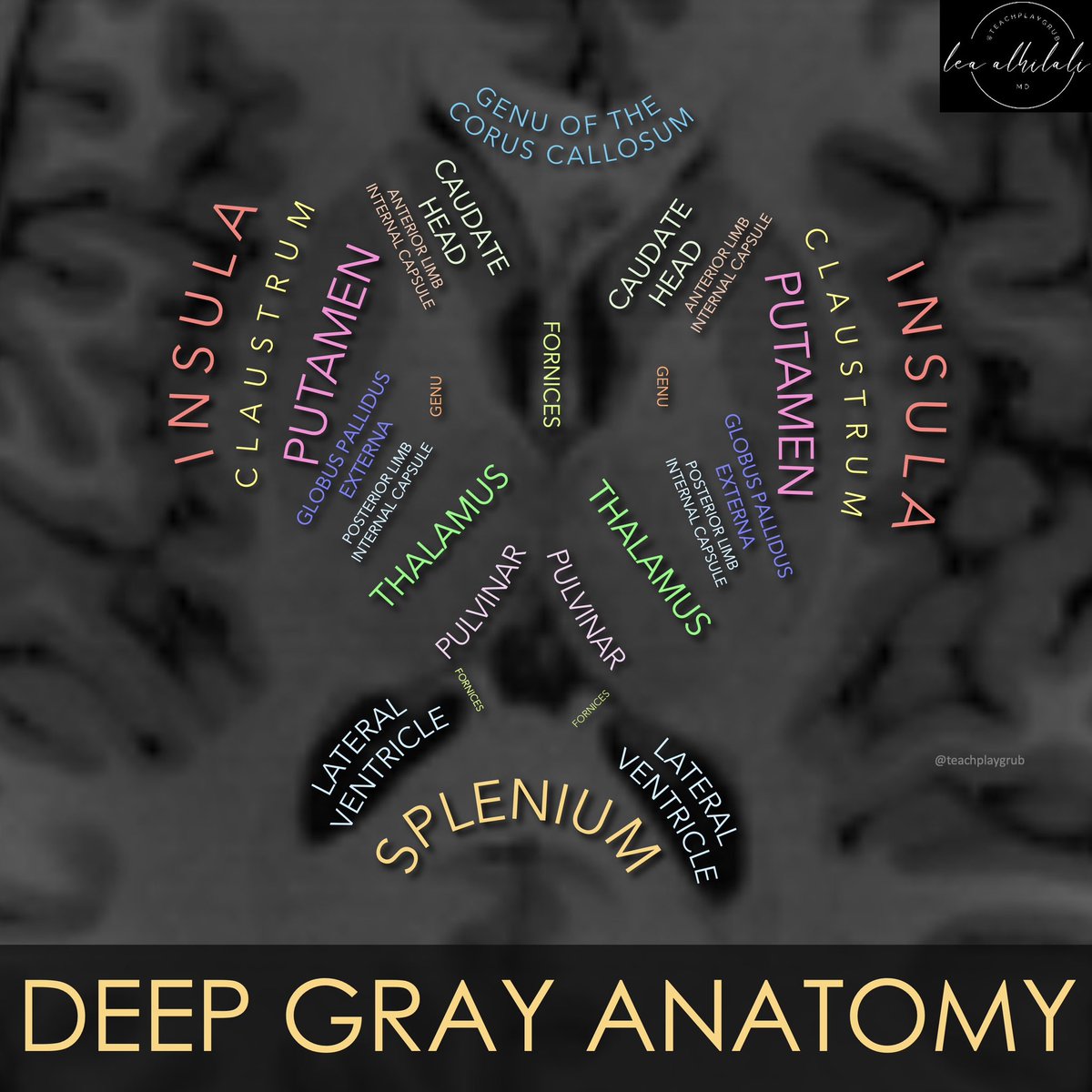
Want to dive deep into deep gray anatomy??
Here’s how to remember the basics:
Deep gray structures look like a sad face—remember they are feeling sad or gray!!
Caudates are the eyes: remember both Cornea and Caudate start with C
Putamina are the cheeks: Remember both Putamen and Puffed cheeks start with P
Internal capsule are the tears running down the cheeks: Remember, when you internalize criticism you cry!
Fornices are the bridge of the nose: Fornix literally means bridge in Latin!!
Thalami are the two nostrils or tip of the nose: Remember Thalamus and Tip both start with T
Splenium is the sad face mouth: Remember Splenium and Sad both start with S!
Now you will never be gray when asked about gray matter anatomy!!
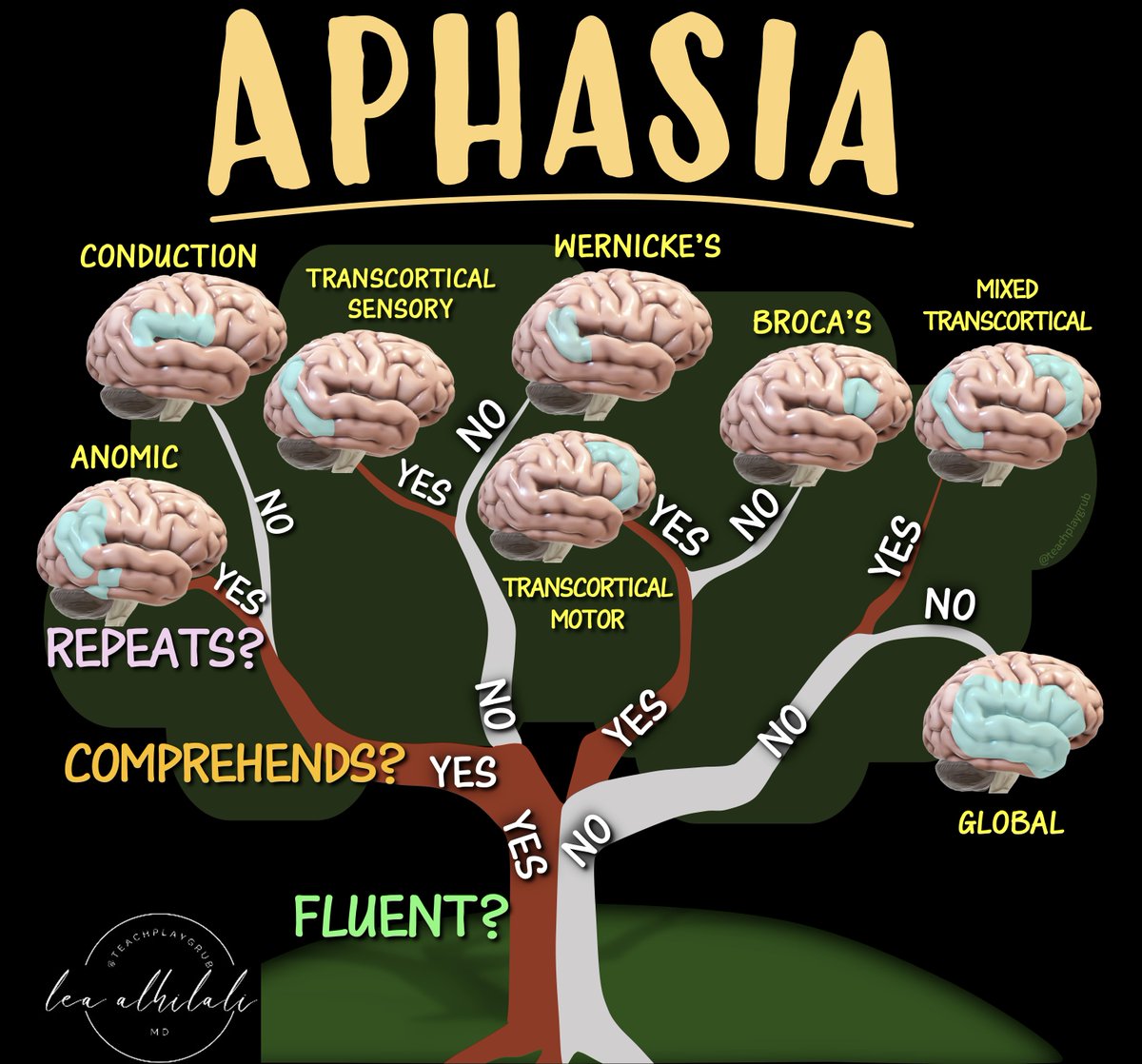
When you’re asked to localize the lesion in a patient with aphasia, do you suddenly feel speechless?
At a loss for words to categorize the type of aphasia?
Never fear—here is the decision tree for patients w/aphasia and the associated anatomic correlates
Three main questions:
1. Fluency? Nonfluency indicates damage to the FRONTAL language regions anterior to the fissure of Rolando
2. Comprehension? Impaired comprehension indicates damage to the TEMPOROPARIETAL language regions posterior to the fissure of Rolando
3. Repetition? Impaired repetition indicates damage within the core PERISYLVIAN language zone
The answers will lead you both to the type of aphasia and the location of the lesion.
Keep this figure with you for quick reference—and then when you’re asked about a patient with aphasia, you will have a lot to say!
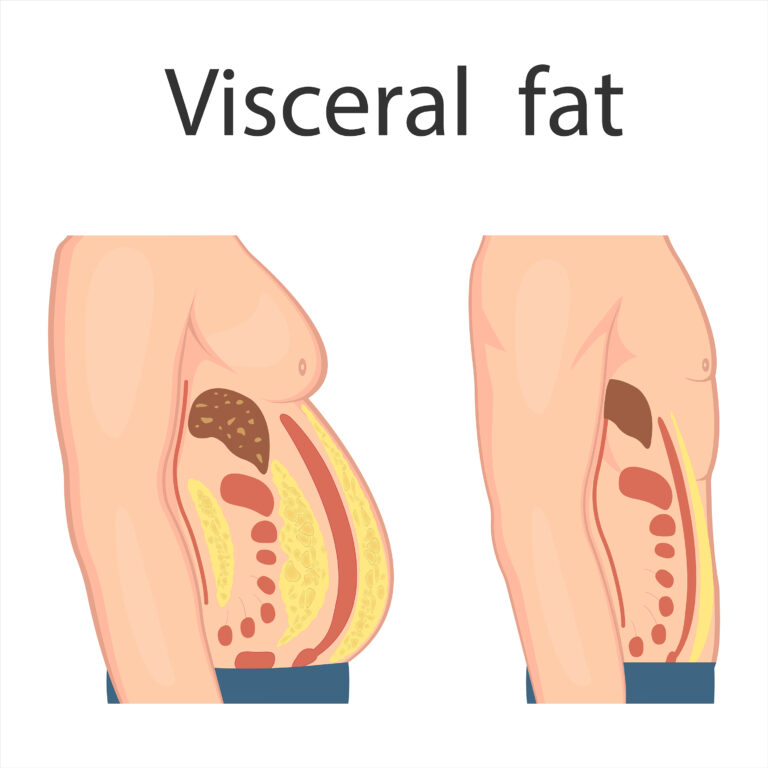
Visceral fat is the most dangerous fat in your body.
It wraps around your organs, slows your metabolism, and silently fuels disease.
Here are 9 science-backed habits to shrink it naturally: 🧵
1. Stop eating late
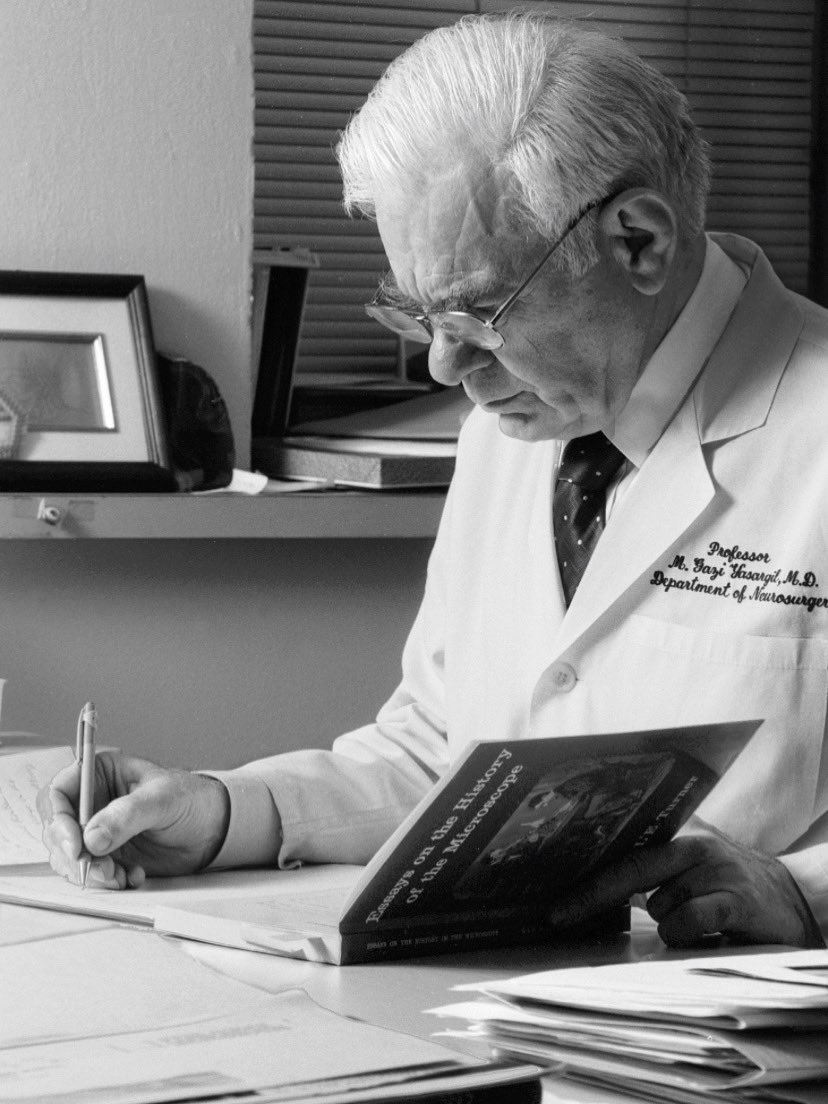
We are deeply saddened by Professor Yasargil’s passing. His legacy lives on and we are honored to have had the opportunity to work with and learn from him. Our deepest condolences to Dianne, his family, friends, and all who were touched by his life and work.
In Memoriam: Professor M. Gazi Yaşargil (1925-2025)
The world of neurosurgery mourns the passing of Professor Mahmut Gazi Yaşargil, who died today at the age of 99, just one month before what would have been his 100th birthday celebration.
Born on July 6, 1925, in Turkey, Professor Yaşargil’s journey from a young medical student to becoming “Man of the Century 1950-1999” represents one of medicine’s most remarkable careers. Hailed as the “Neurosurgeon of the Century (1950–2000)” by the journal Neurosurgery in 1999, his innovations revolutionised surgical approaches to conditions that were previously considered inoperable.
On behalf of the European Association of Neurosurgical Societies (EANS), we remember Professor M. Gazi Yaşargil not with sadness for what we have lost, but with gratitude for what he gave to the world.
We celebrate a life that fundamentally transformed neurosurgery and improved the lives of countless patients worldwide. His vision of precise, anatomically-informed microsurgery established principles that will guide neurosurgeons for generations to come. While his physical presence is no longer with us, his intellectual legacy lives on in every microsurgical procedure performed, every life saved through techniques he pioneered, and every neurosurgeon inspired by his example of excellence.
Rest in peace.
Read the full obituary here https://t.co/ZKwBpd7FLh
I am deeply saddened by the news of Prof. Gazi Yaşargil’s passing, and so close to his 100th birthday and the @yasargil100 Symposium to honor him. I am presenting in Zürich in a few weeks and was greatly looking forward to meeting Dr. Yaşargil, and giving him this portrait. Truly one of the most remarkable neurosurgeons of all time. #Yasargil #RestInPeace