Learning with wildlife. The Maryland Zoo's educators engage students, teachers and adults with living science to inspire animal conservation. #allforanimals
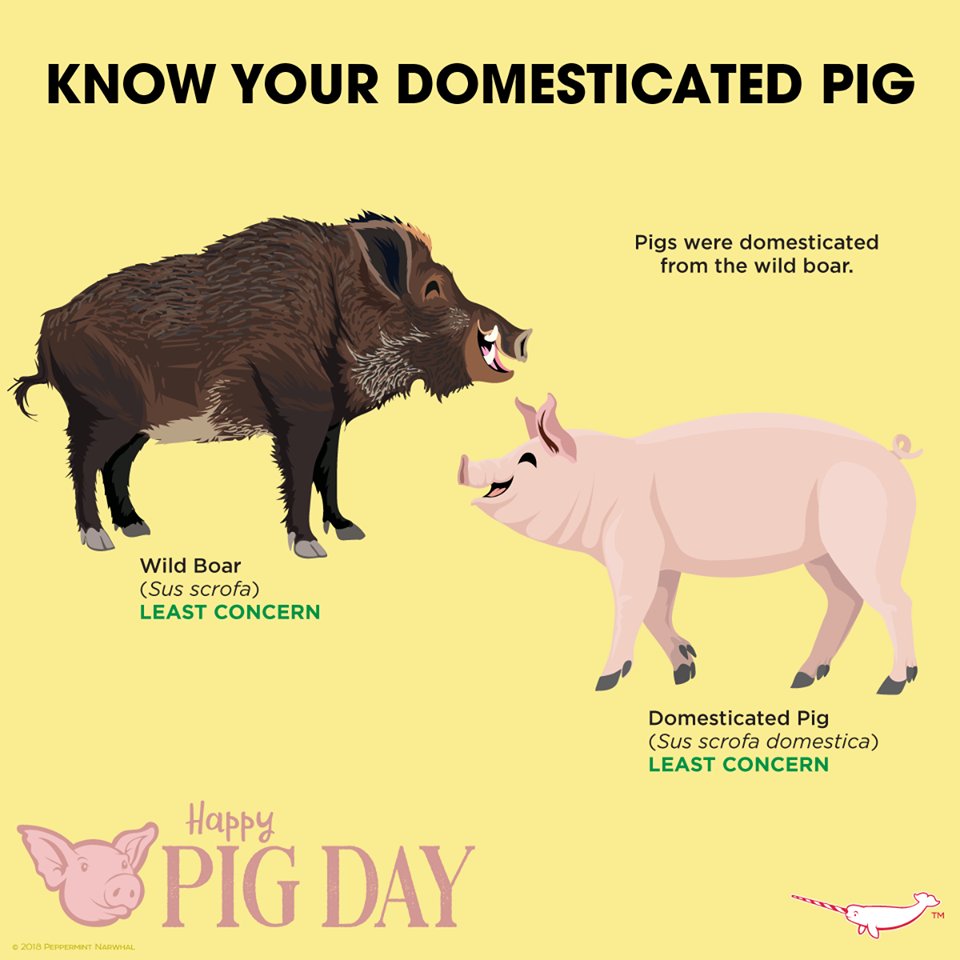
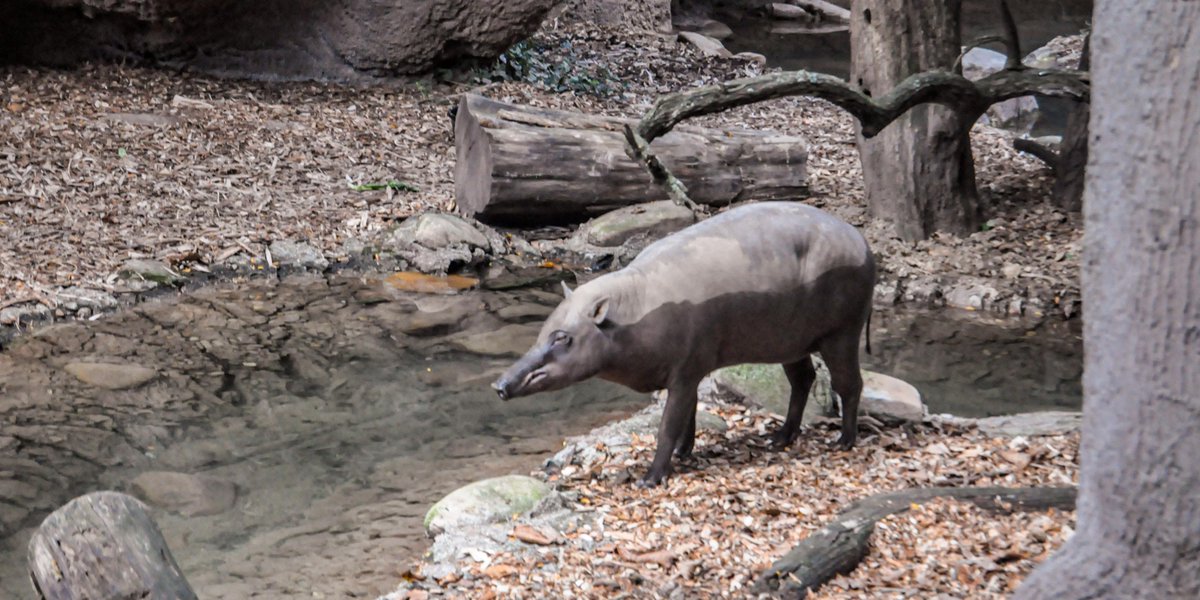
It's National Pig Day! Today, we're highlighting Babirusas! They are considered a very unusual wild pig due to their striking upper canine teeth. These teeth can grow up to 12 inches and can even erupt through their snout and curve back toward the face. https://t.co/OcLR4DYbvW
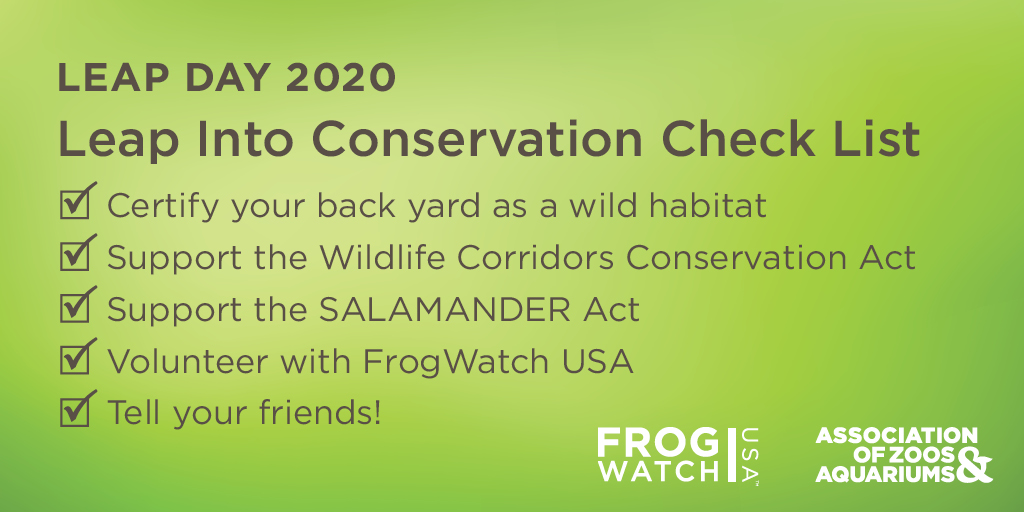
Leap into conservation with us! Take action for amphibians: contact your legislators, certify your backyard with @NWF, and become a FrogWatch USA volunteer. Frogs and toads are critical to our ecosystems and you can help these threatened species: https://t.co/Ez7MHmfMeq
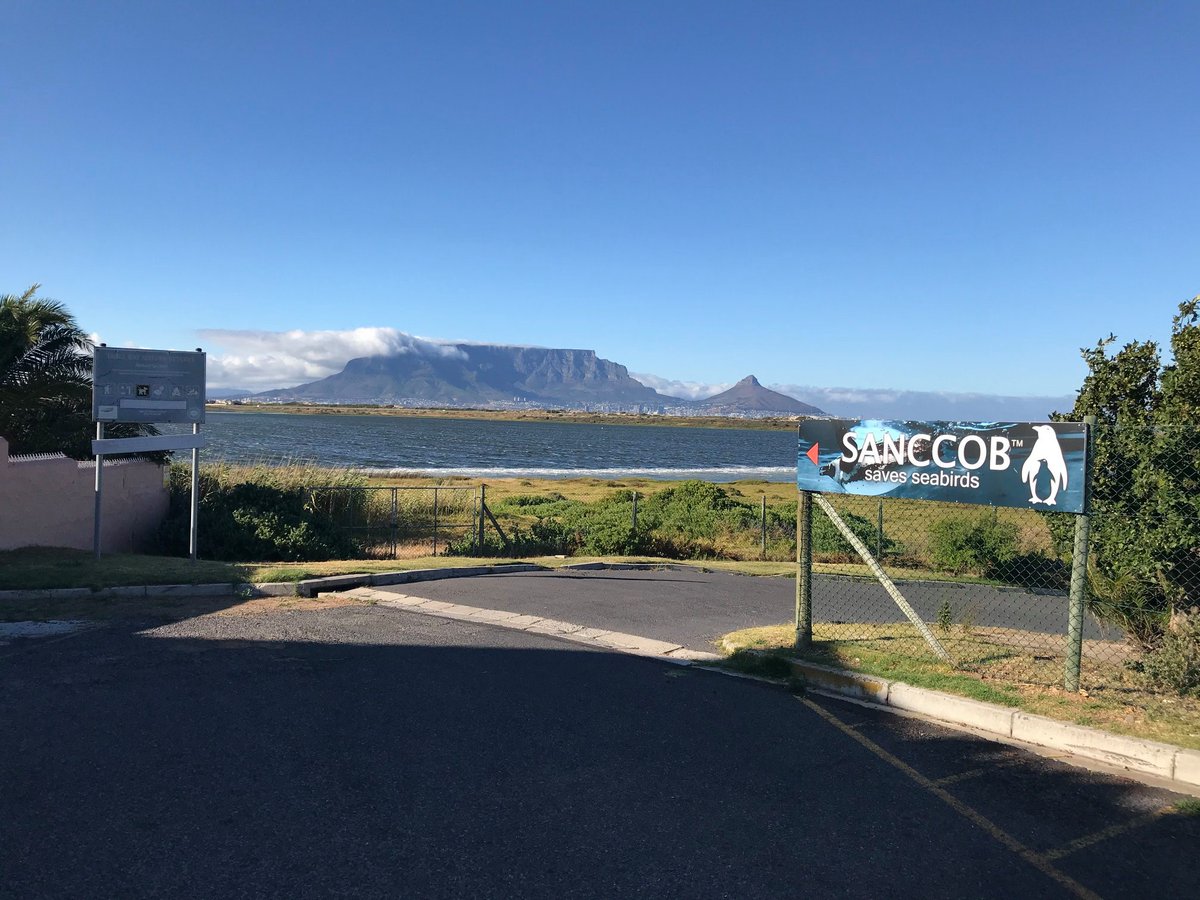
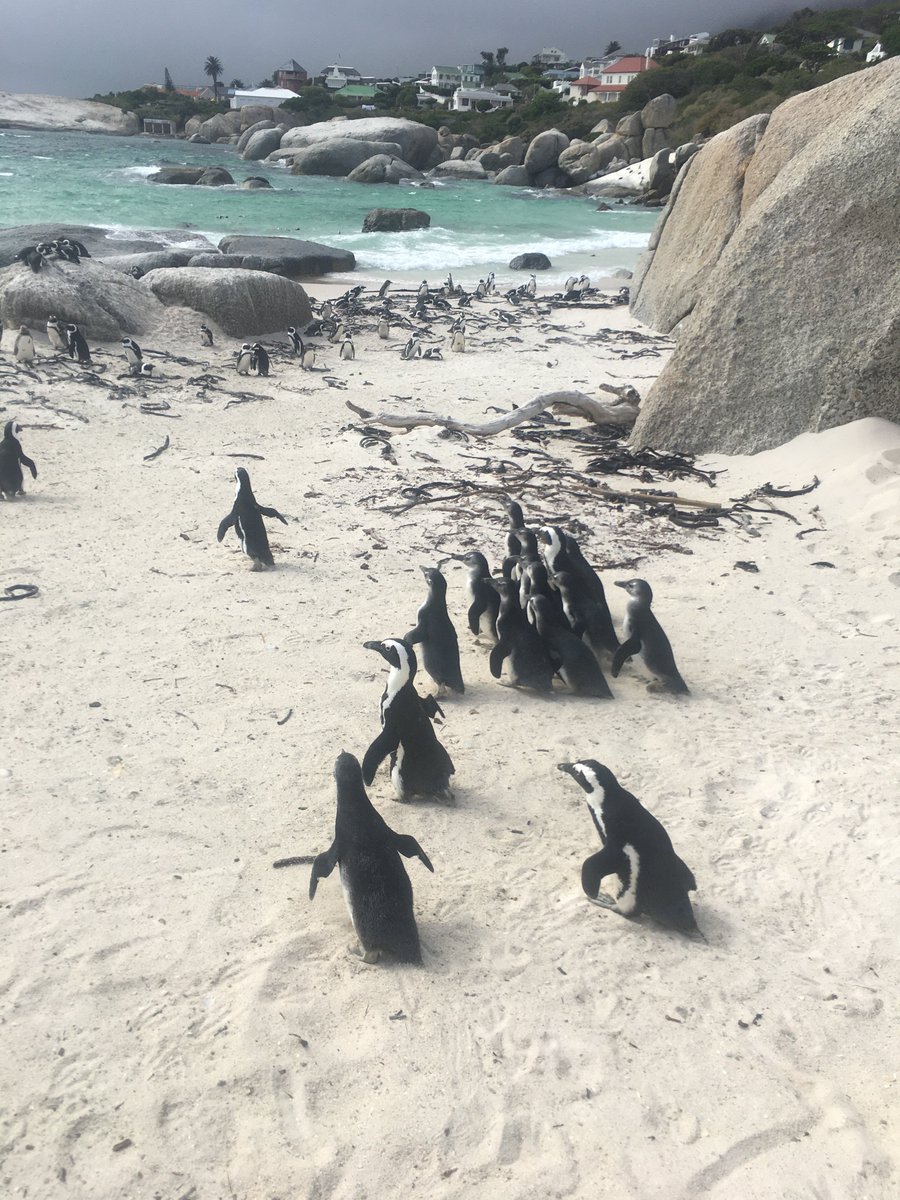
@SANCCOB IN THE FIELD (9): We also utilized our experience to lend a hand as Sanccob’s head veterinarian performed surgeries on injured penguins (leg injuries from seal bites are one of the most common traumas). -Jen and Kaitlin, Veterinary Technicians
@SANCCOB IN THE FIELD (8): Back at the Zoo's veterinary hospital, we regularly draw and examine the blood samples of the Penguin Coast colony, a skill which proved to be valuable at @SANCCOB because we can do it quickly and confidently.
@SANCCOB IN THE FIELD (7): There was no such thing as a typical day in the weeks we were at @SANCCOB. We did a variety of tasks and most days we were on our feet non-stop from 8 am to 5 pm assisting with the treatment, and care of injured and sick birds.
@SANCCOB IN THE FIELD (6): We were thankful to be able to help provide great medical care to these penguins with the goal of @SANCCOB releasing them back into the wild. - Jen and Kaitlin, Veterinary Technicians
@SANCCOB IN THE FIELD (5): Some of the birds we treated were emaciated, or were unable to molt their feathers due to malnourishment. We also saw birds with perforated esophaguses, which could be an injury they got from trying to eat things that typically wouldn't be on the penguin menu.
@SANCCOB IN THE FIELD (4): African Penguins are an #endangeredspecies and unfortunately, their population continues to decline. Lack of available food due to overfishing and climate change is one of the reasons penguins are struggling to survive.
@SANCCOB IN THE FIELD (3): Our partners at @SANCCOB requested vet techs for this trip because our specialized skills would be a great help at the time of year when they typically see the most instances of sea bird injuries. - Jen and Kaitlin, Veterinary Technicians
@SANCCOB IN THE FIELD (2): The Zoo sends staff to South Africa every year to help with penguin conservation projects in their native range. This year was different because it’s the first time Maryland Zoo vet techs have been sent to do international fieldwork.
IN THE FIELD: 👋Hi, we’re Jen and Kaitlin and we are registered veterinary technicians at the Zoo. In January, we traveled to South Africa to lend our skills to the Zoo’s long-time African penguin conservation partner, @SANCCOB. Follow along as we share about our trip today.
10 facts to countdown to International #PolarBearDay, Feb 27th!
.
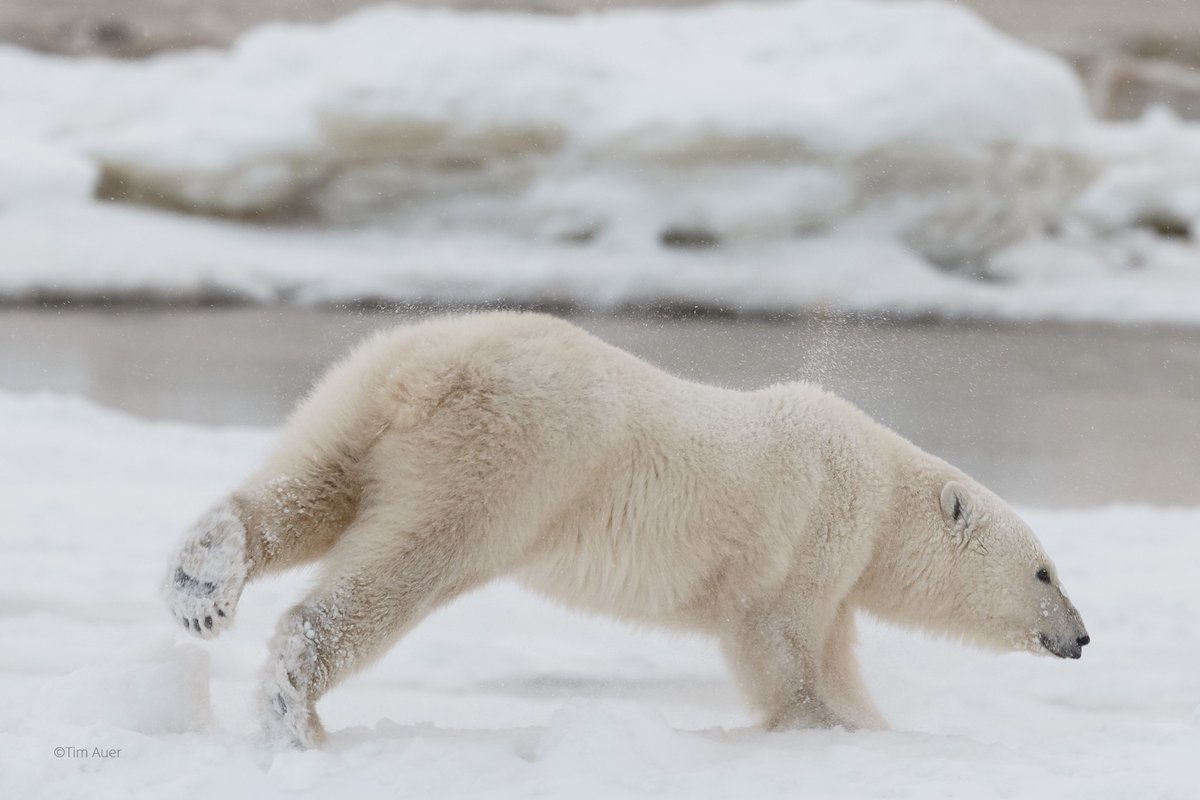
FACT 6: Polar bear paws have no-slip treads. Their paws are huge, fuzzy, and have black footpads covered by small, soft bumps known as papillae. Papillae grip the ice and keep the bear from slipping.
The last census of chinstrap penguins on Elephant Island identified 123,000 nests in 1971. A scientific survey this year found less than half that number https://t.co/OFff96i1Pp
Meet Smudge, a specially trained koala detection dog. She's part of the @sdzglobal search and rescue team, locating survivors in the aftermath of the Australian bushfires.