Happy Sunday! 📚
Whether you’re relaxing with a coffee or enjoying a quiet afternoon, it’s the perfect time to explore the fascinating world of language.
Discover Beyond Words: How We Learn, Use, and Lose Language.
https://t.co/pdRsLYr7ZE
I'm thrilled that my piece was one of The Conversation's top-performing articles in June! If you haven't had a chance to read it yet, I'd love for you to check it out. 😀
https://t.co/MkUPZR0uch
Um, Actually: The Hidden Purpose of Hesitation in Speech. The surprising function of filler words and pauses | Psychology Today https://t.co/2CaKA1PdQp @PsychToday
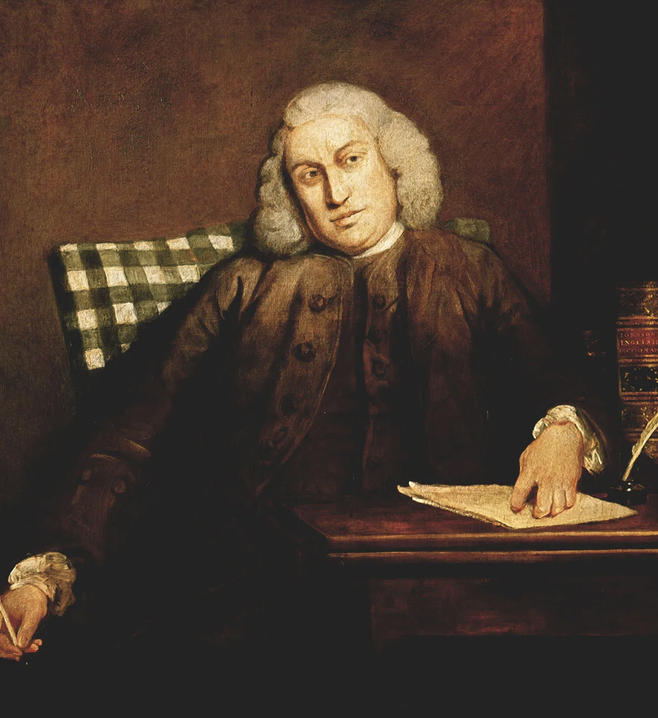
Did Dr Samuel Johnson, the great lexicographer, have Tourette syndrome? I explore the historical evidence, and a few persistent myths.
https://t.co/3m1RnswA3b
If you’re in Cambridge on 30 July, I’d love to see you at the Cambridge University Press Bookshop for a talk, Q&A, and signing of Beyond Words: How We Learn, Use, and Lose Language.
Details and tickets: https://t.co/JldDQCbgWj
When your ears deceive you, blame your brain.
Our auditory sensory perception, like our vision, is constructive—we hear what we expect to hear, especially when a sound is ambiguous, and the brain picks the most plausible option, writes @karenstollznow:
https://t.co/Jm9i22RPqS
Beyond Words isn't a textbook, it's a lively, accessible exploration of how we learn, use, and lose language. If you've ever wondered what makes human language so extraordinary, this book is for you. 📚
https://t.co/1ardoW4Gck
Have you ever wondered why our brains swap sounds between words? My latest article for The Conversation explores the science behind spoonerisms, and why they tell us so much about language and the mind. @ConversationEDU
https://t.co/KoDv03x6Zn
Beyond Words out in the wild! 📚
Thanks to Alan for sharing this great photo with his copy of Beyond Words: How We Learn, Use, and Lose Language.
Grab your copy: https://t.co/pdRsLYr7ZE
Ever discover that a lyric you’ve been singing for years was wrong all along? The brain doesn’t just hear what’s said—it uses context, experience, and expectation to predict meaning, which can sometimes lead to humorous mistakes, writes @karenstollznow https://t.co/FTVbX4oPDt