@ 𝗯𝗹𝗮𝗰𝗸 𝗯𝗼𝘅 we recognize the importance of 𝗶𝗻𝘁𝘂𝗶𝘁𝗶𝘃𝗲 𝗺𝗼𝗱𝗲𝗹𝘀 (IM) for managing 𝗰𝗼𝗺𝗽𝗹𝗲𝘅 𝘀𝘆𝘀𝘁𝗲𝗺𝘀.
we're interested in 𝗵𝗼𝘄 𝘁𝗵𝗲𝘆 𝗰𝗮𝗻 𝗵𝗲𝗹𝗽 𝘂𝘀 better understand & respond to the rapid change in today's world.
introducing 𝗜𝗠: 🧵
now that we have good money (#Bitcoin ) and uncensorable communication (#nostr) in cyberspace,
a protocol for mass self-organization via learning is upon us.
for the updated version replace <𝗯𝗼𝗼𝗸> with <𝘀𝗰𝗿𝗲𝗲𝗻>
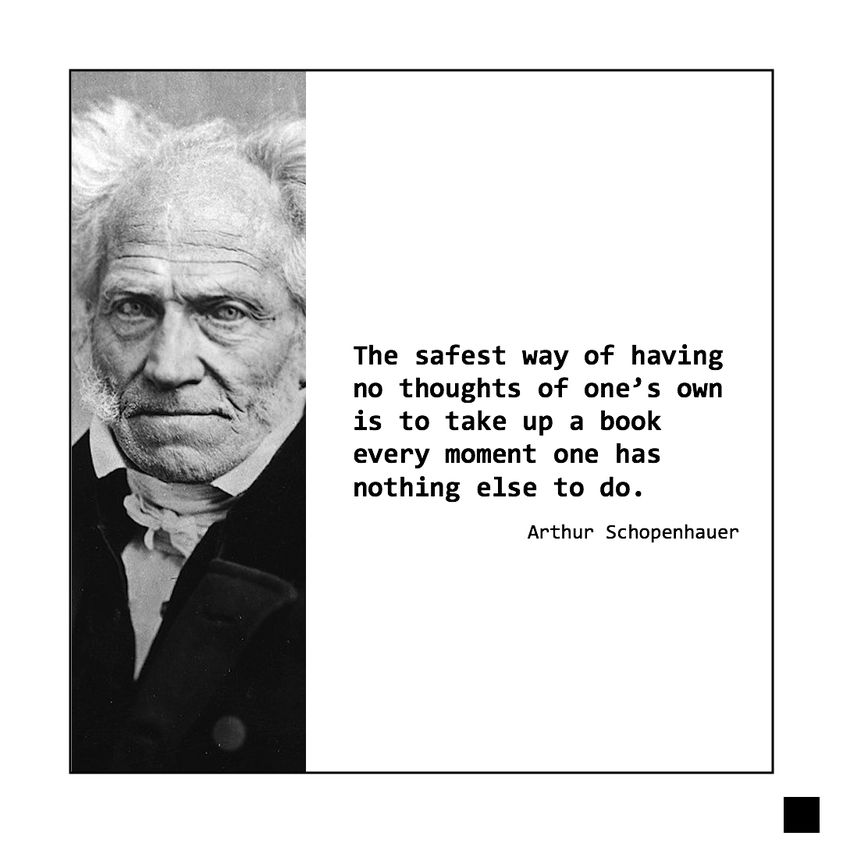
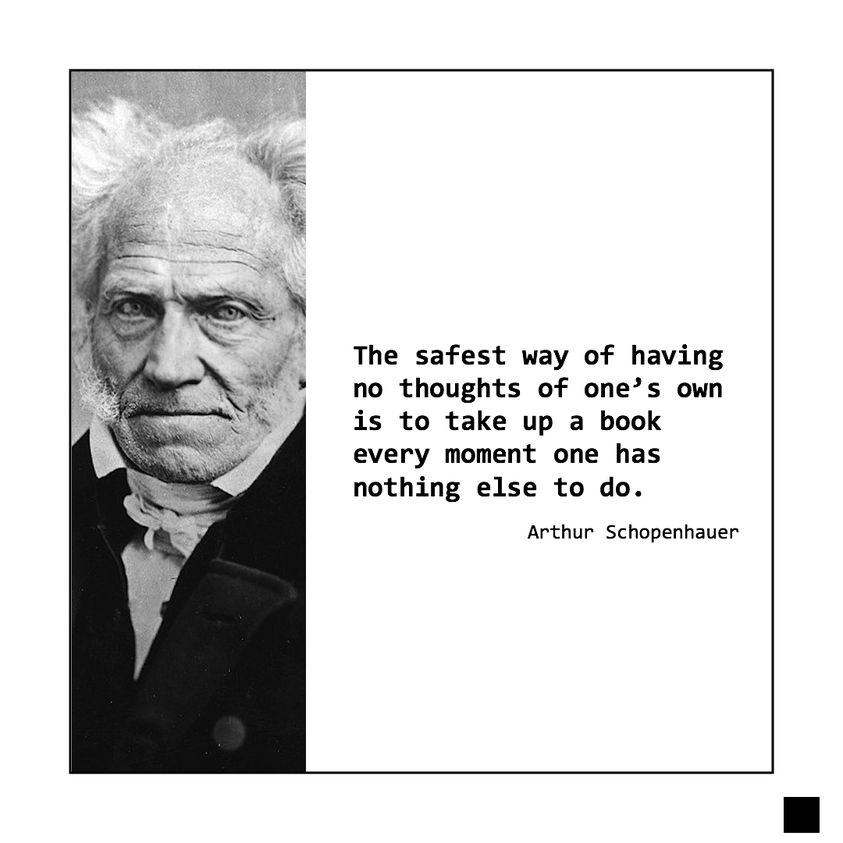
◾️expanded quote
"It is incredible what a different effect is produced upon the mind by thinking for oneself, as compared with reading. It carries on and intensifies that original difference in the nature of two...
appropriate to his nature and present temper. So it is, that much reading deprives the mind of all elasticity; it is like keeping a spring continually under pressure. The safest way of having no thoughts of one’s own is to take up a book every moment one has nothing else to do."
@AntonJaegermm it is becoming clear that Hayek asks praxeological questions updated with answers to questions Wiener's cybernetics was asking regarding human-animal-machine coordination, information, feedback, and control. https://t.co/g4JS9L68dz
...Words have frightening power.
All that we have to do is to pick them out of the dictionary and string them in the right order."
◾️Colin Cherry citing Dudley Bailey and Bess Sondel in 𝙊𝙣 𝙃𝙪𝙢𝙖𝙣 𝘾𝙤𝙢𝙢𝙪𝙣𝙞𝙘𝙖𝙩𝙞𝙤𝙣 (1957)
"The Oxford English Dictionary contains about half a million words; the seeds of all our great literature and poetry, of the expressions of our novelists, our historians, and our humorists; they may be used for trivial gossip, or for the fire of rhetoric to inflame a mob...
...Words can demoralize a man into torpor, or they can spring him into delight; they can raise him to the heights of spiritual and aesthetic experience...
...just as the man who always rides, at last forgets how to walk. **This is the case with many learned persons: they have read themselves stupid.**”
—Essays and Aphorisms : Schopenhauer, Arthur, Hollingdale, R. J.,
more from Arthur on the bad habit of (over)reading >
“When we read, another person thinks for us: we merely repeat his mental process...the greater part of the work of thought is already done for us."
"So it comes about that if anyone spends almost the whole day in reading, and by way of relaxation devotes the intervals to some thoughtless pastime, he gradually loses the capacity for thinking...