⚓️ ON THIS DAY: OCTOBER 7TH
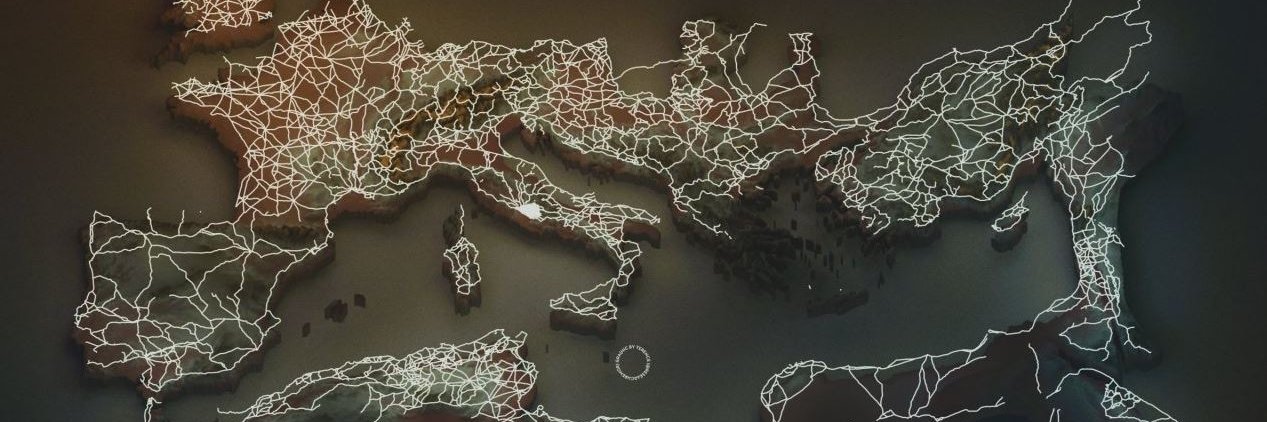
In 1571, the combined Christian fleet (The Holy League) decisively defeated the Ottoman Navy at the Battle of Lepanto.
This epic naval clash, which curbed Ottoman expansion in the Mediterranean.
#History#OnThisDay#NavalHistory#MedievalHistory
⚔️ OCTOBER IN MEDIEVAL TIMES ⚓️
Two massive events changed history:
1066: The Battle of Hastings (Norman Conquest).
1347: The Black Death arrives in Europe.
Also, watch your back—it was All Hallows' Eve prep time! #MedievalHistory#BlackDeath #1066 #History
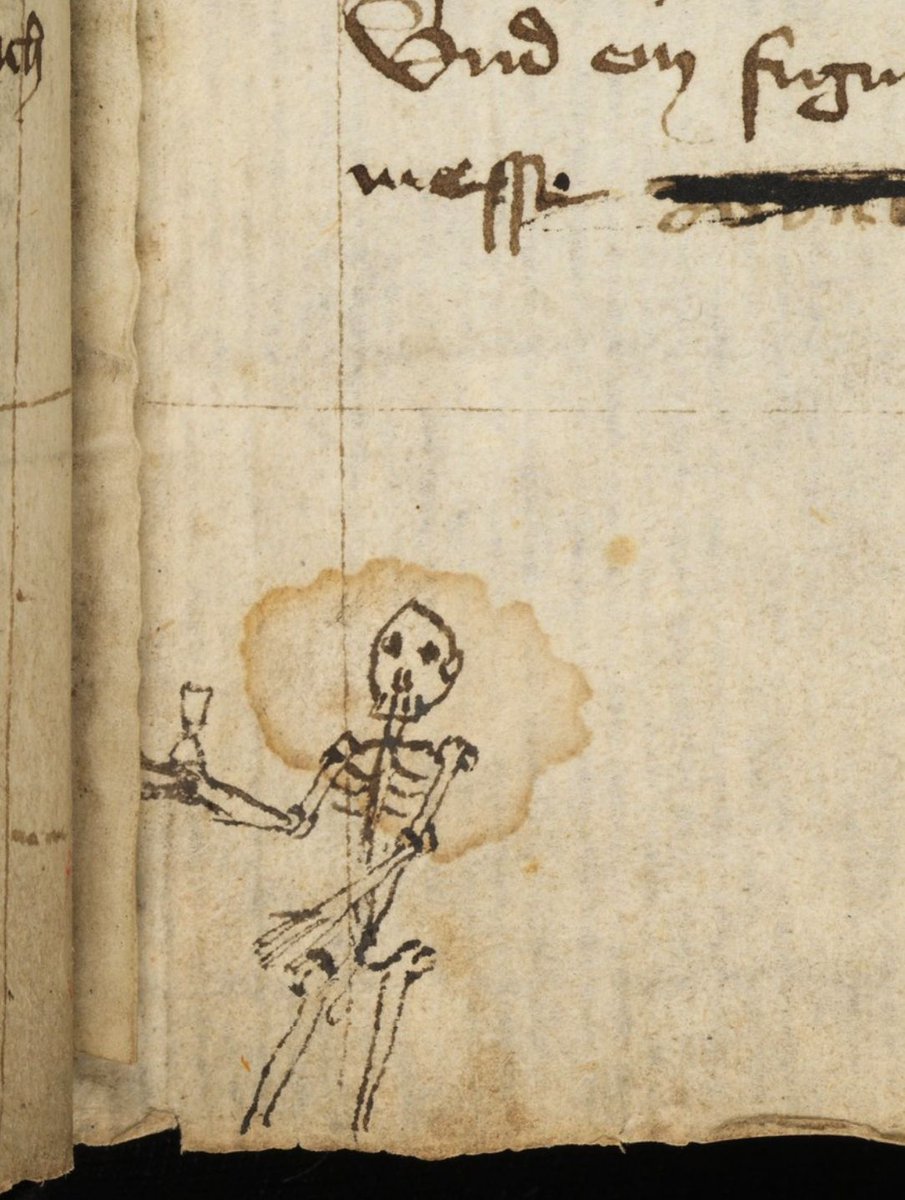
Memento mori marginal doodle of a skeleton holding an hourglass, at the foot of fol. 189r in Engelberg, Stiftsbibliothek, Cod. 339 (“The Nikolaus Schulmeister Passion Tract”). Date: 1396 AD. Place: Lucerne, German‑speaking Switzerland. Medium: ink drawing on paper within a devotional manuscript (21.5 × 15 cm). Collection: Stiftsbibliothek Engelberg (Abbey Library of Engelberg).
A 3,500 year-old Egyptian glass cosmetic jar with two little duck heads!
Glass was a relatively new material at that time, so this jar would have been a precious possession.
From Merit’s beauty case, found inside Theban tomb (TT8) of Merit and her husband Kha in 1906.
📷 Museo Egizio https://t.co/qpcTVKtFgC
#Archaeology
Gold Pectoral in the form of a Falcon with Spread Wings Inlaid with Lapis, Carnelian and Glass (1336-1326 BC); it belonged to the Treasures of Tutankhamun; this was found in Tutankhamun's (r. 1332-1323 BC) Mummy wrappings (looks slightly worn, likely a favorite of the king's in daily life), at the Tomb of the Tutankhamun (KV62), Valley of the Kings, Luxor - Egypt.
Pectoral jewel of Tutankhamun depicting Horus in the form of a falcon with outspread wings around the sun disk, holding shen rings, symbols of eternal protection in his claws. Pectoral is a symbol of protection and divine power, and it showcases exquisite craftsmanship and wealth of the New Kingdom period in ancient Egypt. Solar hawk with disc on the head, open wings, Ankh and Shen emblems in talons; inlaid after cloisonné fashion. One of the Ankh’s broken (probably during use). Still inspiring jewel-makers until today, Tutankhamun’s falcon-shaped breastplate is made of gold and semi-precious stones.
Pectoral jewelry held significant importance in New Kingdom of ancient Egypt. Pectorals were ornamental chest pieces worn by kings and high-ranking individuals as a symbol of their power and status. These pieces were typically made of precious materials such as gold, silver and gemstones. Pectorals often featured intricate designs and religious symbolism. They were adorned with images of deities, protective symbols and hieroglyphic inscriptions. Pectorals served both a decorative and religious purpose, as they were believed to provide protection and divine favor to the wearer.
Falcon’s wings are outstretched, carrying a solar disc on its head, and two shen-rings in each talon, topped with an ankh. Most likely, this piece represents Horus, the falcon-headed deity of power and kingship. In bright and shimmering polychromy, falcon, represented in full flight, spreads its wings. Curved upwards, they thus offer, in an elegant symmetry, perfect protection for the deceased.
The cloisonné technique – which here achieves a degree of excellence – enabled the 18th Dynasty goldsmith who made this incredible pectoral to combine an enchantment of semi-precious stones, perfectly rendering texture and composition of the plumage. Gold, lapis lazuli, turquoise, carnelian or even light blue glass realistically reproduce the location of the primary and secondary flight feathers and contour feathers and those of the tail. “It has partitions which are so tightly fitted with blue and red glass that it has been suggested that they represent the first example of true enamelling from Egypt”, analyzes Carol Andrews in “Ancient Egyptian Jewelry”.
During New Kingdom of ancient Egypt, goldsmiths played a significant role in the production of intricate and exquisite gold jewelry and other precious metal objects. They were highly skilled artisans who worked with gold, silver, and other precious materials to create a wide range of items, including elaborate jewelry, funerary masks, statues, and ceremonial objects. The goldsmiths of New Kingdom were highly esteemed for their craftsmanship and their ability to create intricate designs and detailed metalwork. Their work was highly valued and often commissioned by kings, nobility, and elite members of society.
These treasured artifacts had sparked widespread interest in ancient Egypt when they were discovered between 1922-1927, but most of them remained in Egyptian Museum in Cairo until 1960s, when they were first exhibited outside of Egypt. Because of these exhibitions, relics from tomb of Tutankhamun are among most travelled artifacts in the world. Probably best-known tour was Treasures of Tutankhamun from 1972 until 1981.
Egyptian Museum, Cairo
#archaeohistories
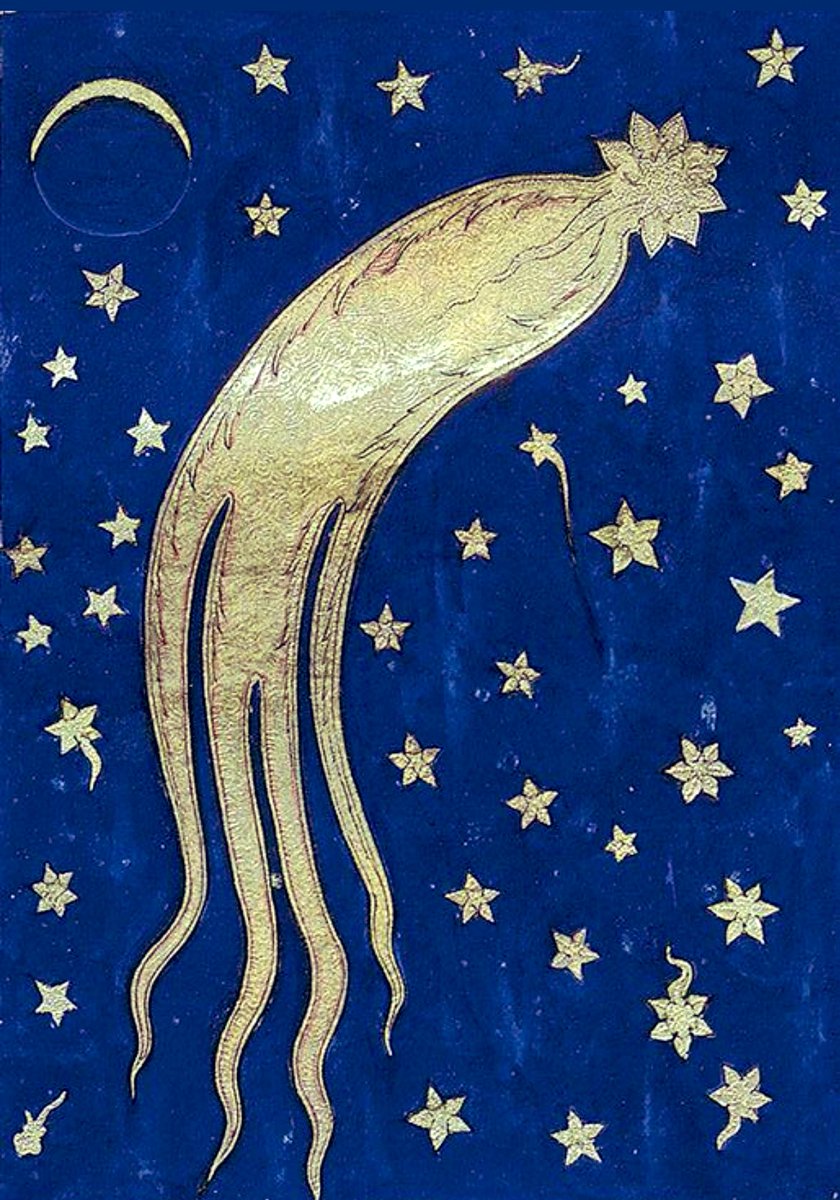
Tonight's harvest moon is the first full moon after the autumnal equinox - the Winterfylleð moon, which in the old Anglo-Saxon calendar was the herald of winter.
On MAY 11, 330AD the world changed!
Constantine the Great re-founded the city of Byzantium, transforming it into a new imperial capital.
Over time Constantinople blossomed into a grand city truly worthy of the title New Rome, eventually becoming the center of the Roman world!
Music bringing people together for millennia! 🪈 🎶
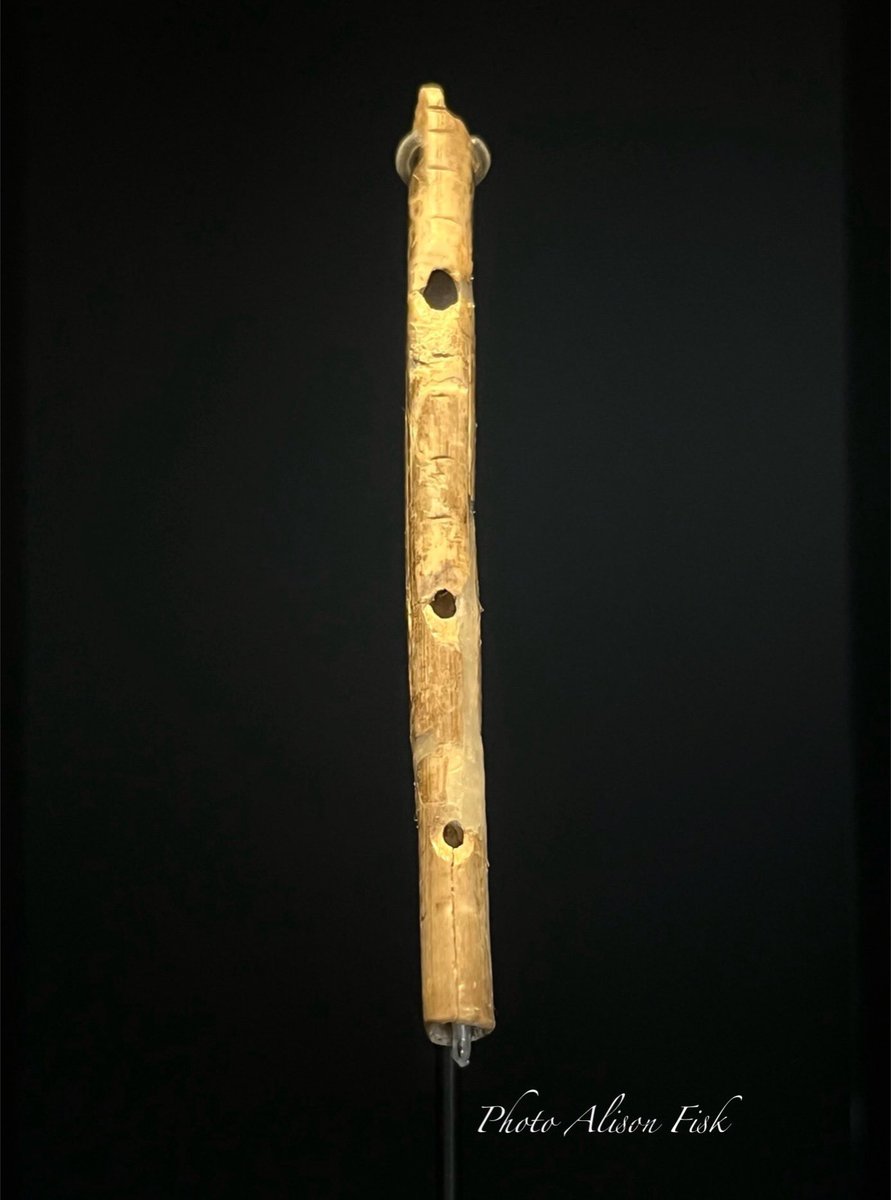
About 40,000 years ago, during the #IceAge, this flute was made from a swan’s wing bone. It is one of the World’s oldest known musical instruments!
Geißenklösterle cave, Swabian Jura, Germany. Landesmuseum Württemberg, Stuttgart 📷 me
#Archaeology
didnt take my meds yeaterday and read half this book and then slept for 14 hours during which time i experienced the gnarliest nightmares, highly recommend
Quick thread of lost and forgotten words that we need to bring back:
“Overmorrow,” the day after tomorrow, and “yesterneve,” yesterday evening.
“Nodcrafty”: to nod along sagely when someone is talking, despite not having a clue what they’re banging on about.
The Standard of Ur, an extraordinary Sumerian artifact from 3rd Millennium BC, currently resides within the esteemed collection of the British Museum.
This remarkable piece comprises a hollow wooden box, measuring approximately 21.59 centimeters (8.50 inches) wide and 49.53 centimeters (19.50 inches) long, meticulously adorned with a captivating mosaic of precious materials such as shell, red limestone, and lapis lazuli. Originating from the ancient city of Ur, located in present-day Iraq west of Nasiriyah, the artifact traces its roots back to the First Dynasty of Ur during the Early Dynastic period, making it a venerable antiquity of around 4,600 years.
On its four sides, the Standard of Ur showcases riveting scenes of war and peace, elegantly depicted through elaborately inlaid mosaics. Although initially interpreted as a standard by its discoverer, the true purpose behind this enigmatic artifact remains shrouded in mystery, leaving historians and archaeologists intrigued.
The Standard of Ur emerged from a distinguished royal tomb in the city of Ur during the 1920s. Intriguingly, it was found alongside the remains of a ritually sacrificed man, potentially hinting at his significant role as the bearer of this remarkable artifact. As we delve into the intricacies of this ancient treasure, we are transported back in time, marveling at the artistic brilliance and sophisticated craftsmanship of our ancestors, while pondering the fascinating narratives hidden within this millennia-old enigma.
#archaeohistories
St Brendan 'the Navigator' of Clonfert, Galway #Ireland went on 7 year voyage with other monks! On one of the islands they find, they light a fire! The island sinks; they realise it is actually a whale! 🎨 @BLMedieval Harley MS 4751, f69r #WorldWhaleDay 🐋
Portrait of a Young Man, 1530s by Bronzino, Agnolo di Cosimo di Mariano (Met Museum) I love the catalogue description: "The identity of this arrogant young man is unknown".
Algunas de las alhajas conservadas y expuestas en el @MANArqueologico de Madrid procedentes del espectacular Tesoro visigodo de Guarrazar (me costó la vida quitarle todos los brillos y reflejos de la vitrina expositora, así que espero me le deis mucho amor 😅)
#FelizSabado