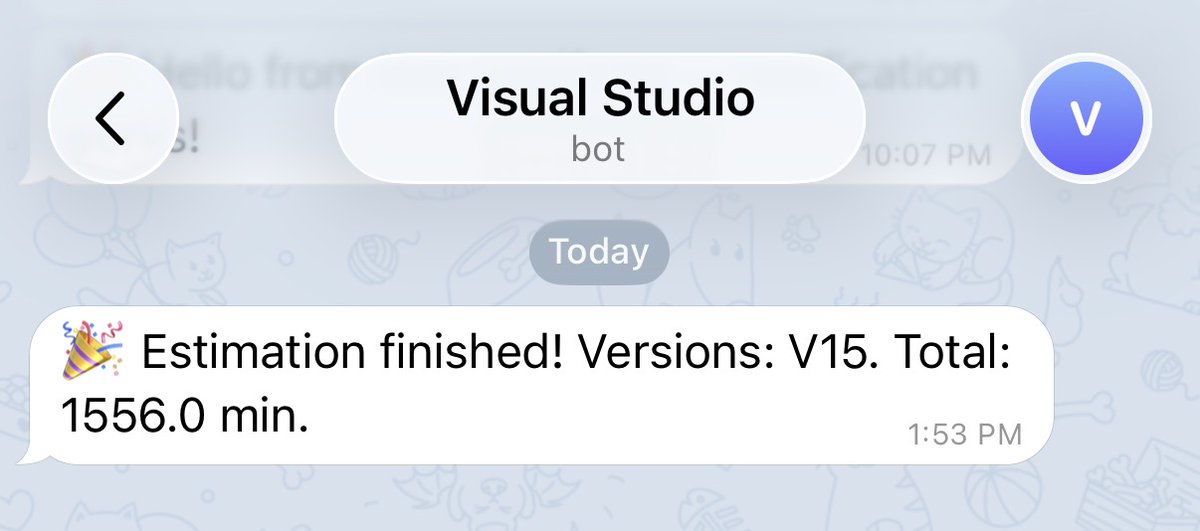
I added Telegram notifications to my Python scripts.
I run a lot of model estimations and simulations, and I used to check my computer every so often to see if they were done.
Now my code just messages my phone when it finishes.
Codes below if anyone wants to try.
Spent the week co-authoring a paper with Claude.
It’s an elite research assistant (cleaning data, running analysis, drafting sections), but not a lead investigator. It can do the work, but can’t (yet) tell you what’s worth investigating.
Human judgment and critical thinking matter more than ever.
Useful counter-narrative on algorithmic pricing. Price discrimination isn't new (coupons, early-bird pricing). The evidence on electronic shelf labels suggests they're primarily used for markdowns rather than surge pricing, especially for perishables nearing expiration.
The "surveillance pricing" narrative doesn't really add up. It's exciting, but sloppy. I've been following algorithmic pricing for a while and I think it's worth pointing out what gets lost in this oversimplified story. 🧵
TL;DR:
Judge ruled documents generated with AI aren't protected by attorney-client privilege. Talking to AI ≠ talking to your lawyer. AI tools aren't attorneys, owe no confidentiality, and their ToS allows data sharing with authorities. If you're using AI for legal matters, assume everything is discoverable.
Your AI conversations aren't privileged. Yesterday, Judge Jed Rakoff ruled that 31 documents a defendant generated using an AI tool and later shared with his defense attorneys are not protected by attorney-client privilege or work product doctrine.
The logic is simple: an AI tool is not an attorney. It has no law license, owes no duty of loyalty, and its terms of service explicitly disclaim any attorney-client relationship. Sharing case details with an AI platform is legally no different from talking through your legal situation with a friend (which is not privileged).
You can't fix it after the fact, either. Sending unprivileged documents to your lawyer doesn't retroactively make them privileged. That's been settled law for years. It just hadn't been tested with AI until now.
And here's what really hurt the defendant: the AI provider's privacy policy (Claude), in effect when he used the tool, expressly permits disclosure of user prompts and outputs to governmental authorities. There was no reasonable expectation of confidentiality.
The core problem is the gap between how people experience AI and what's actually happening. The conversational interface feels private. It feels like talking to an advisor. But unless you negotiate for an enterprise agreement that says otherwise, you're inputting information into a third-party commercial platform that retains your data and reserves broad rights to disclose it.
Judge Rakoff also flagged an interesting wrinkle: the defendant reportedly fed information from his attorneys into the AI tool. If prosecutors try to use these documents at trial, defense counsel could become a fact witness, potentially forcing a mistrial. Winning on privilege doesn't make the evidentiary picture simple.
For anyone advising clients or managing legal risk, this is a wake-up call. AI tools are not a safe space for clients to process their counsel's advice and to regurgitate their legal strategy. Every prompt is a potential disclosure. Every output is a potentially discoverable document.
So what do we do about it?
First, attorneys need to be proactive. Advise clients explicitly that anything they put into an AI tool may be discoverable and is almost certainly not privileged. Put it in your engagement letters. Make it part of onboarding. Don't assume clients understand this, because most don't.
Second, if clients want to use AI to help process legal issues (and they clearly will, increasingly), then let's give them a way to do it inside the privilege. Collaborative AI workspaces shared between attorney and client, where the AI interaction happens under counsel's direction and within the attorney-client relationship, can change the analysis entirely. I'm excited to be planning this kind of approach, and I think it's where the industry needs to head.
https://t.co/NFqsznVdXh
I wrote a decent paper with AI.
It took me about 3 hours from start to finish, including an interactive choose-your-own-border-RD-adventure, it’s a what are we even doing here kind of day.
In his paper, @YdeEric shows that the divestiture of vertically integrated pharmacies would reduce drug prices by 7.3% and increase annual consumer surplus for Medicare enrollees by 8.1%.
Full paper: https://t.co/OV9BLGSeuQ
Health care monopolies on patient care screw over working families and destroy your ability to access affordable care.
All so corporate CEOs, like those from CVS Health, can pad their pockets.
We must break up big medicine. We need a Glass-Steagall for Health Care.
This paper studies how vertical integration between insurers, PBMs, and pharmacies affects drug prices and insurance premiums. VI insurers reduce premiums but raise drug prices at their own pharmacies, with consumer harm from higher prices only partially offset by lower premiums.
AOC: This is quite a bit of market concentration. Wouldn't you agree?
CVS HEALTH CHAIR DAVID JOYNER: No. I'd suggest it's a model that works really well for the consumer
AOC: I think it works well for CVS. Health insurance gets a cut, pharmacy benefit manager gets a cut, drug manufacturer gets a cut, and the patient gets screwed
ICYMI: An incredible analysis on Jan 17 predicted President Trump's tariff playbook, which has played out remarkably well! Recent events have followed this playbook almost step-by-step.
The Huff model is the classic algorithm in retail spatial analysis - and you can now use it in R.
Predict:
- Which store a customer is likely to visit
- Sales potential per location
- How new stores reshape the competitive landscape
Learn more: https://t.co/oet8c8nZfz
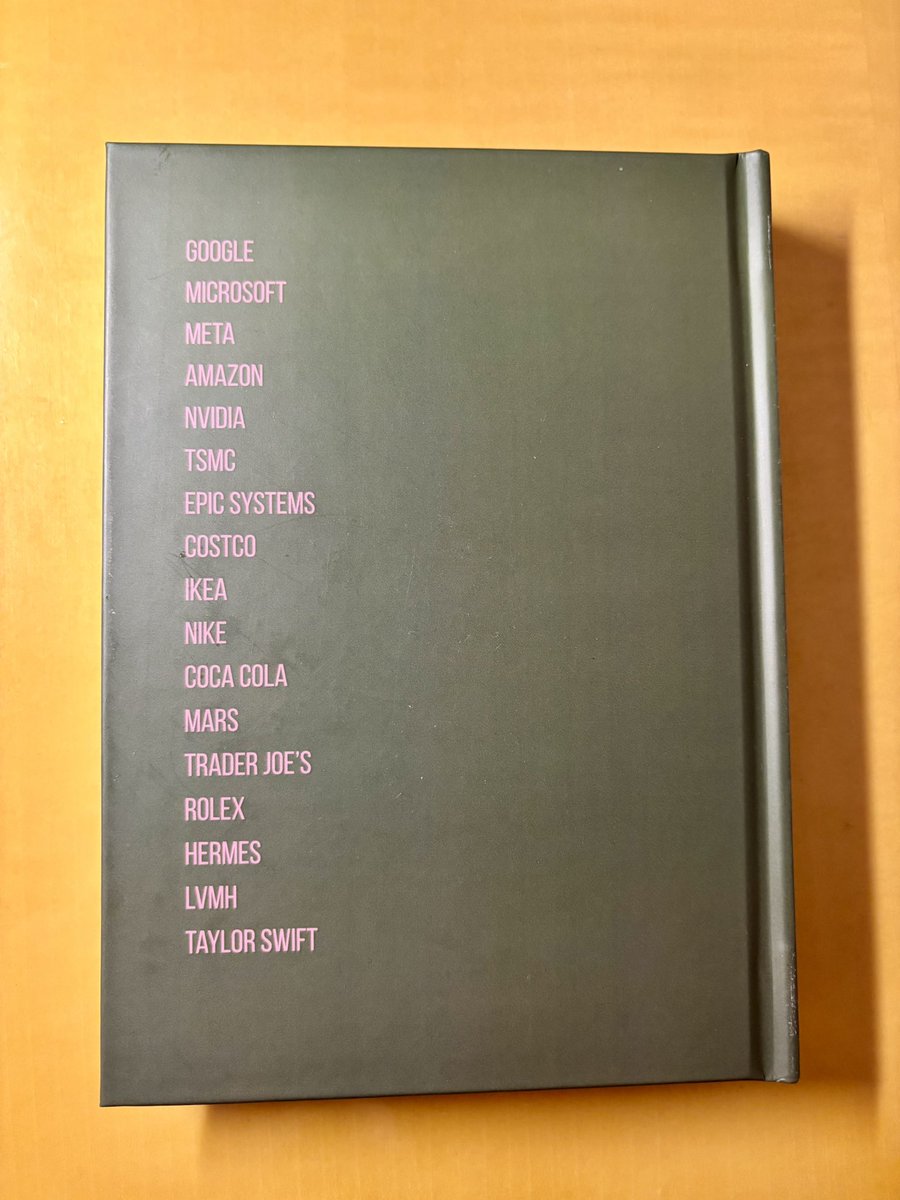
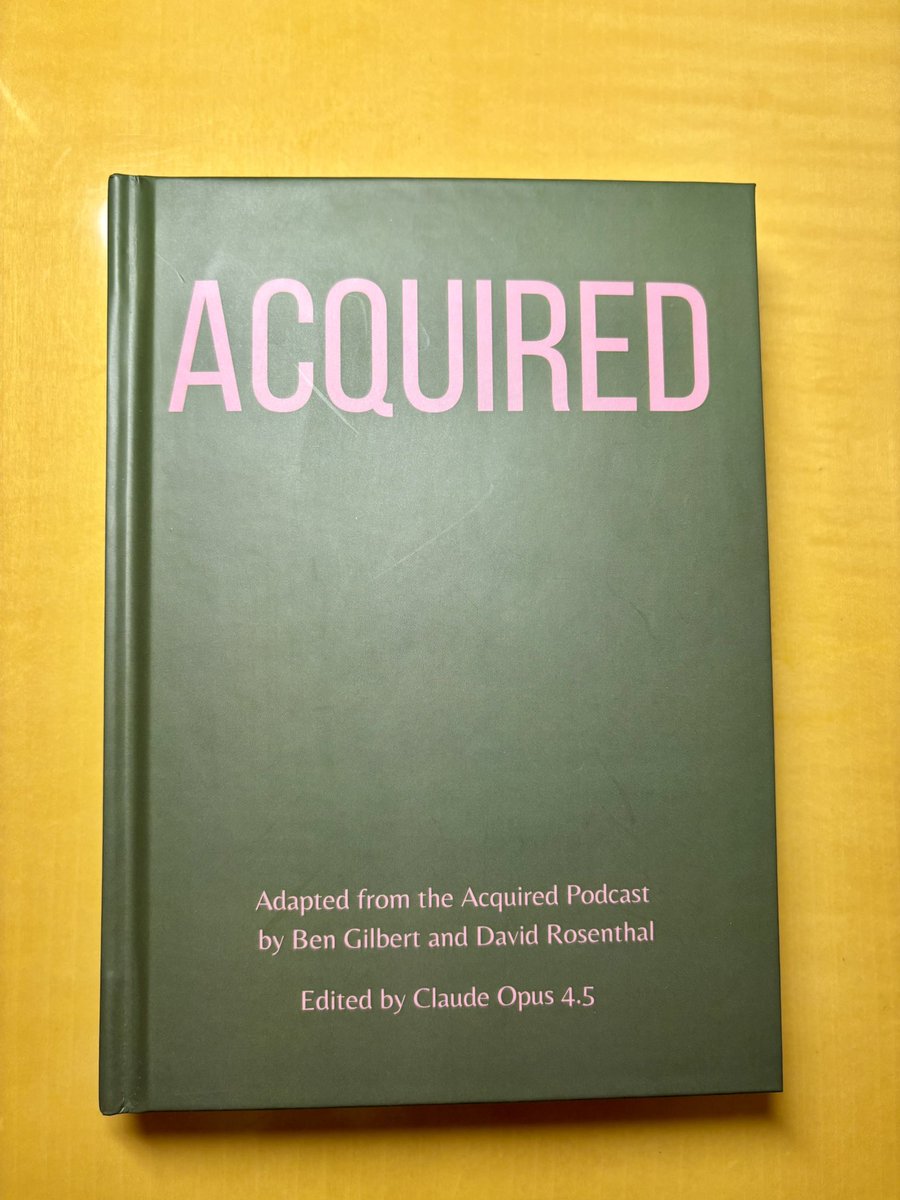
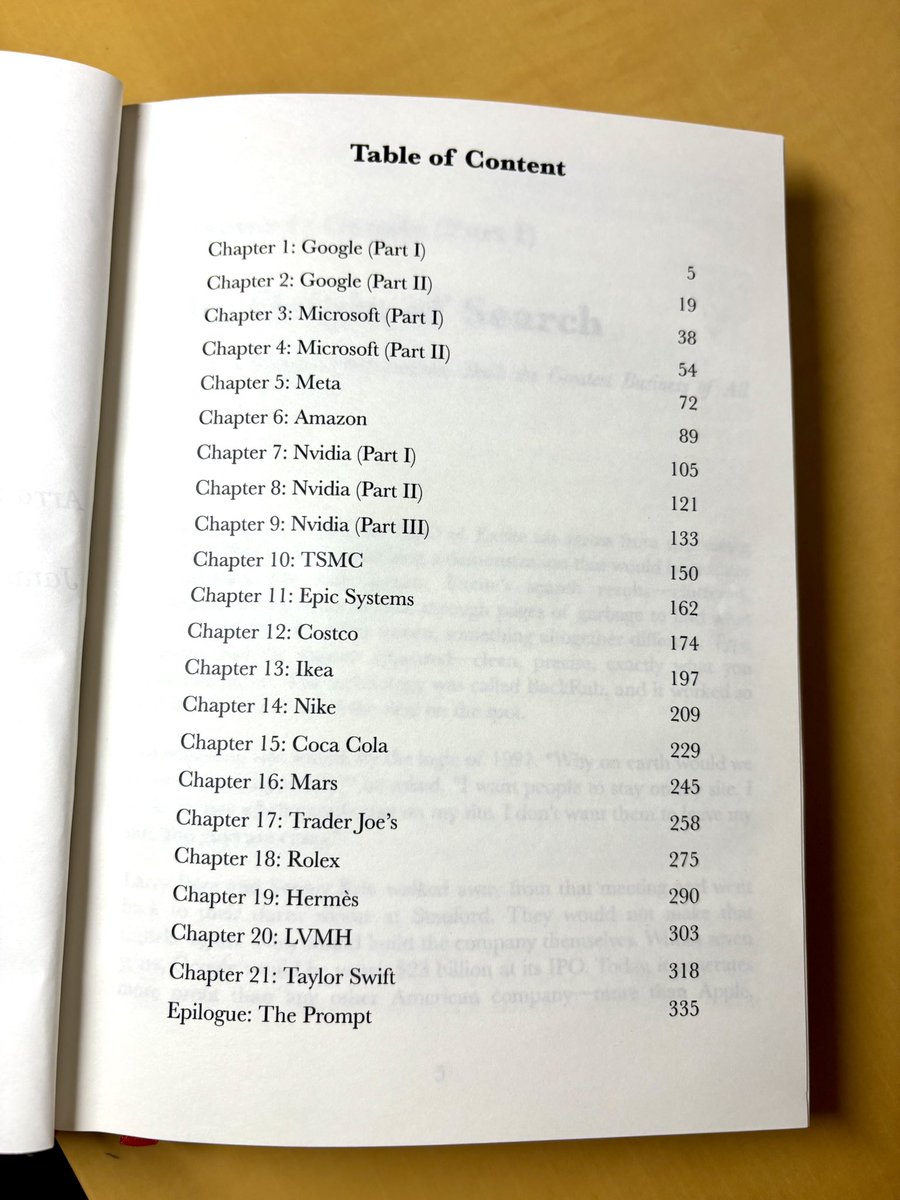
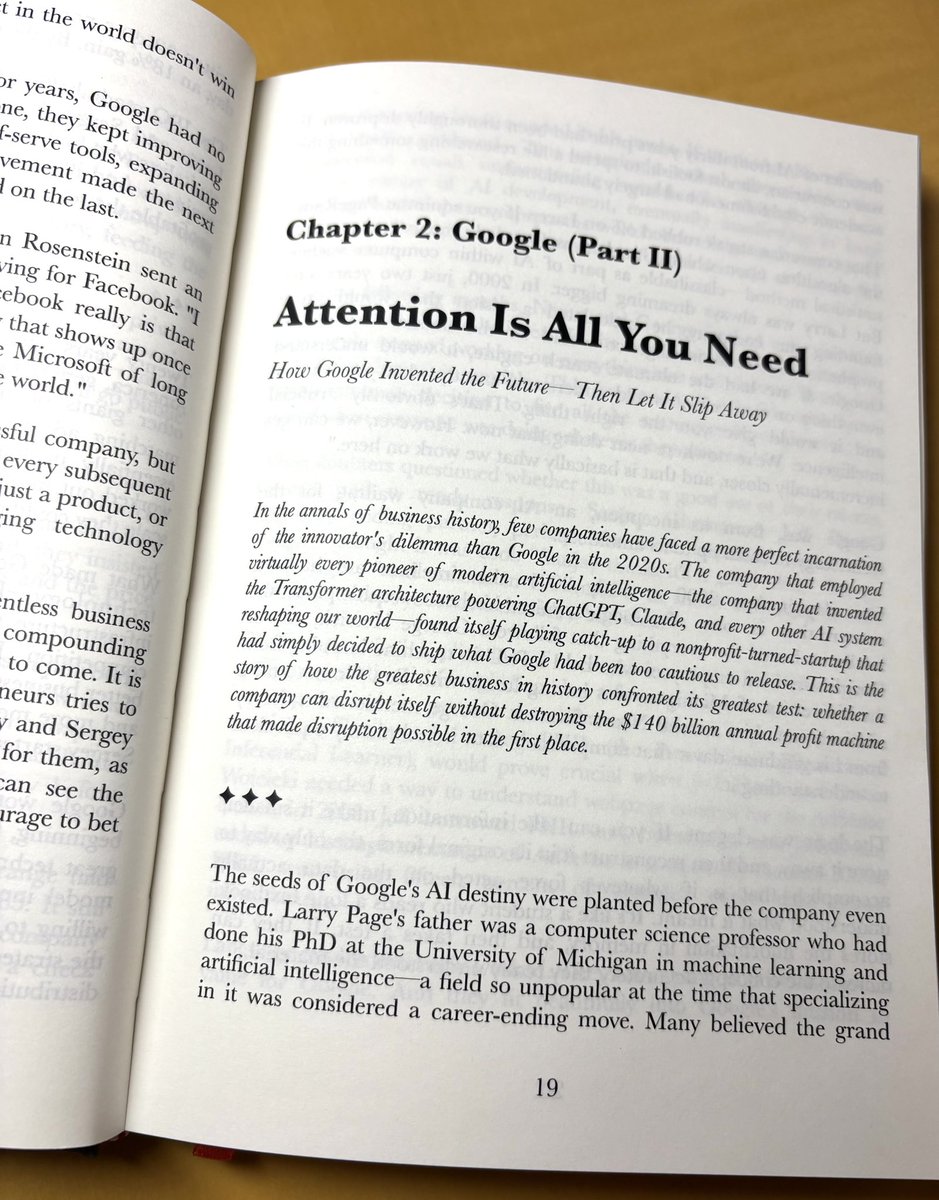
I turned the @AcquiredFM podcast into a 300-page DIY physical book, thanks to @claudeai
1. Feed transcript to Claude
2. Get Claude to convert transcript to a business biography chapter, preserving story arc & key quotes, and output as formatted word doc
3. Arrange word doc. Design book cover using Canva
4. Send to printing supplier
I love the Acquired podcast but often wished I could consume it as a book. Reading the transcript didn’t feel right; turning it into business biography chapters seemed to be the right form factor. Claude’s writing is extremely good.
Prompt below if anyone wants to try
Hi all, please spread the word and we hope everyone can make good use of this new data drop: https://t.co/1DSR2NZ38p
The full surviving establishment-level Census of Manufactures manuscripts from 1850, 1860, 1870, and 1880!
Interesting article. Looking ahead, once AI agents can book flights or shop for us, much of the user-level browsing behavior that fuels ads, recommender systems, and price discrimination will disappear.
New post with @AndreyFradkin on the obstacles for AI agentic commerce.
Imagine an AI that could optimize your credit card points across airlines and hotels to book a trip to Tokyo. The technology exists, at least in theory. So why can't you use an agent to book a flight, or shop for groceries?
There are two main obstacles:
1) The interface of the internet was optimized for human interactions. What's needed is a machine-readable internet twin. Problem: the platforms best positioned to develop this twin often have an incentive not to.
2) The regulatory framework for agentic commerce is a mess. In many cases, it's legally ambiguous whether you can "bring your own" agent to shop for you (and agent providers get sued); in other cases, a platform can simply revoke permission and deny service. Firms have incentive to develop their own agents that you interact with, rather than allow you to BYO an agent aligned with your interests.
To foster competition and improve consumer welfare, a new regulatory framework is needed. We outline what one might look like.
https://t.co/OMfMuv96XS