En ce 24 avril, la République commémore le génocide des Arméniens de 1915 et s'incline devant la mémoire des victimes.
C'est une occasion de se souvenir, de transmettre et de souligner le lien indissoluble qui unit la France à l'Arménie et les Français aux Arméniens.
Can HCQ delay or prevent onset of rheumatoid arthritis? The StopRA trial found HCQ did not prevent development of clinical RA at 36 months among at-risk individuals
Read the April Arthritis & Rheumatology Editor's Pick:
https://t.co/bcQMX1isy8
Bardy R, Detournay E, Guedon AF, Mekinian A, Morard M, Kraeber-Bodéré F, Jamet B, Besson FL, Espitia O. Prognostic Value of Cranial Arteries Involvement on 18F-FDG PET/CT at Giant Cell Arteritis Diagnosis in a Multicenter Cohort. Clin Nucl Med. 2026 Mar 24. doi: 10.1097/
Whole-exome seq study of 174 patients with SLE treated with glucocorticoids identified heterozygous variants in ANK1 and EPB41, associated with higher risk of steroid-induced osteonecrosis of the femoral head
Arthritis & Rheumatology
https://t.co/AJNfDkKywS
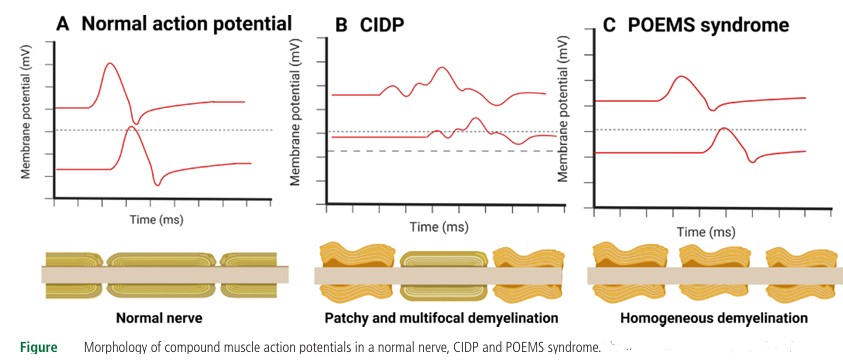
POEMS (Polyneuropathy, Organomegaly, Endocrinopathy, M-protein and Skin changes) syndrome is a rare multisystem disorder where early identification is essential for better long term outcomes. Yet it is often misdiagnosed. Gonçalves et al review the condition here:
https://t.co/N1fOBPt5w5
And this is a related editorial: https://t.co/MYW28Lz5ym
Phase 3b TOGETHER-PsA trial of ixekizumab + tirzepatide in comorbid overweight or obese adults with PsA showed clinically meaningful improvement of psoriatic disease, physical function, weight reduction, & quality-of-life, with no new safety concerns
A&R
https://t.co/fBTT7PL0co
Presented at #ISNWCN:
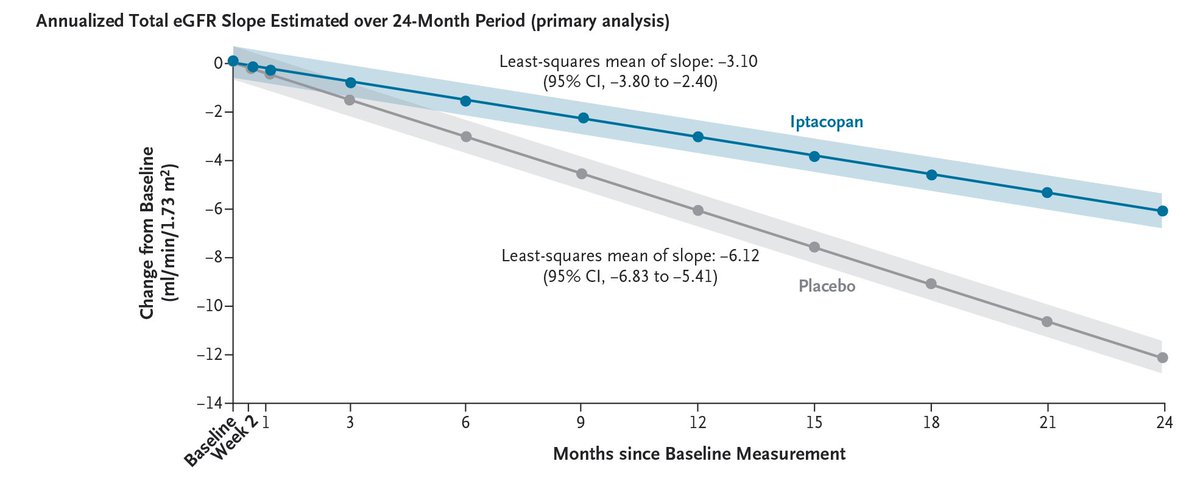
Alternative complement pathway overactivation contributes to IgA nephropathy. In a placebo-controlled trial, iptacopan, a complement factor B inhibitor, significantly slowed kidney-function decline in patients with IgA nephropathy. Full phase 3 APPLAUSE-IgAN trial results: https://t.co/RD5a9ILL7X
@ISNWCN
At least 12 million babies have been born thanks to in vitro fertilisation (IVF), but how did we reach this miraculous milestone?
In the 1950s, British scientist Robert Edwards began his research on the biology of fertilisation and soon realised that fertilisation outside the body could be used to treat infertility. He discovered important principles for human fertilisation including how human eggs mature, and first succeeded in accomplishing fertilisation of human egg cells in test tubes – or more precisely, cell culture dishes – in 1969.
Despite his breakthrough, there was a problem that a fertilised egg could not develop beyond a single cell division. Edwards suspected that eggs that had matured in the ovaries before removal would function better, and looked for possible ways to obtain such eggs in a safe way.
His collaboration with gynaecologist Patrick Steptoe enabled IVF to grow from experimental to practical medicine. Together, they used laparoscopy – a technique pioneered by Steptoe – to remove eggs and put them in a cell culture before adding sperm, which enabled the fertilised eggs to form into early embryos.
On 25 July, 1978, Louise Brown, the world’s first “test tube baby” was born. IVF treatment began the previous year when a fertilised egg was developed into an embryo and returned to her mother, Lesley Brown. Louise’s birth marked a major milestone in reproductive medicine and gave hope to millions of people struggling with infertility.
Edwards and Steptoe established the Bourn Hall Clinic in Cambridge – the world’s first centre for IVF therapy – and refined their technology. By 1986, 1,000 children had already been born following IVF at the clinic.
Today, IVF is a sophisticated and widely accessible fertility treatment option that has allowed millions to experience the joy of parenthood.
Learn more about Robert Edwards: https://t.co/6N9s15OI2E
Photo: iLexx via Getty Images.
2025 update of EULAR recommendations for the management of Behçet’s syndrome
⏩Mucocutaneous and joint involvement: Colchicine is first-line; apremilast or TNFαi for refractory cases.
⏩Organ-threatening: GC + IS, with prompt use of monoclonal TNF
https://t.co/rt3g6jN1Ld
Presented at #AAD2026:
In the VALOR trial of brepocitinib in adults with dermatomyositis, the 30-mg dose (but not the 15-mg dose) led to greater improvement on a composite myositis index at 52 weeks than placebo. Serious infections were more frequent with the 30-mg dose. Full trial results: https://t.co/7XyzxO1mkl
@AADmember
Rare. Un témoignage et quelques images sur l'#Artsakh#HautKarabakh depuis son nettoyage ethnique par l'Azerbaïdjan en 2020-2023. Un pays désert, sans vie, sans âme, où toute trace de présence des #Armeniens est effacée. Les 15 derniers #Armeniens sont partis en février 2026.
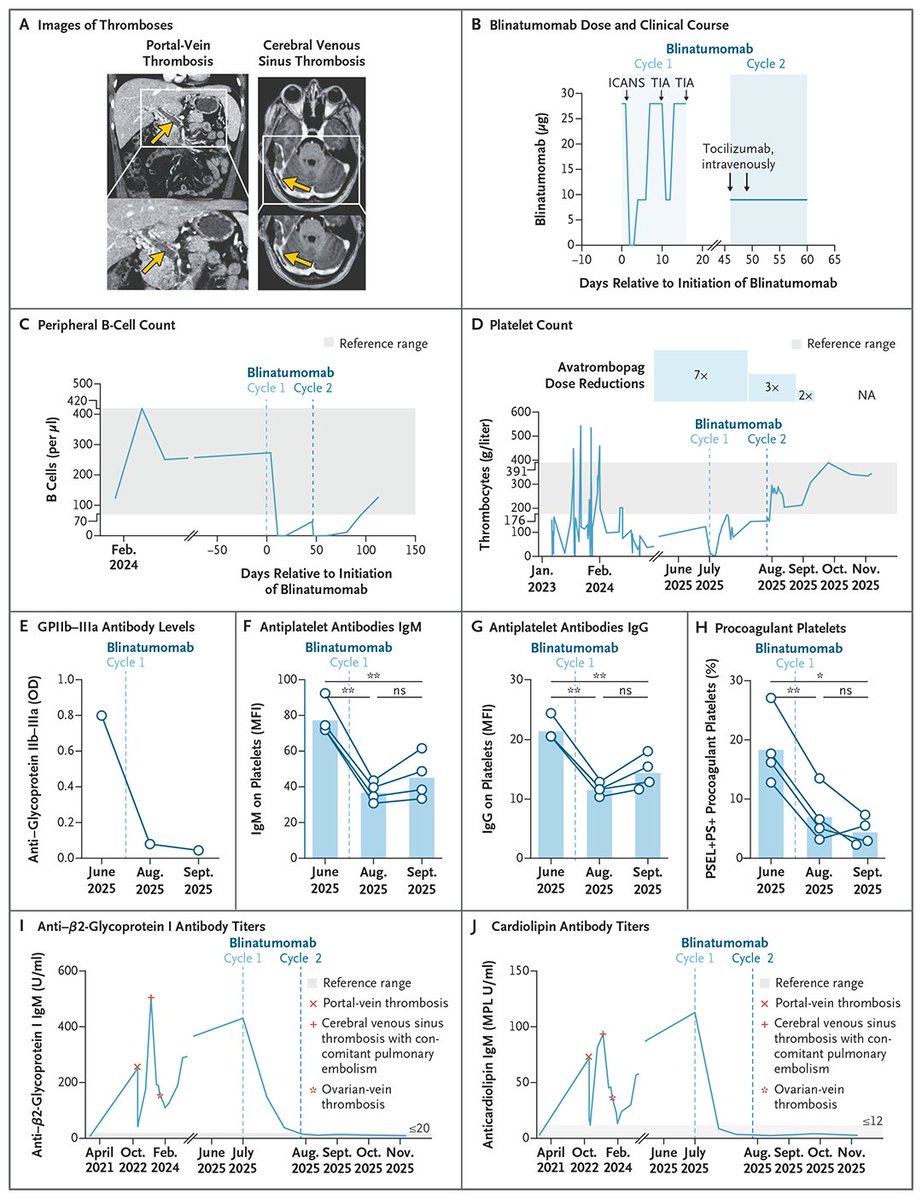
NEJM: Obinutuzumab in Active Systemic Lupus Erythematosus
A phase 3 trial of obinutuzumab, an anti-CD20 monoclonal antibody, showed potent B-cell depletion and clinical efficacy active systemic lupus erythematosus without evidence of nephritis.
https://t.co/b5qHBotxbI
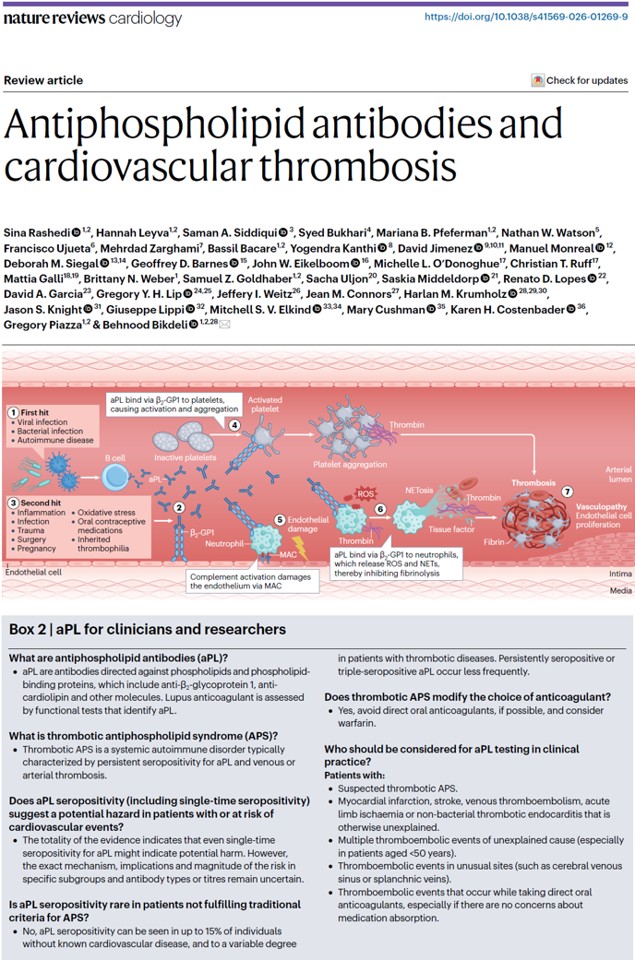
#Antiphospholipid antibodies and #cardiovascular#thrombosis, now in @NatRevCardiol 👇:
https://t.co/JuVuLs3s16
Systematic summary across various conditions. In some cases, we challenge the old conventional thinking...
Truly multidisciplinary, led by our 🌟fellow @SinaRsh
Systematic review and meta-analysis estimated pooled prevalence of HCQ-retinopathy was 5% between 2008 to 2023, and cumulative incidence rose over time. Patients receiving HCQ >5 mg/kg/day of actual body weight had 4-fold higher risk
AC&R
https://t.co/vmwCNLm1J8
Clinical Practice Guideline for Evaluation and Management of Peripheral Nervous System Manifestations in Sjögren's Disease - Deboo - Arthritis Care & Research - Wiley Online Library #sjogrens#sjogrensfoundation
https://t.co/kQ4Q6wU7bl