The Obama Presidential Center opens to the general public on Juneteenth after a celebratory dedication in Chicago with dignitaries. The roughly $850 million project covers both the political and personal realms of the nation’s first Black president.
Endurance exercise is heart-healthy usually. New study shows it can remodel pulmonary vein myocytes and create a pro-arrhythmic atrial substrate. The atrial fibrillation–athlete link, explained. Read more in #EHJ.
https://t.co/sMZoSgBnmd
#AF#athlete#cardiotwitter@ESC_Journals@escardio
One of the most amazing things I’ve ever seen: a standing ovation for the full Daraxonrasib results
I feel inspired and energised, to put it mildly — we have a targeted therapy for pancreatic cancer now, and nothing is undruggable anymore
🧬 Genetics is not just diagnosis… it’s prognosis.
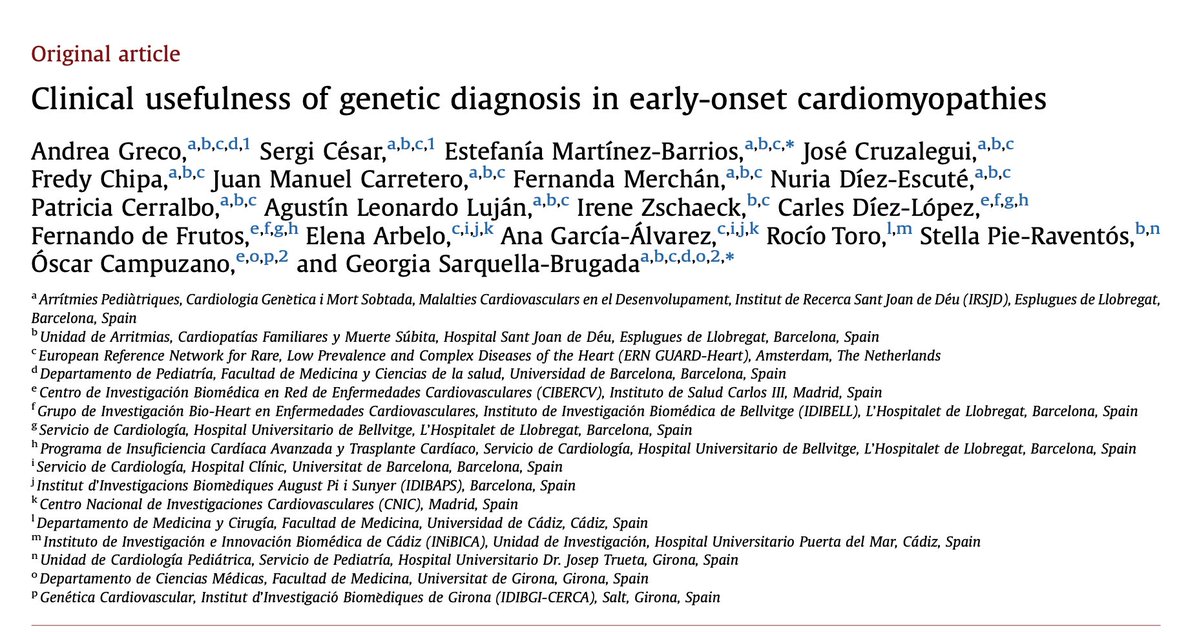
A powerful study on early-onset cardiomyopathies in children highlights something we are increasingly seeing in clinical practice:
👉 the more complex the genetics, the higher the risk.
📊 Key findings:
🔹 62% had a conclusive genetic diagnosis
🔹 29% experienced major cardiac events (arrhythmias, HF, transplant, SCD)
🔹 79% of those with events carried multiple genetic variants
🔹 Carrying multiple variants increased risk >7-fold
💥 Even more striking:
👉 100% of patients with 2 pathogenic variants had cardiac events
📄 Based on: https://t.co/G3BNq910pj
🧠 What does this mean for us?
This study shifts the paradigm:
❌ It’s not just which gene
✅ It’s how many variants and how they interact
👉 A single mutation may not tell the whole story
👉 The genetic burden matters
And importantly:
⚠️ Even VUS might not be “innocent” — they could act as modifiers
💡 Clinical implications:
✔️ Go beyond “positive vs negative” genetic testing
✔️ Think in terms of genetic complexity
✔️ Integrate genotype + phenotype for risk stratification
✔️ Identify early those children who need closer follow-up and protection
💭 My take:
We are moving from monogenic thinking → network genetics
And maybe… this is the key to finally understanding
👉 why two patients with the same mutation can have completely different outcomes
#Cardiology #PediatricCardiology #Genetics #Cardiomyopathy #PrecisionMedicine #GenomicMedicine #Arrhythmia #SuddenCardiacDeath #MedTwitter #CardioTwitter #Research
⚡️ ECG matters more than we think in myocarditis ❤️📉
New multicentre data (n=925) shed light on the prognostic role of QRS duration in acute myocarditis — a simple, widely available marker that may help guide risk stratification.
🔍 What was studied?
Patients with acute myocarditis were grouped by QRS duration during hospitalization:
<100 ms
100–120 ms
120 ms
📊 Primary outcome:
➡️ Death, heart transplantation, or VAD implantation
📈 Key findings
⚠️ Longer QRS = worse outcomes
Each +10 ms increase → ~10% higher risk (HR 1.10)
QRS >120 ms → significantly higher adverse events vs all other groups
🧠 Independent predictors of poor outcome:
Prolonged QRS duration
Older age
CKD & diabetes
LVEF <35%
Higher peak CK-MB
💡 Why this matters
🩺 QRS duration is:
✔️ Simple
✔️ Non-invasive
✔️ Available everywhere
➡️ Yet it provides powerful prognostic information in acute myocarditis
📉 Clinical implication:
Serial ECG monitoring could become a practical tool for early risk stratification, even in severe/fulminant cases.
✨ Bottom line:
A longer QRS is not just an ECG finding — it’s a red flag in acute myocarditis.
#Myocarditis #ECG #Cardiology #HeartFailure #Arrhythmia #CardioTwitter #MedEd #RiskStratification #VAD #ClinicalResearch ⚡️🫀
https://t.co/4mbxdN6Z8N
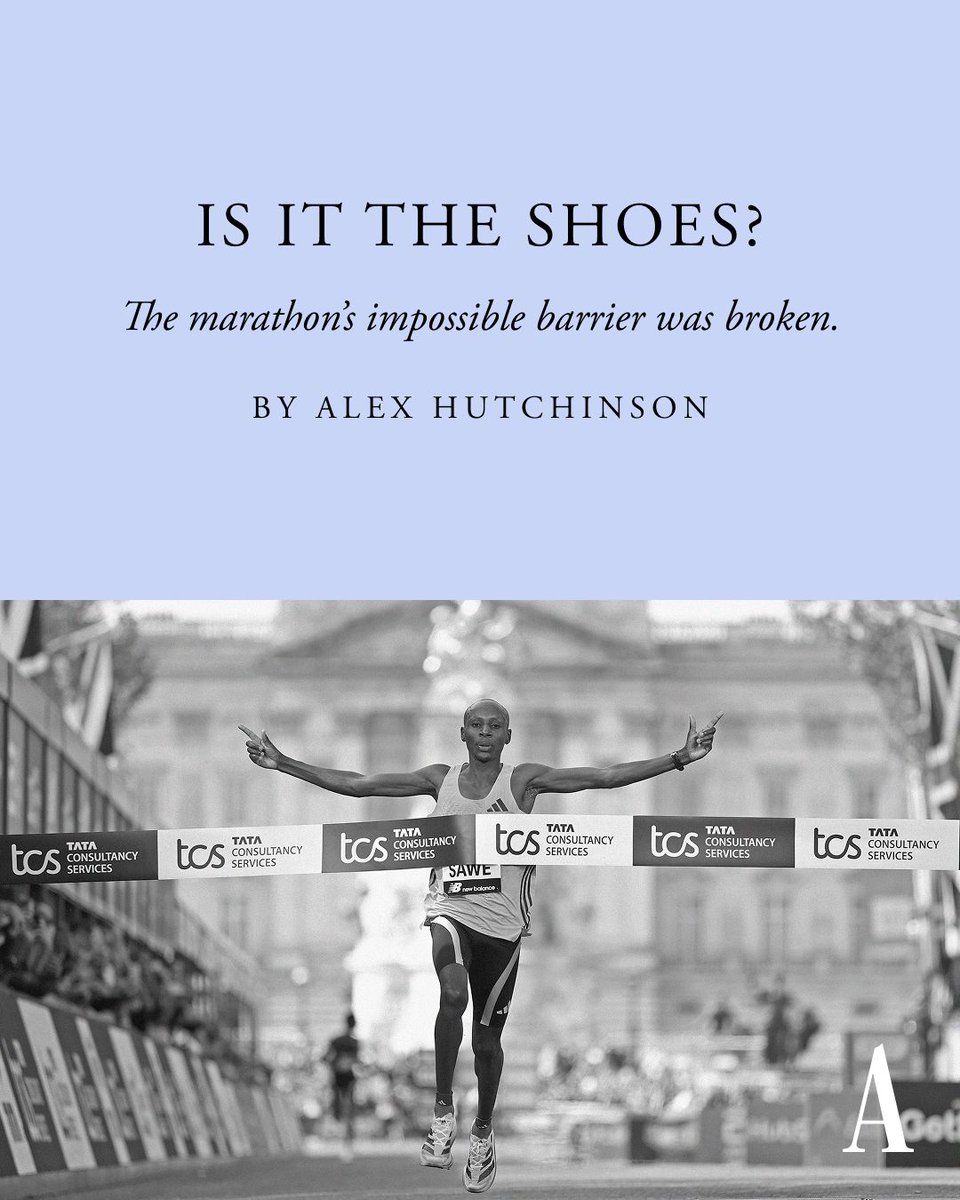
Sabastian Sawe’s record-breaking under-two-hour marathon was the “culmination of a shift—or, perhaps more aptly, a total disruption—in marathoning,” @sweatscience writes:
📸: Alex Davidson / Getty
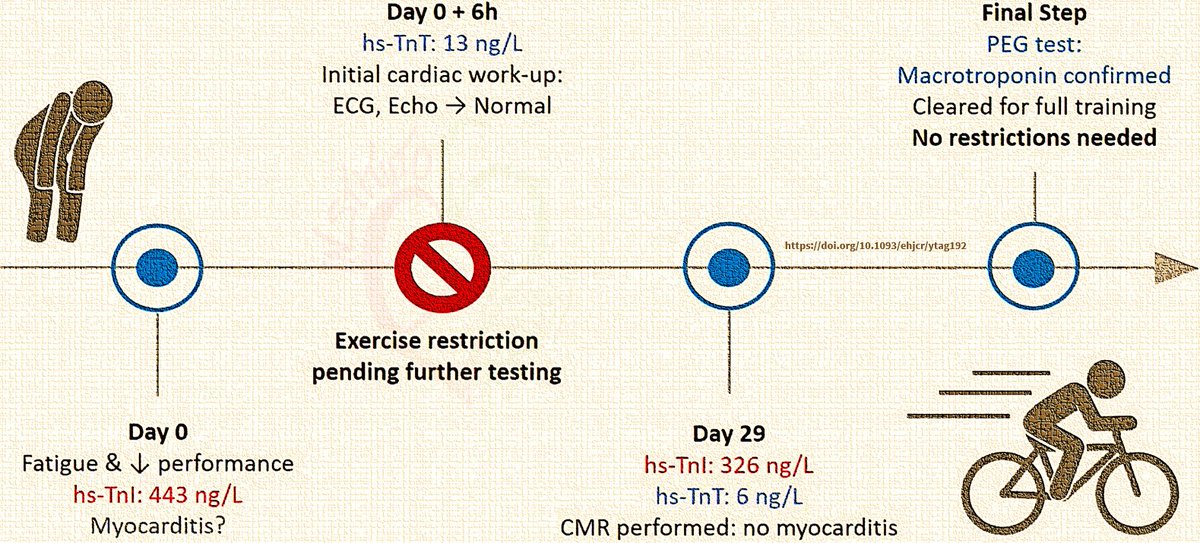
MACROTROPONIN IN ATHLETES
🚴♀️Exercise-induced troponin release
🚴♀️Understanding differential diagnosis: physiological adaptation vs pathologic condition
🚴♀️How to avoid misdiagnosis & unnecessary restrictions
🚴♀️The case of a profesional cyclist
https://t.co/R7gjvHTxmV
#sportscardio
Feeling a bit ranty this morning:
We are where we are in research and healthcare—in part—because researchers and physicians tolerate being taken advantage of.
The irony? Changing the status quo requires sacrifice—the very same sense of martyrdom that large industry players often leverage to erode your time, autonomy, and professional well-being.
Compliance isn’t inevitable. It’s a choice.
Sabastian Sawe’s record-breaking under-two-hour marathon was the “culmination of a shift—or, perhaps more aptly, a total disruption—in marathoning,” @sweatscience writes: https://t.co/aX2wOfzDek
Watch Sabastian Sawe 🇰🇪 run 1:59:30 to destroy the Marathon World Record in London!!🤯🔥
First man ever to break 2 hours in a marathon.
2. Yomif Kejelcha 🇪🇹 1:59:41
3. Jacob Kiplimo 🇺🇬 2:00:28
All under the previous World Record.
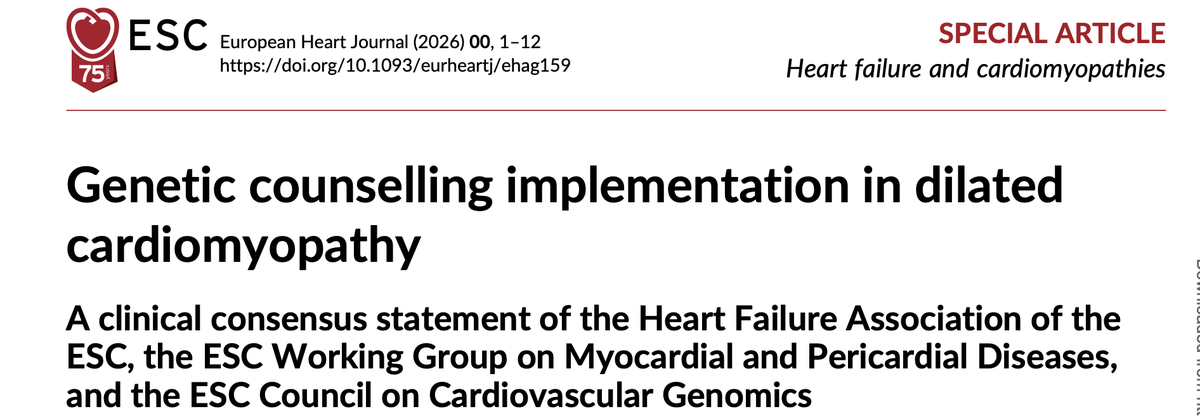
🧬 Genetic testing in Dilated Cardiomyopathy: are we using it right?
A new ESC consensus highlights a key shift:
genetics in DCM is no longer just about family screening—it’s now central to clinical decision-making.
🔍 Key messages
🧠 Not just monogenic anymore
DCM is increasingly seen as a continuum:
Rare variants (high impact)
common variants (polygenic background)
environmental triggers
➡️ Disease = interaction, not a single mutation
🧬 Who should be tested? → almost everyone
Genetic testing is recommended when results can impact:
✔️ diagnosis
✔️ prognosis
✔️ treatment (e.g. ICD decisions)
✔️ family screening
➡️ Even “acquired” DCM does NOT exclude genetics
📊 Yield is variable but meaningful
~8–36% overall
up to 55% in familial DCM
➡️ Still clinically impactful despite imperfect yield
⚠️ Gene panels: bigger ≠ better
Large panels increase VUS
Limited gain in actionable variants
➡️ Focus on validated disease genes is key
🔥 Genotype matters clinically
Some genes carry higher arrhythmic risk:
LMNA, FLNC, DSP, RBM20, PLN
➡️ Can influence ICD decision-making beyond EF
🧩 The real paradigm shift: interpretation
Genetic results must be read in context:
phenotype
environment (e.g. myocarditis, chemo, pregnancy)
penetrance
➡️ A variant alone is NOT the diagnosis
👨👩👧 Family impact is huge
Enables cascade screening
Can discharge gene-negative relatives
Opens reproductive options
💡 Take-home message
Genetic testing in DCM is no longer optional or “nice to have”—
it’s becoming a core part of precision cardiology.
👉 But its value depends entirely on how well we interpret it.
#Cardiology #DCM #Genetics #Cardiomyopathy #PrecisionMedicine #HeartFailure #ESC #MedEd 🧬🫀
https://t.co/9wYe8ZBrIx
Among patients with anterior myocardial infarction, adding low-dose rivaroxaban to dual antiplatelet therapy did not significantly reduce left ventricular thrombus formation at 1 month but increased minor bleeding.
https://t.co/TDDR0p8sWV
A staggering 24 of 27 athletic teams have been nationally ranked this year:
#1 (4): 🏊♀️,W⚽️,M🎾,🏌️♂️
T5 (8): 🏑,M⚫️,M⚽️,W⚫️
T10 (17): M🏀,⚾️,M🥍,🚣♀️,MO🎽,🏃♂️,MI🎽,W🎾,W🥍
T15 (21): 🏈,🥎,🏊♂️,🏃♀️
T25 (24): W🏀,🏌️♀️, WO🎽
Already arguably the best year in @VirginiaSports history. #GoHoos
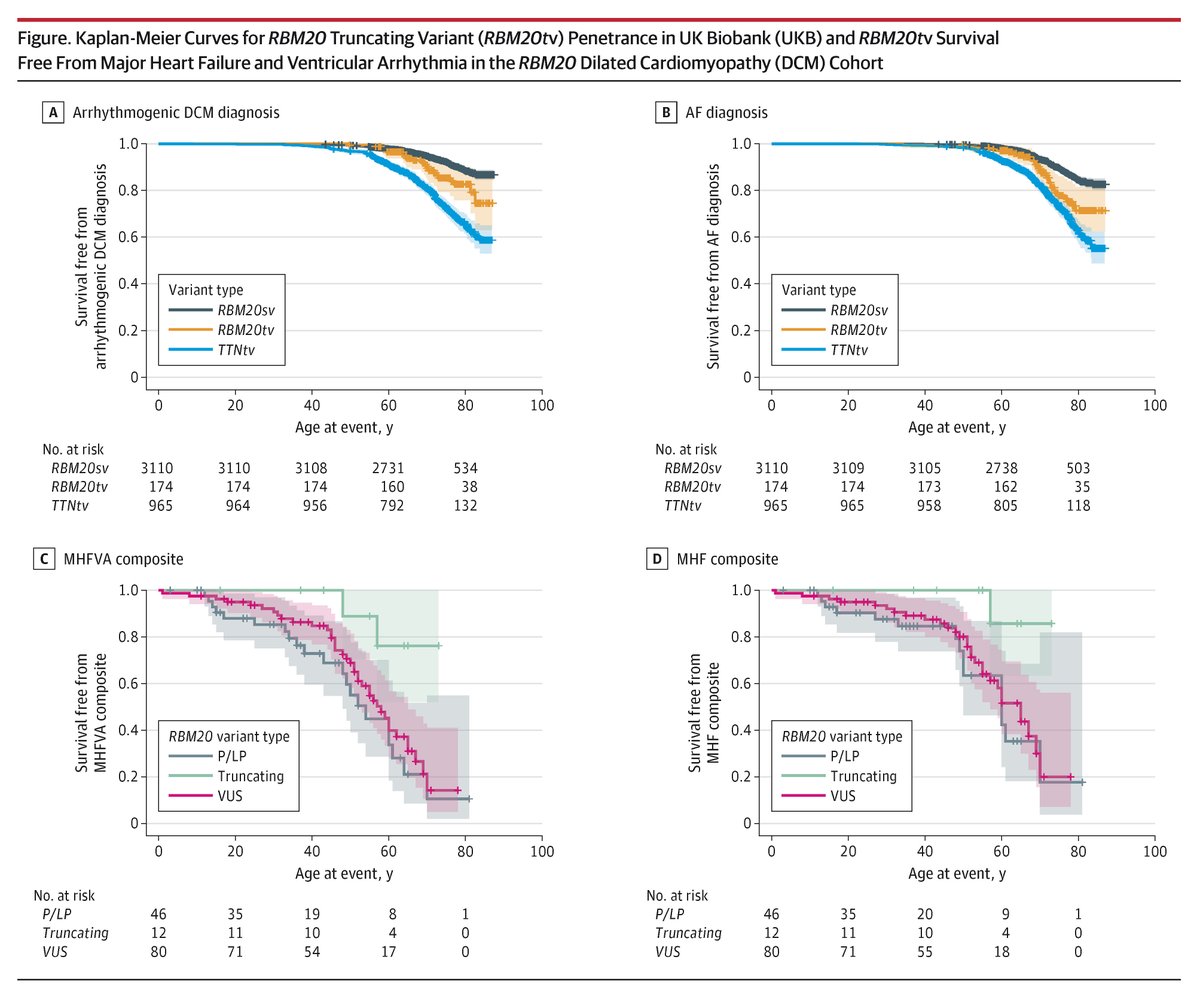
RBM20 truncating variants were associated with reduced lifetime penetrance and milder disease in #DilatedCardiomyopathy compared to pathogenic RBM20 or titin variants, suggesting a low-effect role in arrhythmogenic cardiomyopathy. https://t.co/70Yu3sL9EF
"One hundred and ninety-three million acres of your national forests. An area larger than Texas. The largest public land agency in the country. Just handed, on a silver platter, to the people who’ve spent their entire careers trying to destroy it.
And they did it with a press release on a Tuesday."
https://t.co/9Hi2v9md4X
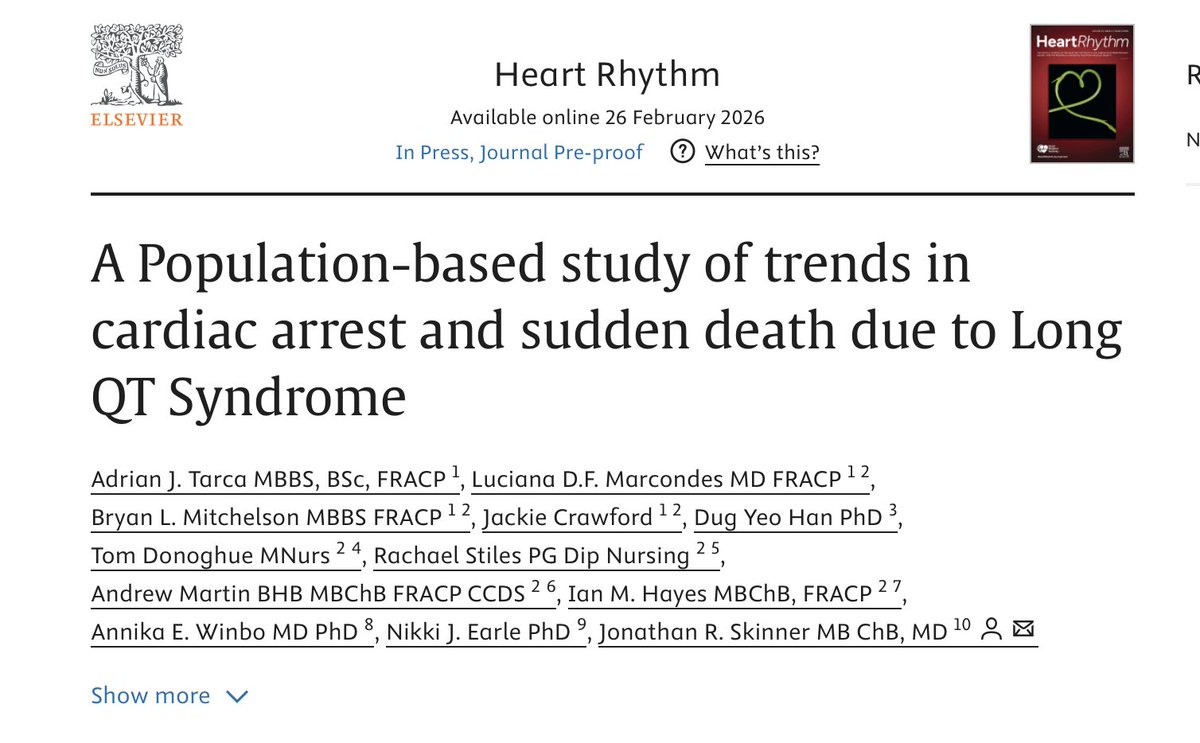
⚡ Can sudden death in Long QT syndrome be prevented at a population level?
For years, we’ve managed Long QT syndrome patient by patient.
But this study asks a bigger question:
👉 What happens when you manage it as a system?
📊 24 years of data. One clear message.
In a nationwide New Zealand cohort:
✔️ 915 patients identified
✔️ 60% diagnosed through family screening (before symptoms)
✔️ Severe presentations ↓ 6% per year
✔️ Sudden death ↓ 22% per year after 2014
✔️ No LQTS-related deaths from 2019–2023
👉 Yes — zero deaths in recent years
🔬 Why did this work?
The answer is not a single therapy, but a system:
🧬 National registry
👨👩👧 Cascade family screening
⚰️ Molecular autopsy after sudden death
🏥 Centralised multidisciplinary expertise
➡️ As shown in the study figures, detection increased early,
while cardiac arrest and death steadily declined over time
💡 A paradigm shift
We often think of inherited arrhythmias as:
❌ unpredictable
❌ catastrophic
❌ diagnosed too late
This study shows they can become:
✔️ identifiable
✔️ manageable
✔️ preventable
⚠️ But equity still matters:
▪️ Lower genetic yield in Māori and Pacific populations
▪️ Higher rate of severe presentations in underrepresented groups
👉 Precision medicine must also be inclusive medicine
🎯 Take-home message
This is not just about Long QT syndrome.
This is about how organisation, genetics, and prevention can transform outcomes.
👉 Sudden cardiac death is not always inevitable.
Sometimes, it is a systems failure we can fix.
💬 Should national inherited cardiac disease programs become the standard of care worldwide?
#Cardiology #LongQT #SuddenCardiacDeath #Genetics
#PrecisionMedicine #Prevention #EPeeps #CardioTwitter 🫀⚡
https://t.co/jtRqHPt1TV
Hallucinated citations are polluting the scientific literature. What can be done?
Tens of thousands of publications from 2025 might include invalid references generated by AI, a Nature analysis suggests. https://t.co/mNZj2yO3mm
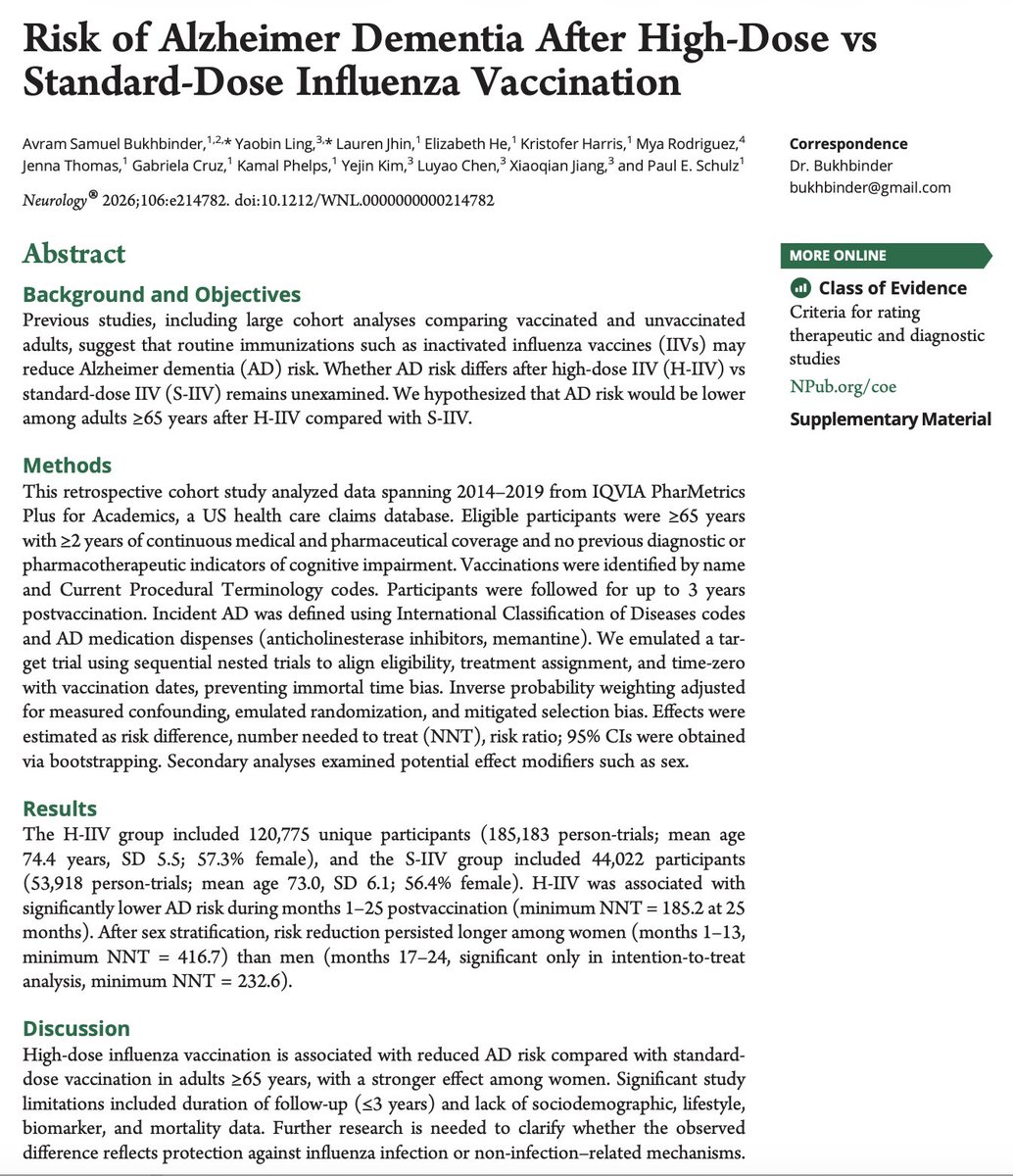
We've seen the Shingles vaccine is linked with reduced risk of Alzheimer's and dementias in 4 large natural experiments.
Today, the potential of high-dose flu vaccines vs standard dose for the same in a large retrospective age 65+ cohort [N>160,000). More pronounced in women (like Shingles vaccine)
https://t.co/dxYzURf7QH