Wa alaykumussalam warahmatullah.
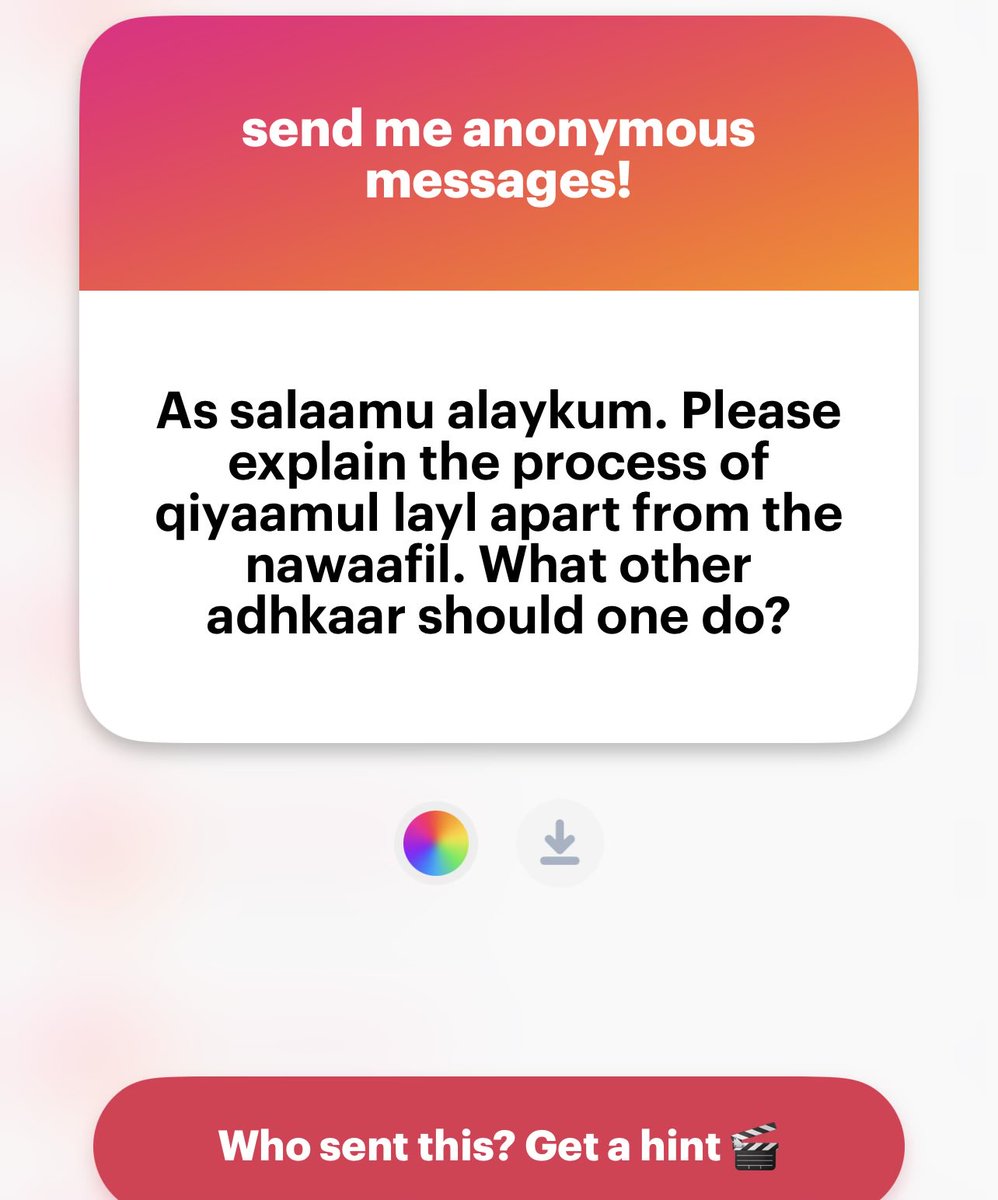
Qiyam al-Layl means standing the night in worship. It is a complete spiritual experience that goes far beyond just the units of prayer you offer on the mat.
If you want to build a deep night routine outside of the voluntary prayers, you can structure your time with these powerful acts of worship:
1) The moment you wake up, before making wudhu, wipe the sleep from your face and recite the last ten verses of Surah Ali 'Imran. The Prophet (peace be upon him) used to do this to ground his heart and reflect on the creation of the heavens and the earth before starting his night worship.
2) Spend time with deep Quranic reflection. Do not just rush through pages to finish a chapter. Read slowly.
When you come across a verse about mercy, stop and ask Allah for His mercy. When you read a verse about punishment, pause and seek protection. This turns your recitation into a real conversation with the Creator.
3) Dedicate the final window before Fajr to Istighfar. The last twenty to thirty minutes before the adhan is the time of Sahar. Allah praises the believers in the Quran specifically for seeking forgiveness during these late hours. Sit quietly and focus entirely on asking for pardon.
4) Make intense, personal Du'a. The last third of the night is when Allah descends to the lowest heaven, asking who is seeking from Him so He can grant it. This is your private audience with the King. Speak straight from your heart in your own language and lay down all your burdens.
You can also fill the gaps between these actions with general adhkaar, especially sending blessings upon the Prophet, saying SubhanAllah, Alhamdulillah, and La ilaha illa Allah.
Lastly, know that Qiyam is about companionship with Allah when the world is asleep. Mixing up these actions keeps your heart alive, focused, and fully engaged throughout the night.
Allah knows best.
📌 Mastering a GROWTH MINDSET.
🔸️ See challenges as opportunities
🔸️ Learn from mistakes quickly
🔸️ Focus on progress, not perfection
🔸️ Stay curious and keep improving
🔸️ Embrace effort as part of success
Growth starts with how you think 💪
👉 Follow @BetterYouSkills for Actionable Tips on Soft Skills + Growth.
#GrowthMindset #Success #PersonalGrowth
If you are planning to marry a woman, stop asking childish questions like:
“What’s your favorite color?”
“What’s your favorite food?”
“Who is your celebrity crush?”
Those questions won’t help you know her.
Ask her THESE instead- and you will know who she really is......
Ibn al-Qayyim:
• When someone reads the Quran with reflection and comes across a verse their heart needs for healing, they should repeat it - even a hundred times, even the whole night
• Reading 1 verse contemplating is better than finishing the whole Quran without pondering
If you’re a Data Analyst, CRM Analyst, or aspiring Marketing Analyst who wants to move from Junior into senior-level commercial impact in the next 12 weeks, read this. 👇👇
You don’t get promoted for building dashboards.
You get promoted for influencing revenue.
Most analysts stop at reporting:
- CTR.
- Conversion rate.
- CPA.
Senior analysts answer:
Where should we scale?
What should we cut?
Why did revenue move?
What do we do next?
That’s a different level of thinking.
So I built a 12-week practical roadmap designed to move you from metric reporting to commercial decision-making.
No theory-heavy fluff.
No passive courses.
No random portfolio projects.
Just 7 real-world builds using real datasets:
• Campaign ROI & budget reallocation
• Conversion prediction (lead scoring)
• A/B testing with statistical confidence
• RFM segmentation for retention strategy
• Churn risk analysis
• Cohort retention modelling
• Marketing mix & incrementality thinking
By the end, you’ll have:
• 6–8 commercial case studies
• A strong public portfolio
• Clear KPI fluency
• Interview-ready impact stories
This is how you transition from “analyst” to revenue operator.
If that’s your goal, reply ROADMAP, REPOST, and I’ll share it to your DM.
I wrote this when I clocked 50
last year, read and learn
50 at Last: 20 Lessons I Wish I Knew in My 20s
1. You’re Not Late—You’re Just Early for Your Time.
Comparison is a killer. Everyone’s clock is different. I gained admission at 30 and still made it count.
2. Poverty Isn’t a Mindset—It’s a System.
But you can learn your way out of it. Slowly, steadily, one skill at a time. Consistency over intensity
3. Read Books, Even If You Don't Like School.
Books gave me mentors I couldn’t afford. Some changed my thinking forever.
I'll recommend Rich Dad, Poor Dad by Robert Kiyosaki, Think and Grow Rich by Napoleon Hill, Hot to Sell to Nigerians by Akin Alabi, etc.
4. Learn a Skill—Any Skill.
Not just degrees. Skills open doors that certificates can’t. If you aren't tech-savvy, consider "hand works" such as plumbing, auto repairs, etc.
5. Nobody’s Coming to Save You.
Not government, not rich uncles. It’s tough, but it means your life is in your hands. Over dependence on people will strip you of your dignity, it will give you unknown enemies
6. Start Small, But Start Smart.
I wasted years chasing "big" moves instead of consistent small wins. Lessons already learned. Don't waste your time looking for a multi-million Naira deals - make do with the little ones around you and gradually build up your wealth
7. Keep Records.
Money, habits, ideas—track them. You can’t grow what you don’t measure. Keeping records shows you your wins and losses, strength and weakness - enough data to make necessary adjustments and grow
8. Don’t Borrow to Impress.
I did. Regret followed. Silence is better than fake wealth. Live within your means and save for the rainy day
9. Find Older Mentors, Even If They’re Not Rich.
Wisdom is hidden in people who’ve failed well. I ignored one so the most important piece of advise immediately after my wedding - it ended in premium tears
10. Learn to Sell—Yourself, Your Work, or an Idea.
Selling isn’t dirty. It’s survival. Whoever you are, learn marketing - the knowledge may make a huge difference between failure and success
11. Your Health Is Your First Investment.
Sleep, water, walks. I ignored these and paid with compromised health. Don’t.
12. Internet Isn’t Just for Fun—It’s for Fortune.
YouTube taught me skills school never did. The web is a goldmine. And absolutely free!
13. Jobs Are Temporary—Skills Stay Forever.
I did odd jobs. They paid bills. My skills built futures.
14. Build Relationships, Not Just Connections.
People helped me when I had nothing—because I was real, not transactional. I appreciate every one of you.
15. Don’t Be Too Proud to Start Over.
Starting college at 30 humbled me. But it built me. I learned from my younger mates, my story is incomplete without their contributions.
16. Document Your Journey.
I wish I had journals or photos from my my hustling days - commercial motorcycling, well digging, block making. Legacy starts with memory and keeps you humble.
17. Learn Basic Tech Early.
It’s the new literacy. I came late—don’t make the same mistake.
18. Save Something—Even ₦500.
Not for emergencies, but for discipline. Consider platforms like PiggyVest, OPay, PalmPay, etc
19. Speak Kindly to Yourself.
I punished myself more than life did. You don’t have to. Enjoy every minute and celebrate your small wina
20. Your Story Matters—Even the Messy Parts.
Because someone else is living it right now. And you can be their light.
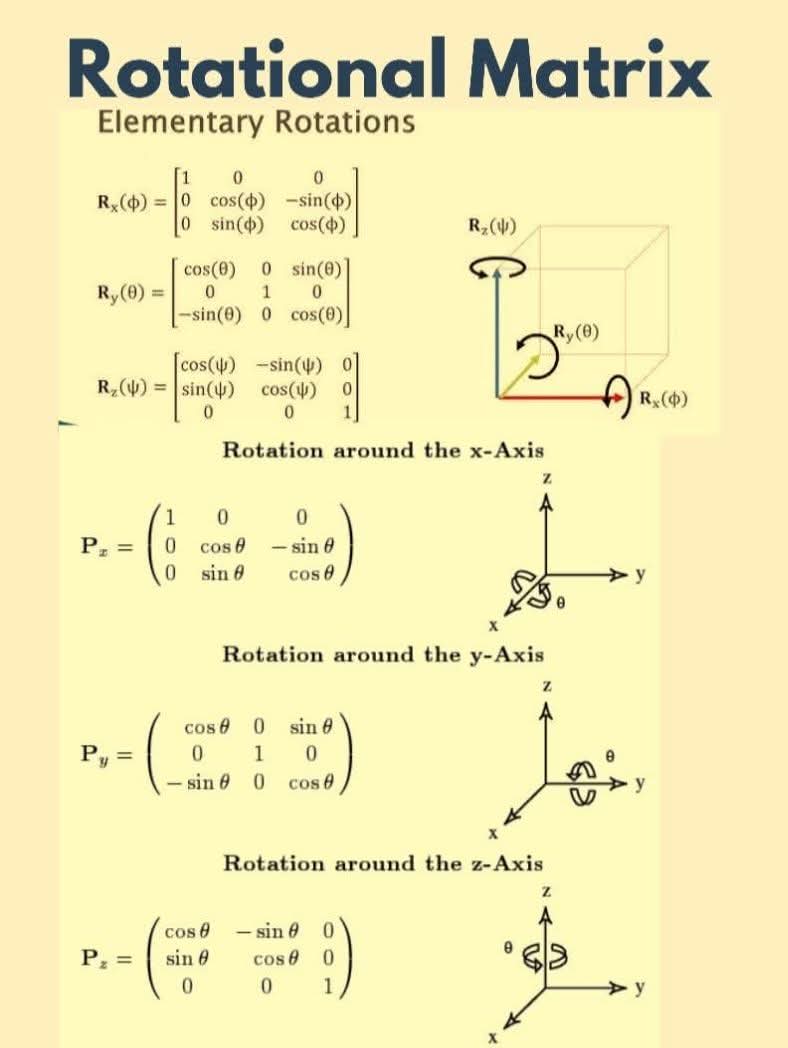
I’m 54, a physicist, have spent decades using mathematics to study the universe, solve problems, and build things.
If your work touches numbers, now or in the future, and you want to learn math properly, this thread shows a from-the-ground-up math you’ll actually need: