I turned up some specimens from Inner Mongolia in our herbarium. I'd appreciate help identifying them, if anyone is so inclined. Here are my guesses so far:
1. Linum
2. [don't have a good guess at the moment]
3. Thalictrum
4. Dianthus
5. Potentilla
...
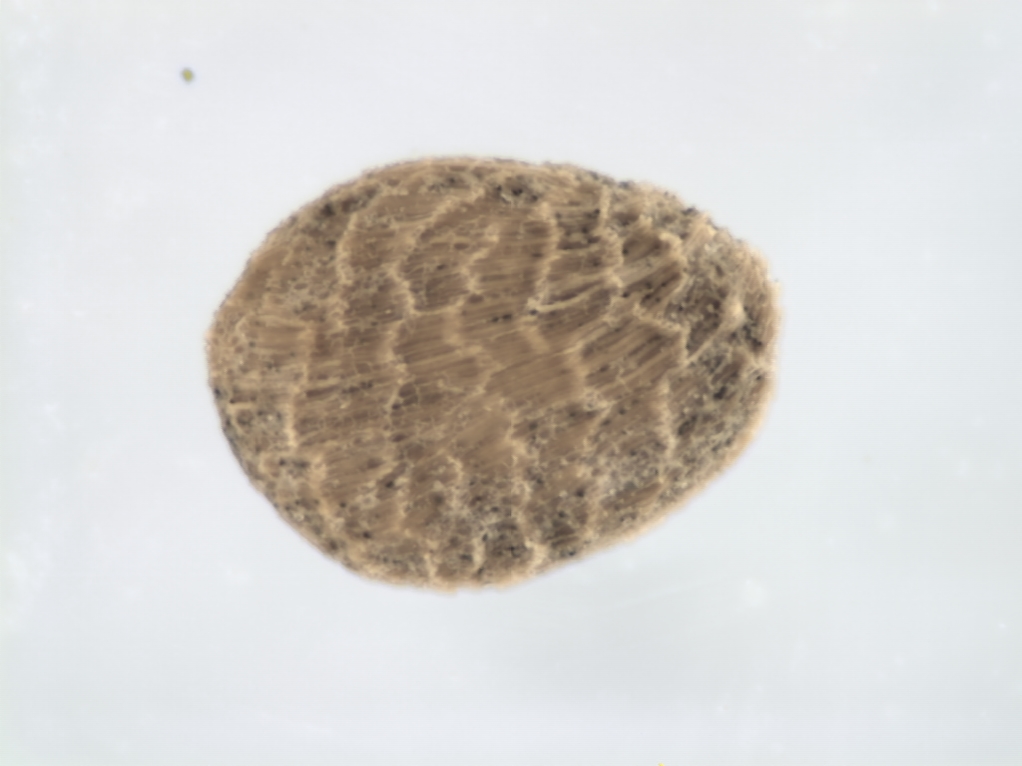
@aprasanthr Thanks for the tip. The seeds I have are obovate and somewhat flattened. Here is a light microscope image, not the best quality, but maybe helpful. I'm not sure it's a perfect match for Rotala, but maybe something related?
I'm working on a project to identify propagules in soil cores, and we're having trouble identifying this seed. Any ideas? The other seeds in the sample are aquatic and wetland plants.
Kira Suresh et al. show that the efficiency of suberized plant/environment interfaces as transpiration barriers is not established by the suberin polymer but by the wax molecules sorbed to the suberin polymer.
Their work is published in Planta.
https://t.co/agw2sgEVhM
#FungiFriday crossover event - #Mycoheterotroph plant alert! Found this beautiful specimen of #Hypopitys lanuginosa (Hairy #Pinesap) under oaks in Southern Appalachian Mountains this week. Plant lacks chlorophyll and subsists by tapping into #mycorrhizal networks in forest floor.
@sarahbcarey@ASPB@aeharkess I have access to DNA extracts from many Nymphoides species, and I'd be happy to chat if you want to include this genus in your project.
@sarahbcarey@ASPB@aeharkess I've studied the aquatic genus Nymphoides, which has a handful of dioecious species, including two native to North America. There is an open question about the genetics of dioecy and how it relates to heterostyly, which is widespread in Menyanthaceae.
Water pollination?!?! Check out @mltaylor1983’s wonderful talk on the pollination process in the water pollinated Stuckenia in the Reproductive Processes III session. #Botany2022