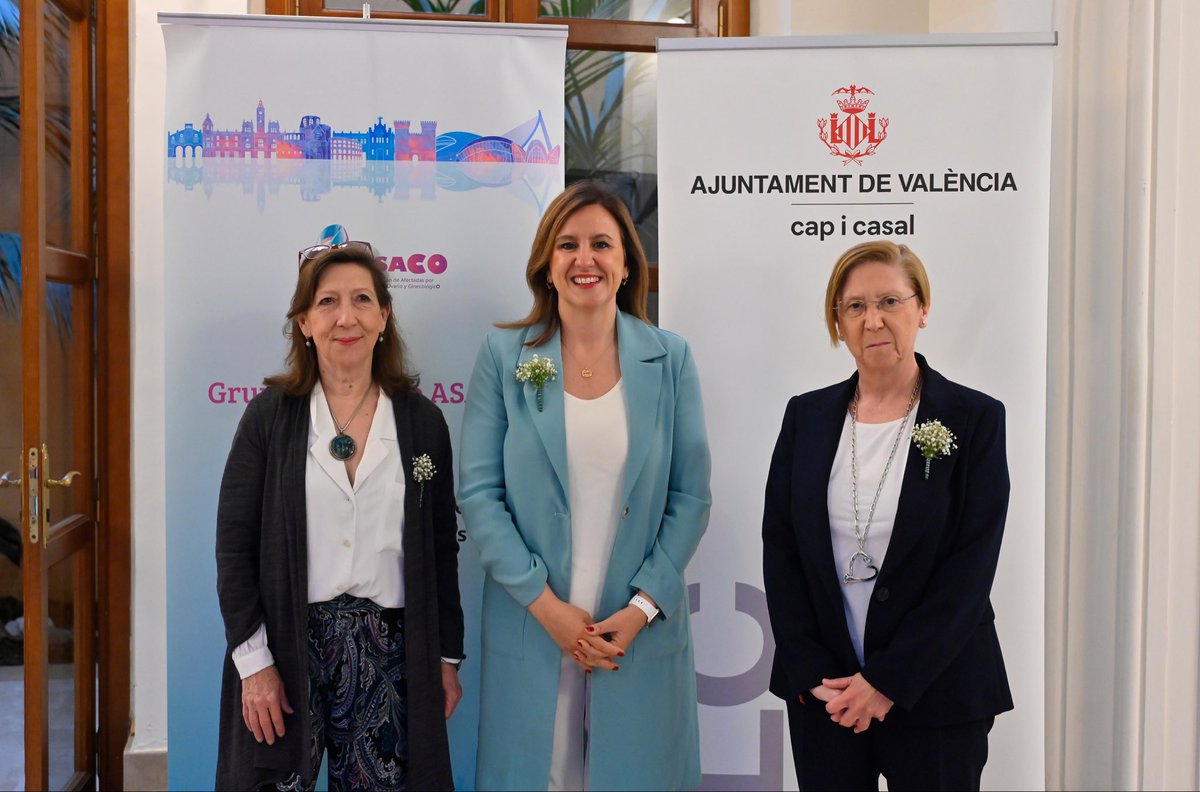
Las jornadas organizadas por @asociacionASACO son una cita necesaria para la visibilización y concienciación en el marco del #DíaMundialCáncerDeOvario.
Gracias por impulsar espacios de información y apoyo para pacientes y familias, poniendo el foco en los avances médicos y la importancia de no sentirse solas nunca.
Detrás de cada tratamiento hay personas y enormes lecciones de vida. Valencia estará siempre a vuestro lado.
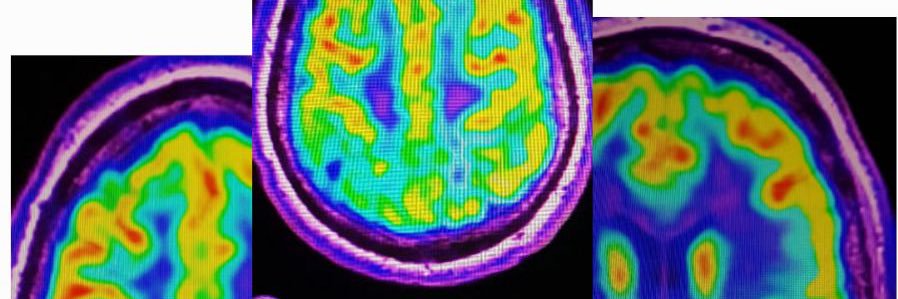
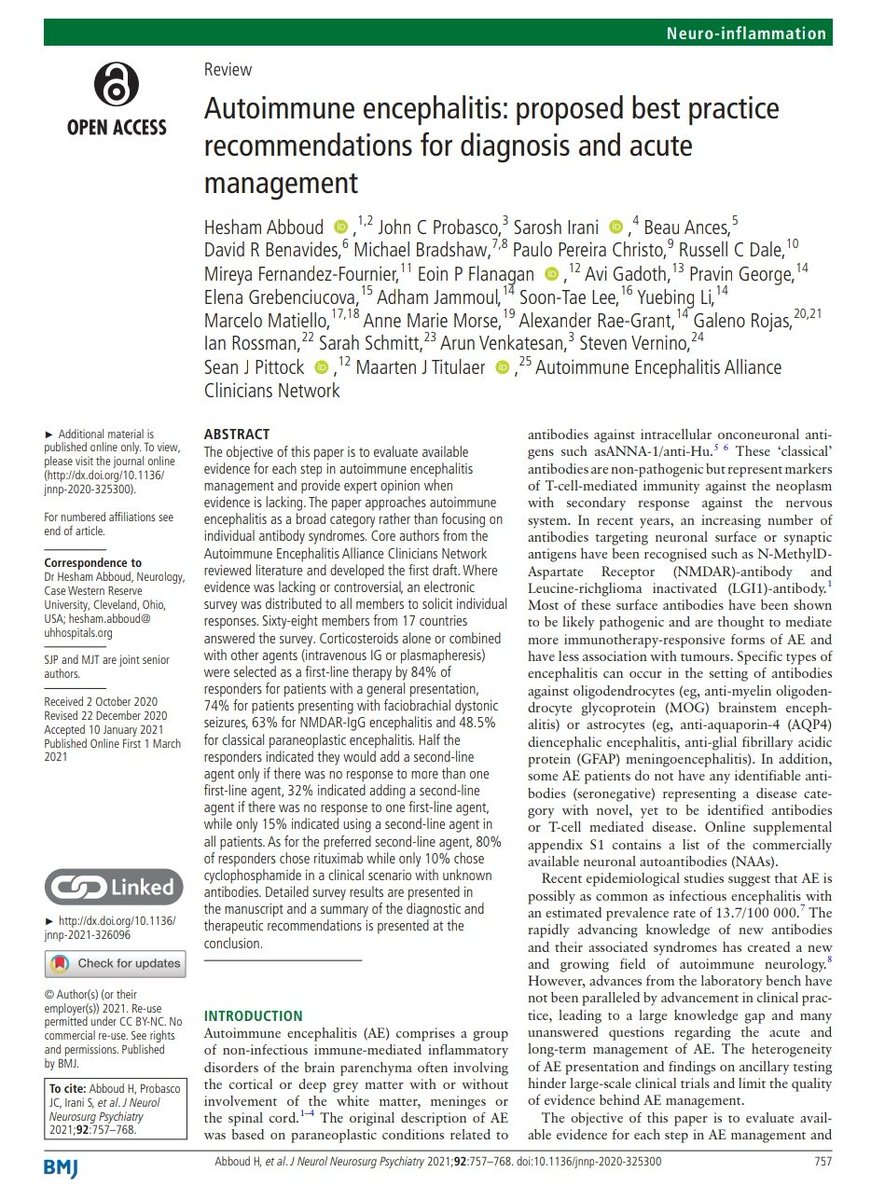
Diagnóstico y Manejo de la Encefalitis Autoinmune 🧠🧪
🔰📚Neurol Neurosurg Psychiatry
https://t.co/QjeNI6uw0a
Enlace a Artículo Completo 👇🏼✅🆓https://t.co/rPEDXf5xvO
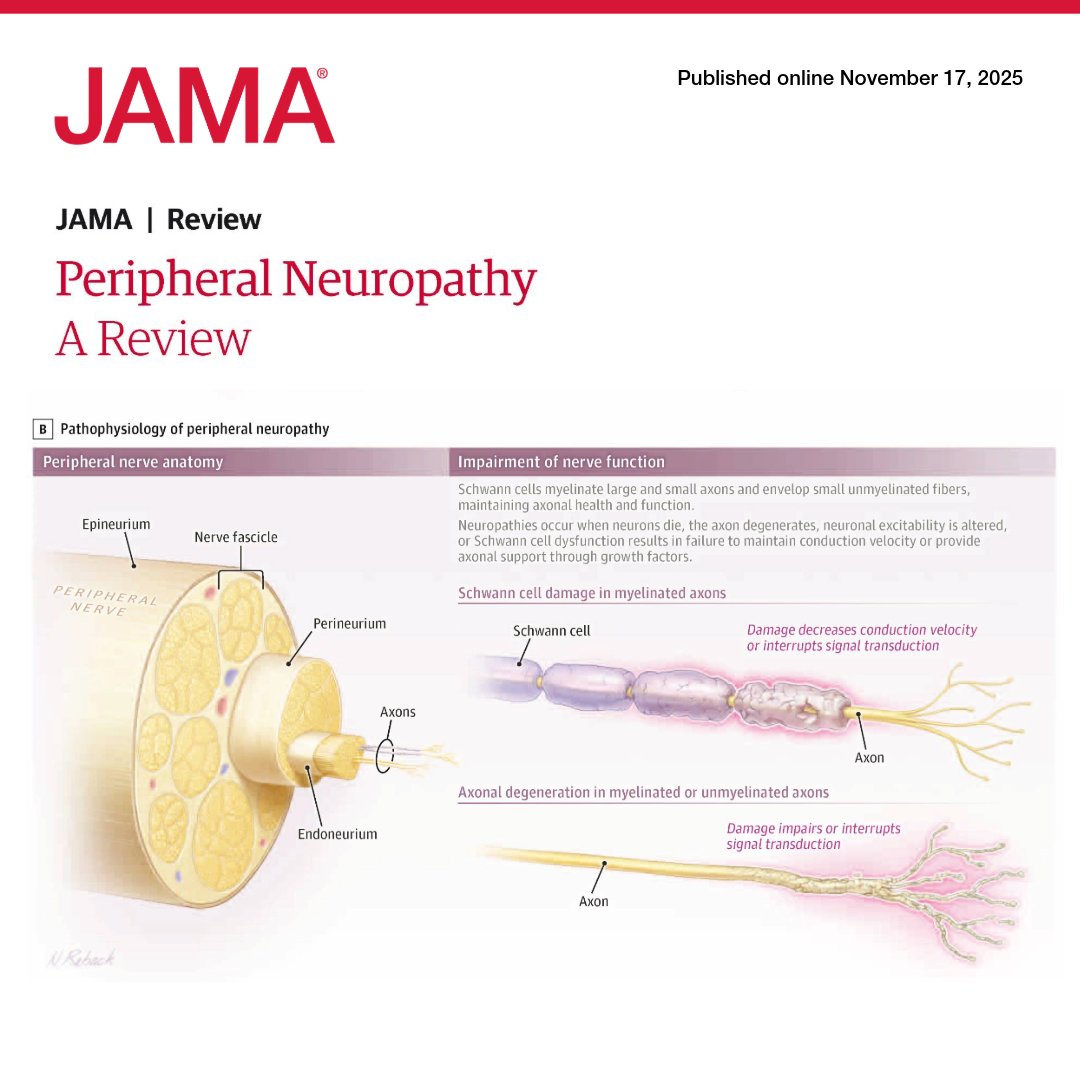
Peripheral neuropathy, defined as damage to the peripheral nerves, affects approximately 1% of adults worldwide.
This Review summarizes the pathophysiology, clinical presentation, diagnosis, and treatment of length-dependent peripheral neuropathy. 🧵
https://t.co/tgk8h7SdEL
Lo que debería ser la colaboración científica
En una época donde la inteligencia artificial puede escribir artículos, los telescopios ven el universo temprano y los laboratorios producen órganos en miniatura, la ciencia enfrenta un dilema silencioso: ha olvidado cómo colaborar.
Durante décadas, la colaboración científica fue sinónimo de intercambio intelectual: ideas que cruzaban fronteras, debates apasionados en pasillos de congresos, cartas entre mentes que discrepaban con elegancia. Hoy, sin embargo, la colaboración se ha burocratizado. Los correos rebotan entre comités, los nombres se inflan en los encabezados y las métricas reemplazan al asombro.
La colaboración verdadera no consiste en sumar afiliaciones ni en firmar un paper conjunto. Es un acto de confianza. Implica vulnerabilidad: mostrar datos imperfectos, admitir dudas, compartir fracasos. Significa reconocer que el conocimiento avanza no cuando alguien gana, sino cuando todos entienden un poco más.
Las mejores alianzas científicas nacen de la fricción. De un físico que discute con un biólogo molecular, de un médico que escucha a un ingeniero, de una bióloga que se sienta con un matemático. No se trata de uniformidad, sino de diversidad intelectual; de la mezcla que genera las chispas que iluminan descubrimientos.
En tiempos donde los incentivos académicos promueven la competencia y la autoría fragmentada, colaborar es un acto casi subversivo. Requiere resistir la tentación del crédito y recuperar la curiosidad compartida.
La ciencia necesita volver a ser conversación, no carrera. Necesita menos protocolos y más preguntas. Porque al final, el progreso no se mide en publicaciones ni en patentes, sino en la capacidad de mirar juntos lo desconocido y decir, con humildad: todavía no lo sabemos, pero busquémoslo juntos.
🚨 La IA no va a sustituir a los médicos… pero sí puede impedir que aprendan a pensar.
🧠 Según el New England Journal of Medicine, si se introduce demasiado pronto, atrofia el razonamiento clínico.
�� Al buen médico lo potencia
❌ Al malo lo empeora
Nada sustituirá el pensamiento crítico.
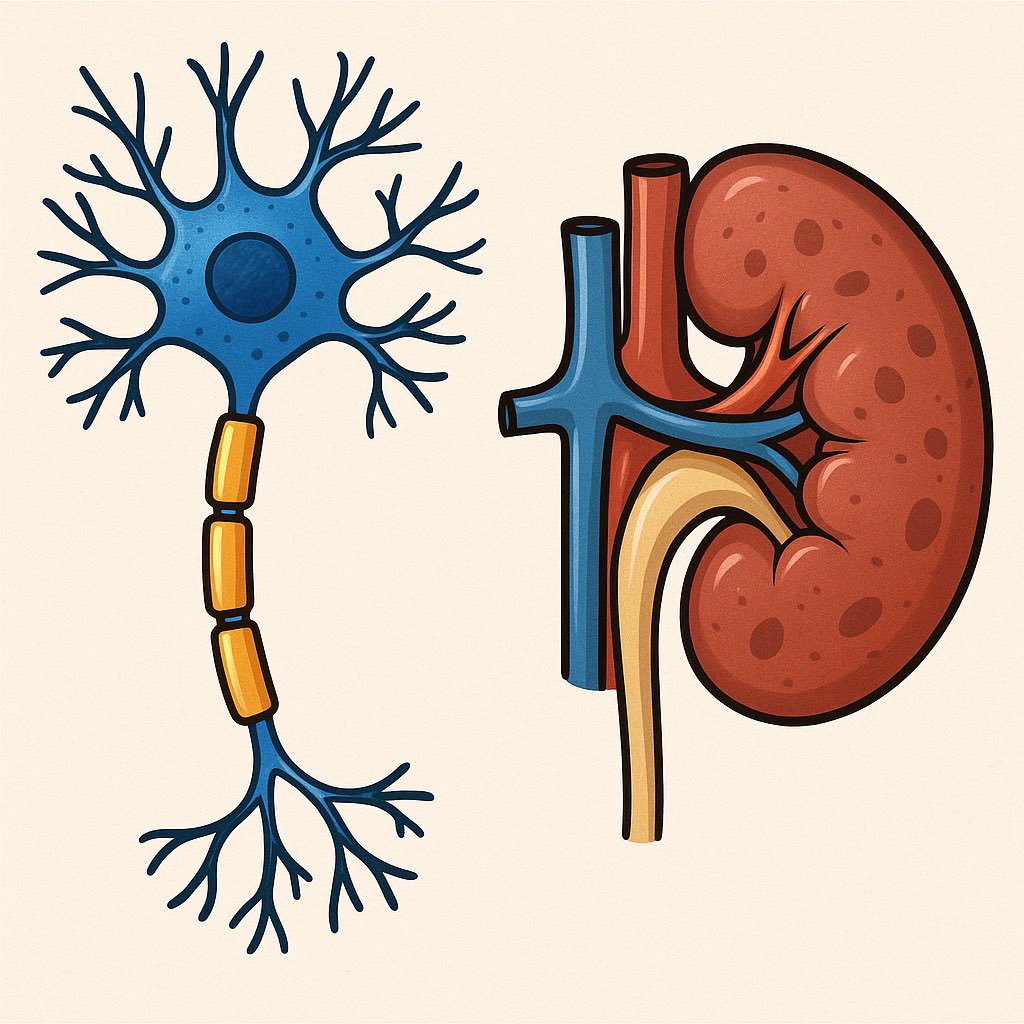
While it's uncommon to encounter a patient presenting with both peripheral neuropathy and nephrotic syndrome (>3 grams of proteinuria daily), these conditions can sometimes occur together. The most frequent causes are:
- Diabetes
- Amyloidosis
- Contactin-1 autoimmune nodopathy
- Lupus
- Paraneoplastic syndromes/POEMS
- Cryoglobulinemia
- HIV
- Hepatitis B and C
- INF2 gene Charcot-Marie-Tooth Disease
Quis custodiet ipsos custodes? "Who will watch the watchmen?" When anti-angiogenic therapy (Bevacizumab) given for radiation necrosis itself causes cerebral infarction. Check out our article on Symptomatic Bevacizumab-Induced Cerebral Infarction Following Treatment for Radiation Necrosis.. AIAN 2025
I used to always wonder why Temporal arteritis or Giant cell arteritis (GCA) only occurs above the age of 50.
It turns out that a variant of temporal arteritis in younger patients below 50 yrs does exist.
🌟Juvenile temporal arteritis [JTA] is a benign and local disease affecting patients younger than 50 years of age.
🌟Pts present with temporal pain and a lump in the temporal region.
🌟JTA can be unilateral or bilateral.
🌟However, systemic clinical symptoms such as asthenia, visual blurring are mild or absent unlike GCA.
🌟Upto a third of patients [34%] have peripheral blood eosinophilia >500/mm]
🌟ESR and CRP may or may not be elevated
🌟Great article in ➡️Autoimmunity Reviews, 2019-05-01, Volume 18, Issue 5, Pages 476-483
.
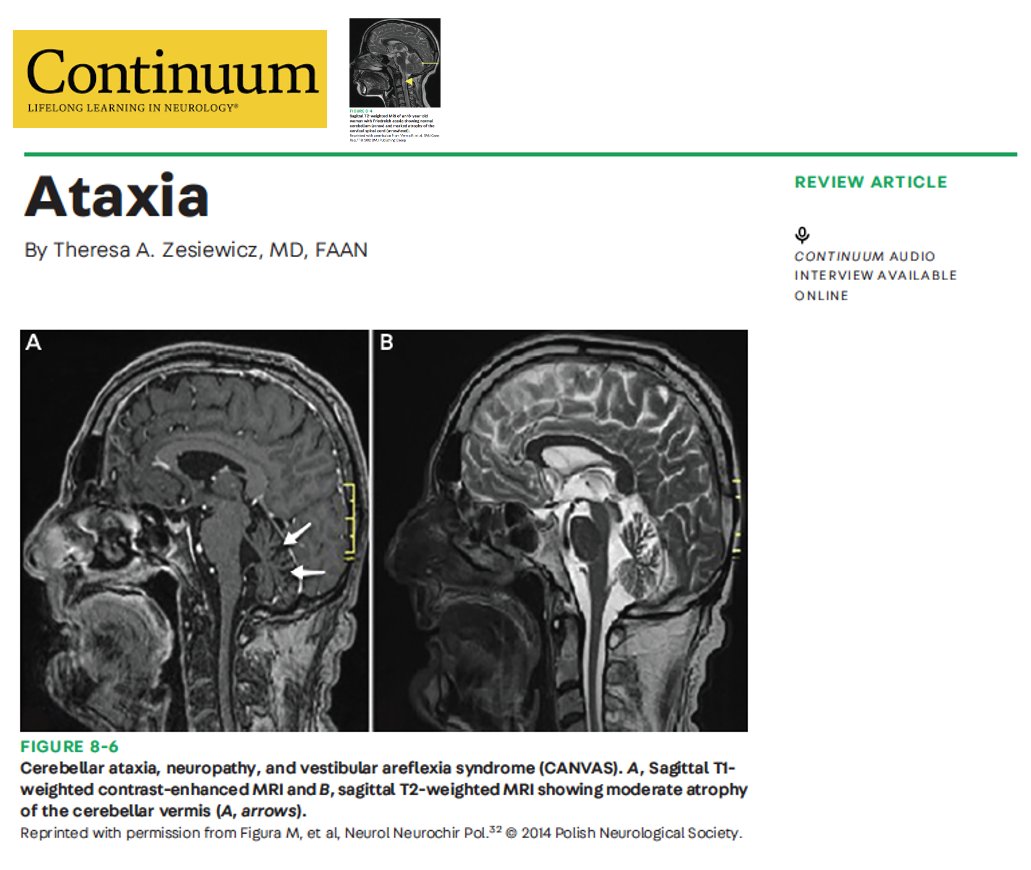
Do you know the 2025 updates for the diagnosis and treatment of ataxia? Can you identify the MRI hallmarks of ataxia? Do you know the new FDA approved drug for treatment? Do you know when and what to order for genetic testing? If you don't know about CANVAS and SCA 27b, you should stop and read this new paper in AAN's Continuum.
Key Points:
- Next-generation genetic testing, including whole-exome sequencing, is transforming diagnosis and uncovering new ataxia subtypes such as spinocerebellar ataxia type 27b.
- The first FDA-approved therapy for Friedreich ataxia, omaveloxolone showed sustained benefit over three years.
- Advances in neuroimaging, genetic counseling and clinical rating scales are improving diagnosis, tracking and facilitating personalized care.
My take: Ataxia used to be a 'black box' diagnosis, however now it is one we should not miss. Look at the MRI, examine the person and consider appropriate genetics. If Friedreich ataxia, try the new FDA approved treatment. Don't miss an associated cough, CANVAS or SCA 27b. Here are 5 points that resonated w/ me about this article: 1- Ataxia is a symptom of many brain and nerve disorders and it causes problems with balance, coordination and speech. There can also be emotional dysregulation. 2-New genetic tests can in many cases find the exact cause in more people, helping w/ family planning and connecting persons w/ disease more directly to research. 3- A new medicine for Friedreich ataxia, approved in 2023, can slow the disease and possibly keep people functioning longer. 4- Brain scans and special rating scales help doctors track the disease and choose better treatments. 5- Research is moving quickly, and there is hope for more targeted therapies.
https://t.co/Z6JSwPM65u #ataxia #cerebellum @AANmember@ContinuumAAN@FixelInstitute@movedisorder@AtaxiaUK@NAF_Ataxia @AtaxiaCentreUCL
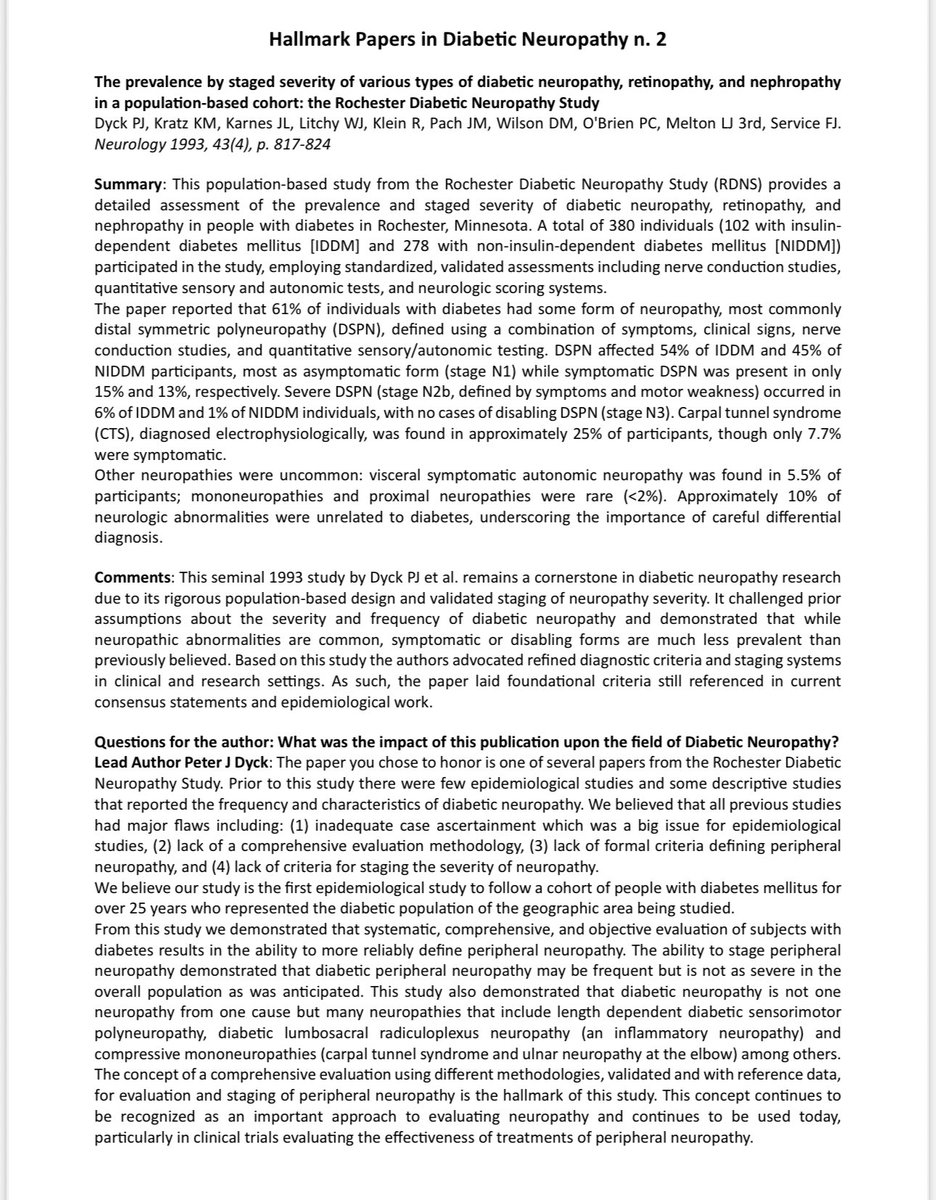
@Neurodiab_eu created this excellent summary of Dr. Dyck’s @GreenJournal seminal manuscript on the epidemiology of diabetic neuropathy. Their youth committee connected with Dr. Dyck a few months ago, and he wrote a comment about the study. Thank you for doing this, @Neurodiab_eu!
In this case-control study of patients with diabetes, we show that GLP1 receptor agonists increase the risk of diabetic lumbosacral radiculoplexus neuropathy (diabetic amyotrophy) in 51% and peroneal mononeuropathy in 30% compared to controls @GreenJournal https://t.co/xniLuLzDEv
Would you call a crab walk gait a functional neurological disorder? Not so fast. If you encounter someone walk with tiny, sideways shuffling steps, kinda like a crab, it could be a clue. In a striking case just published by Fraiman and colleagues, a crab walk-like helped to uncover a rare but important white matter brain disease called CSF1R-related leukoencephalopathy.
Key Points:
- A short-stepped laterally swaying crab-like gait may be an early sign of a higher-level gait disorder.
- This disorder could originate from the brain’s motor planning centers, and not muscles or nerves.
- These gait patterns may signal frontal lobe dysfunction, especially when strength, sensation and coordination remain intact.
- When paired w/ behavioral symptoms and frontal white matter changes on MRI, this gait pattern may point to CSF1R-related leukoencephalopathy.
- This syndrome is an underrecognized adult-onset leukodystrophy.
My take: My mentor used to teach that a great neurologist always walked their patients to the examination room and in many cases he/she would clinch the diagnosis even before the door was shut and the vital signs collected. Here are 5 points that resonated w/ me about this case. 1- A strange walk might be a warning sign. Don't jump to a functional diagnosis if you see a sideways walk. 2- The brain can be the source of walking challenges even when the legs are strong. 3- White matter diseases can show up as a funny walk. Memory and speech challenges may emerge later. 4-Don’t ignore personality or speech changes. Disinhibition, apathy or trouble finding words acould point to a deeper brain condition. 5- A brain MRI and genetic test can unlock the mystery.
https://t.co/iAwF5WN19Z #parkinson @ParkinsonDotOrg@FixelInstitute
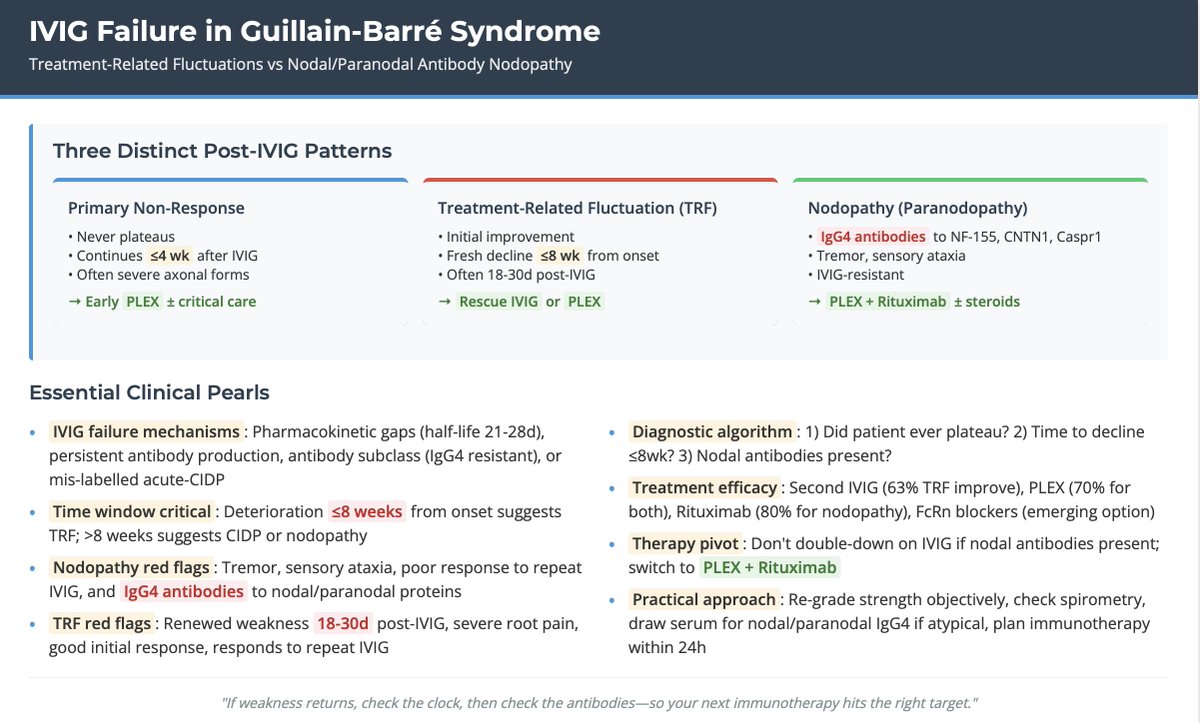
Up to 1 in 10 GBS patients stall—or even slide backward—despite their “miracle” IVIG course.
Overlooking this critical red-flag moment means neurons lost and precious opportunities missed.
Let's carefully dissect why IVIG sometimes falls short, and how to swiftly pivot treatment strategies before paralysis gains ground.
Understanding these setbacks clearly today helps us safeguard function and guide patients confidently toward recovery tomorrow.
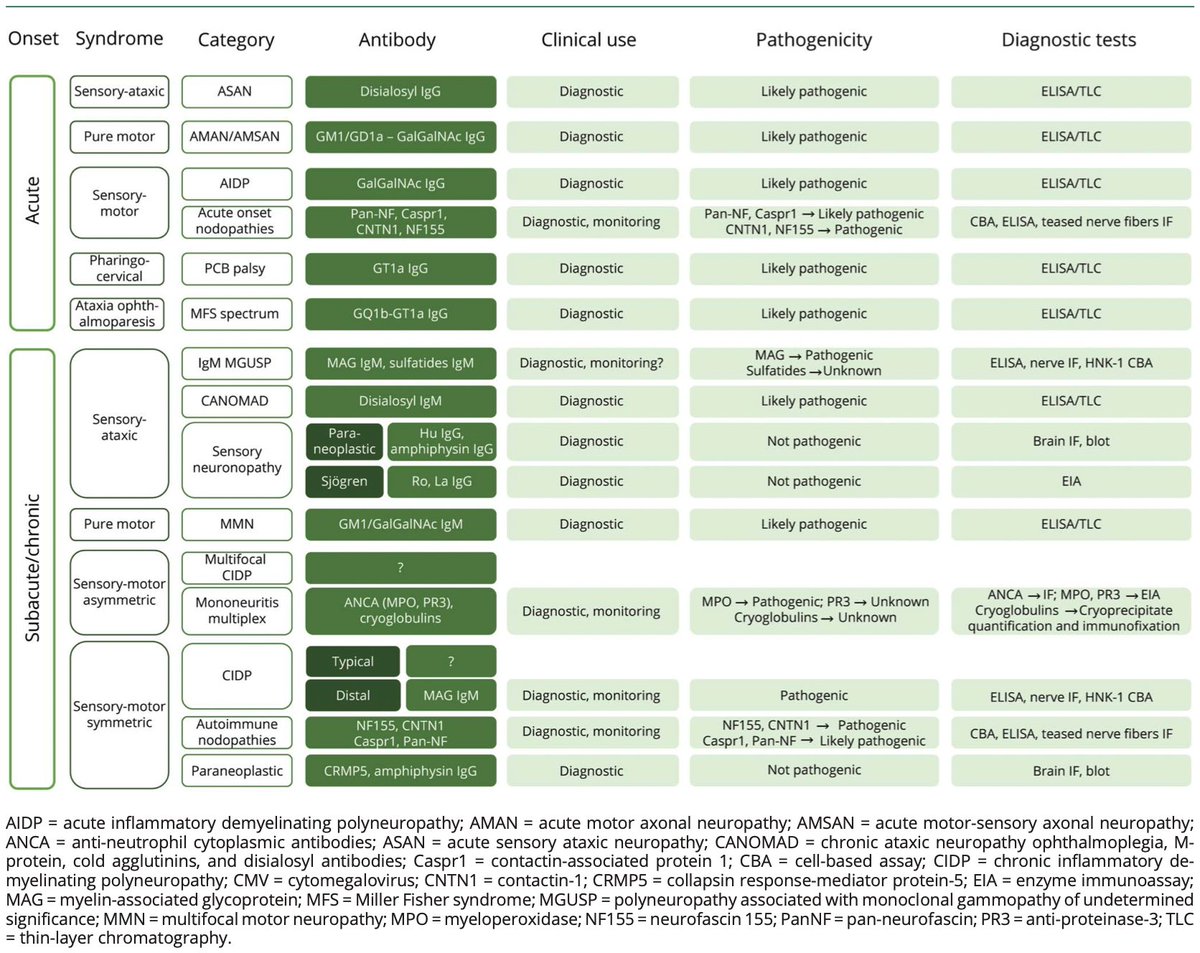
🚩Anticuerpos en neuropatías autoinmunes: síndromes clínicos asociados y categorías diagnósticas, uso clínico, patogenicidad y pruebas diagnósticas.
Neurology. 2025 Feb 11;104(3):e210298.
#Neurología#MedicinaInterna
Fascinating study. Brings light into why ALS is more common in former professional athletes, as has been shown in multiple epidemiologic cohorts.
Extreme exercise in males is linked to mTOR signalling and onset of amyotrophic lateral sclerosis https://t.co/YyMTrICByx










![XRPL__A's tweet photo. I used to always wonder why Temporal arteritis or Giant cell arteritis (GCA) only occurs above the age of 50.
It turns out that a variant of temporal arteritis in younger patients below 50 yrs does exist.
🌟Juvenile temporal arteritis [JTA] is a benign and local disease affecting patients younger than 50 years of age.
🌟Pts present with temporal pain and a lump in the temporal region.
🌟JTA can be unilateral or bilateral.
🌟However, systemic clinical symptoms such as asthenia, visual blurring are mild or absent unlike GCA.
🌟Upto a third of patients [34%] have peripheral blood eosinophilia >500/mm]
🌟ESR and CRP may or may not be elevated
🌟Great article in ➡️Autoimmunity Reviews, 2019-05-01, Volume 18, Issue 5, Pages 476-483
.](https://pbs.twimg.com/media/GkNzvKnbUAIsR3E.jpg)