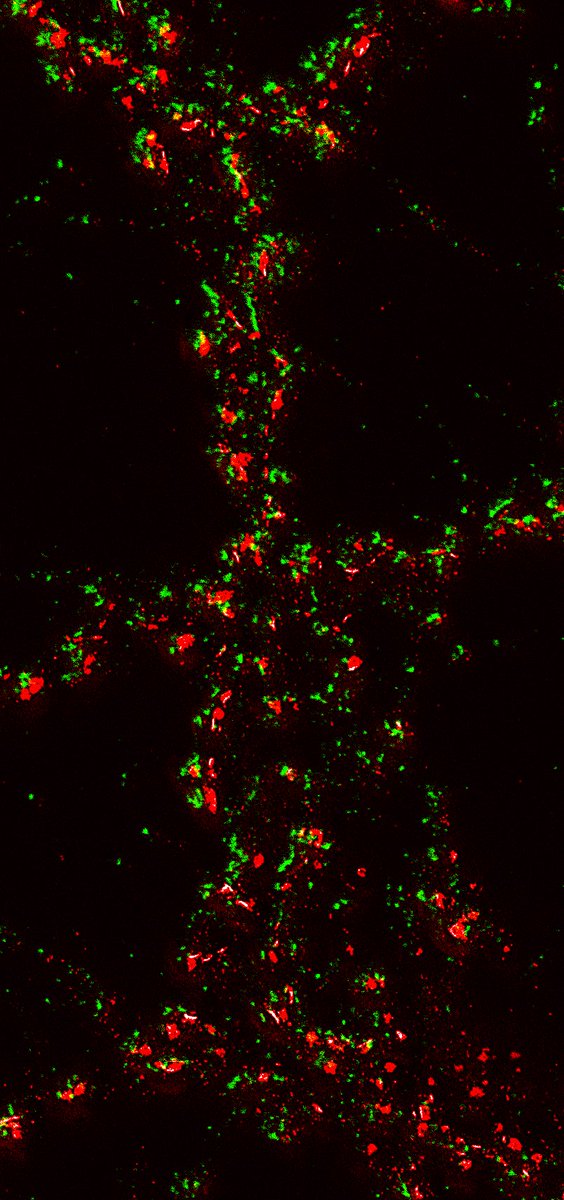
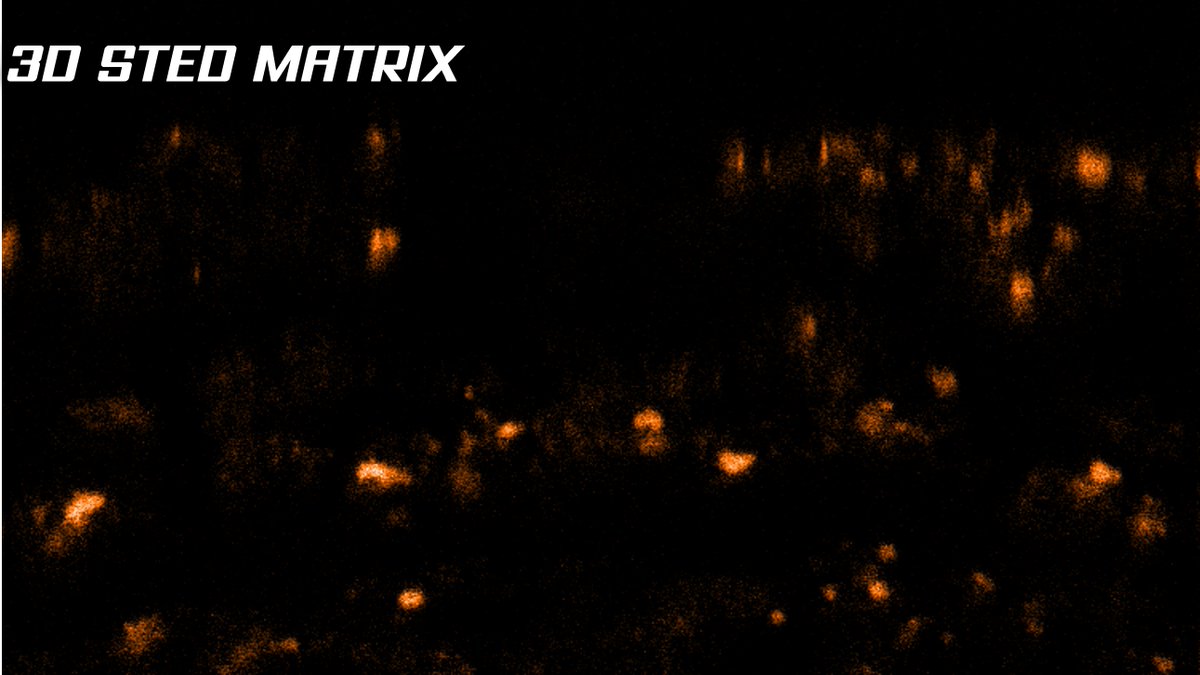
🔬 Do you use super-resolution microscopy for your research?
If you want to learn more about the different methods of STED and MINFLUX nanoscopy, apply for our #EMBLSTED_MINFLUX course 📝
📅 21 – 26 October 2024
📍 EMBL Heidelberg
➡️ Apply by July 29
🔗 https://t.co/do1An6jEsC
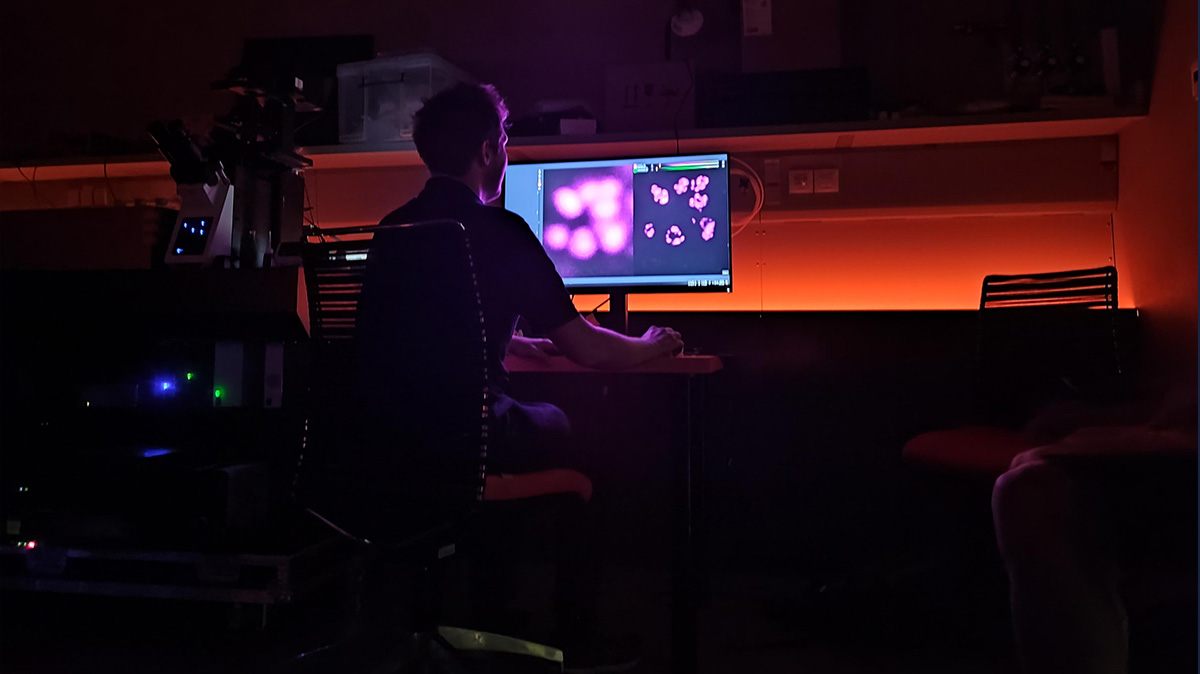
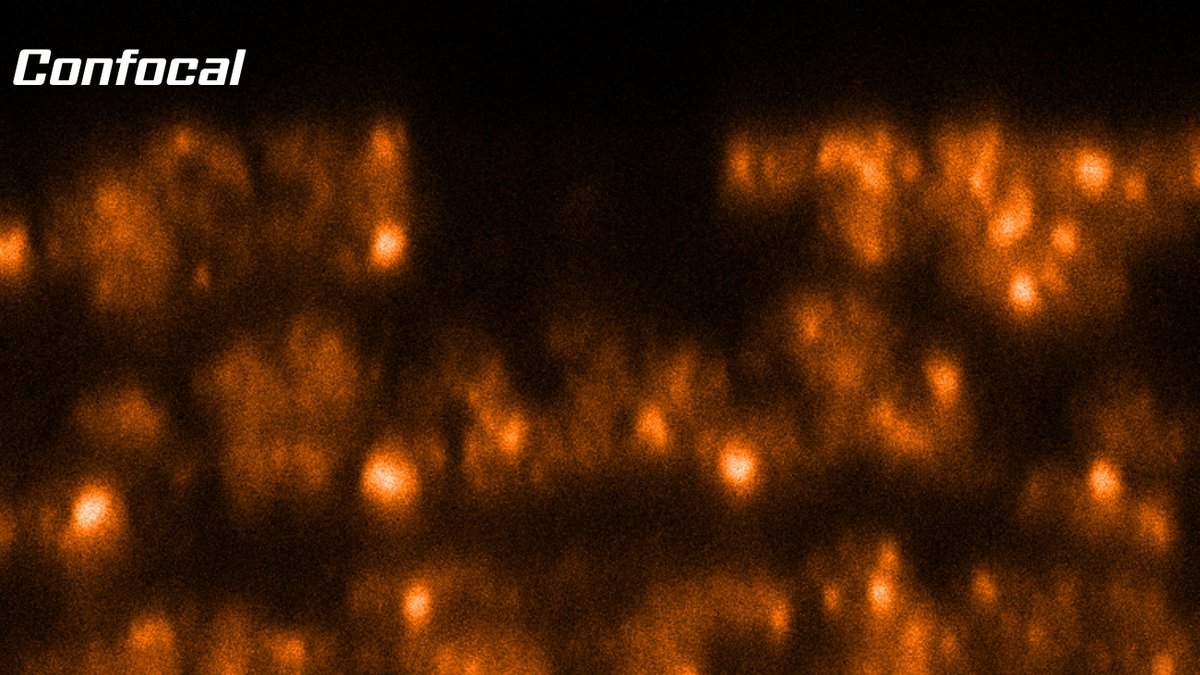
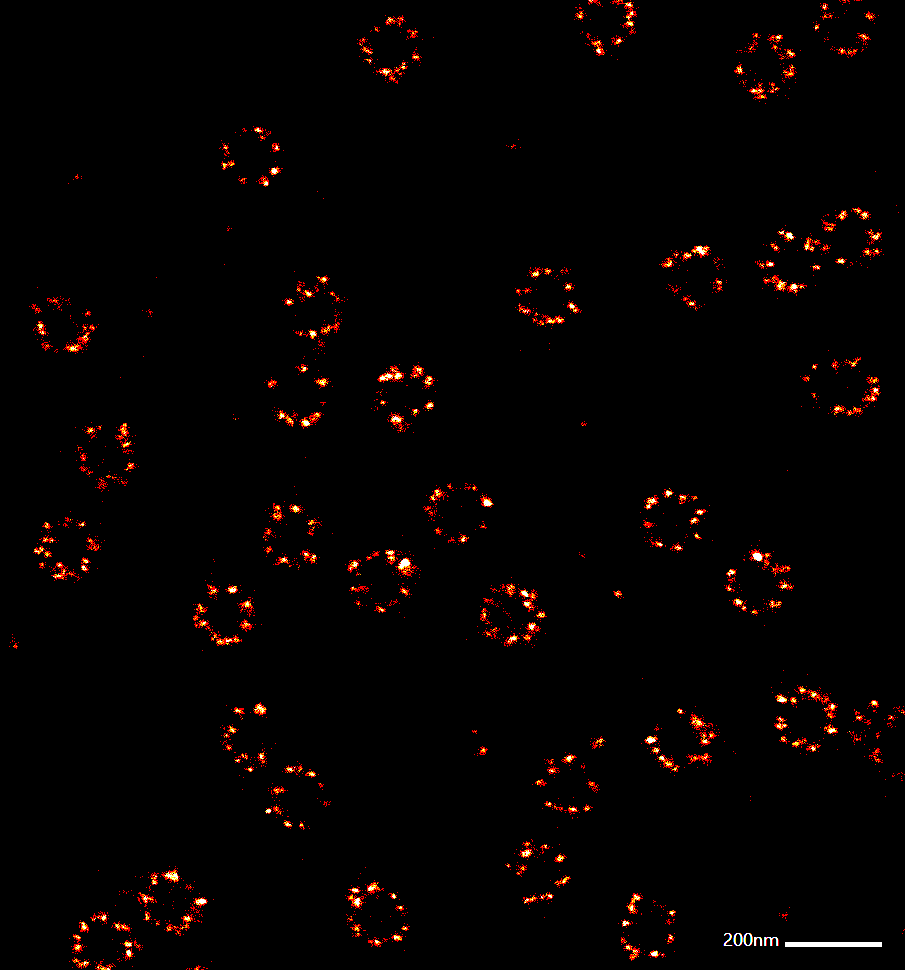
#STED shows a new and unexpected facet of its capabilities: quick, effective and precise fluorophore tracking. #MINFLUX. Good work Henrik, Lukas, Michael, Mira...
Since the discovery of CRISPR-Cas systems, people have wondered if a similar type of system exists in eukaryotes. Today, we report in @Nature the characterization of Fanzor, a eukaryotic RNA-guided system that can be reprogrammed for human genome editing. https://t.co/aKLMMEBRkk
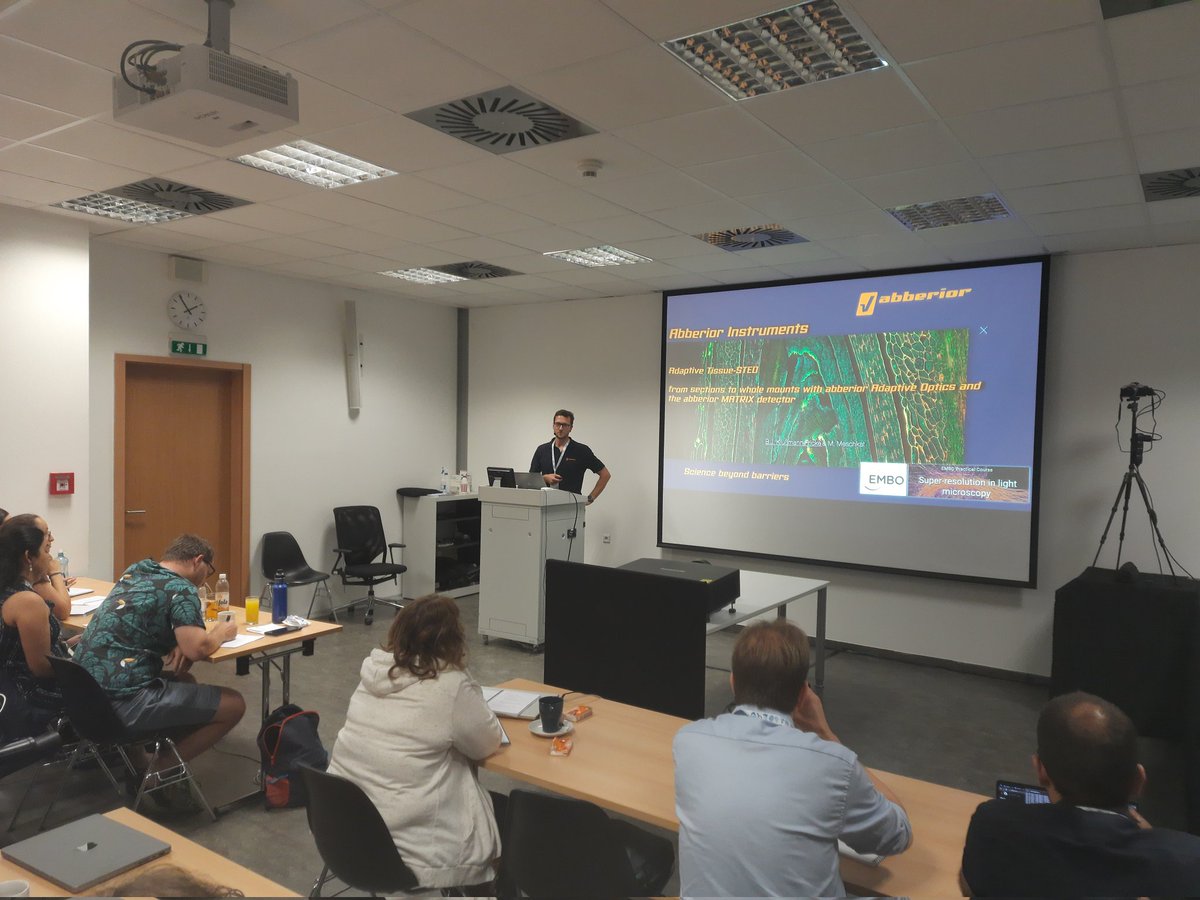
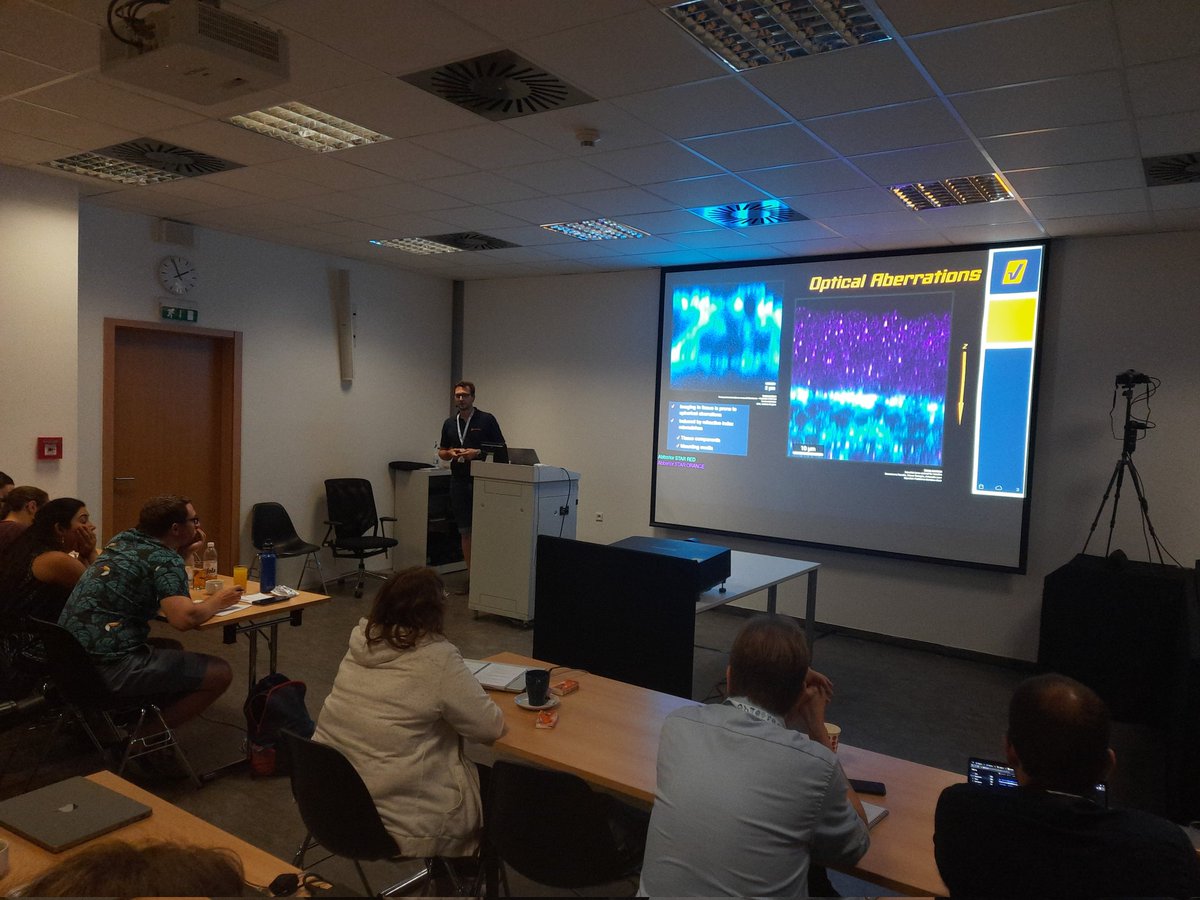
For the final talk of todays scientific session #EMBOsuperResMicroscopy Bastian Klußmann-Fricke @Abberior explains optical aberrations in complex samples and a possible solution with their adaptive (optics) Tissue-STED.
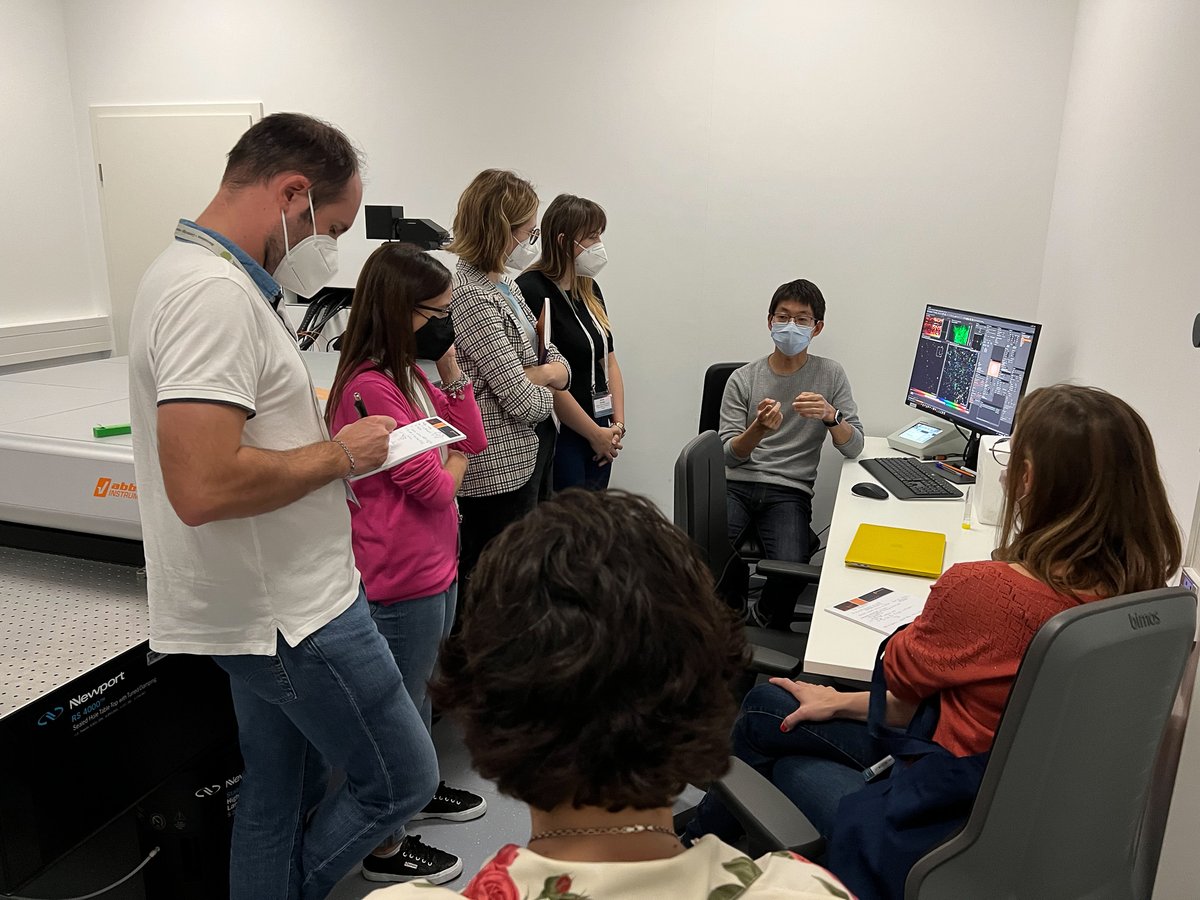
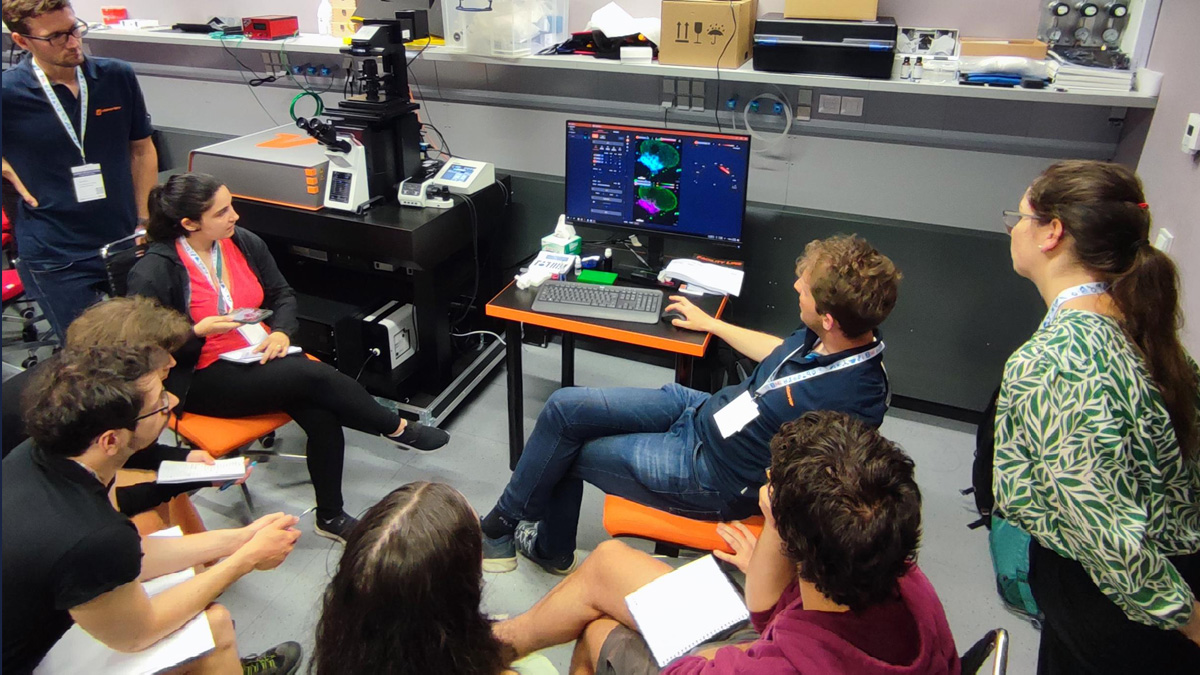
Happy to join your great course with our @Abberior Facility Line. We are looking Forward to some great discussions and awesome pictures! #EMBOsuperResMicroscopy in #Prague
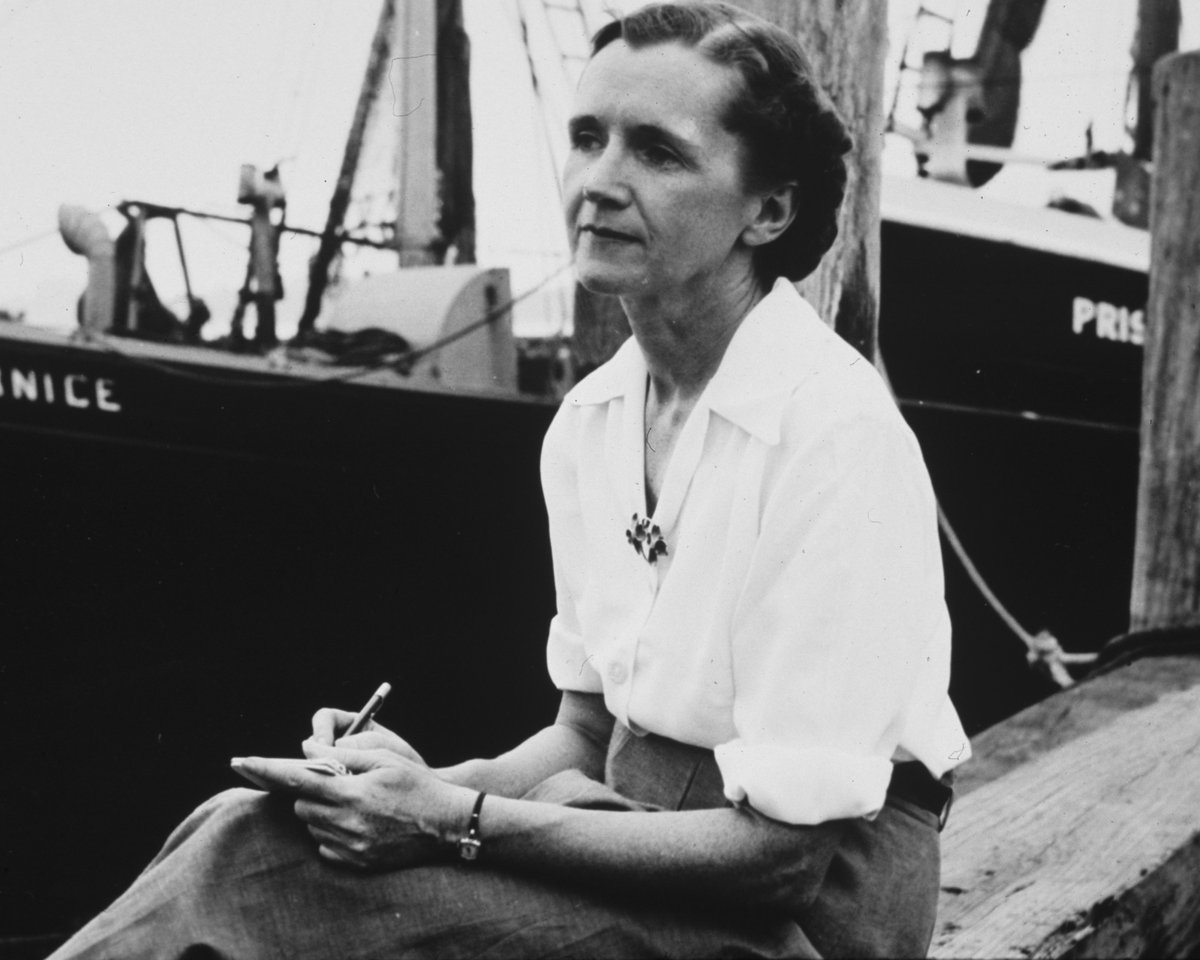
"In nature, nothing exists alone." #RachelCarson, biologist, writer & environmental trailblazer was born May 27, 1907. "Silent Spring" (1962), her iconic book on the harmful effects of #pesticide use on #nature & humanity, laid the foundations for the global environmental movement. 🌍🌿🐦🐝🦋🌻
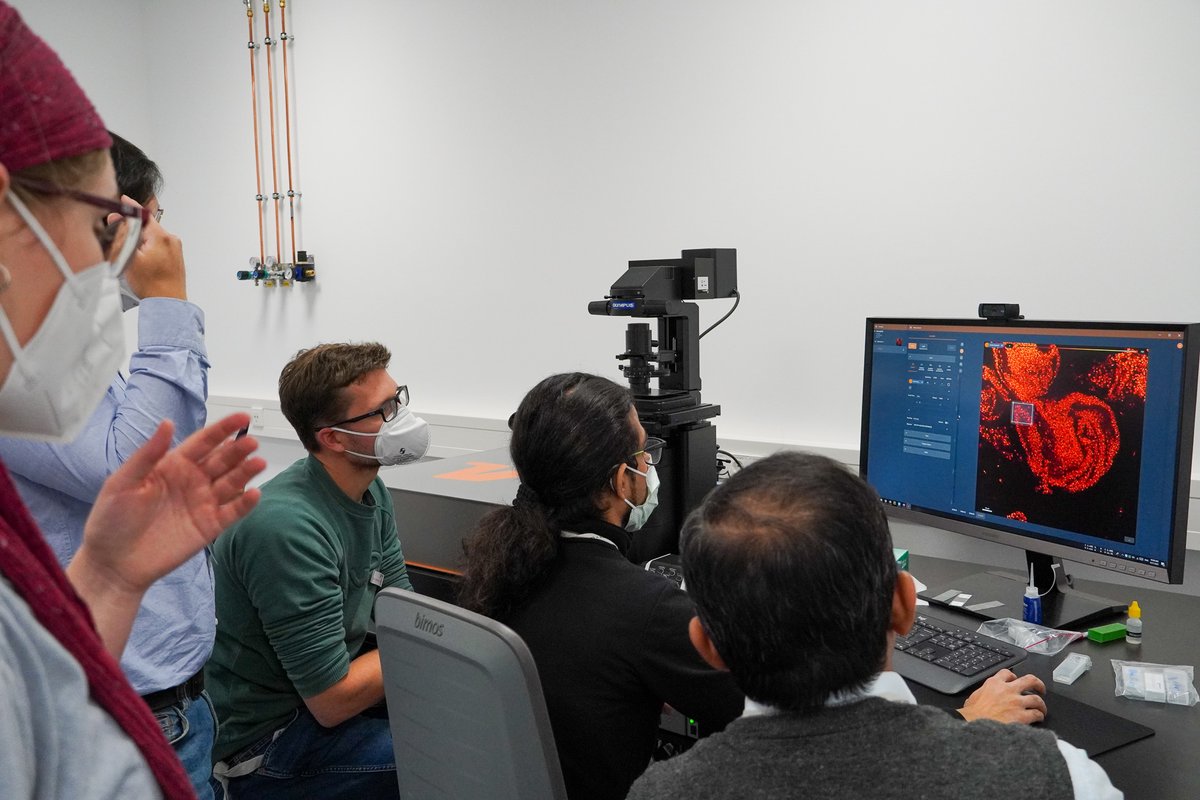
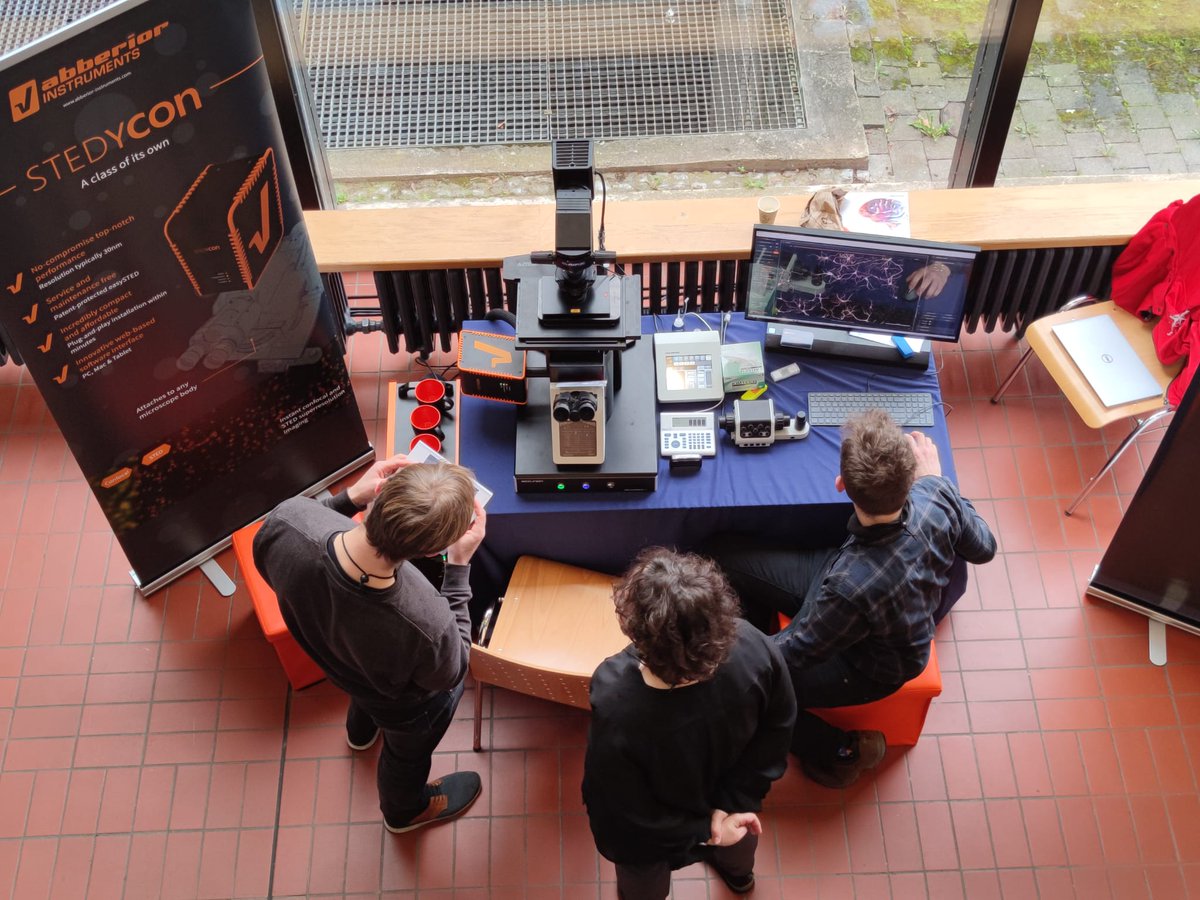
We are thrilled that the event at #TiM2023 was such a success!
Our #MINFLUX made its debut appearance and the response was overwhelmingly positive.
Here are a few impressions from the event.
Stay tuned for more updates on our exciting developments in the world of #microscopy🔬
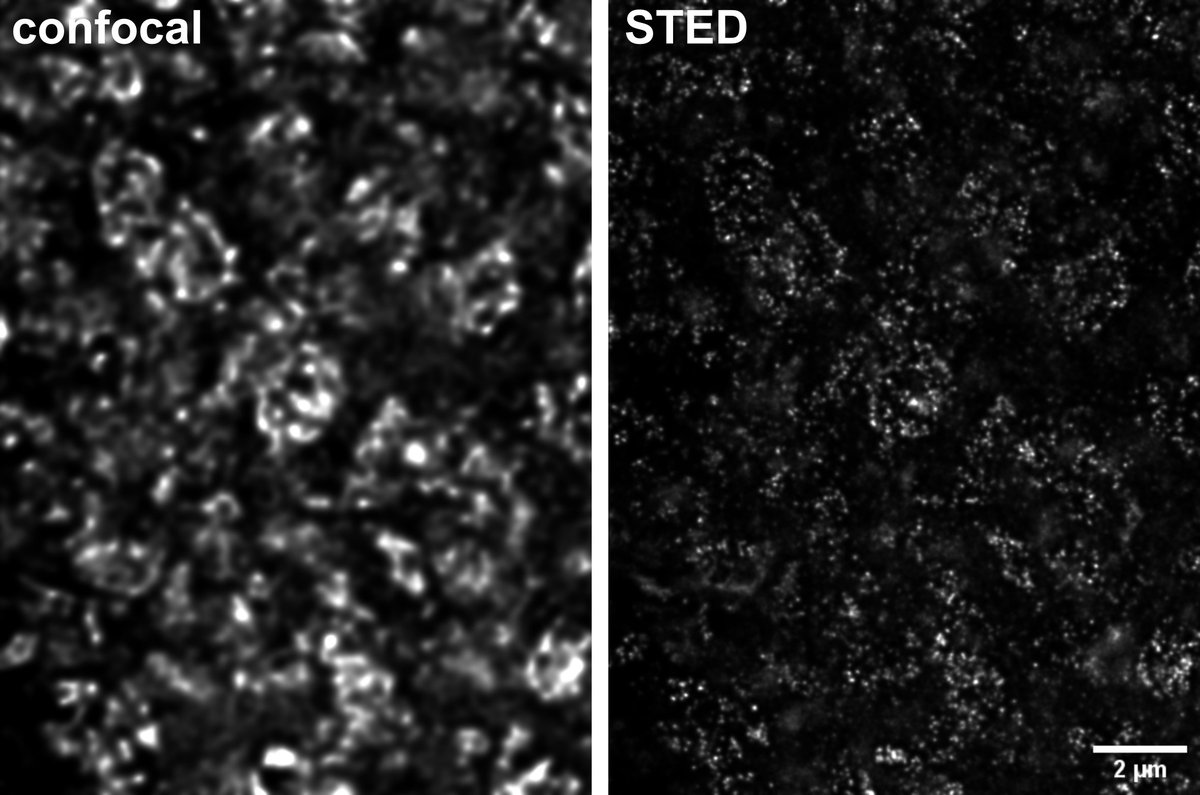
A little microscopy "Geschmäckle" for the weekend, together with @MeschkatMartin@Abberior . These are microglomeruli in the mushroom body calyx of Heliconius melpomene, a pollen feeding butterfly. STED might help to count synapses per microglomeruli! Pretty cool! #microscopy