@LeTour Are they following the tour with a fire truck just in case fans accidentally cause a fire?
This heat is problematic. One such accident could ruin The Tour.
Opossums are among the most unfairly maligned animals in North America. Their nocturnal habits, hissing, and toothy displays often lead people to view them as pests or threats. In reality, these quiet marsupials provide some of the most valuable services in urban and suburban ecosystems.
Contrary to popular belief, opossums very rarely carry or transmit rabies. Their lower body temperature makes it difficult for the virus to survive, making cases extremely uncommon.
They are also highly effective pest controllers. A single opossum can consume thousands of ticks per season, helping reduce the spread of dangerous tick-borne illnesses like Lyme disease. Beyond ticks, they act as nature’s sanitation workers, scavenging on carrion, insects, fallen fruit, and organic waste. This cleanup work helps limit bacteria and disease while keeping ecosystems balanced.
Their dramatic defensive displays, hissing, baring teeth, and even “playing dead” with a foul odor, are mostly bluffs designed to deter predators rather than signs of aggression.
Far from being a nuisance, opossums are beneficial neighbors quietly doing the dirty work that keeps our environment cleaner and healthier. The next time you spot one, there’s no need to fear or harm it, just let it continue its important nighttime duties.
Glass is a true "permanent material"—it can be recycled indefinitely (100% closed-loop) without any loss in quality, purity, or performance. Unlike most materials, its chemical structure remains unchanged through repeated melting and reforming, allowing old bottles and jars to become brand-new high-quality containers forever.
This stands in stark contrast to plastic, which is far cheaper for companies to produce and transport (lighter weight means lower shipping costs, and raw material/energy inputs are generally lower). Yet this short-term savings comes at a steep environmental price: we're degrading ecosystems, landfills, and oceans to cut a few cents per unit.
Glass offers genuine sustainability advantages when recycled properly:
• Using cullet (recycled glass fragments) replaces virgin raw materials (sand, soda ash, limestone)—one tonne of cullet saves about 1.2 tonnes of new resources.
• It slashes energy use dramatically: every 10% increase in cullet reduces furnace energy needs by ~2.5–3%, and melting 100% cullet can cut energy by up to ~40% compared to virgin production.
• CO₂ emissions drop significantly—studies show ~580–670 kg saved per tonne of recycled glass (cradle-to-cradle), with up to 58–60% reduction when using high cullet percentages.
• Fewer raw material extractions mean less mining impact and habitat disruption.
The key to unlocking glass's full potential is clean, color-sorted collection. Mixed colors or contamination (from curbside debris, ceramics, or other recyclables) often downgrades glass to lower-value uses like fiberglass insulation or road aggregate instead of bottle-to-bottle recycling. Proper sorting—by color and purity—keeps it in the premium loop.
By improving recycling habits (rinsing containers, separating by color where possible, and supporting deposit-return systems), we can maximize glass's role in a true circular economy. It's one of the few packaging options that genuinely protects resources long-term—let's not sacrifice it for cheaper, disposable alternatives that harm the planet.
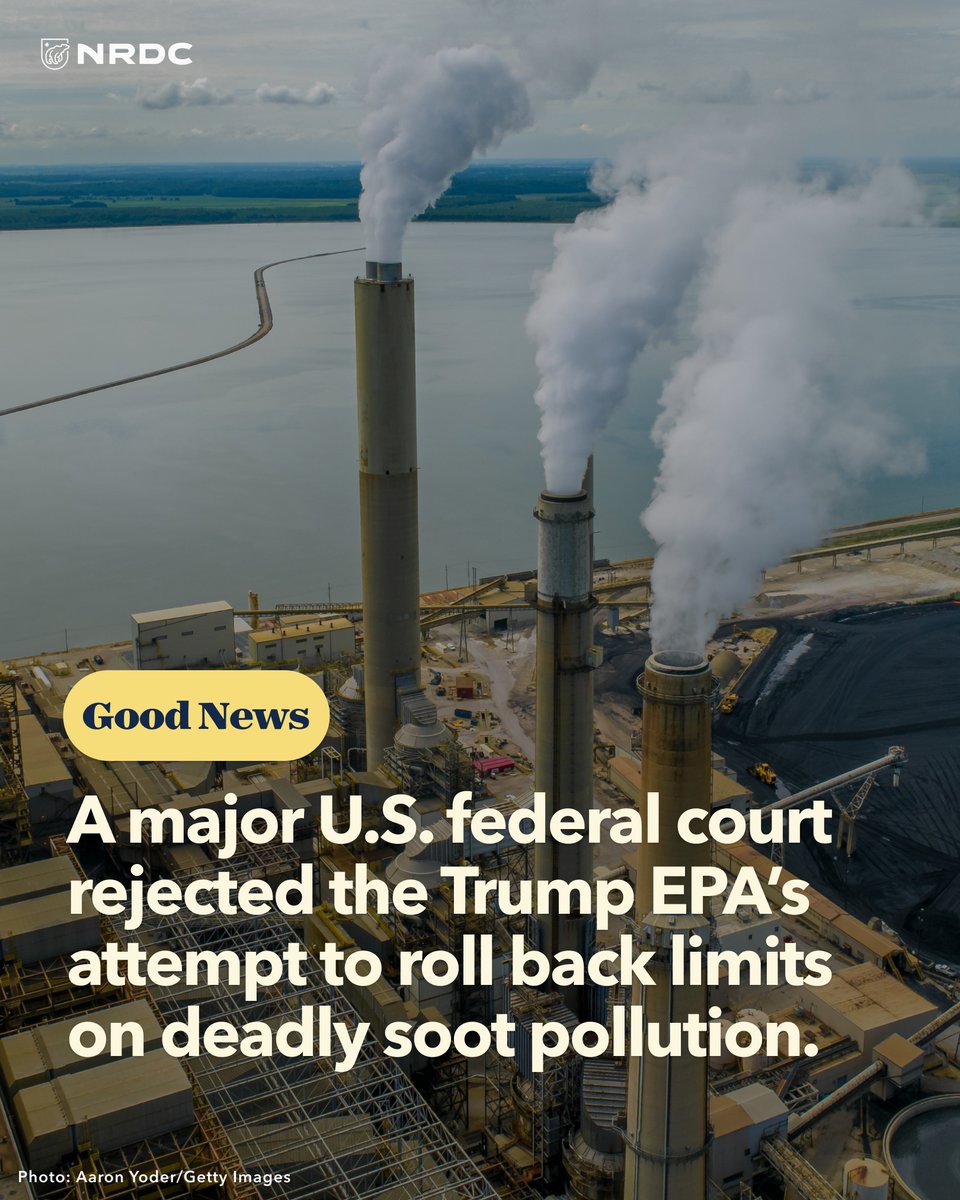
This is a major win, considering the relentless attacks on clean air and public health. These safer limits—set under the Biden EPA—are estimated to avoid 800,000 cases of asthma symptoms, 2,000 hospital visits, and 4,500 premature deaths each year by 2032.