And now the postdoc opportunity has dropped. Jason's still awesome and the forests aren't gonna model themselves! so go apply (or share with someone who might be interested)
The Jason Fridley Lab (https://t.co/IxlmYco0tJ) is hiring a 2-yr postdoc to help lead a suite of modeling projects involving forest dynamics and global change, including projects in the Rockies, Smokies, and France.
Apps due Nov 1: https://t.co/QMsXWAwlJE
Great grad opportunity with the freshly minted Fridley Lab location @clemson_biolsci if you're interested in research on plants, ecology and invasions 🌱 Jason was my PhD advisor, so I can attest to him being a great mentor and scientist!
The Jason Fridley lab is recruiting PhD + MS students for Fall '23 admission into the BioSci Grad Program. Rsrch focuses on plant functional ecology, w expertise in species invasions, forest ecology, climate change, + tree ecophysiology. Apps due Dec 1!
https://t.co/HOHJDYLPbS
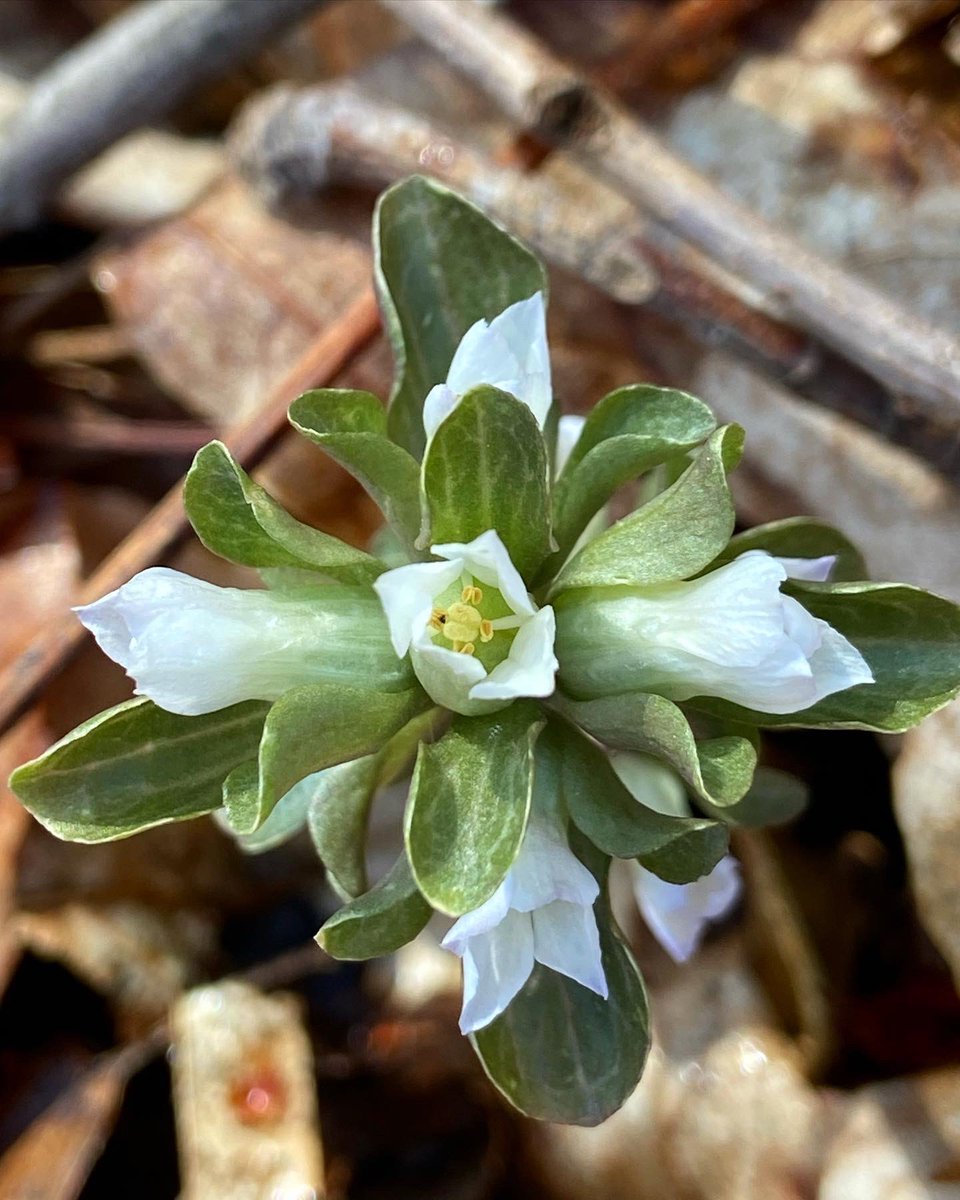
@GreenGorgon27 that’s true! definitely similar vibes. even cooler since there’s such a huge taxonomic separation; these guys are in the gentian family weirdly enough
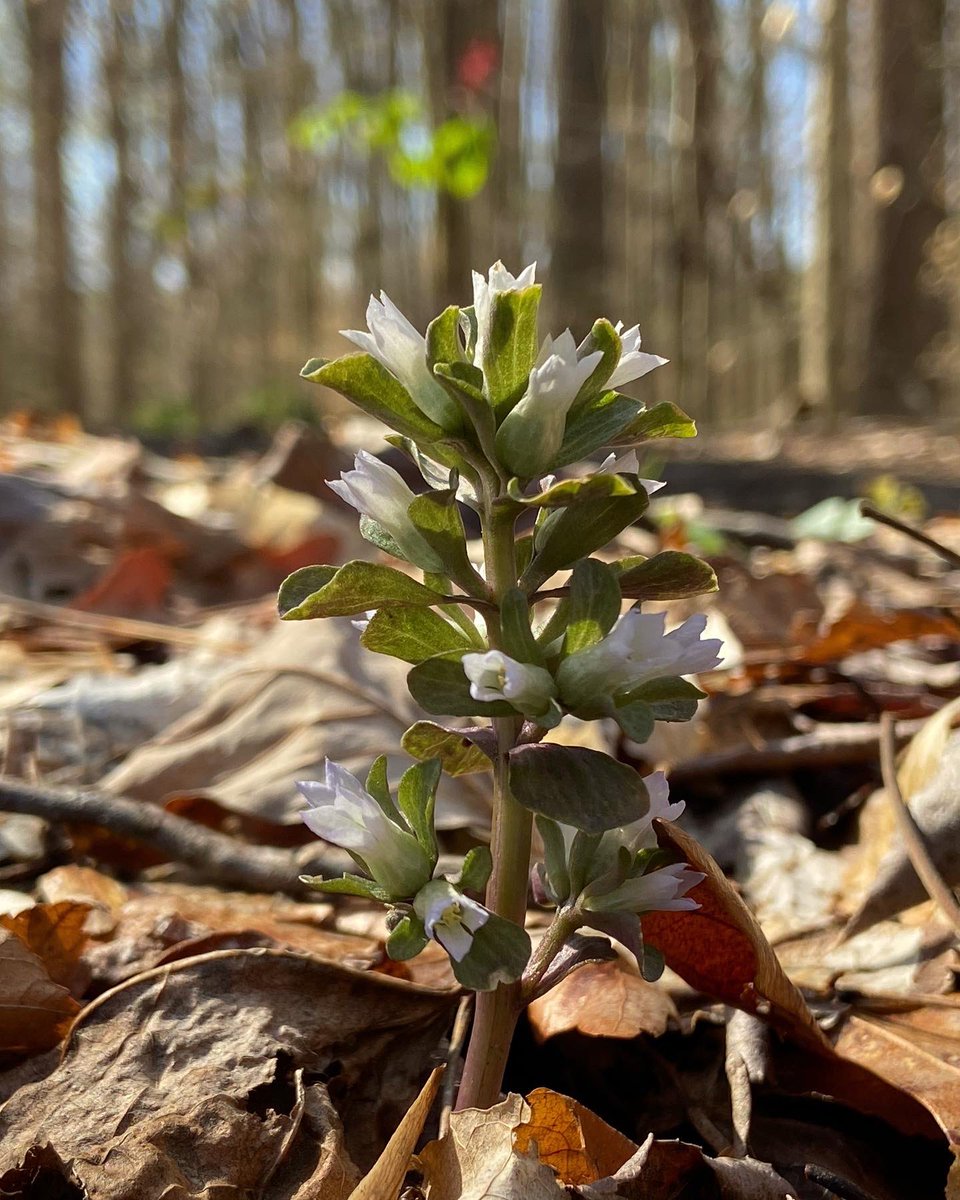
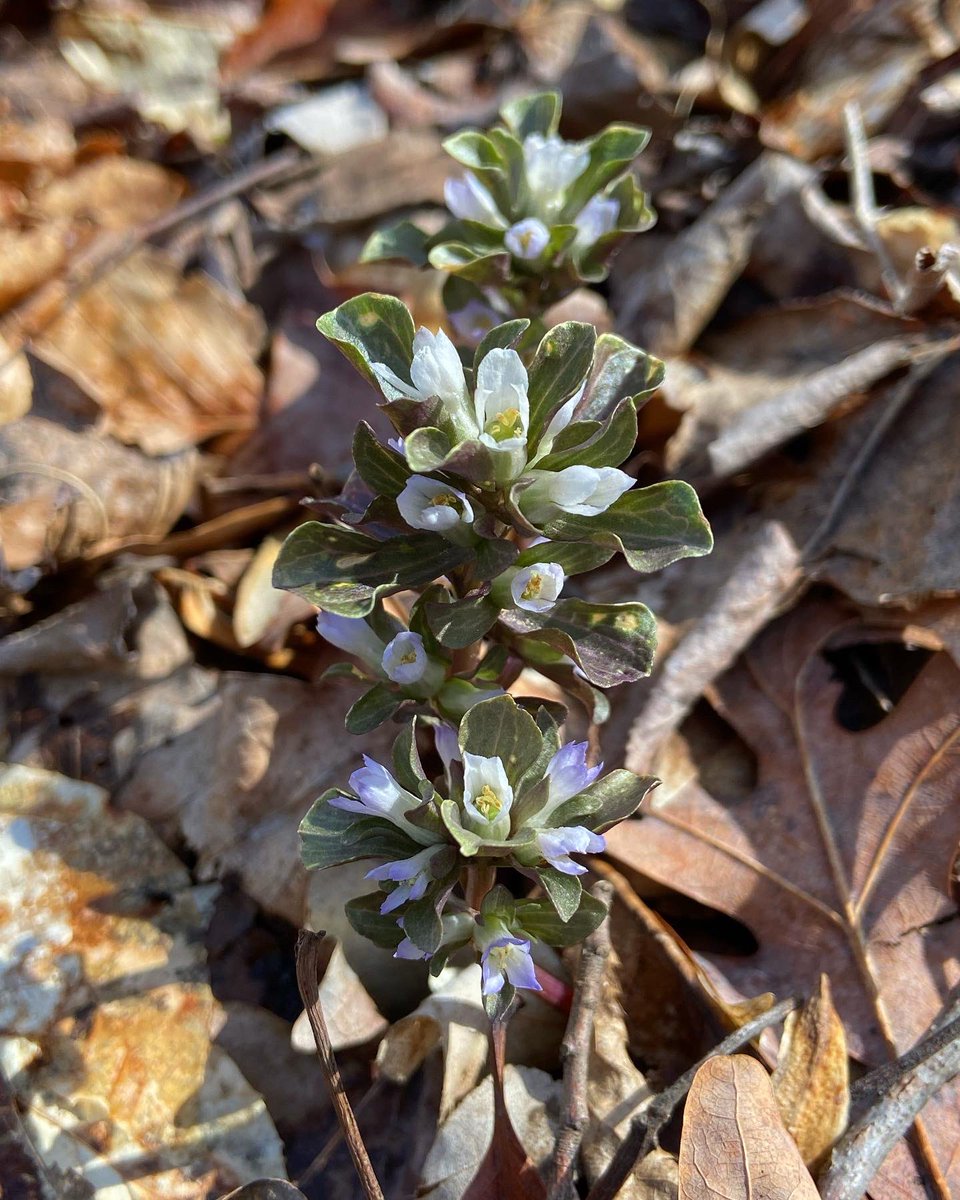
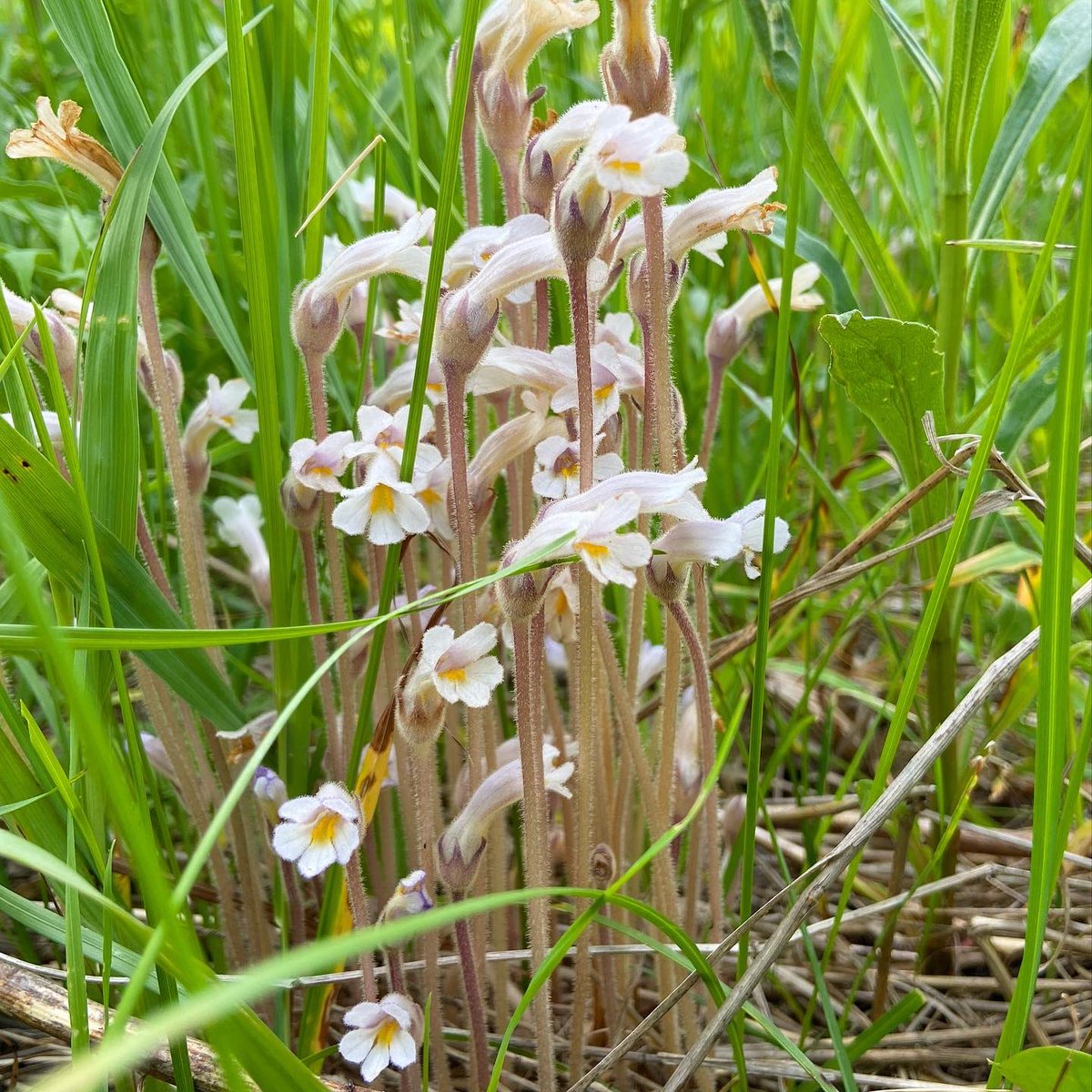
the word of the day is mycoheterotrophy, which means this little guy gets at least some of its carbon by swindling fungi in the soil! and while the clustered whitish blue flowers of pennywort (Obolaria virginica) can be hard to find amongst the leaf litter, it’s worth the search!
WED 4/6 1PM: @speciesinterac1 member Anne Curé will defend her Ph.D. dissertation titled, "Understanding How Whole Genome Duplication in Plants Impacts Herbivore-Plant Interactions." Dr. Kari Segraves is her advisor. Join on campus in LSC 106 or Zoom. DM for link. Go, Anne!🦋🍊
FRIDAY 2/25 1PM, @SUBiology's Alex Ebert will defend his PhD dissertation titled, "Rooting for the home team: arbuscular mycorrhizas and root traits in native and invasive woody shrubs." Alex's advisors are Jason Fridley & Doug Frank. Join in LSC 214 or on Zoom. DM for link! 🍊
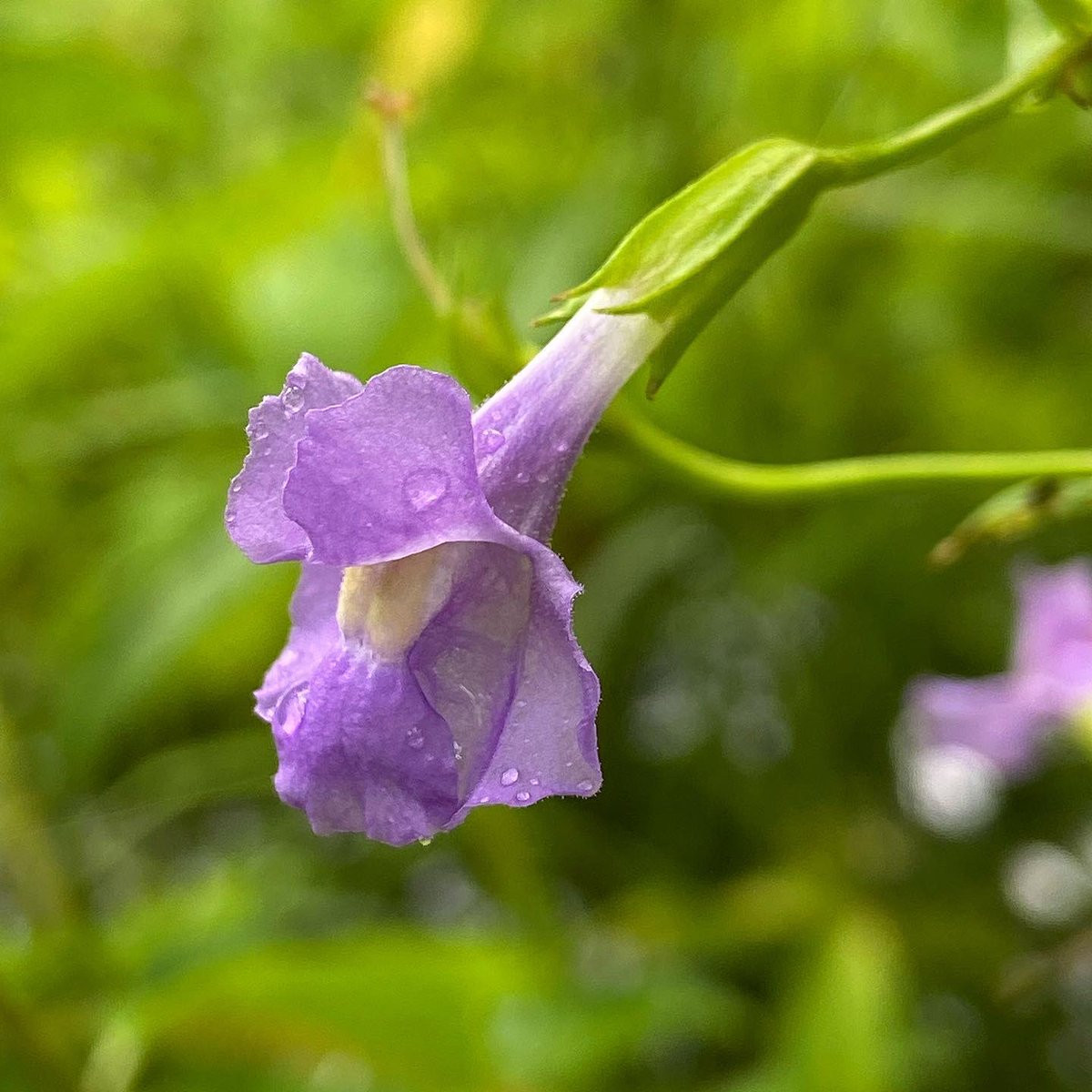
speaking of the monkeyflower friends now in phrymaceae, here is the allegheny monkeyflower (Mimulus ringens). a lover of damp places, a haver of square stems, and a brightener of moods with its smiling monkey face (or so they claim, although it’s cute on merit alone) #botany
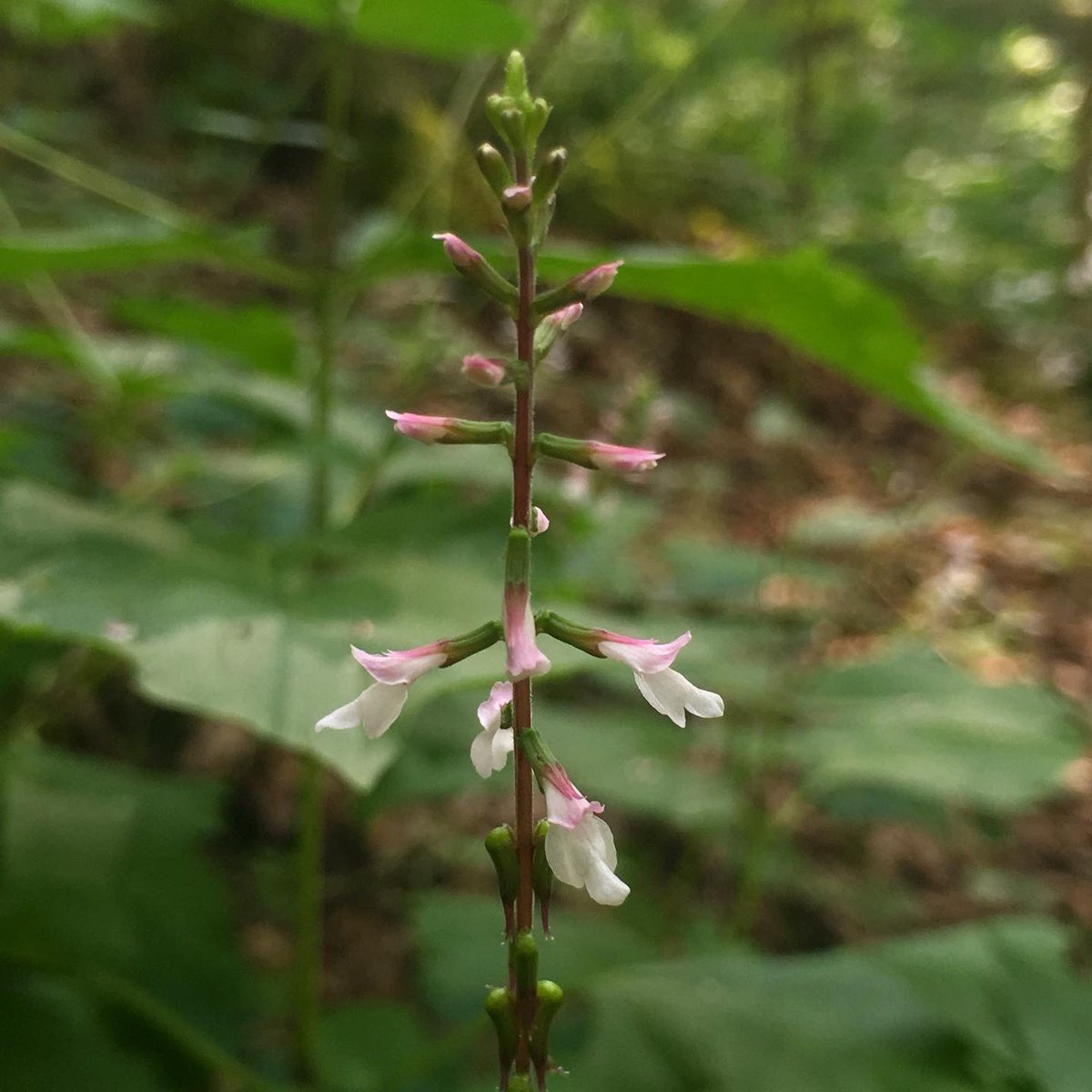
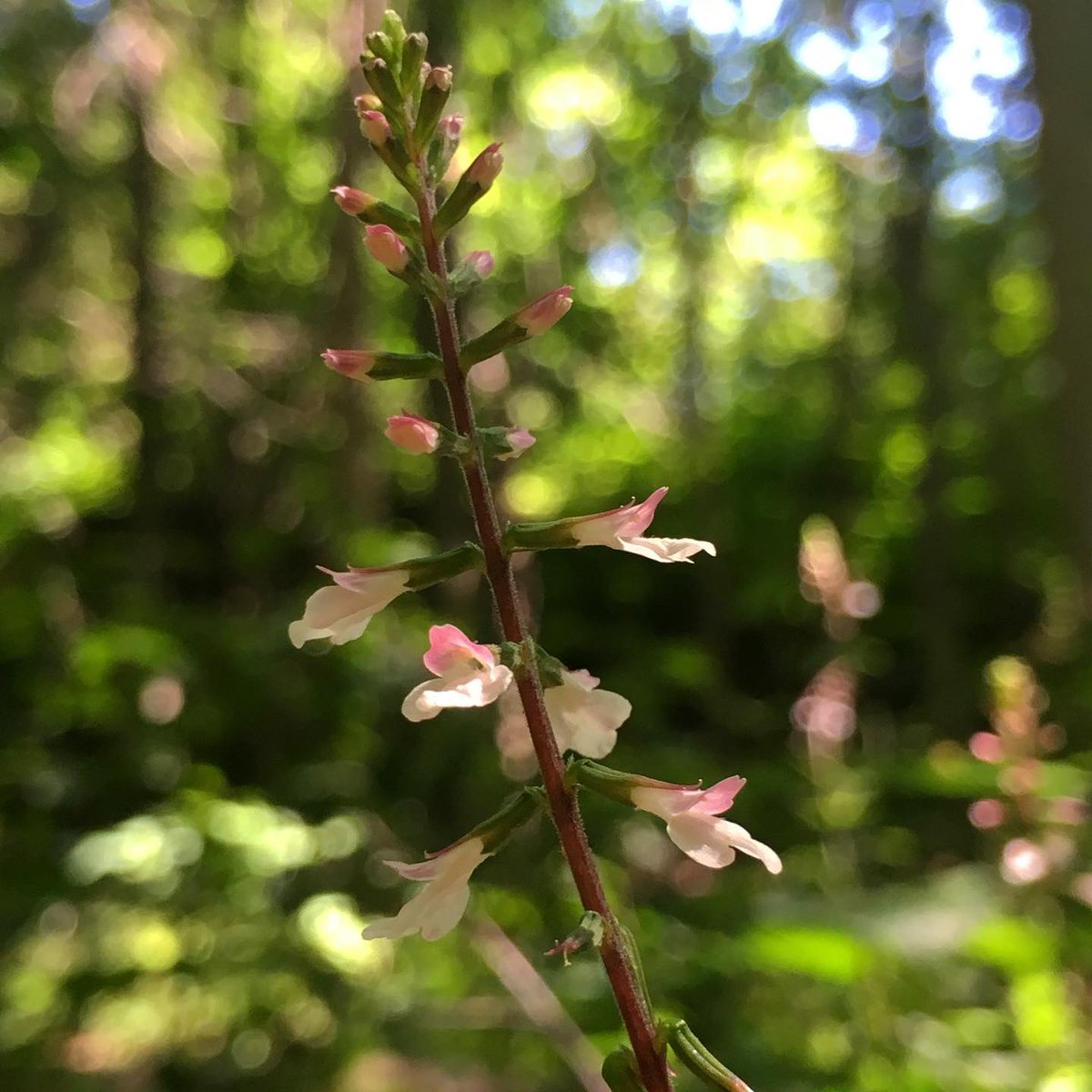
lopseed (Phryma leptostachya) is a common denizen of summer forest floors. its small pink flowers always feel very tidy, which is a nice juxtaposition with its more devil-may-care common name. the original star of phrymaceae, it now has monkeyflower friends to hang with #botany
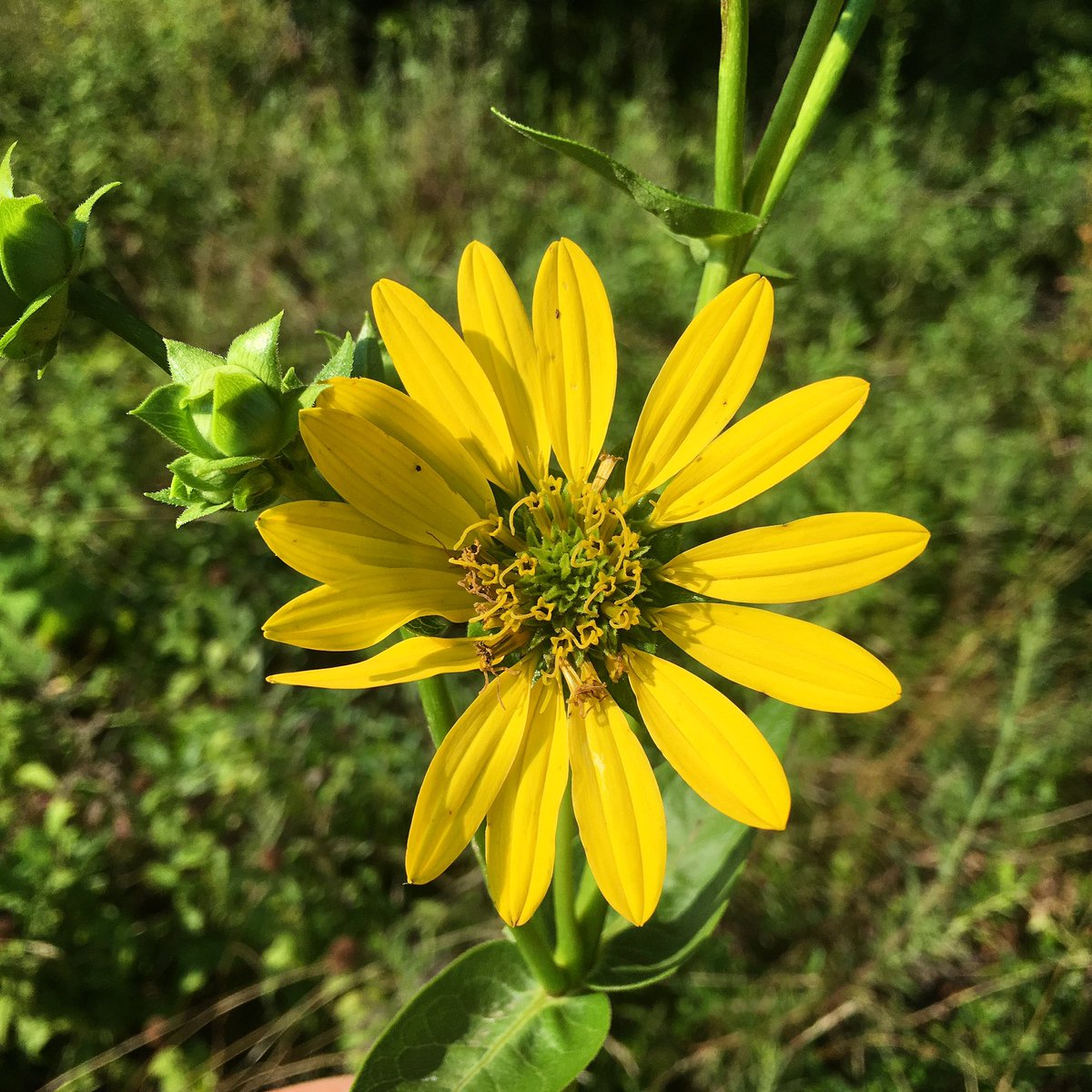
rosinweed (Silphium integrifolium) shares the classic Silphium trait of having sterile disc flowers (peep the undivided styles) and fertile ray flowers (bifurcated styles here). basically the opposite of the sunflowers! you can also chew the resin it makes like gum! #botany
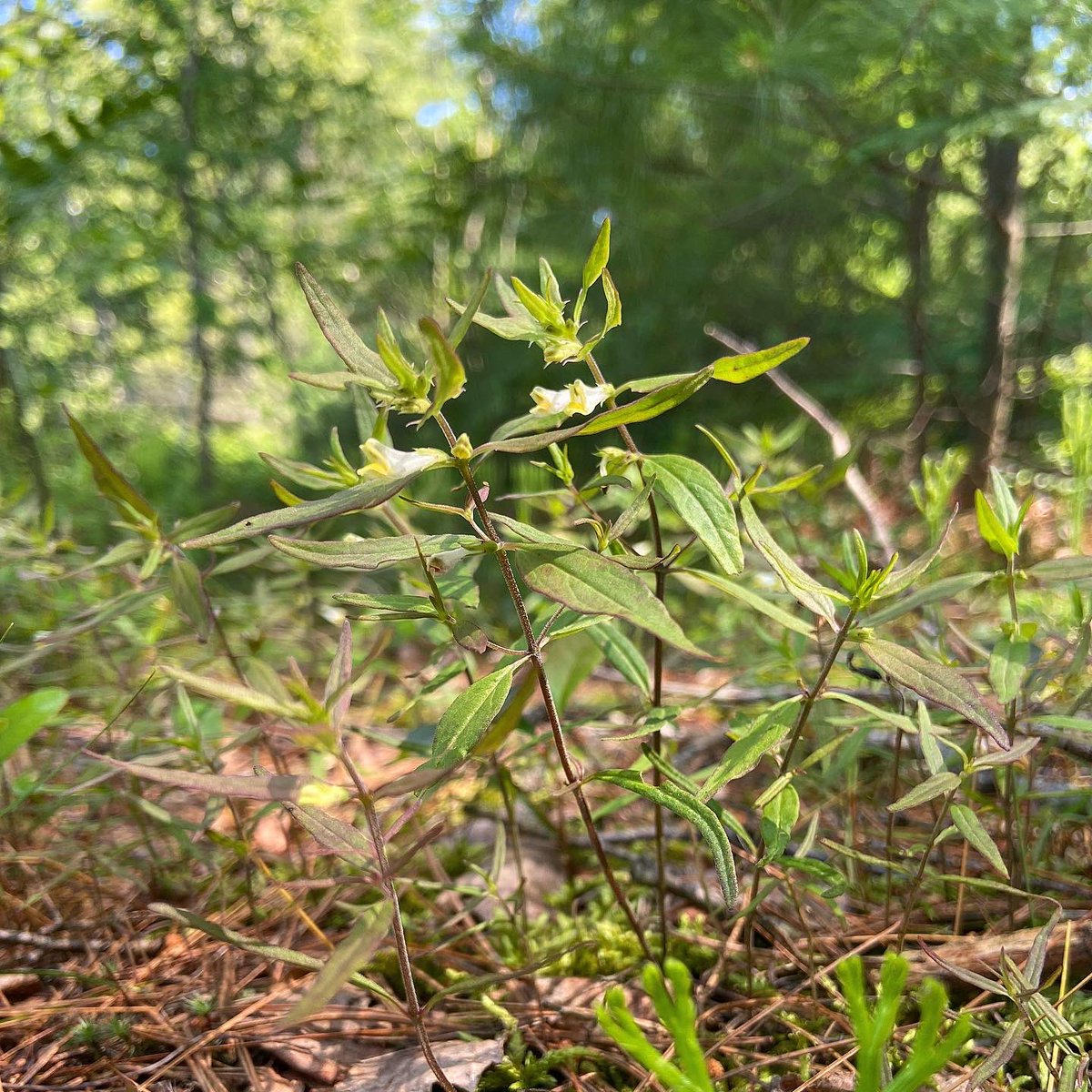
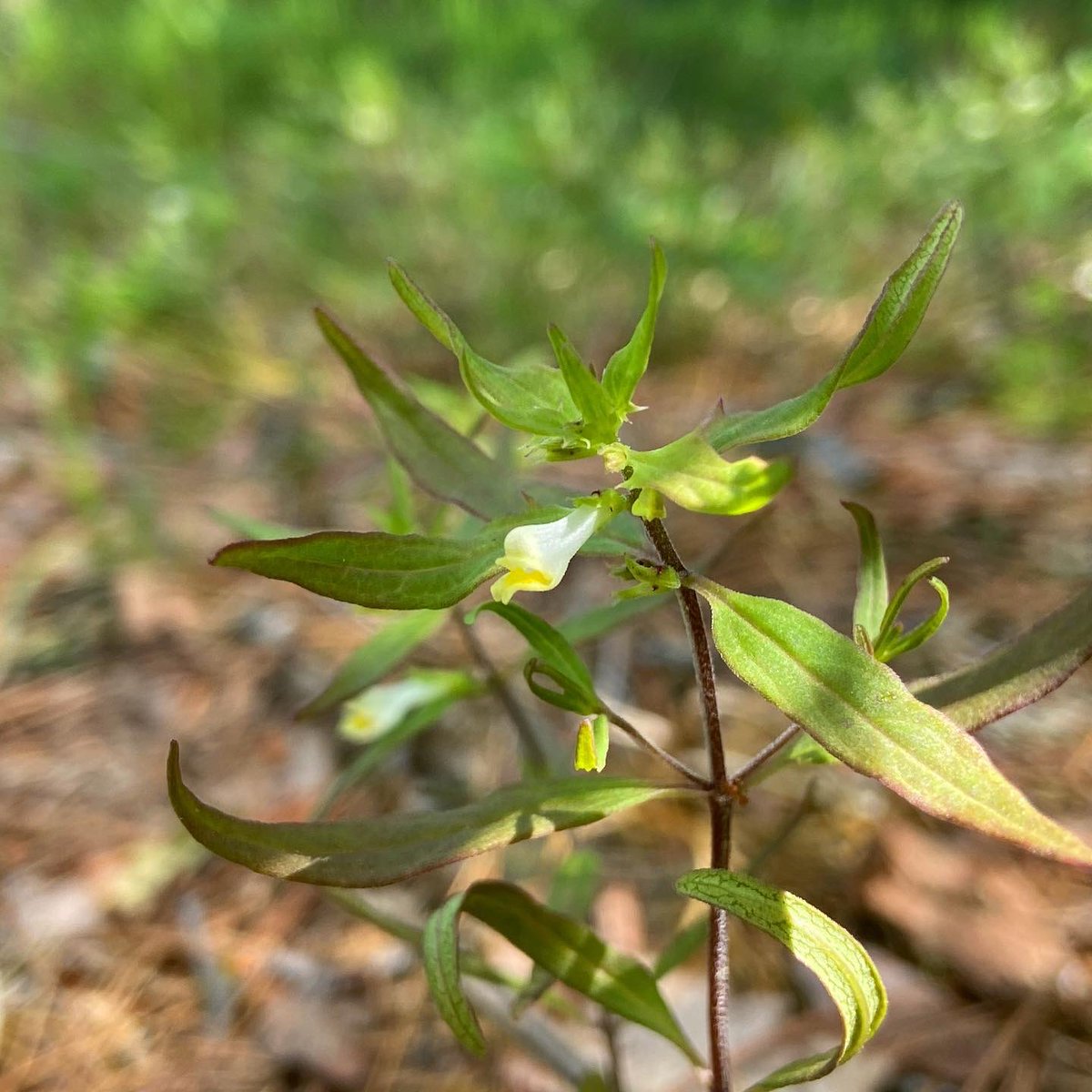
this hemiparasitic friend of dry, sandy soils is ready for all occasions: sunny day? got chlorophyll on lock. too shady or you need some extra resources? whip out those haustoria to steal from your neighbors. cow-wheat (Melampyrum lineare) can do it all! #botany#wildflowers
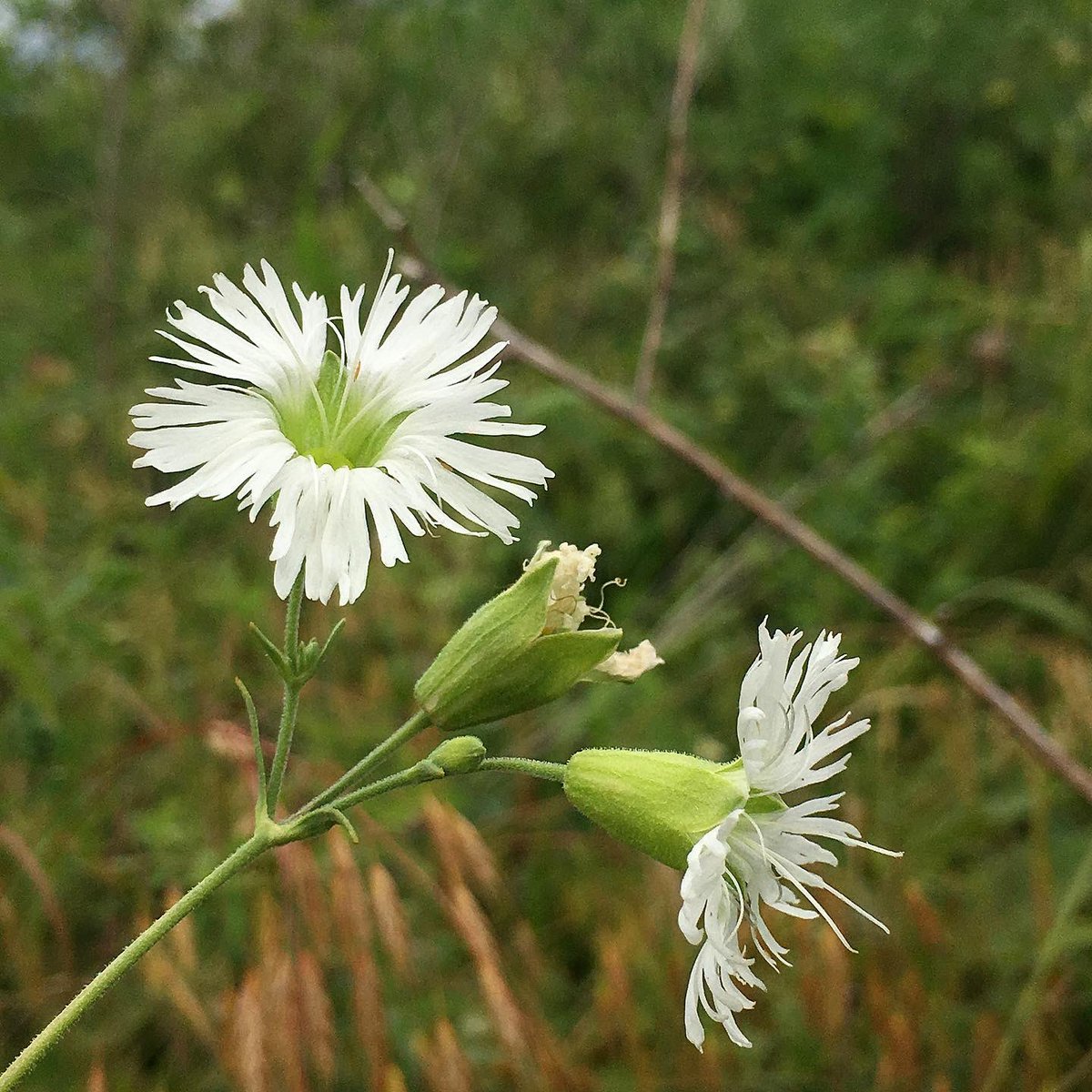
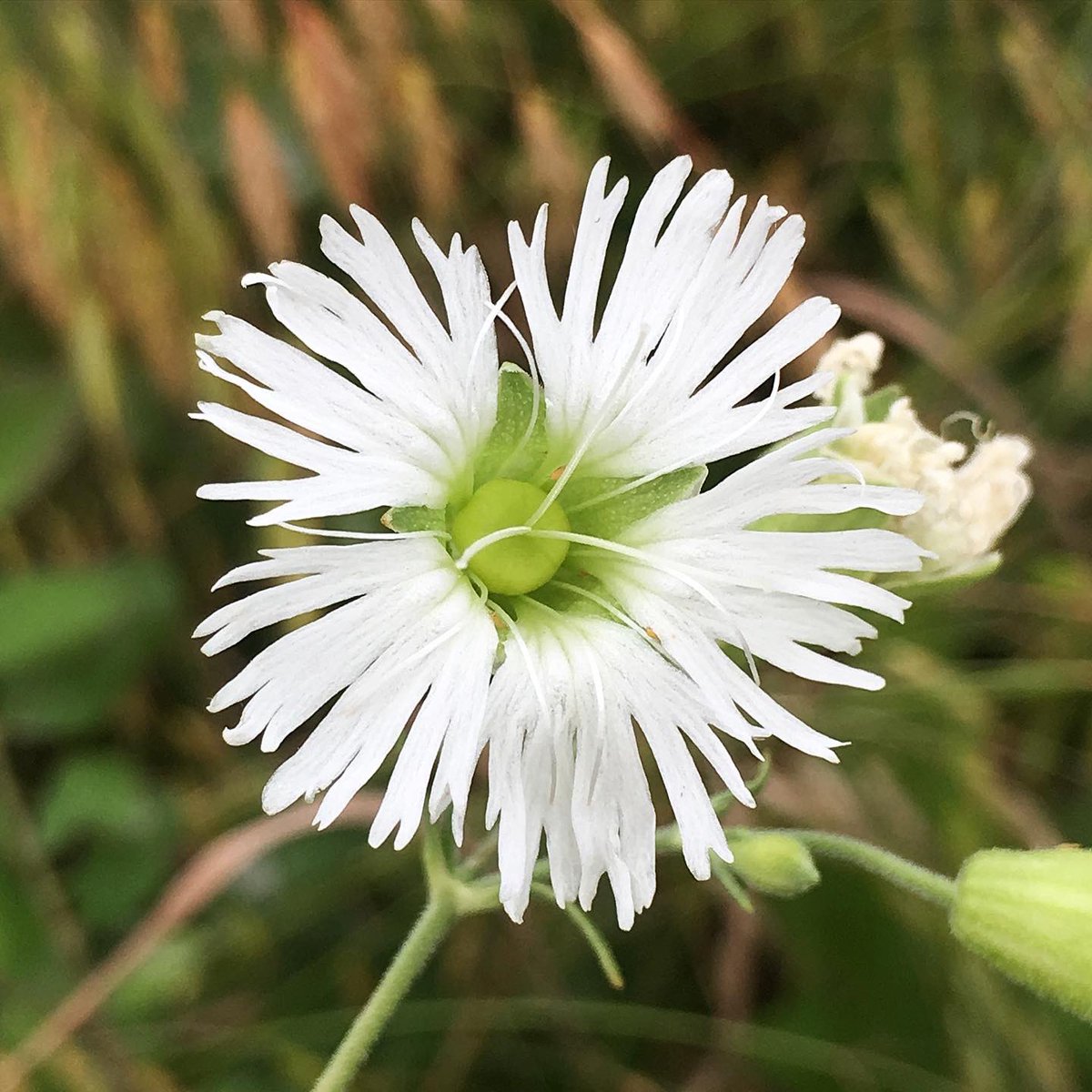
Silene is a genus known for striking flowers, and this widowsfrill (Silene stellata) lives up to that with its ragged, lacy petals. add to that the leaves in whorls of 4 and there’s no mistaking it! photo from a restored prairie when i was back in missouri #botany#wildflowers
nothing says summer like the pink lemonade vibes of this rock harlequin (Capnoides sempervirens). despite its delicate appearance it grows happily on rocky soils, outcrops and cliffs where many other plants dare not tread. grit and whimsy in equal measure! #botany#nature#flower
parasitic plants like this Aphyllon uniflorum are very weird and very cool: no chlorophyll and modified roots to steal resources from the neighbors. one thing that needs work: its common names. i just don’t want to call it cancer-root or broomrape. maybe saproot? #botany#nature
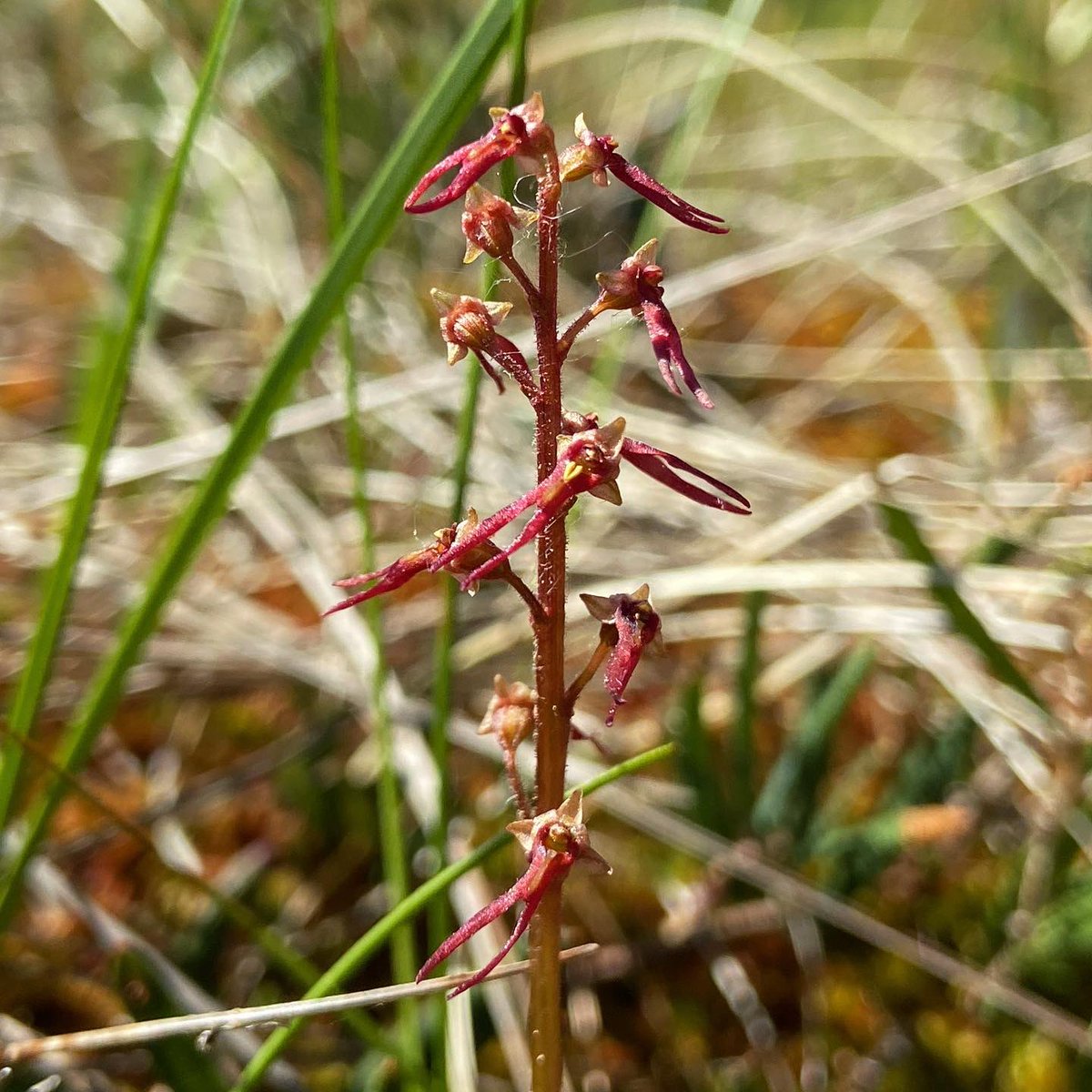
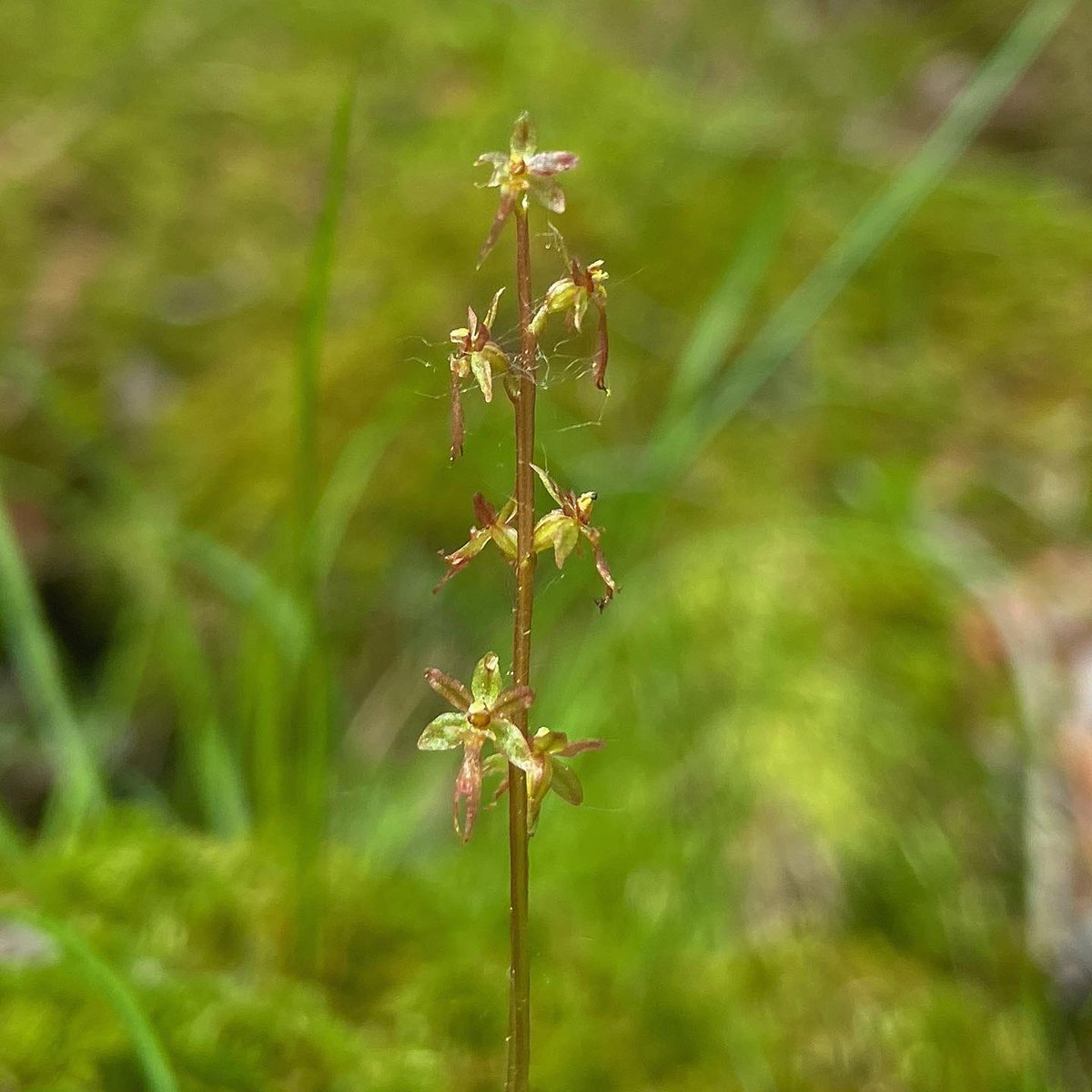
more small orchids! this southern twayblade (Neottia bifolia) prefers more open peatlands like bogs and fens (at least in this area). the lobes of its lip are longer, straighter and often redder than on heartleaf twayblade, and it also lacks the lip’s basal teeth. #botany#orchid
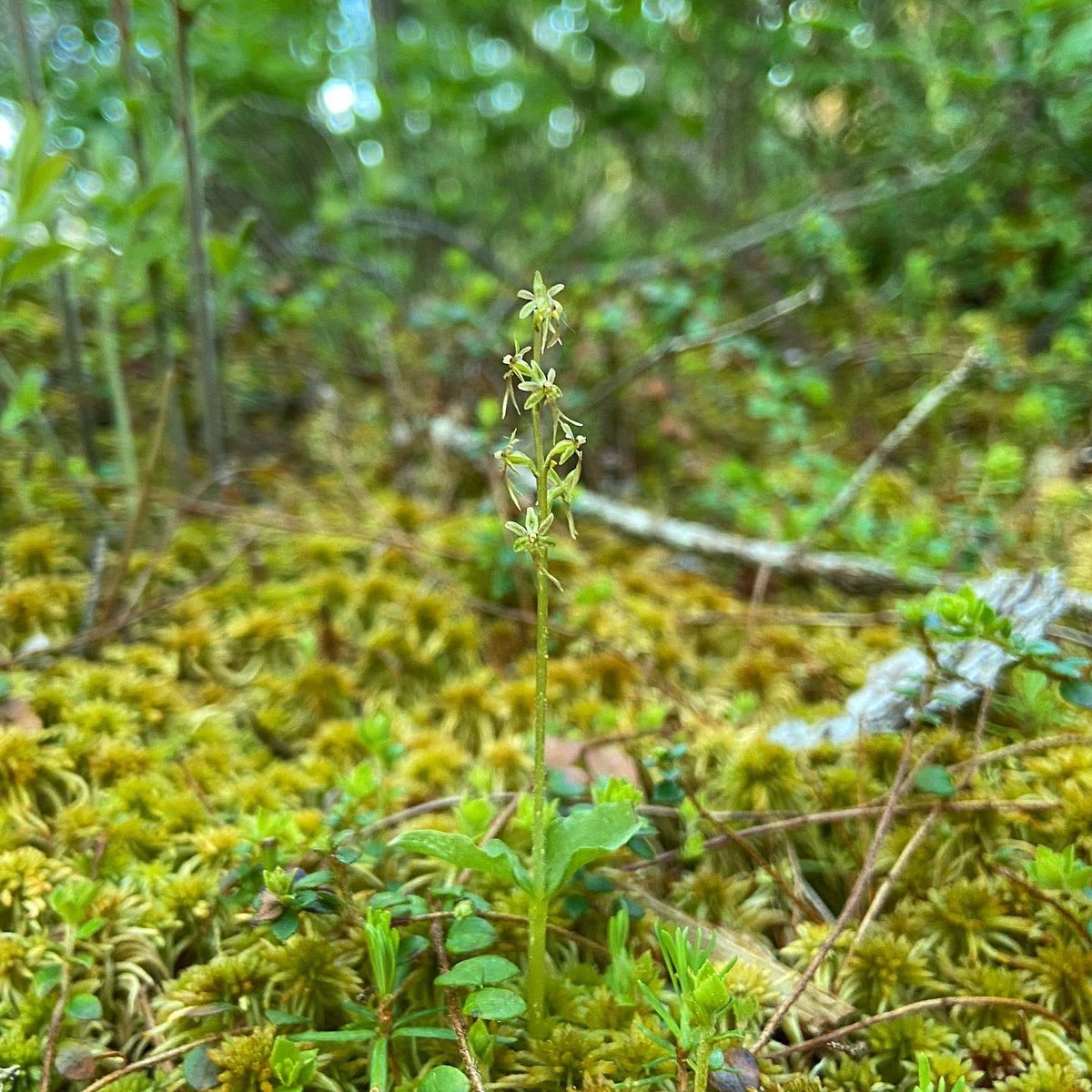
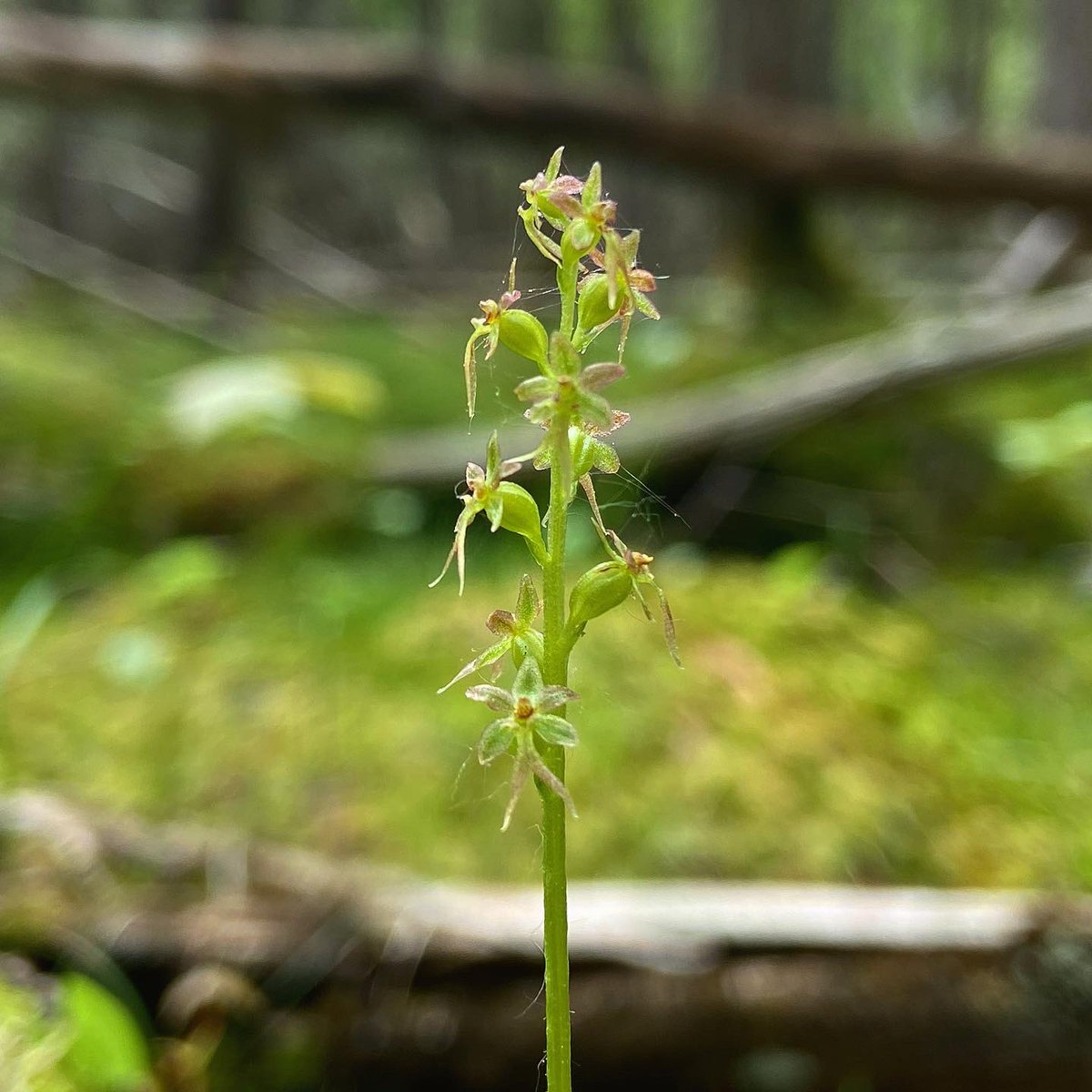
sometimes tiny orchids are hiding in the sphagnum beneath your feet, like this heartleaf twayblade (Neottia cordata). where you find one, you’ll often find a small colony; so watch your step! and if you’re lucky, you’ll come across one with just a splash of red #botany#orchid
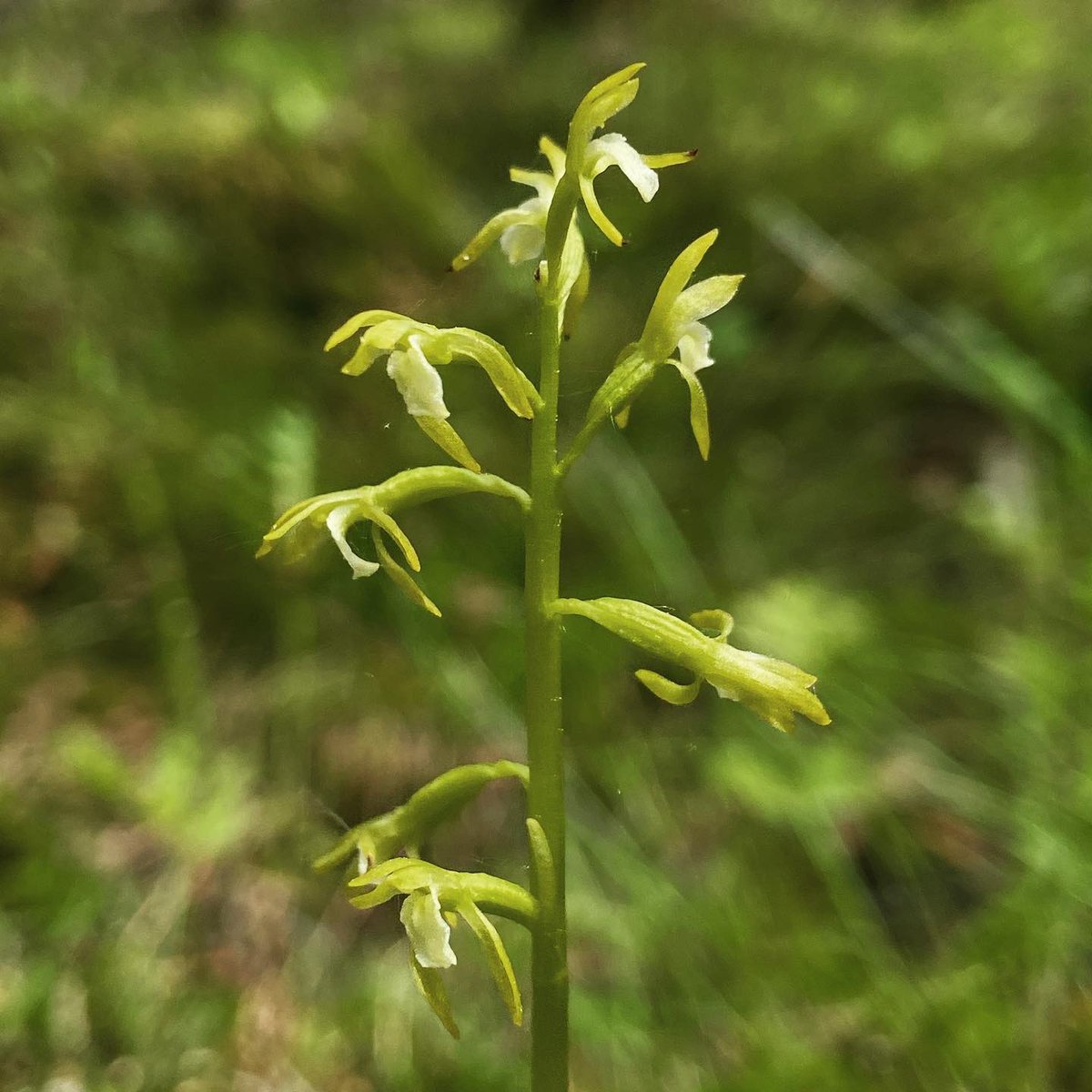
2021 is my year of the orchid! actually found this tiny early coralroot (Corallorhiza trifida) while searching for an entirely different species. ended up finding both peeking out of the sphagnum hummocks of a peaty swamp, but nothing beats a good surprise find! #botany#orchid
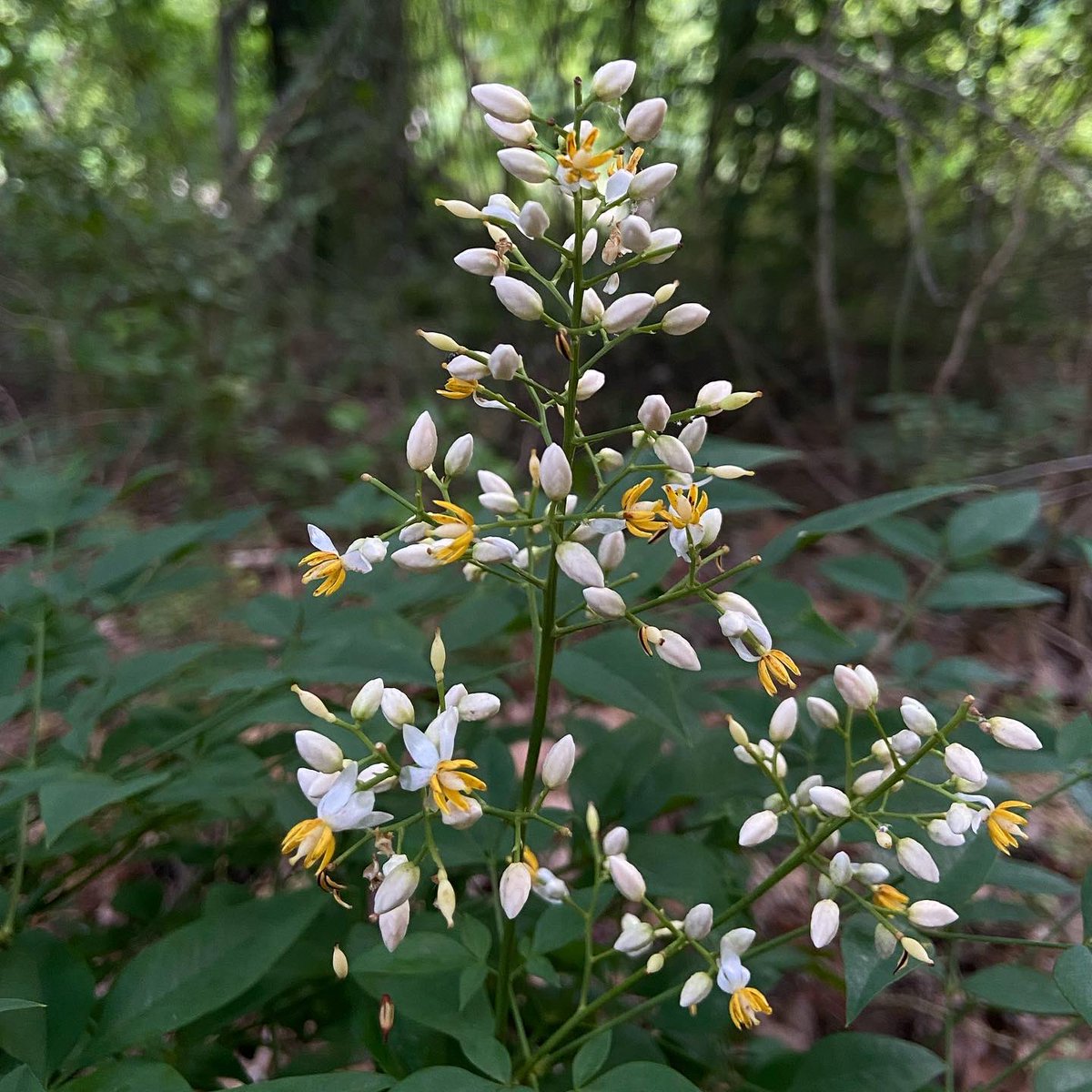
#weedywednesday another one whose common name doesn’t check out: heavenly bamboo (Nandina domestica). it’s in the barberry family, and is invasive in the se us. but i must admit i love the thick anthers that look like a tiny crown of bananas atop the white petals 🍌 #botany
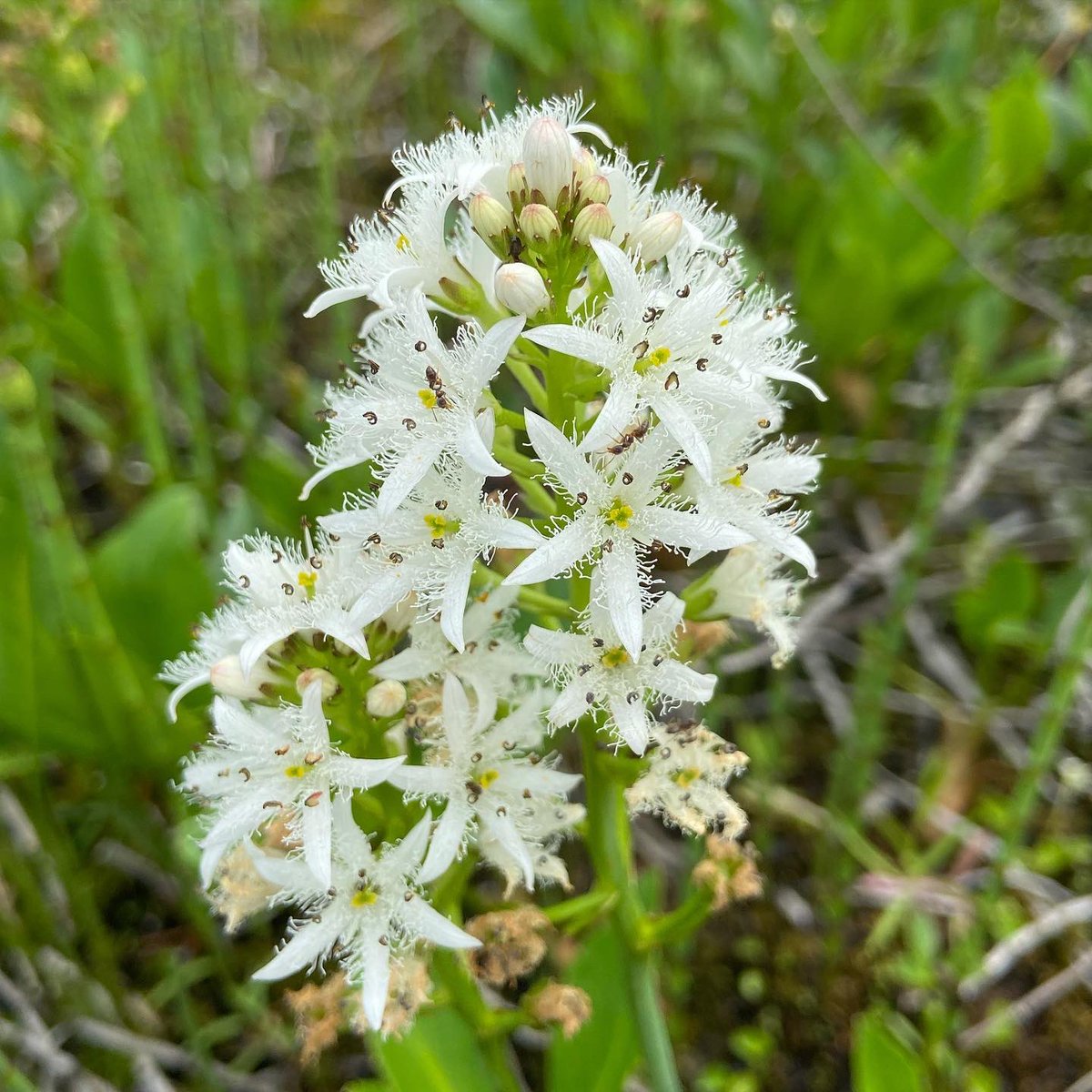
bogbean (Menyanthes trifoliata) grows in peatlands, but it’s no bean. it’s actually in a small family more closely related to the asters. but who cares when you have petals that look like this?! hands down always having the best hair day in the bog 💁🏼♀️ #botany#wildflowers#nature