Why do people feel alone in their health journey when almost everyone struggles?
We need collective wisdom.
Debate with me and earn on @LifeNetwork_AI: https://t.co/pTTyBbYhKX
Code: BYTQ4QR
#LifeAITestnet#HealthcareAI
This isn't a "complete task and wait" testnet.
It's "speak up and get rewarded."
Jump in @LifeNetwork_AI: https://t.co/pTTyBbYhKX
Code: BYTQ4QR
#LifeAITestnet#HealthcareAI
Why do we treat illness episodes but ignore lifelong well-being?
Let's challenge the priorities.
Join me on @LifeNetwork_AI Testnet: https://t.co/pTTyBbYhKX
Code: BYTQ4QR
#LifeAITestnet#HealthcareAI
Help improve healthcare by voicing what feels unfair or outdated.
Change begins when people speak.
Join me: https://t.co/pTTyBbYhKX
Code: BYTQ4QR
#LifeAITestnet#HealthcareAI
Debate to earn. Should healthcare be proactive instead of reactive? Share your insight on @LifeNetwork_AI and earn rewards.
Join me here: https://t.co/pTTyBbYhKX
Code: BYTQ4QR
#LifeAITestnet#HealthcareAI
🩺 Community Question:
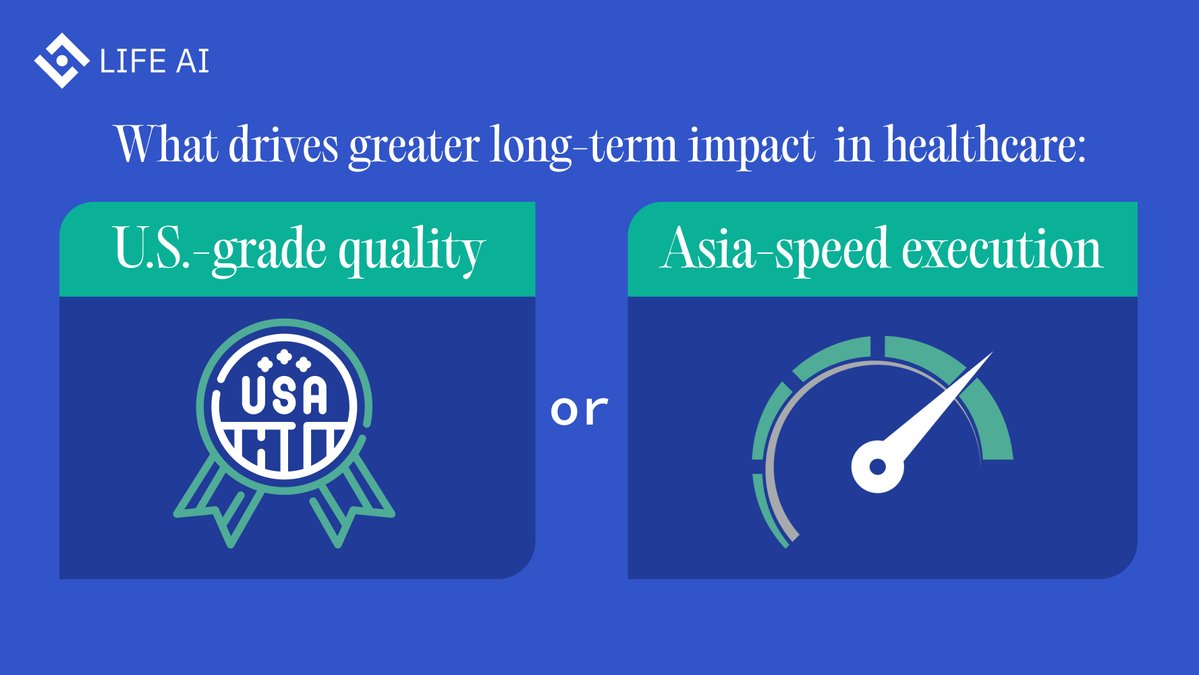
In medical innovation, what drives greater long-term impact:
U.S.-grade quality for rigorous validation and strict regulation
or Asia-speed execution for faster approvals and rapid scale?
Viewpoint A: U.S.-Grade Quality
Through institutions like the U.S. Food and Drug Administration, the U.S. emphasizes deep clinical validation before approval.
Rigor reduces risk, protects trust, and supports durable breakthrough innovation.
Viewpoint B: Asia-Speed Execution
Countries such as China and India accelerate approvals and deploy innovations at scale.
Faster access can save lives, especially in high-burden diseases.
👇 Drop A or B and share your perspective.
🩺 Community Question:
In medical innovation, what drives greater long-term impact:
U.S.-grade quality for rigorous validation and strict regulation
or Asia-speed execution for faster approvals and rapid scale?
Viewpoint A: U.S.-Grade Quality
Through institutions like the U.S. Food and Drug Administration, the U.S. emphasizes deep clinical validation before approval.
Rigor reduces risk, protects trust, and supports durable breakthrough innovation.
Viewpoint B: Asia-Speed Execution
Countries such as China and India accelerate approvals and deploy innovations at scale.
Faster access can save lives, especially in high-burden diseases.
👇 Drop A or B and share your perspective.
UnitFlow Finance is quietly building something interesting with activity-based NFTs.
Rewarding consistency instead of random tasks just makes more sense.
#Web3@arc
Your health experience is valid. Your frustrations are valid. Your ideas are valid.
Finally, there's a place where they matter.
Join me on @LifeNetwork_AI Testnet: https://t.co/pTTyBbYhKX
Code: BYTQ4QR
#LifeAITestnet#HealthcareAI
Talk. Debate. Earn.
Step into Health & AI debates with @LifeNetwork_AI. Make your voice count and earn rewards.
Join me: https://t.co/pTTyBbYhKX
Code: BYTQ4QR
#LifeAITestnet
Earn by helping identify the gaps no one talks about.
Hidden problems need real voices.
Join me on @LifeNetwork_AI Testnet: https://t.co/pTTyBbYPAv
Code: BYTQ4QR
#LifeAITestnet#HealthcareAI
🩺 Community Question
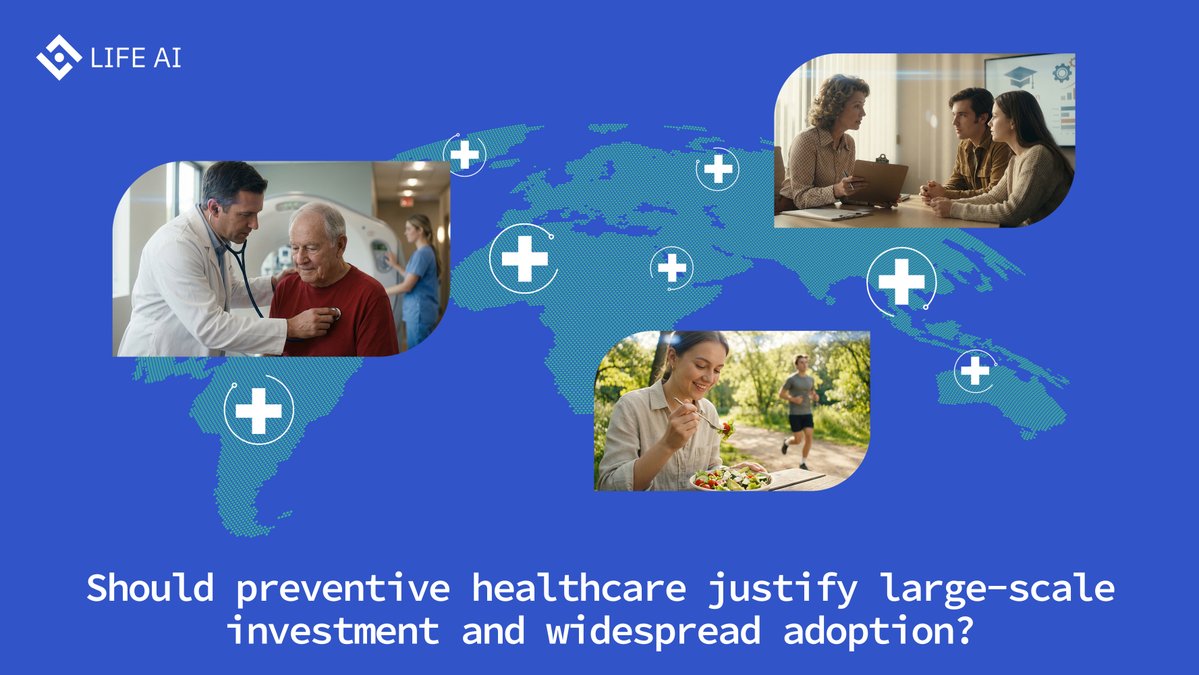
Should preventive healthcare justify large-scale investment and widespread adoption?
Viewpoint A:
Preventive care involves significant upfront costs and carries risks of overdiagnosis and overtreatment, potentially increasing anxiety and spending without clear mortality gains.
Viewpoint B:
Prevention through screening and lifestyle interventions can reduce disease burden, hospitalizations, and long-term costs, while improving life expectancy and quality of life.
Is prevention a cost-effective long-term strategy or an overextended approach with uncertain net benefit?
👇 Drop A, B, or share your perspective.
🩺 Community Question
Should preventive healthcare justify large-scale investment and widespread adoption?
Viewpoint A:
Preventive care involves significant upfront costs and carries risks of overdiagnosis and overtreatment, potentially increasing anxiety and spending without clear mortality gains.
Viewpoint B:
Prevention through screening and lifestyle interventions can reduce disease burden, hospitalizations, and long-term costs, while improving life expectancy and quality of life.
Is prevention a cost-effective long-term strategy or an overextended approach with uncertain net benefit?
👇 Drop A, B, or share your perspective.