The Media Analysis, Verification and Retrieval research group is working on media intelligence solutions, with particular interest in countering online harms.
New on our website: this articles outlines how automated #factchecking (AFC) is being developed and progresses in order to support with #verification tasks that, manually, take up a lot of time. Authors: researchers of @meverteam. https://t.co/5yHBjbPG6U
Thanks to everyone who joined us yesterday and big thanks to Symeon (Akis) Papadopolous, @sympap (@veraai_eu), for the insightful webinar!
Watch the replay to learn more about synthetic media detection here 📽️: https://t.co/ttHBHkoGKZ
ICYMI: here's a piece by @meverteam's @sympap who reflects on topics related to the event 'Meet the Future of AI’ that we co-hosted. Issues:
- AI generated #disinformation as mainstream?
- Its perception
- Tech solutions for countering it
- Regulation
https://t.co/QW4uS1jSfB
Our @sympap of @meverteam wrote a summary about the "Future of AI event" a that took place a short while ago in Brussels. It's published on the @EDMO_EUI website, posing a number of questions, discussing the state of affairs. Check it out 👇
https://t.co/dVrupzfUml
Our RINE synthetic image detection model has been accepted for publication in @eccvconf - you can read more about it in our blog post: https://t.co/VyKx0BkMWH
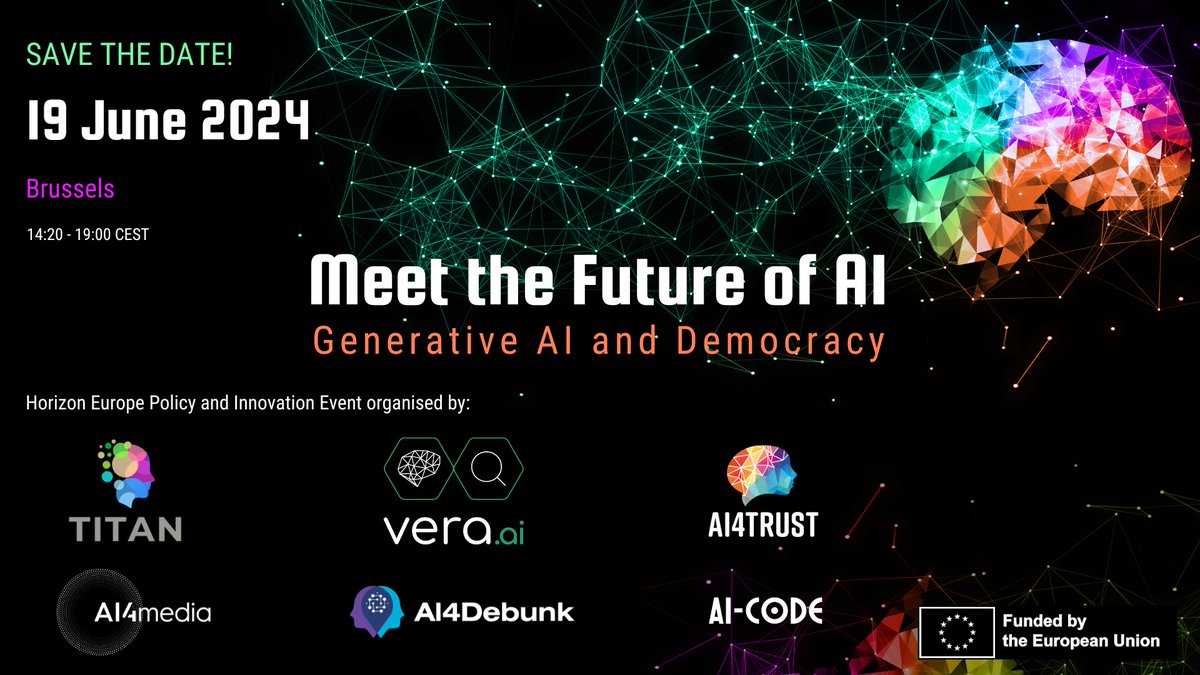
✨Event Alert! Meet the Future of #AI - Generative AI & Democracy!
Join us on June 19 in Brussels to explore how #GenerativeAI impacts media & shapes democratic processes.
Co-organised by leading EU-funded projects
✅Free registration required👇https://t.co/wQb5592VlV
In the context of the Horizon Europe MAMMOth project, we developed the "AI Fairness Definition Guide" to help those creating AI understand how to define fairness in the social context of their created systems by working with new stakeholders. https://t.co/apz5afaCJZ
To help with the reliable and in-depth evaluation of Synthetic Image Detection (SID) methods, we introduce SIDBench, a modular Python framework that accommodates a variety of detection models and synthetic datasets. Find the pre-print here: https://t.co/aOROiQQgKp
🚨Publication alert
(𝑯𝒐𝒘) 𝒅𝒐𝒆𝒔 𝑨𝑰 𝒄𝒉𝒂𝒏𝒈𝒆 𝒕𝒉𝒆 𝒏𝒆𝒘𝒔?
Thanks to the @TowCenter, my big-picture report on this is finally out, based on 170 interviews with industry/academic experts & employees at 35 publishers in 🇺🇸🇬🇧🇩🇪
🔓🔗 https://t.co/gbiq0n1mkZ
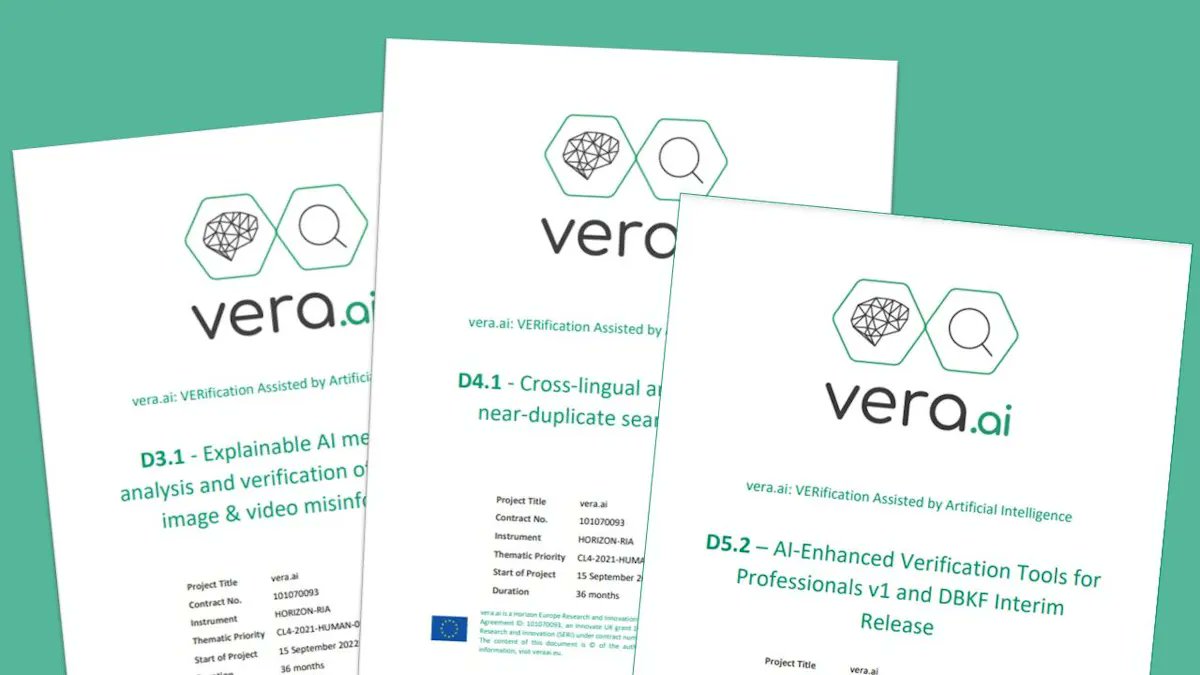
We just published three Deliverables (reports detailing work progress, approach and outcomes)
1: Explainable AI methods for analysis and verification of text, audio, image & video misinformation
2: Cross-lingual and multimodal near-duplicate search methods
https://t.co/eX99uxAeYc
Our study 'Mitigating Viewer Impact From Disturbing Imagery Using AI Filters: A User-Study' has been published! 😀 I worked on this with Ioannis Sarridis (lead), @sympap and @olgpapa of @meverteam and thank everyone who participated! 🙏
https://t.co/LparPWYjc7
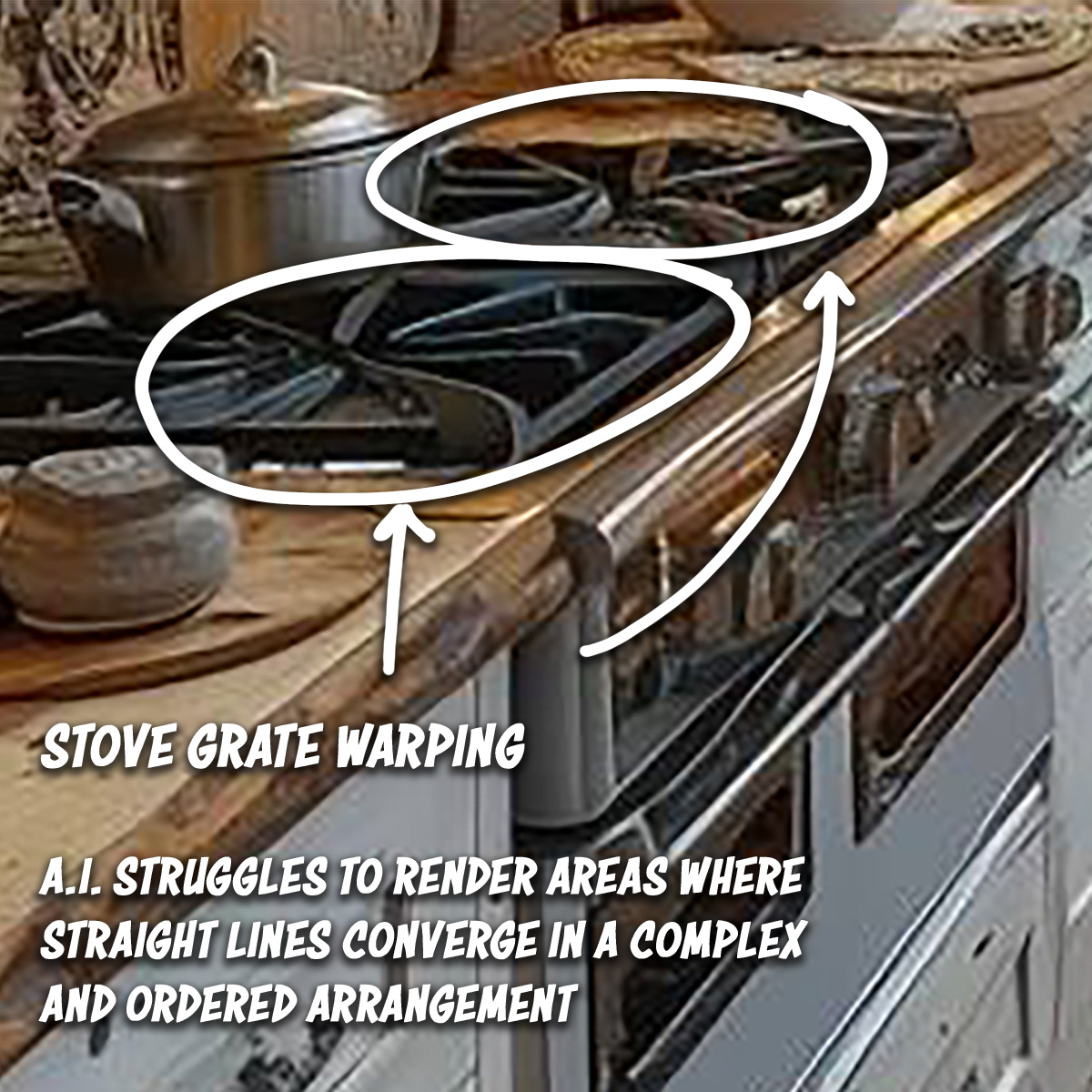
Being able to spot fake images is becoming an essential skill in social media literacy.
This AI-faked image got 90,000 likes/shares in 2 days. The algorithm rewards pages that flood the internet with rapidly generated AI content.
Here are some tips for spotting AI 📷! 🧵(1/4)
Next week in the AIMMES 2024 workshop, our team will present a framework for bias assessment and mitigation, paired with our FairBench Python library developed within @mammoth_ai.
Read the pre-print here:
https://t.co/299pJ1a05l
#ΑΙFairness#EthicalAI
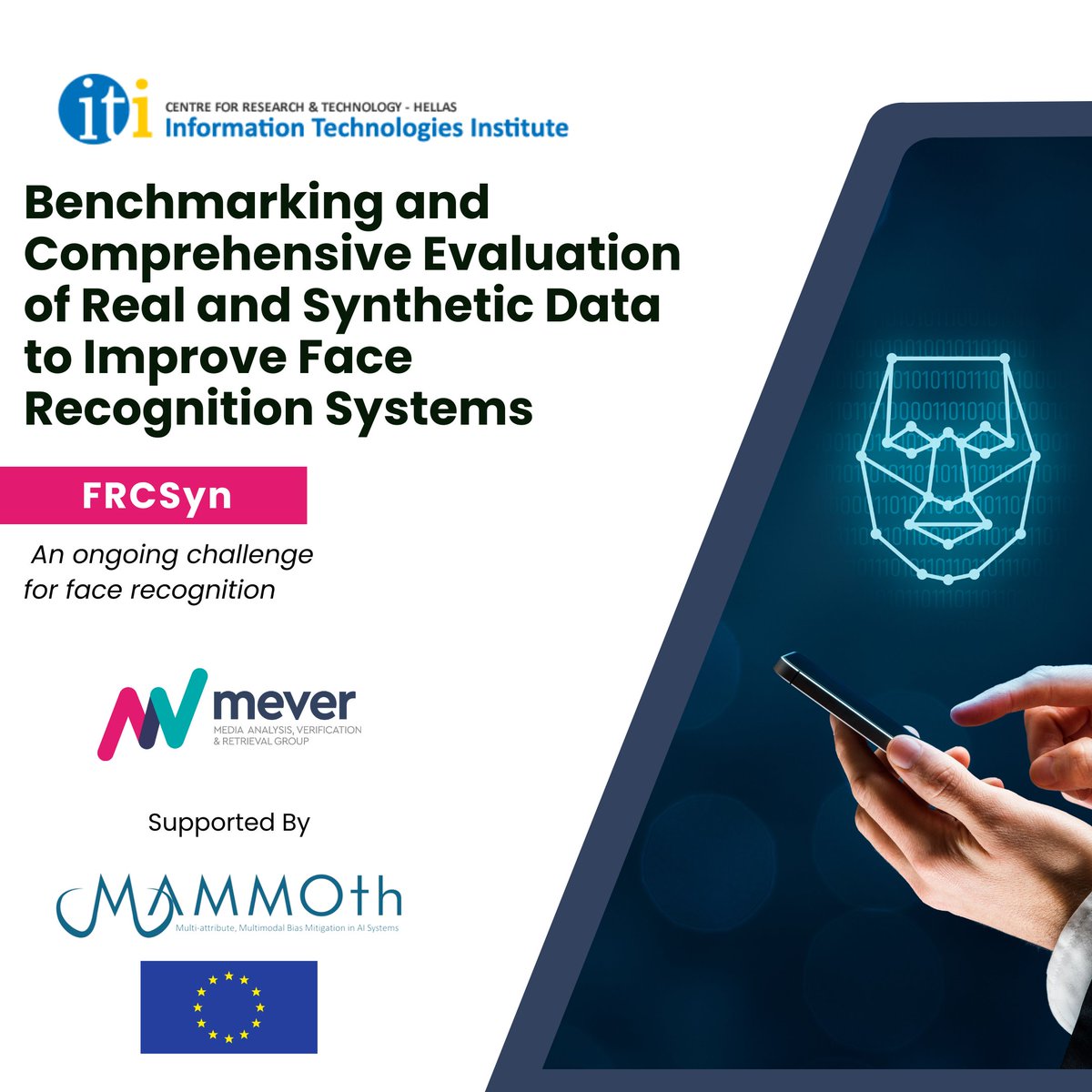
As part of the #FRCSyn-onGoing challenge, we explored breakthroughs in #facerecognition and #syntheticmedia technology to mitigate demographic bias and enhance performance in challenging conditions. See related Information Fusion paper here: https://t.co/OacAqBnDzi
As a collaborative effort, under the leadership of our @kbontcheva, a new White Paper has been published. Topic: “#GenerativeAI and #Disinformation: Recent Advances, Challenges, and Opportunities.” Reachable via @EDMO_EUI https://t.co/faluaonXKd