« Si tu as un problème, cela signifie qu'il peut être résolu. S'il ne peut pas être résolu, alors ce n'est pas un problème. C'est une réalité qu'il faut accepter. »
— Gustavo Fring
Caching looks simple until you have to run it at Facebook (Meta) scale.
This paper on CacheLib is a great deep dive into what actually breaks: massive working sets, high churn, bursty traffic, DRAM + flash, write amplification, OOMs, and even cache warm restarts.
CacheLib eventually powered 70+ Facebook services, and reports up to 1M requests/sec on a single production server with 60–90% hit ratios.
My favorite kind of systems paper: taking a concept we use every day and showing what it really takes to make it work at scale.
Save for weekend reads - https://t.co/3bmrbXsE2q
Blog - https://t.co/W2pgGQ1WOD
Do not be afraid to sow without immediately seeing the fruits. The sowing belongs to you; the growth belongs to God. No gesture carried out in the name of Christ is useless.
my dad was a fucking rocket engineer who taught me something that made me RICH
wasn't some soft ass "believe in yourself" bs
it was QUICK MATH (keep reading it's saucy)
this man ran calculations for missile trajectories in the military. could tell you impact coordinates in his head while other guys needed computers. but he'd say "close enough is better than perfect too late"
"347 divided by 45? about 7. move the fuck on."
he'd make me calculate brutal equations instantly. not perfectly. INSTANTLY. because in real situations perfect math gets you killed while you're calculating
meanwhile you common folk are sitting with your calculator app making sure you got the EXACT answer while opportunities are flying past at 1000mph
this is why you're easy to kill in business...
you're trying to be PRECISE when you need to be FAST
business decision? you want 22 spreadsheets and three consultants' opinions. your competitor already launched, failed, pivoted, and is banking while you're on slide 73 of your market analysis like some soft as baby shit analyst
pricing your service? you're researching statistics for weeks. just pick a fucking number that scares you and TEST IT. wrong? change it tomorrow. you lost one day not six months.
"but what if i'm wrong?"
YOU WILL BE WRONG YOU FUCKING MORON
difference is i'm wrong in 5 seconds and correct in 10. you're still thinking about maybe being wrong next year while i'm already counting money
my first agency? picked price out of thin air. $5k/month felt insane. someone paid instantly. raised to $10k next day. then $20k. found the ceiling in 3 weeks.
you would've surveyed 100 people and ended up at $2k because that's what the statistics said was "reasonable"
quick math beats perfect math EVERY FUCKING TIME
hiring? meet them, trust your gut, done. "but what about background checks..." shut up. you know in 10 minutes if someone's solid or soft as baby shit. everything else is corporate theater.
launching products? ship at 70% and fix it live. "but what if..." what if you die waiting for perfect? at least i'm getting paid while fixing bugs instead of perfecting something nobody wants.
here's what overthinking really is: FEAR dressed up as intelligence
you're not being thorough. you're being a PUSSY, you want spreadsheets to blame when shit fails instead of owning your decisions like someone who isn't easy to kill
fuck your process.
347 divided by 45? about 7
should i hire this broad? she seems hungry? hired.
should i fire this client? they annoy me? gone.
should i raise prices? feeling poor? doubled.
CLOSE ENOUGH IS GOOD ENOUGH
perfect is for common folk who die with perfect plans. done is for killers who die with results.
i watch people spend 6 months on business plans that are worthless the second reality hits. my business plan was "make money." took 2 seconds. still works.
you know what matters? VELOCITY not accuracy.
100 decisions at 70% accuracy beats 10 decisions at 95% accuracy. because those 100 decisions taught you what actually works while your statistics are still theoretical
my competitors still calculating unit economics while i've tested 20 offers and found the one that prints. they have better spreadsheets. i have better everything else.
quick math principle applies to everything:
relationships? you know in 10 seconds if a broad is worth your time. stop needing 6 months of data to "be sure"
investments? thesis makes sense and founder isn't soft? send it. your due diligence is just procrastination with a fancy name
opportunities? someone offers you something that could work? say yes figure it out later. "but the statistics say..." statistics are for people easy to kill
here's the truth: your best educated guess RIGHT NOW beats your perfect answer NEVER
because while you're calculating, killers are DOING. while you're analyzing statistics, they're creating them. while you're planning, they're already celebrating.
347 divided by 45?
about 7.
good enough.
NEXT.
that's the yegor method. quick math. violent execution. adjust on the fly.
everything else is mental masturbation that common folk use to feel smart while staying broke
my dad could calculate missile impacts in his head but knew "close enough" beats "perfect too late"
a "close enough" nuke skill decimates a city. a nuke that never launches does ZERO
now make that fucking decision you've been sitting on. your gut already knows. stop pretending you need more data.
study the yegor method.
I heard a rumor that Shopify was their biggest client for those first 2-5 years and they built the whole Stripe experience and product around Shopify, which then enabled them to scale to other small businesses as Shopify was an excellent use case to focus on before expanding.
Every pre PMF startup needs to find their Shopify, or group of Shopifys.
"Sales were ₦100m."
That's reporting.
"Sales were 8% below budget, 4% below the same period last year, because customer traffic declined in three locations."
That's analysis.
"We need to address footfall in those locations, review the offers, and track the impact weekly."
That's decision-making.
Reports give you raw data. Analysis gives the data meaning, and decision-making turns that meaning into action. Don't spend time just discussing numbers everyone can already see on the slides.
Ask why? And then so what?
What drove the increase? Which locations, products, or channels contributed most? Is it a one-off or a trend? Why did costs rise? Did those 500 leads actually become customers? Why not? What changed compared with last month, last year, or the budget?
And most importantly, what are we going to do about it?
A useful review meeting should therefore move from:
What happened → Why it happened → What it means → What we are doing next.
Go beyond reporting numbers!!
#BuildingSoFresh #BusinessLessons
Day 16/30
If you’re working on a pitch deck this weekend, here’s one of my favorite ways to test it.
Give the deck to someone who doesn’t know much about the company.
Let them read the whole thing.
Then ask them to pitch the company back to you.
Listen closely to what they remember and how they explain it.
That’s a pretty good test of what your deck is actually communicating.
I’ve reviewed a lot of pitch decks over the years. I still find this more useful than starting with individual slides.
you will never be this young again. so chase the dream. take the risk. love harder. laugh louder. allow your imagination to run wild. express your feelings. remember it’s about satisfying your soul, not society. so just keep doing what makes you genuinely happy. cause your life was never meant to be lived for other people’s opinions. one day this version of you will only exist as a memory, so stop waiting and just live. “dream as if you'll live forever, live as if you'll die today.”
The DDIA book (Designing Data Intensive Applications) is a classic no-doubt and has much in-depth stuff about distributed systems (Nowhere close to completing it though). However it is also too much to digest for any beginner (me).
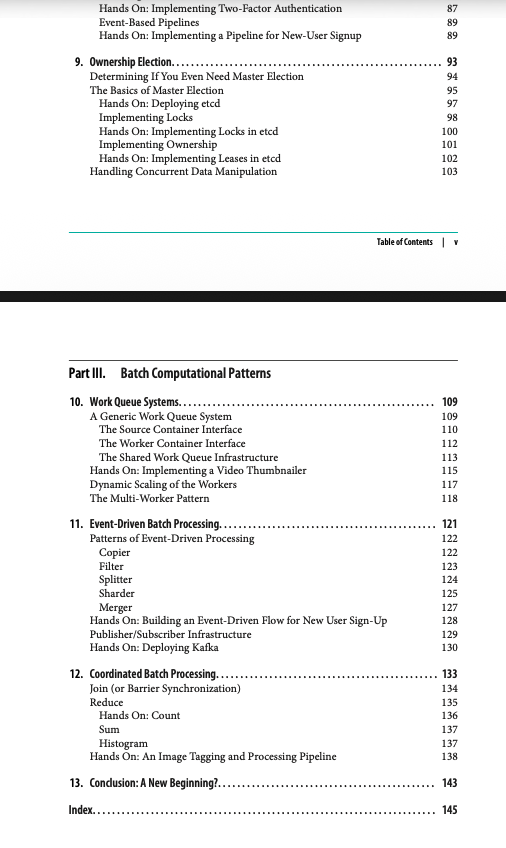
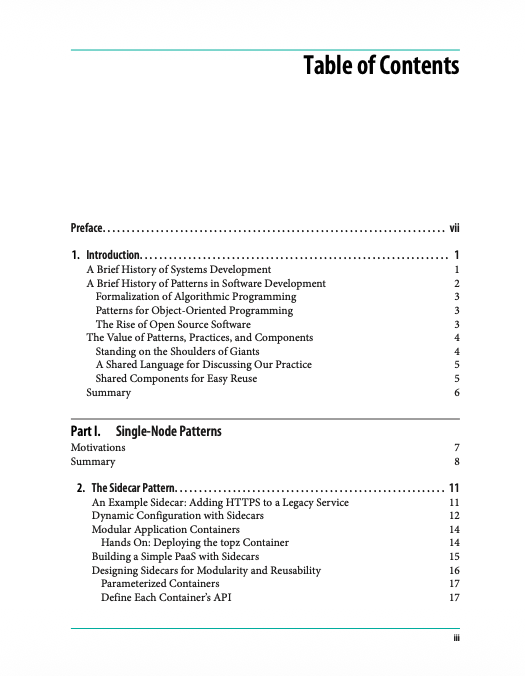
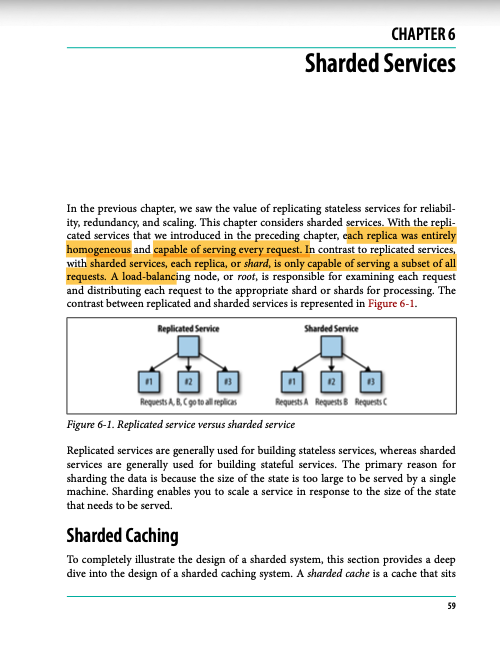
Personally I found this one a much better starter book. Gives a birds-eye-view of the systems and components along with a hands-on exercise after each pattern. Also just a bit over ~160 pages - readable in a few days. A week or so if doing hands-on›
unlearn shame. all forms of shame: unemployment, illness, vulnerability, longing, desire, errors, failures. you do not need to feel ashamed of what you are experiencing or living. freedom and shame cannot coexist.
Major cheat code for life: Learn to delay your reaction. Anger, fear, and impulse will try to make you move fast. There's power in pausing. In the pause, you see clearly, you respond wisely, and you avoid decisions you’ll regret. Slow down to speed up.