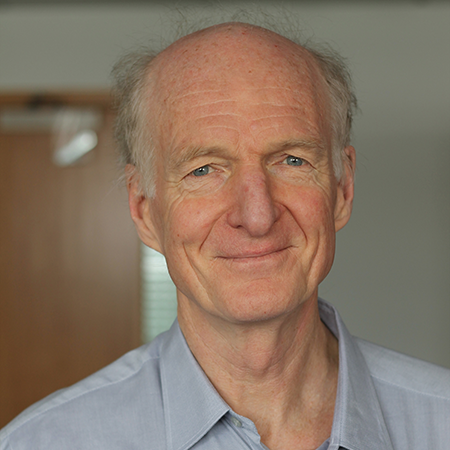
We are deeply saddened by the passing of Professor Sir Nicholas White @MORUBKK
Nick was a visionary in #malaria treatment whose work transformed global health.
He will be remembered with great respect and affection
Read our tribute 👉 https://t.co/GbdSiHKzii
Cryptosporidium genetics really works! Latest cross explains why tb drug failed in crypto clinical trial. Widespread genomic heterogeneity at the type II NAD(P)H dehydrogenase locus predisposes Cryptosporidium to clofazimine resistance @millseba https://t.co/3g7zSjBYpP
The Roland A. Cooper Award was established in 2024 to support parasitologists from endemic areas to attend international parasitology conferences. Your generous contribution, no matter the size, will have an immediate impact. https://t.co/8umxdltq2o
Without NIH funds to run research labs at academic institutions, as a country we cannot train PhD students. No physician scientists. No undergraduates get experience in labs. Nothing.
Industry does none of these things.
Other countries will have to take the lead.
In the last FY, IN universities received $414 million in grants. That translated into $1.1 BILLION in economic activity. With the proposed cuts, the state of IN will generate ~$451 million less. Check out the economic impact of NIH funding in your state: https://t.co/yQAm97VTYG
Today I am thinking of the people I’ve met around the world—children, parents, health workers, teachers—who will be harmed by the Trump administration’s decision to try to dismantle USAID and walk back U.S. leadership in global health and poverty reduction.
I’m thinking, too, about the dangerous ripple effects this will cause. In an increasingly interconnected world, we’re all better off when lifesaving medicines are developed and delivered, when disease outbreaks are halted, and when nations lift themselves out of poverty.
Strong leaders throughout history have understood that foreign aid builds a heathier, safer, more prosperous world—and that’s a goal everyone should be able to get behind.
Please consider donating to the new Roland A. Cooper Award to support parasitologists from endemic areas to attend international parasitology conferences. Find information and donate link at https://t.co/6Q2b3qE8jj @ASTMH@BSPparasitology@AmSocParasit@AS_Para@LlinasLab
Introducing the first issue of Catalyst magazine.
In this publication, we present news from the College of Science at the University of @NotreDame, along with reflections on our recent accomplishments and a vision for our future.
https://t.co/2Eddpzf45m
By observing the world through the eyes of baboons, @NDscience Professor Beth Archie is helping to reveal patterns that may help human societies.
To meet all the members of this year's All-Faculty Team, visit https://t.co/LsFsrEjnZA.
This amazing cover was designed by Dr Rajat Kumar in my lab and represents our review on the complexities of #ApiAP2 transcription factor regulation of malaria parasite development.@BMB_PSU@PSUScience
Local friends and colleagues, early voting is currently available at the County-City Building downtown. Very organized and fast. More info here: https://t.co/oRMRwj4MWM
Very proud of our new @TrendsParasitol review on the complexities of ApiAP2 regulation in Plasmodium falciparum. Building on the legendary reviews by @Painter_Lab (2010) and @M4774R14 (2019)!! https://t.co/GnaThRDxMa
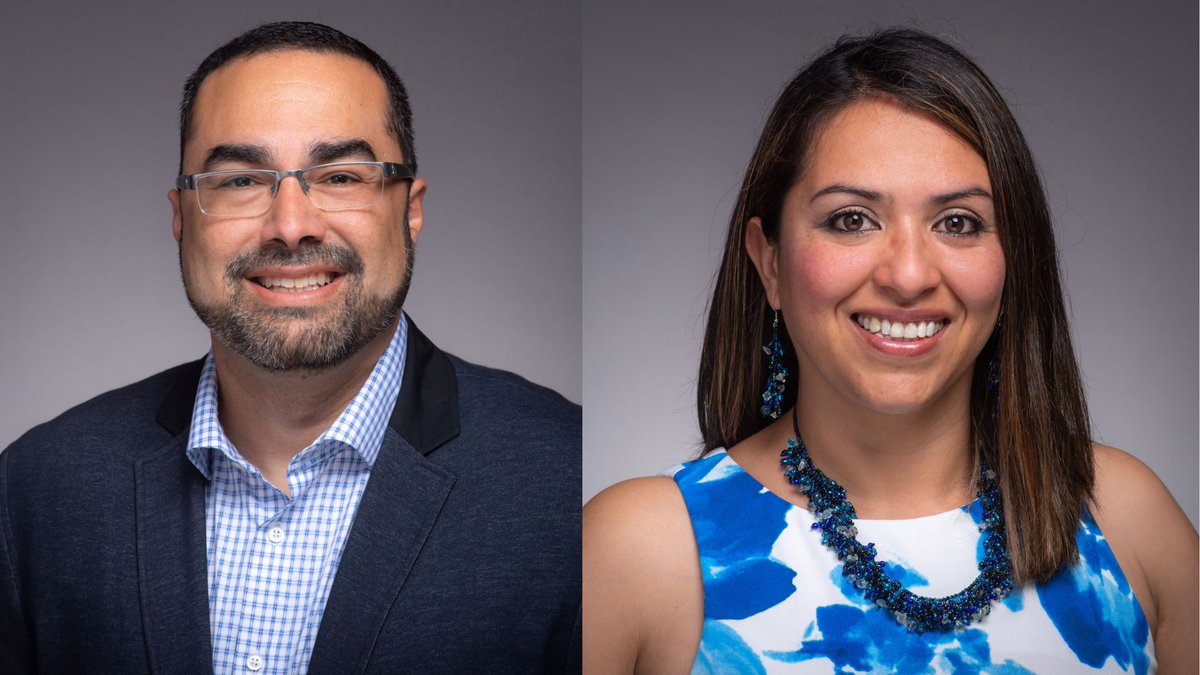
Two @NotreDame College of Science faculty members have been named in the inaugural Atlas of Inspiring Hispanic/Latinx Scientists.
Congratulations, @alfmireles and @Felipe_hst!
https://t.co/VTIHjuiVGp
More uproar about the loss of VEuPathDB:
Critical loss: the effects of VEuPathDB defunding on global health - The Lancet Microbe https://t.co/a40BuIhlfh
The VEuPathDB group and researchers who depend on this data have put incredible effort into seeking answers from NIH and looking for a way to at least keep the data up until its replacement is in place. Incredible!