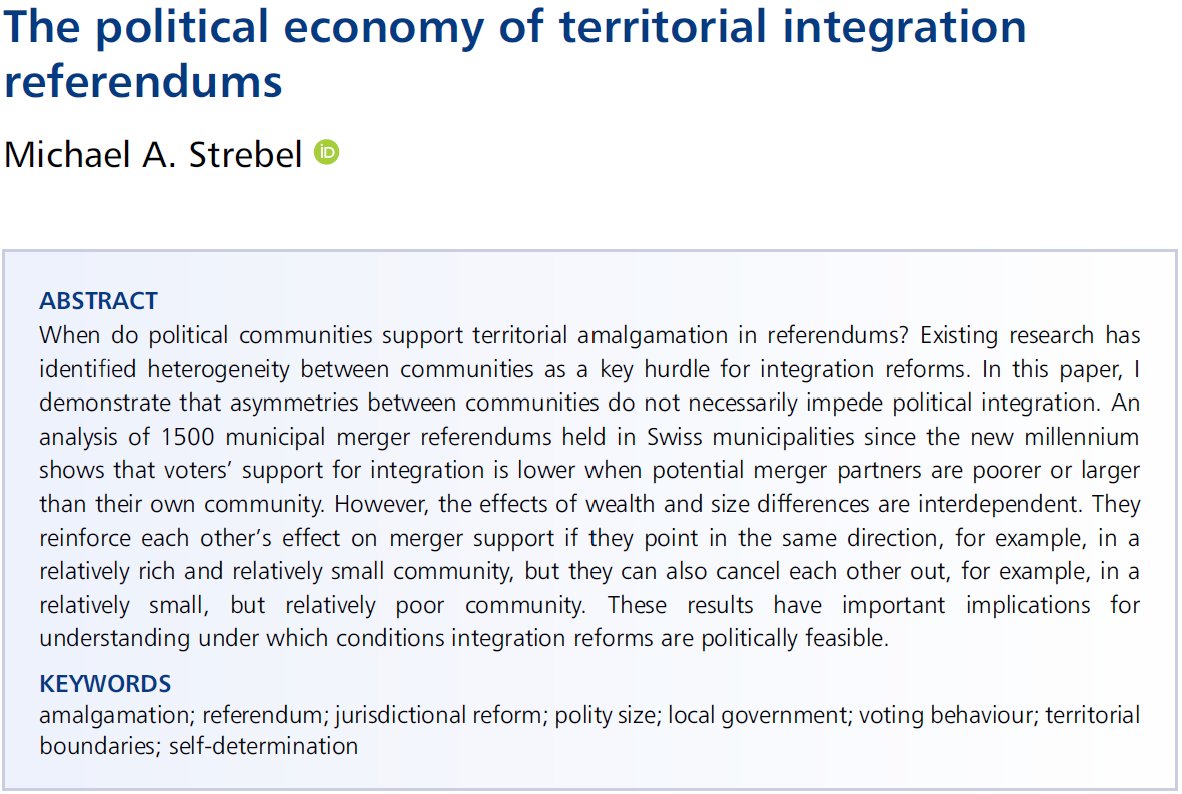
When do voters support the redrawing of territorial borders? If you’ve always wanted to know, my new article in @RSA_TPG is for you (and it’s #OA thanks to @unil) (Deutsch/Français: ⬇️)
https://t.co/du9HczdHxU 1/12
🟣 Volume 16.3
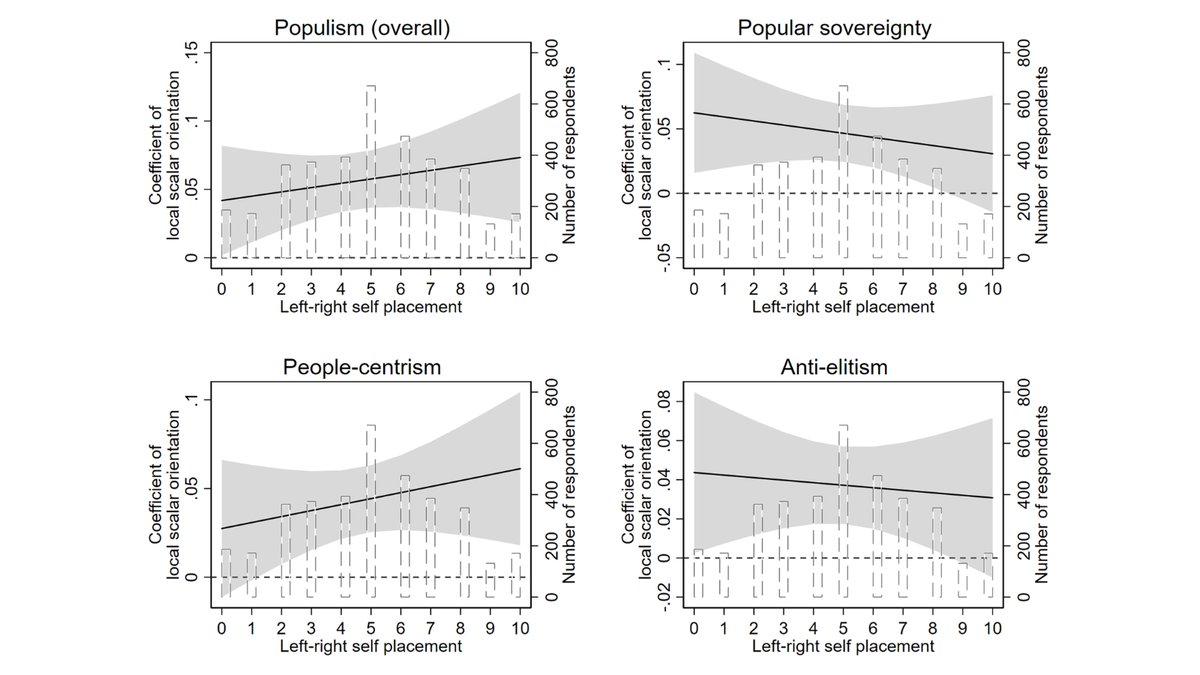
💡 Daniel Kübler, @mic_a_stre & Frank Marcinkowski explore the relationship between populist attitudes & orientations towards state scales, drawing on a representative survey of over 4000 citizens in 🇬🇧 🇫🇷 🇩🇪 🇨🇭
#OpenAccess 🔓 https://t.co/DhlbXkEPyD
Bis in die 1950er Jahre dominierten Arbeiter:innen in der städtischen Linken. Wie hat sich seither das Profil der linken Volksvertreter:innen in den vier grössten Schweizer Städten verändert? Das untersuchten @B_Antoniazza, André Mach, @mic_a_stre.
https://t.co/yRHV2soP2W
Parution du livre "Élites et pouvoir dans les grandes villes suisses (1890-2020)", le 19 août 2024 aux éditions Alphil.
Précommande de la version physique et open access en PDF, soutenu par le Fonds National Suisse (@fns_ch), disponibles ici : https://t.co/Nl0z8tMV7n
🚨 Job alert: (Postdoctoral) researcher (1 1/2 years, 100% FTE) in my research project on "Legacies of democratic transition. Explaining the success of the populist radical right in eastern Germany" ⏰ Application deadline: 5 August 2024. Please share. https://t.co/uUKvF5XmA7
Social Change in Switzerland: @B_Antoniazza, André Mach und @mic_a_stre zeigen wie sich seit 1910 das Profil der linken VolksvertreterInnen in den vier grössten Schweizer Städten verändert hat.
https://t.co/yRHV2sohdo
Très heureux de présenter ce papier écrit avec André Mach et @mic_a_stre. Nous montrons l’évolution du profil socio-professionnel des élu·e·s de gauche entre 1910 et 2020 dans les quatre plus grandes villes suisses (Bâle, Genève, Lausanne et Zurich)
@ObElitesSuisses@sspunil
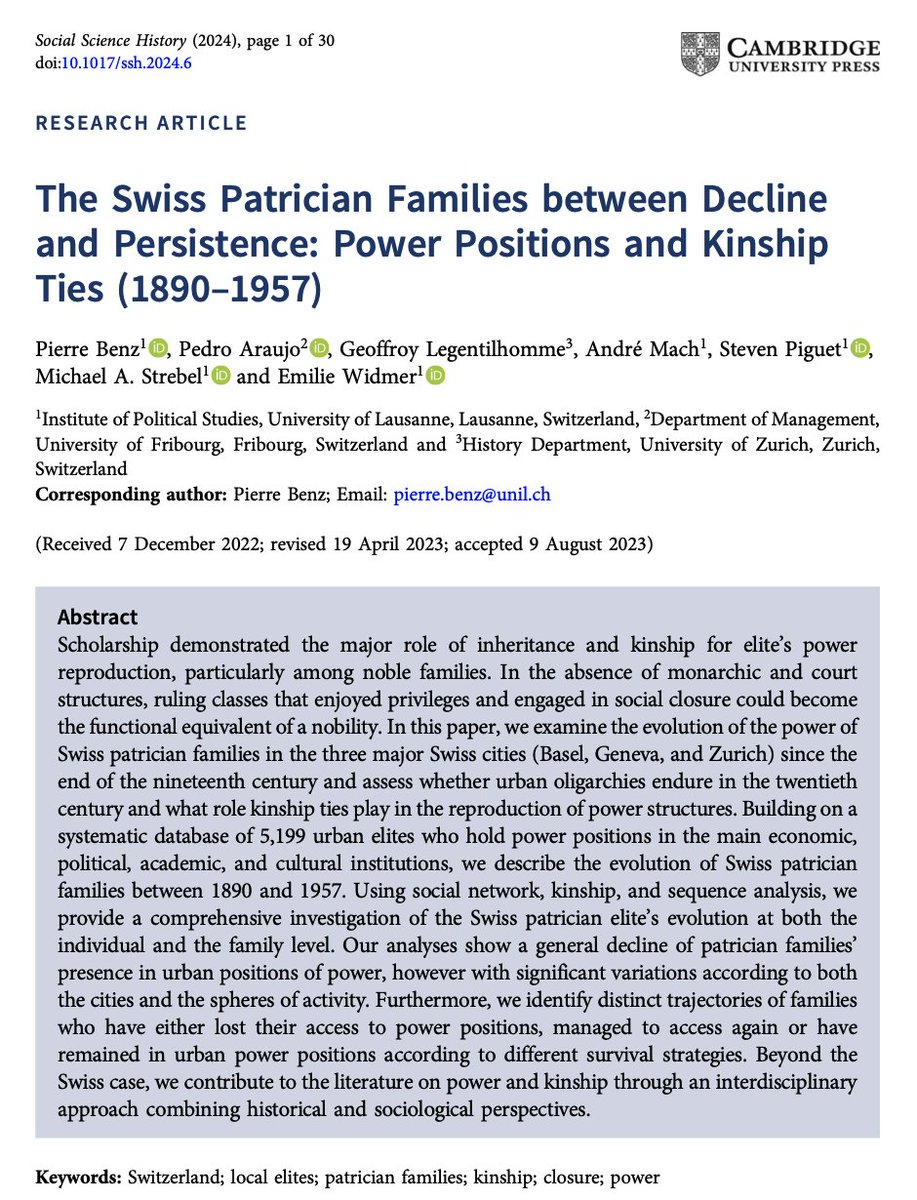
Very happy to share our new OBELIS collective paper, brilliantly led by @benz_pierre, on the decline and persistence of Swiss patrician families at positions of power between 1890 and 1957.
Published in Social Science History: https://t.co/ALBkou0CNh
🆕 Daniel Kübler (@UZH_en), @mic_a_stre & Frank Marcinkowski (@HHU_de) explore the relationship between populist attitudes & orientations towards state scales, drawing on a representative survey of over 4000 citizens in 🇬🇧 🇫🇷 🇩🇪 🇨🇭
#OpenAccess 🔓 https://t.co/DhlbXkEPyD
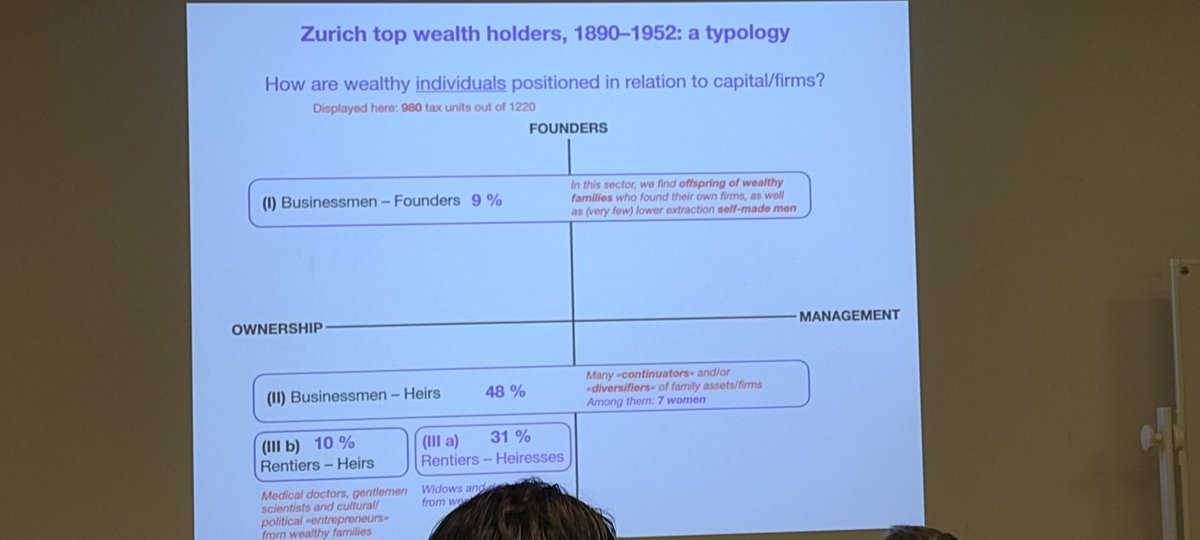
Two great days in Lausanne learning about the relations between local, national and transnational elites studied in the Sinergia project.
Here Matthieu Leimgruber on wealth elites in Zurich
Very soon (and honoured to be part of it w/ my co-author @chellersgaard and other colleagues from @ObElitesSuisses@Drope_Araujo @LAjdacic Felix Bühlmann & Fabien Fourreault). Thanks a lot for the wonderful editorial process
What does it mean to see democracy like a city? It is more than just adapt #democracy to the city-scale. It is about reimagining democracy in times of #urbanization and crises.
#openaccess@DialoguesinR @RossBeveridge5
https://t.co/xlDp4S0EMZ
I have: an article published (open access @ResPublicaJrnl).
We (hopefully) have: one fewer objection to binding referendums and initiatives.
https://t.co/BGT7gUbzFm
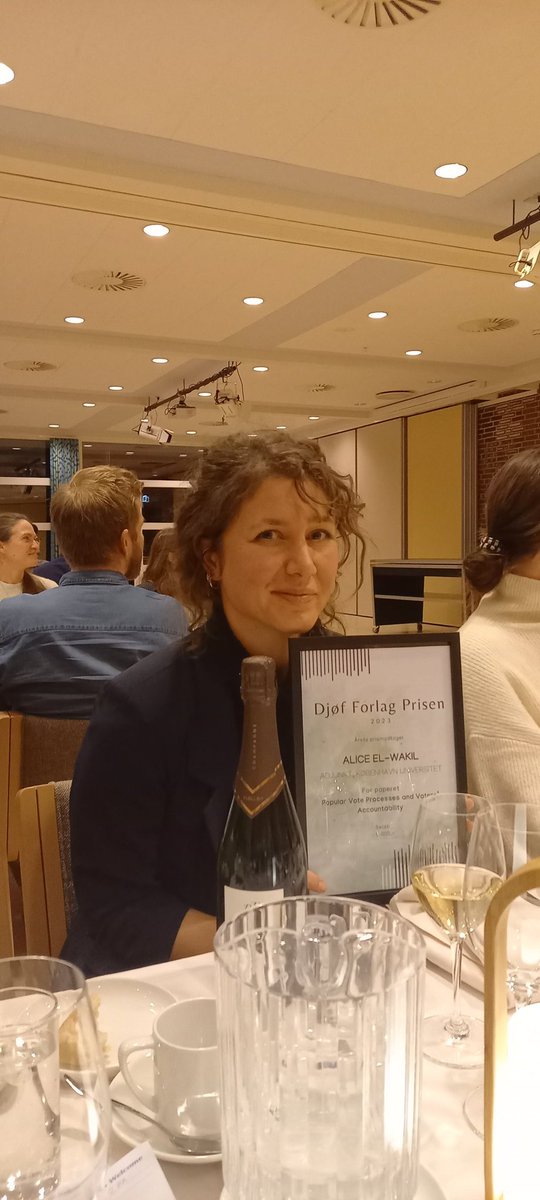
Best paper from DPSA to @anewq. If you want to know about Popular vote processes and voters' accountability, ask her.
So proud to be your colleage, Alice! @PolsciCph@djoef
Der vergangene Sonntag hat keine Überraschungen gebracht: die weitreichende Gemeindereform im Kanton @AppAusserrhoden wurde abgelehnt. Für @defactoexpert durfte ich einen Beitrag über die Rolle des Portemonnaies bei dieser Entscheidung schreiben:
https://t.co/Acg2Hpxs7s
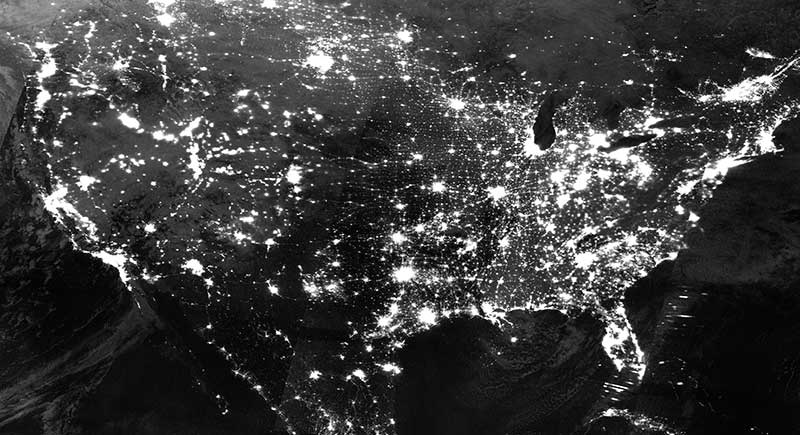
Soon we won't be able to use nightlights as a proxy for economic growth.
Why?
It's due to limitations of its spectral bands.
Here's the breakdown in simple terms:
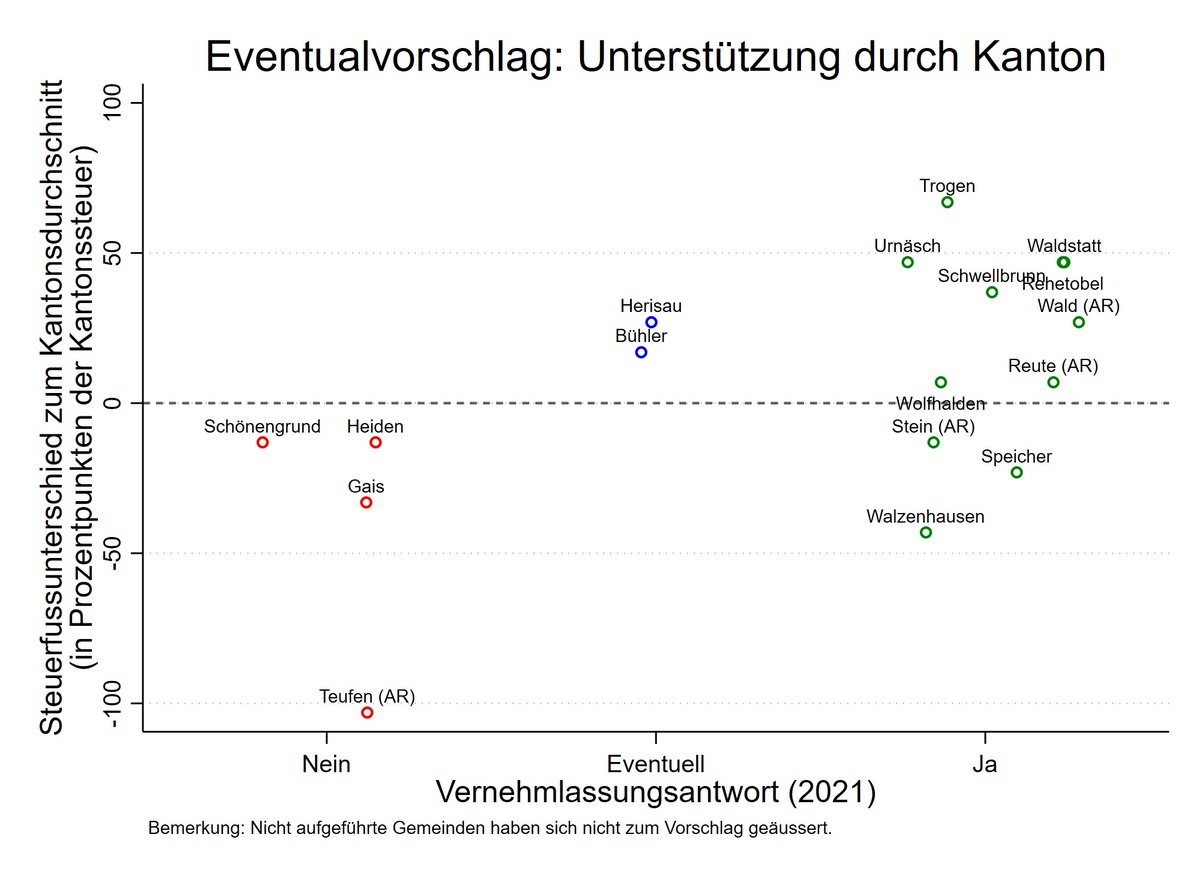
Falls die Stimmbevölkerung am Sonntag den Standpunkten ihrer jeweiligen Gemeinderäte aus dem Jahr 2021 folgt, dürfte der grosse Wurf wohl ausbleiben. Eine Fusionsförderung hätte aber wohl durchaus Chancen
Mehr Infos zu den Vorlagen hier: https://t.co/4E9lBJfn10 6/6
Besser sah es für den Eventualvorschlag aus: eine Mehrheit der Gemeinderäte stand diesem 2021 positiv gegenüber. Lediglich Gemeinderäte von Gemeinden mit einem im Kantonsdurchschnitt tiefen Steuerfuss, lehnen eine Fusionsförderung durch den Kanton teilweise ab 5/6