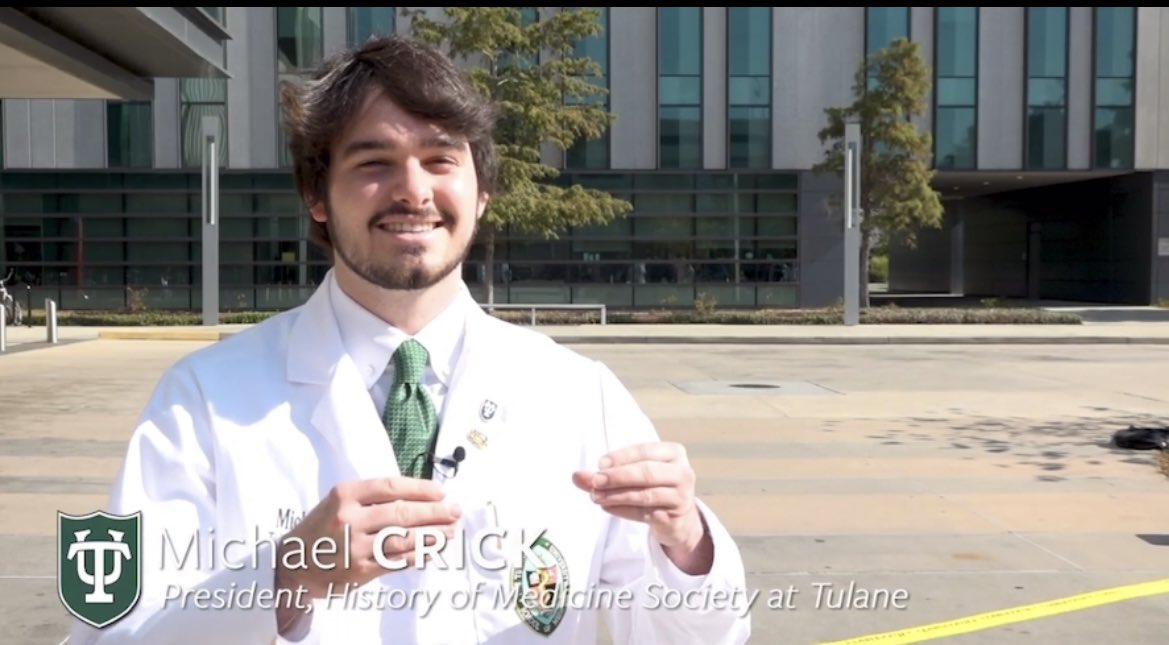
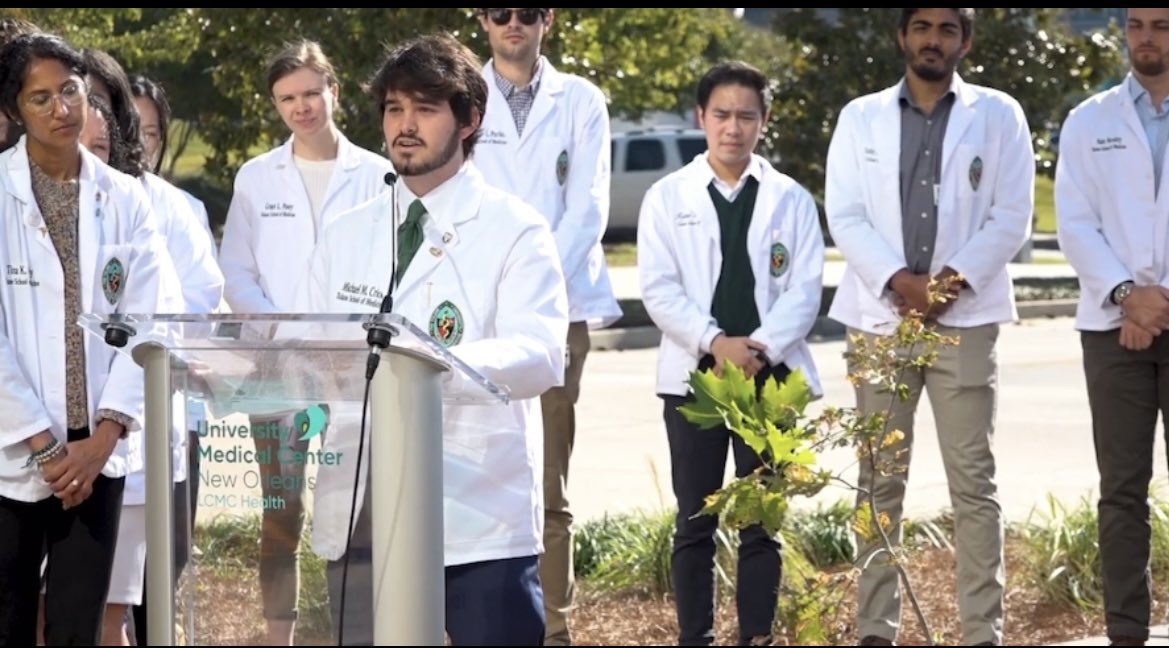
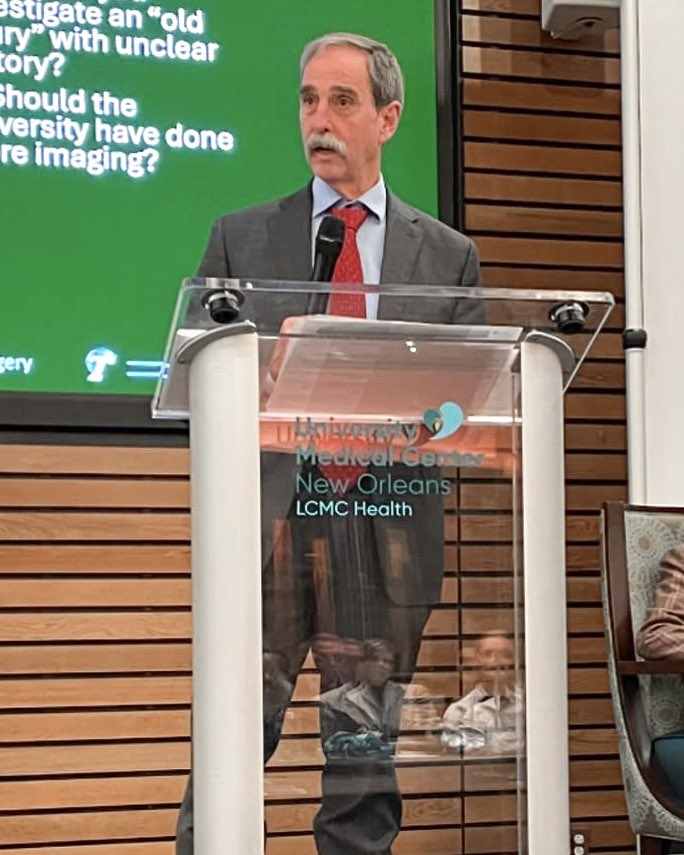
Privileged to have given the history of Hippocrates, why he is considered the father of modern medicine, and how we are continuing those attributes of patient centered care and learning at University Medical Center @UMCNO alongside @LSUHealthNO at the Hippocrates Tree Ceremony!
A symbol of medical education and patient care, a sapling from the Tree of Hippocrates is now taking root outside University Medical Center in New Orleans. https://t.co/Kku9kwQq25
A new weight-loss drug in late-stage clinical trials helped people lose 30% of their body weight. Dr. Shauna Levy, medical director of the Tulane Weight Loss Center, tells NBC News it could be a future non-surgical option for people with severe obesity. https://t.co/RxHo7ikjBk
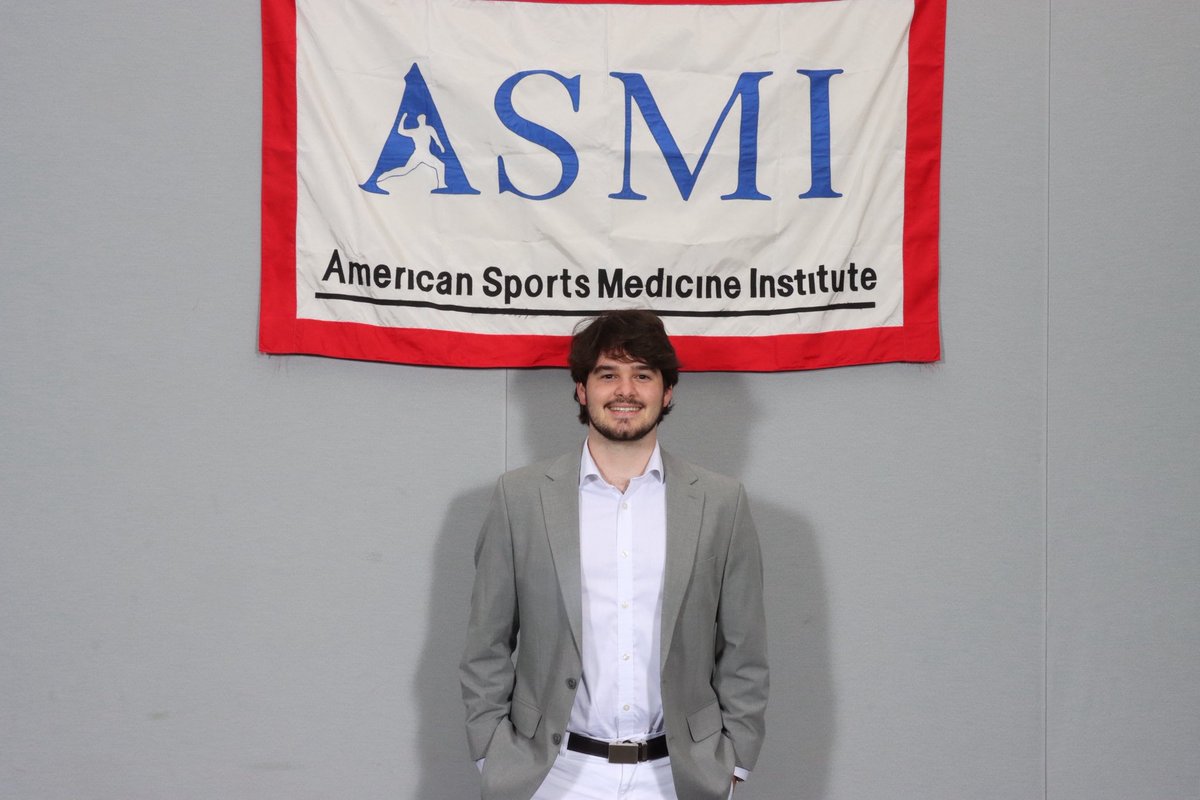
Michael Crick is a rising T4 at Tulane School of Medicine with plans to go into Family Medicine. Currently, he is completing a sports medicine fellowship in Birmingham. We congratulate him on his recognition from the LAFP!
https://t.co/Whr843pU0n
@TulaneMedicine's R. Shane Tubbs becomes the first American editor-in-chief of Gray’s Anatomy—one of the world’s most widely used medical textbooks, in print for 168 years.
Learn more ⤵️
https://t.co/lxtY7j5UgC
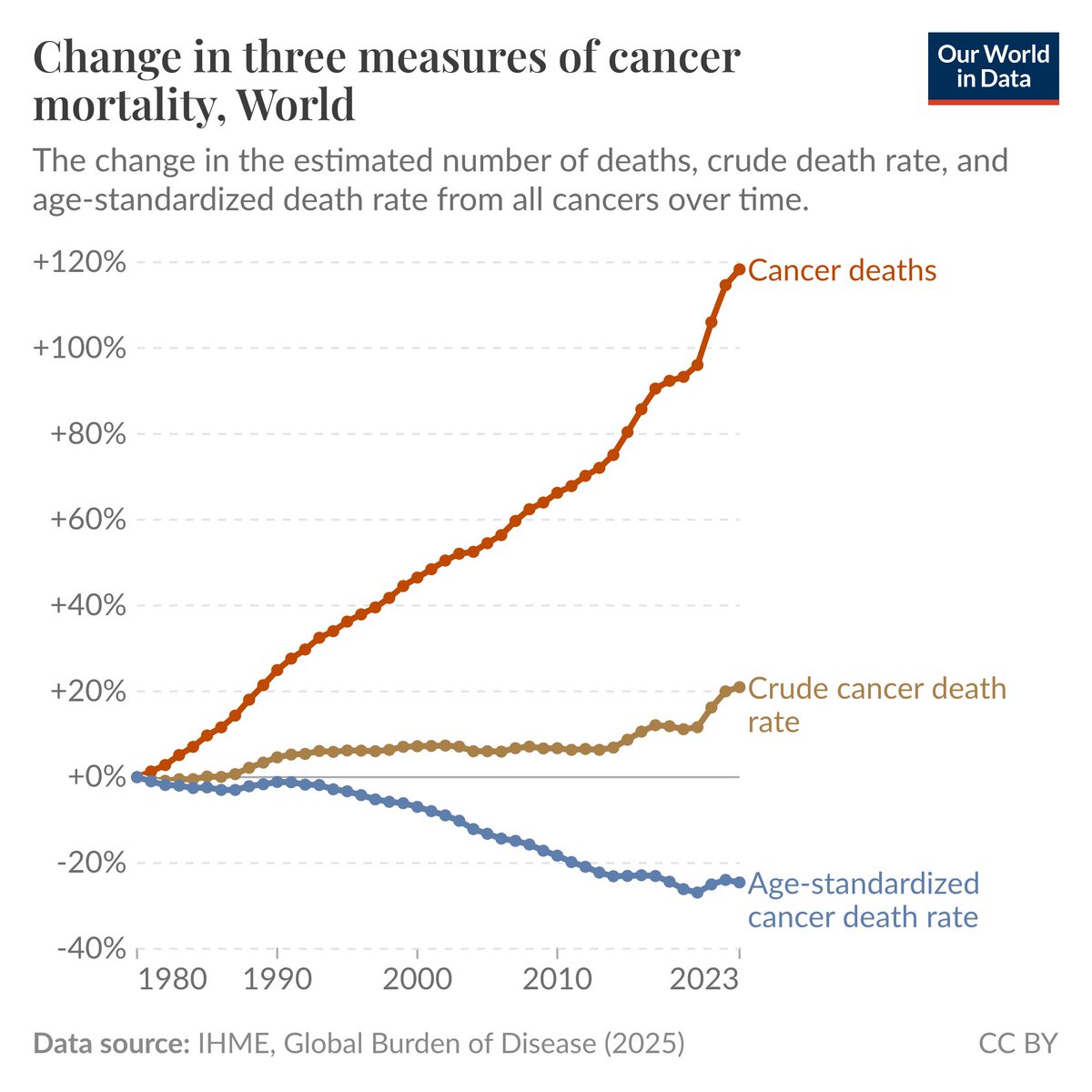
The number of cancer deaths worldwide has more than doubled since the 1980s. Does that mean we're losing the fight against cancer? Not necessarily, because it depends on how you measure it. On this chart, you can see three ways to look at the same data.
The red line shows the total number of cancer deaths. It has increased by about 120%, but this measure doesn't account for the fact that the world's population has also grown enormously over this period.
Another approach is to look at the death rate: the number of cancer deaths divided by the total population. That's the brown line, called the crude cancer death rate. It has increased too, but much less — around 20%.
But there's still a problem: the world's population has been getting older. Cancer is mostly a disease of old age, so even per capita, we'd expect more cancer deaths simply because there are more older people than before.
That's where the method of “age standardization” comes in. It's a way of asking: what would the cancer death rate look like if the age structure of the population hadn't changed?
The blue line shows this age-standardized rate: it's fallen by about 25%. At any given age, people are now less likely to die of cancer than they were in the 1980s.
The same underlying data gives us three different pictures. The absolute number of deaths is up; the crude rate is up slightly; the age-standardized rate is down. None of these are inaccurate, but they answer different questions.
Age standardization is one of the most important statistical methods for making sense of health data. Without it, population aging can hide progress or mask problems.
People are mad at Tulane and JMU, but the system was always set up for the power 5. It is not their fault that the PAC 12 was cannibalized and that the ACC champion wasn’t higher ranked. #RollWave
The #CFP included the 5 highest ranked champions back when there were 5 power conferences. The PAC-12 was dissolved for monetary reasons leaving 4.
The system was set up to help the power 5.
This year power 4 champ (Duke -ACC) lost to Tulane and didn’t deserve to get in 🤷🏻♂️
Finals are complete, marking the end of the academic Fall semester 📚
Still savoring our @American_Conf Championship victory. Now, all the focus shifts to @GreenWaveFB’s @CFBPlayoff game as we're officially one week out! 🏈🌊
Green Wave rolls on!
No. 20 Tulane tops the American Conference for the second time in four seasons with a 34-21 win over No. 24 North Texas!
#CFBPlayoff
Chronic stress may significantly increase stroke risk in young women, according to new research. Dr. Sarah Lindsey tells @Healthline that stress may reduce the cardiovascular protection women typically have, emphasizing key differences in stroke risk. https://t.co/OZOPfNCQVR
Last week, Dr. Buddy Savoie joined a distinguished group of Sports Medicine surgeons to share his expertise on an upper extremity case at the NFL Health & Safety #SuperBowl Medical Summit. Great work, Dr. Savoie!
#TulaneDoctors#TulaneMedicine#Orthopaedics#TulaneOrtho