@VickersBiostats I thought this insight was spot on. Do you have others to share?
One I have is that AI allows for an endless number of comparisons. Interpretation of p must be viewed in the context of # of hypotheses tested. Detailed method reporting = accurate interpreting of data by readers.
@VickersBiostats I recently had the pleasure of being on a email thread where you shared that in AI res folks report recall and F1 score. In med lit we use terms sens. and PPV. In this new era where AI tools are commonly reported in clinical journals, authors should avoid AI jargon if avoiadble.
@thekaransinghal@shamay___ Turns or no turns, it should be able to tell a patient with ketoacidosis to go to the ED. All the info was in the prompts in our study. This is absurd. These are people's lives. First do no harm.
@thekaransinghal When interacting with real patients we dont get to choose how they respond. Whether they are a good historian (your approach?) or a bad historian (our approach?) I figure it out. A consumer health tool should get it right no matter how the info is presented.
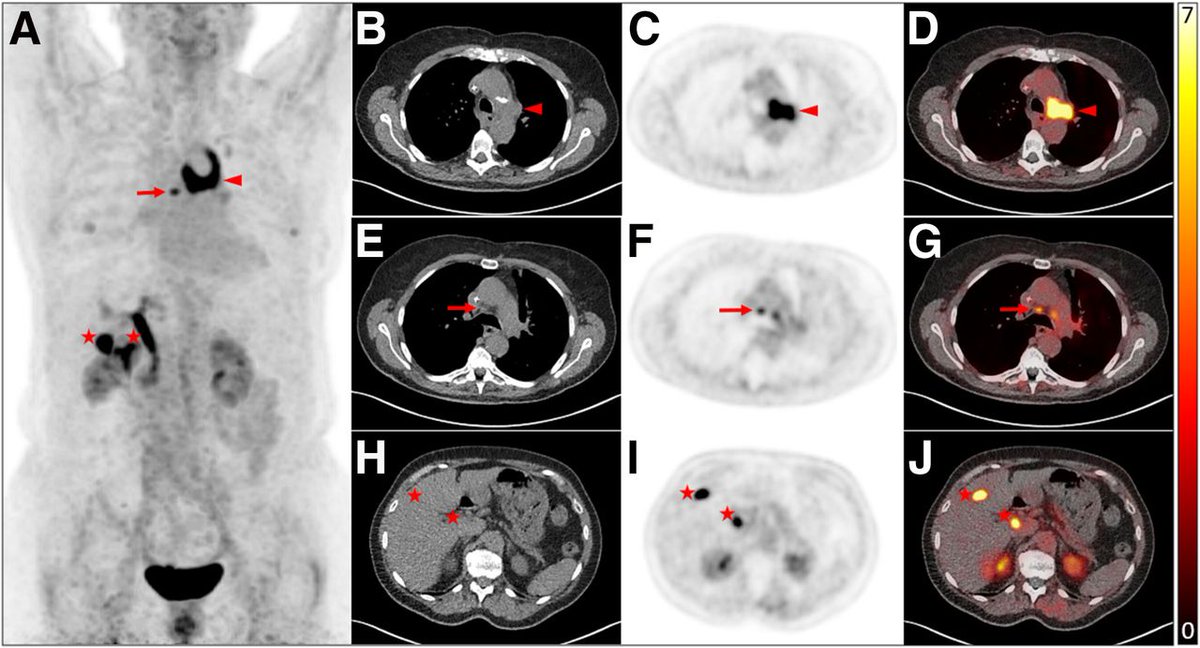
>10 years ago, @allaf_mo, @somjavadi, @michael_gorin, and I started on a quest to use sestamibi for renal mass characterization. I'm proud that we produced the following story: (TL;DR: it works!) https://t.co/dNfsIMowYl. @AlirezaAmin10 @liljasolnes@nirmishsingla@gottsled
🚨🤖 How safe is AI triage at consumer scale?
A structured stress test of ChatGPT Health (launched Jan 2026) evaluated triage accuracy using 60 clinician-authored cases across 21 domains (960 total responses).
📊 What emerged:
Performance followed an inverted U-shape — most dangerous failures occurred at clinical extremes.
⚠️ Emergency cases:
• 52% of gold-standard emergencies were under-triaged
• Examples: diabetic ketoacidosis & impending respiratory failure → advised 24–48 hr follow-up instead of ED
• Classical emergencies (e.g., stroke, anaphylaxis) were correctly triaged
🟡 Non-urgent cases:
• 35% showed inappropriate escalation
🧠 Cognitive bias vulnerability:
When family/friends minimized symptoms (anchoring bias), recommendations shifted significantly (OR 11.7) — mostly toward less urgent care.
💬 Crisis safeguards:
Suicide-related prompts triggered crisis messaging inconsistently — sometimes more often when no specific method was described.
📉 Equity findings:
No statistically significant differences by race or gender, though CIs could not exclude meaningful disparities.
🔎 Bottom line:
Missed high-risk emergencies + inconsistent crisis activation raise safety concerns. Prospective validation is essential before large-scale consumer deployment of AI-driven triage systems.
#AIinHealthcare #DigitalHealth #PatientSafety #ClinicalAI #HealthTech #MedicalEthics
https://t.co/Xt56EMIbo3
🆕 @NatureMedicine
How does ChatGPT Health do for appropriately triaging a person as to whether to go to the emergency room or stay home? https://t.co/2FN3qxEivx
Not very well. Under-triaged 52% of case vignettes that are considered gold-standard emergencies, like diabetic ketoacidosis or impending respiratory failure
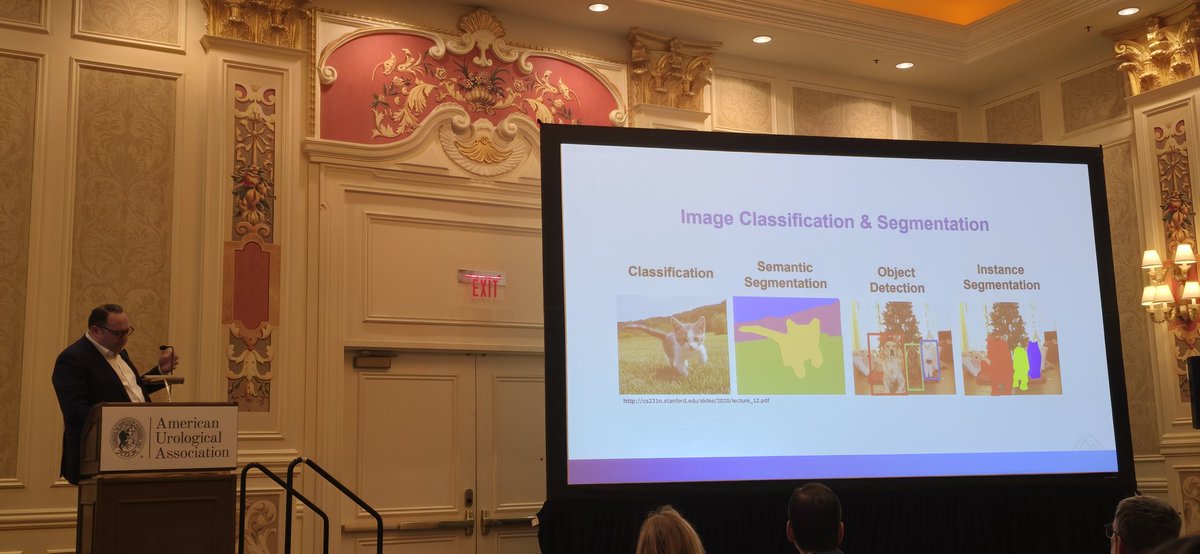
Nice summary of Artificial Intelligence >> Machine Learning >> Deep Learning from @michael_gorin
to kick off @BJUIjournal session at #AUA25
Will image segmentation CNNs provide answer to IDing "potentially lethal" prostate cancer (on MRI or histology)? I think so!
#SPACE_Study
.@michael_gorin, MD, @IcahnMountSinai, shares the advantages of the transperineal approach over the traditional transrectal method, particularly in minimizing infectious complications caused by rectal mucosa puncture.
#Prostate#Biopsy#Urology
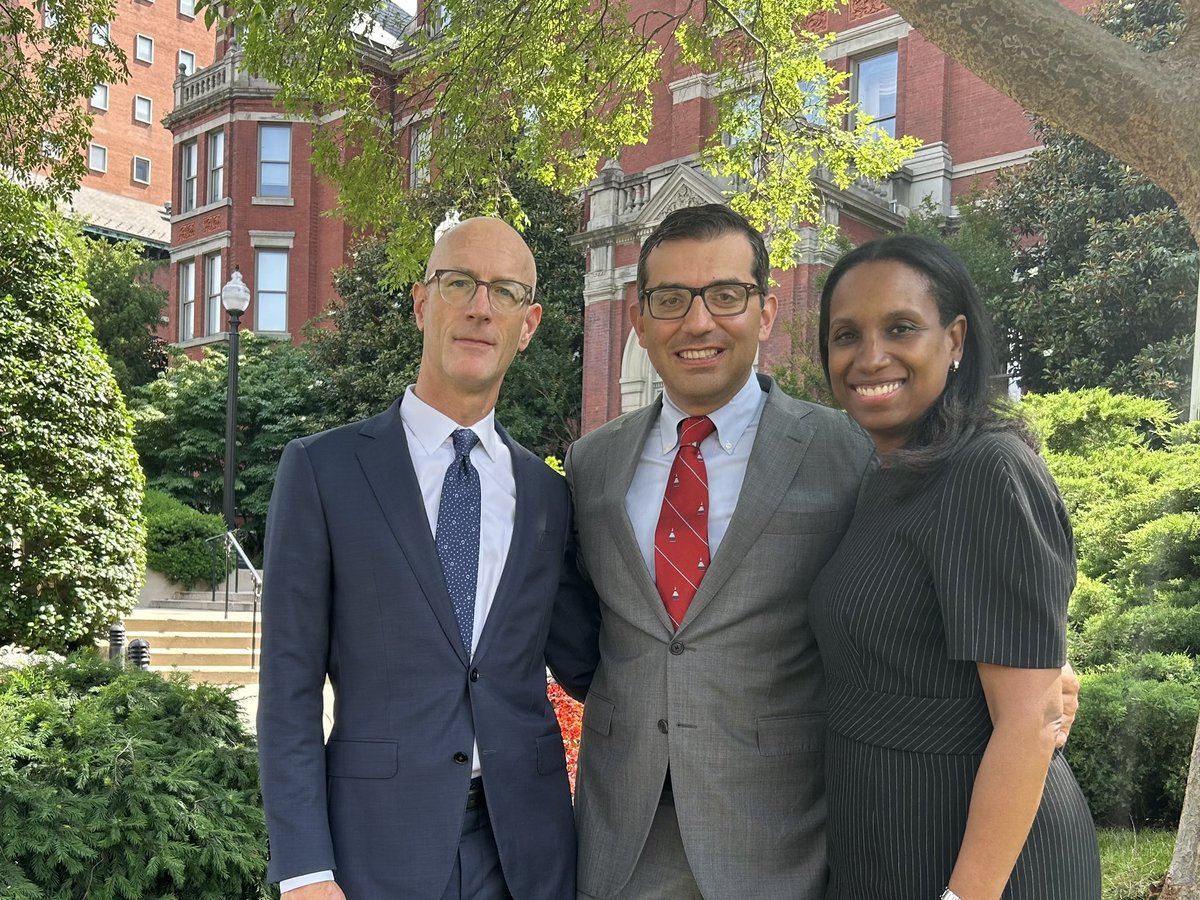
Our Department Chair, @EdwardSchaeffer, MD, PhD, traveled back to his roots as he is this weeks #VisitingProfessor at John Hopkins Medicine!
Dr. Schaeffer completed his residency from John Hopkins in 2007 and is pictured with the current Department Chair, Mohammad Allaf, MD, as well as our newest faculty member, Jennifer Miles-Thomas, MD, URPS, MBA.
@ollama@huggingface I am a clinical researcher @IcahnMountSinai working with @ThomasFuchsAI and @gabricampanella to develop LLM tools for data extraction from unstructured data to be fed into other multimodal models they have developed for cancer outcome prediction.