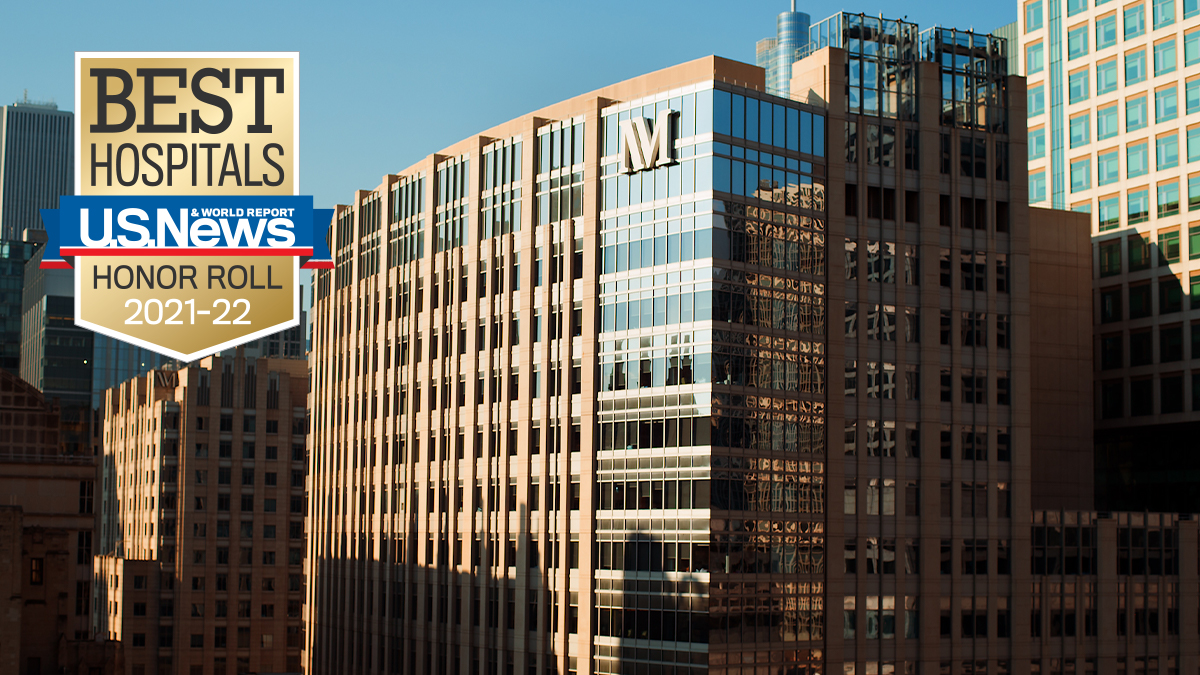
Northwestern Memorial Hospital has been named one of the top Gastroenterology and GI Surgery programs in the U.S., rising to No. 9 according to @USNews. This is a reflection of our commitment to conducting high-impact research and providing the most advanced clinical care.
The team of investigators also review current and emerging treatments that may potentially decrease cholestatic injury and alter disease progression within pediatric cholestatic liver diseases.
https://t.co/ro4CPwz66g
Gastroenterologists from @NorthwesternMed and @LurieChildrens review the formation and secretion of bile and bile acid signaling with a highlight on disease causing mutations.
After several months, researchers are beginning to see gastrointestinal issues manifesting in patients with COVID-19. Stephen Hanauer, MD (@NMH_SHanauerMD), discusses these symptoms and the data surrounding this new development.
https://t.co/IPeuriXGfv
Although colonoscopy reduces colorectal cancer risk, interval CRCs still occur. Gastroenterologists from @NorthwesternMed performed a retrospective cohort study of patients who underwent colonoscopy at an academic medical center.
Keeping weight off is not just about the foods you eat. Mindset issues like need for continued self-monitoring, getting social support, using positive coping skills, feeling good about yourself also critically important. #obesity#SixFactorstoFit@ObesityAction@ConscienHealth
Minimally invasive robotic surgery has revolutionized gastrointestinal surgery. In this panel interview, Vitaliy Poylin MD, and Jonah Stulberg, MD, expand on the utility of robotic-assisted minimally invasive gastrointestinal surgery.
Listen here: https://t.co/gbGJx5bt6k
Bethany Doerfler, RDN, MS (@DoerflerBethany), discusses her latest research on food-related quality of life in patients with inflammatory bowel disease and irritable bowel syndrome:
https://t.co/8ktr4Zvgfp
Ikuo Hirano, MD, aimed to summarize current data regarding the clinical assessment of ESEA in EoE. Such evaluation provides a more complete depiction of disease activity in EoE that enhances clinical care and more.
Publication link: https://t.co/sMD6UIMEHH
Stephen Hanauer, MD, discusses how practices will have to manage all the postponed procedures, the future of telehealth and the need to integrate medical care between states and health care systems during and after the COVID-19 pandemic. Read more:
https://t.co/yTxsf77ueA
In the midst of this stressful pandemic crisis, we need self care more than ever: set a schedule for sleep, put healthy foods on shopping list, make a plan to move more and de-stress. This has been the subject of my telehealth visits. #obesity@ObesityAction@ConscienHealth