Our new original research article is out in @TheLancetOncol 👇
A huge amount of effort in getting this analysis together. With colleagues from @unisouthampton , QUB, Harvard University and elsewhere.
So very pleased to finally have it published!
Delighted to see our analysis of global cancer research funding published today: Global funding for cancer research between 2016 and 2020: a content analysis of public and philanthropic investments - ScienceDirect https://t.co/8U15v7w3zH
Cases of #WhoopingCough have been reported in the news this month - but why is the infection seemingly surging in the UK?
Our global health expert Dr Michael Head (@michaelghead) explains in our latest @ConversationUK article👇
https://t.co/bz2RGJCRgL
@CIRUsoton @UoS_Medicine
La vacuna contra el covid-19 de Oxford-AstraZeneca se ha retirado, pero no por sus efectos secundarios. El experto @michaelghead nos explica por qué:
https://t.co/U4SI8igBoL
had an interesting chat with @michaelghead for this explainer on the spike in whooping cough cases - which has since been picked up by apple news!
https://t.co/7XsEaJSlE7
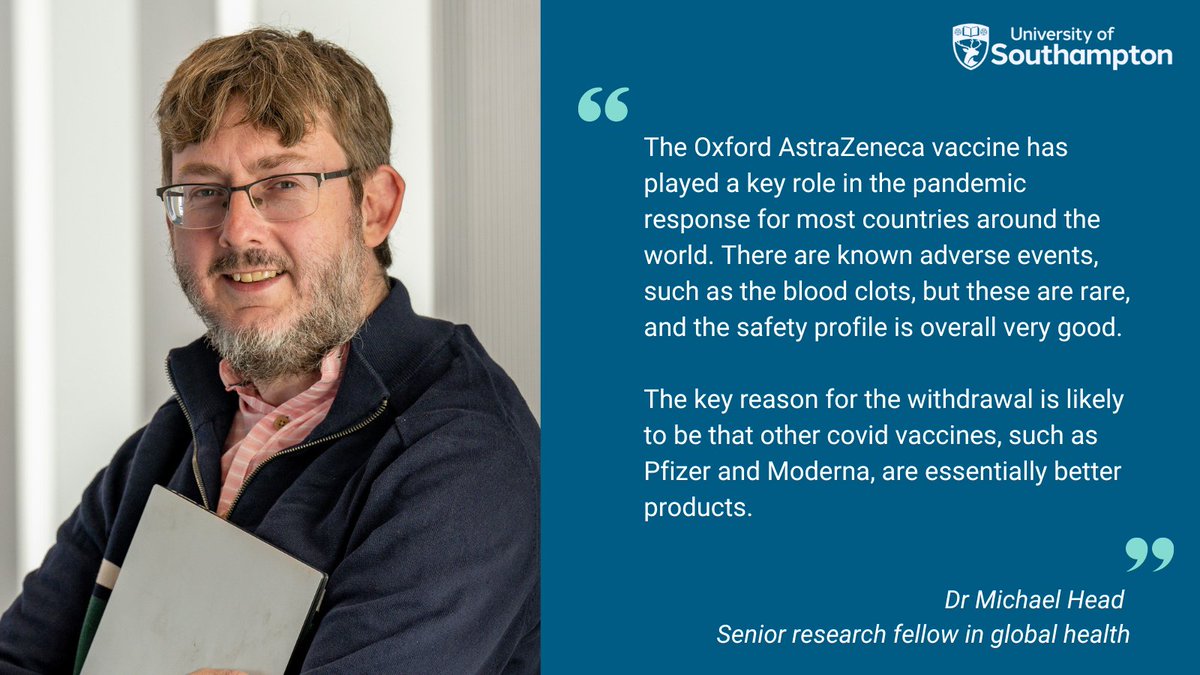
"Blood clot rates are much lower than many widely prescribed medicines" writes @michaelghead in @ConversationUK on the decision to withdraw the #AstraZeneca#covid vaccine. He says other factors are far more likely to be driving the decision.
https://t.co/lZVNKFiy3W
The Oxford-AstraZeneca vaccine was a critical part of the COVID-19 pandemic response.
However, on May 7 2024, the European Commission announced the vaccine is no longer authorised for use.
https://t.co/8upcPRp3EK
Our global health expert @michaelghead has been talking to the media about the withdrawal of the AstraZeneca #Covid vaccine. He says: “There would have been far more deaths, hospitalisations, illness and transmission, if we hadn’t had the AstraZeneca vaccine."
Psittacosis is usually mild but can be a severe infection, especially in vulnerable people such as the elderly or those with weak immune systems.
https://t.co/6Fbla6CaRL
Parrot fever cases have been confirmed amid a ‘mysterious’ pneumonia outbreak in Argentina.
Our expert @michaelghead reveals what we need to know about the fever, known as 'psittacosis'🦜👇👇
https://t.co/f2gTrrOEME
@CIRUsoton@CWitchalls@heatherkroeker @UoS_Medicine
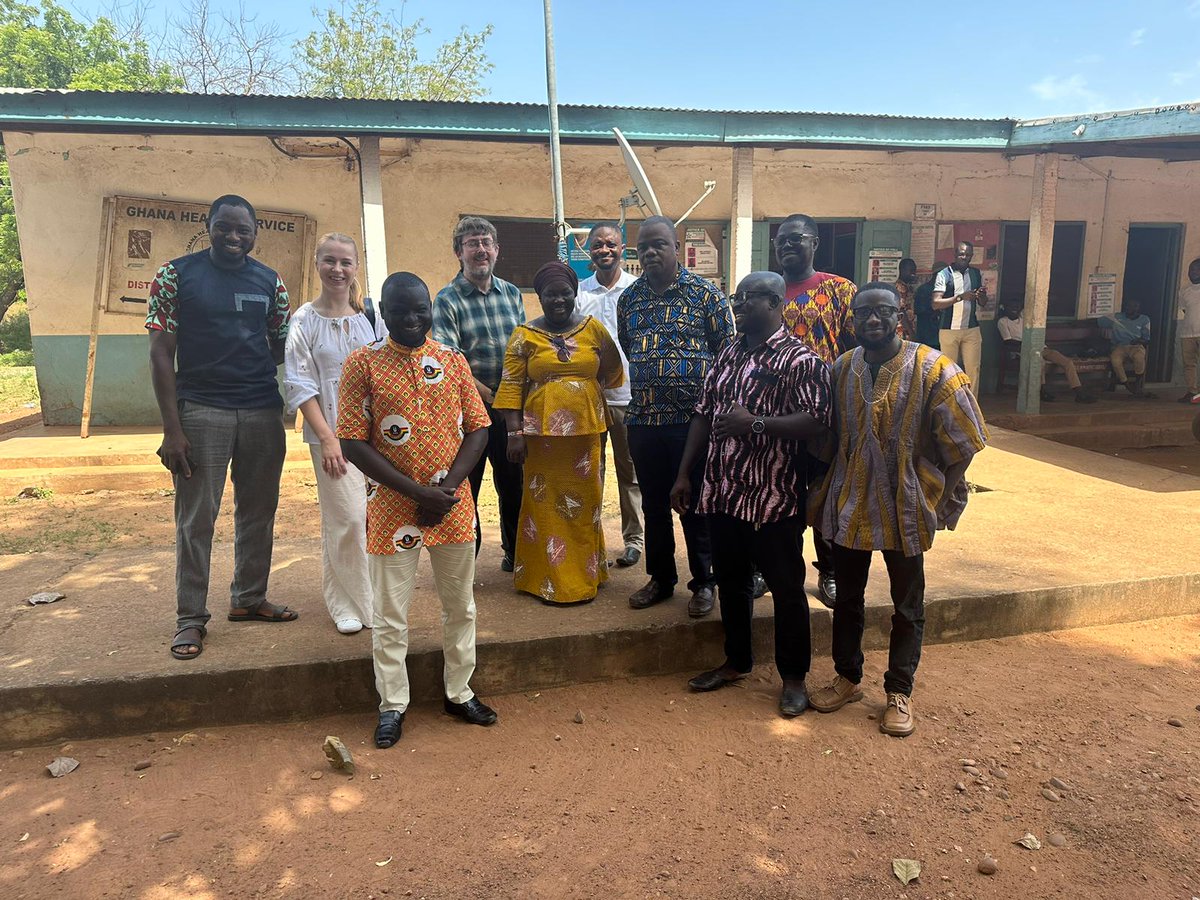
With climate change set to increase global food costs, Jess Boxall and @michaelghead from @CIRUsoton share their research on Ghana's vulnerability to rising temperatures and rising costs in this new piece for @ConversationUK:
https://t.co/k183dEQmrL
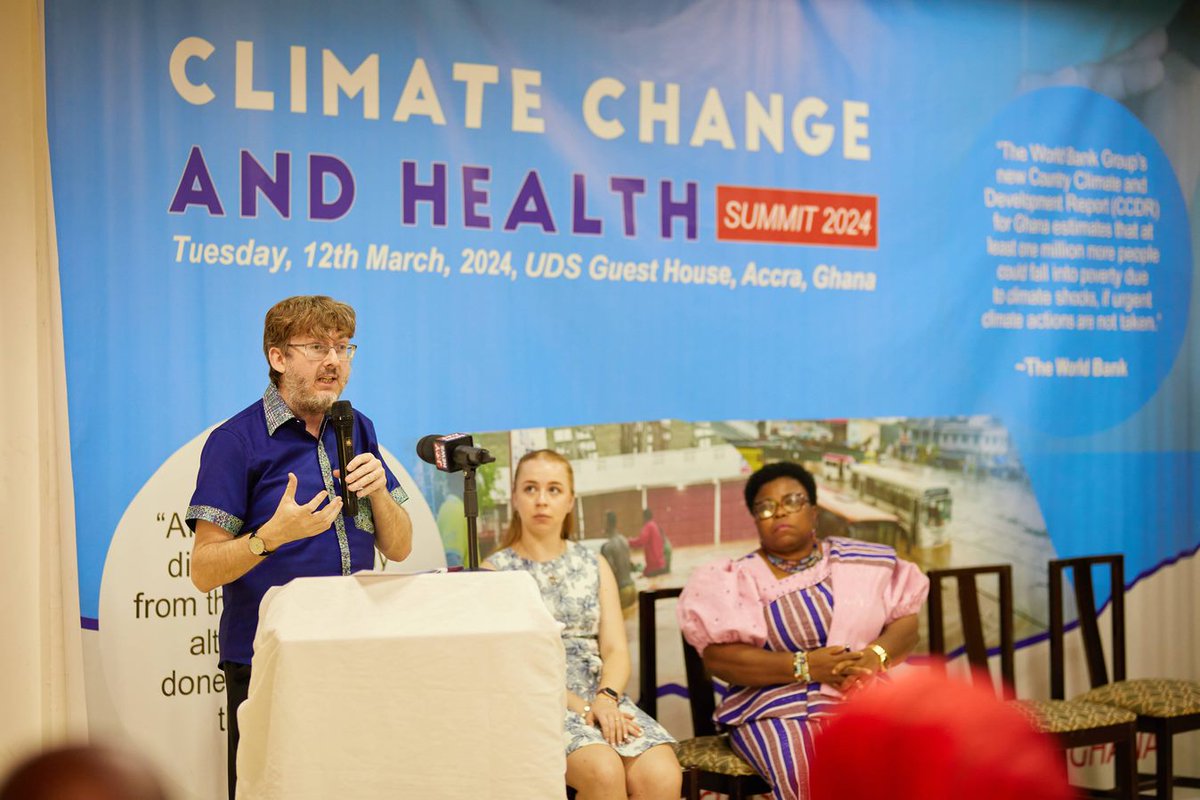
Read our latest update on the Climate Change & Health Summit recently held in Ghana 🇬🇭🗞️
Involving CIRU members Michael Head & Jess Boxall 👇
https://t.co/d9Q6exxfSx
@PACKS_Africa@unisouthampton#CIRUnews#ClimateChange
Photography credit: FJ Studios 📸
Climate change threatens the long-term survival of some African communities by killing crops & blocking access to healthcare. Our researchers are calling for urgent action & are hosting a live-streamed summit on Tuesday to discuss next steps.
Read more 👉 https://t.co/Zgv1ApYXfR
While there a probably a few factors that can explain this most recent scabies spike, treatment shortages appear to be at the heart of it.
Expert explains.
https://t.co/OsMXHko4nf
.@guardian: "plan highlights... infectious diseases & conditions that may arise... inc... scabies"
#Scabies is common in overcrowded medically neglected institutions, see our study from refugee camps: https://t.co/7JHpHqo5kB. https://t.co/7I7Z9walWC #refugeehealth#migranthealth
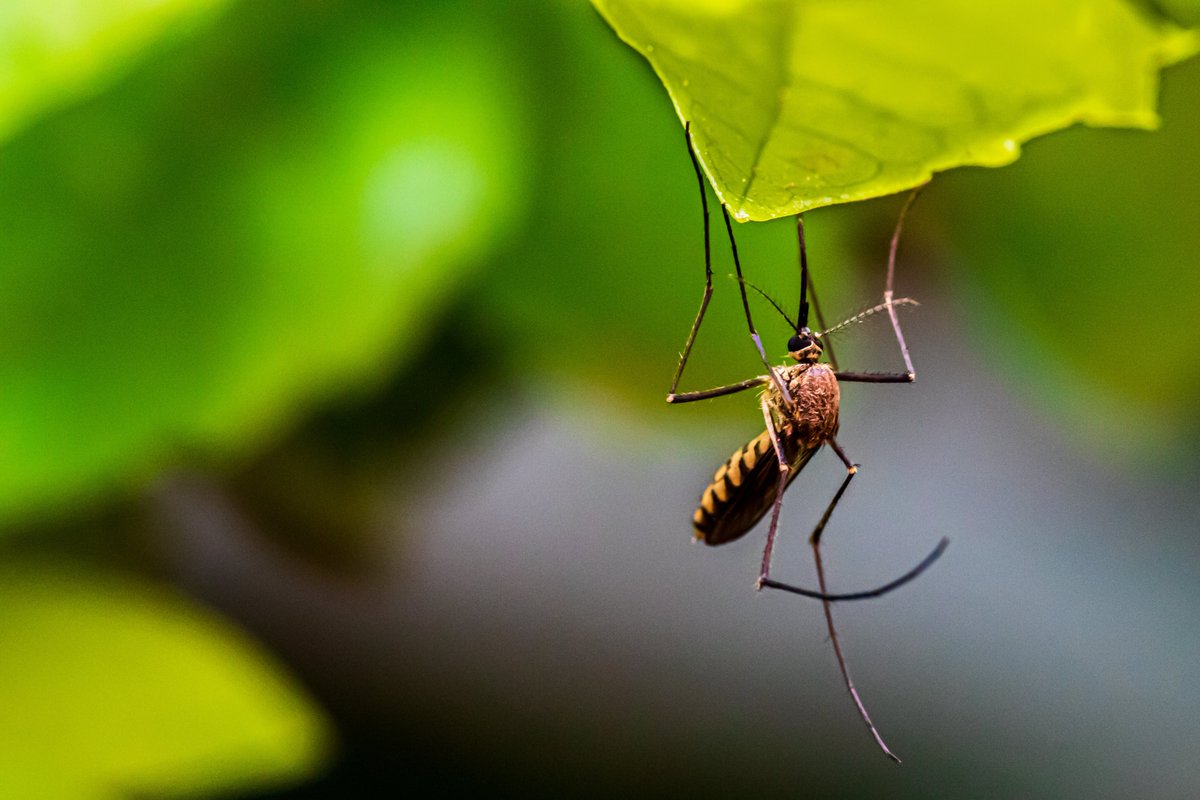
Rising temperatures and extreme rainfall caused malaria cases to rise in Africa, writes our expert @michaelghead.
But if global warming continues, mosquito-borne diseases might spread into Europe.
Read more (translation required) ⬇️⬇️
https://t.co/b651u548Cy