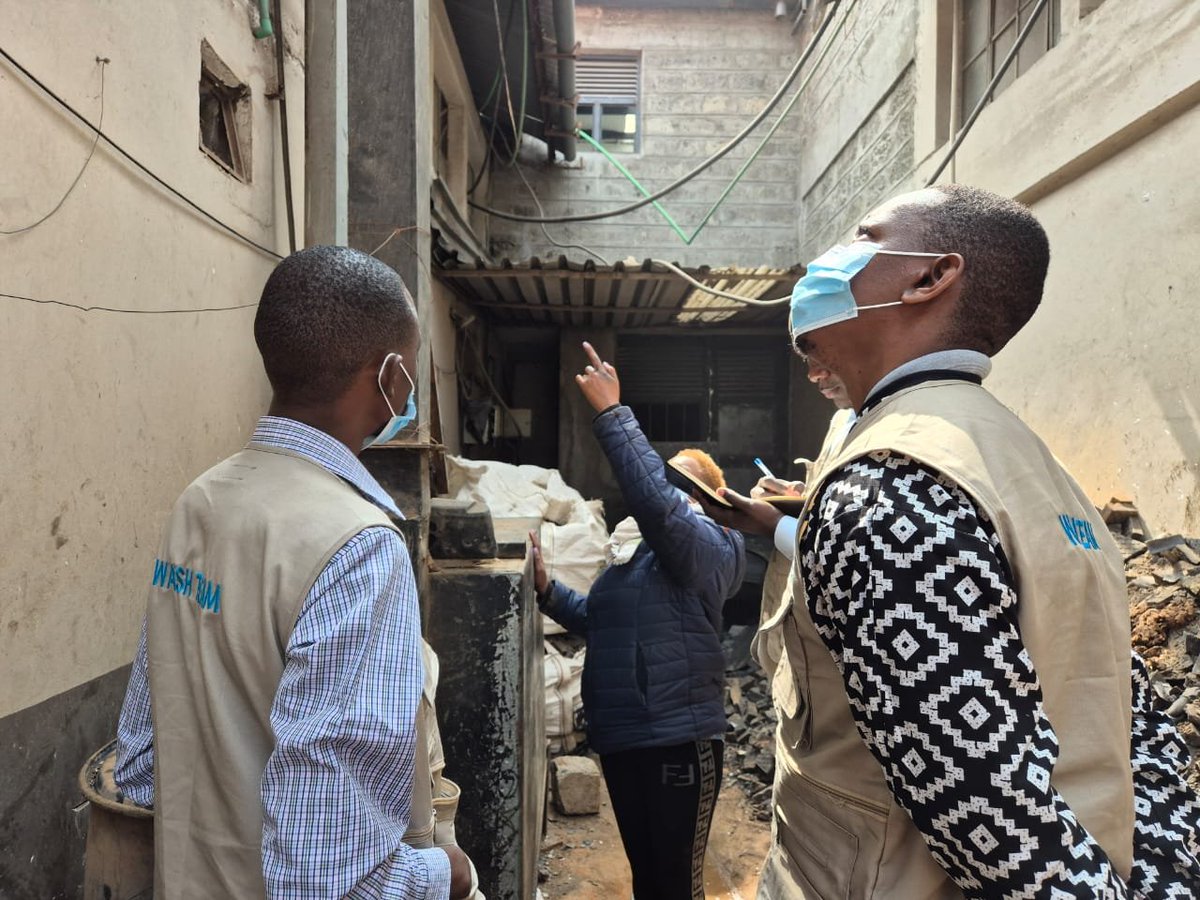
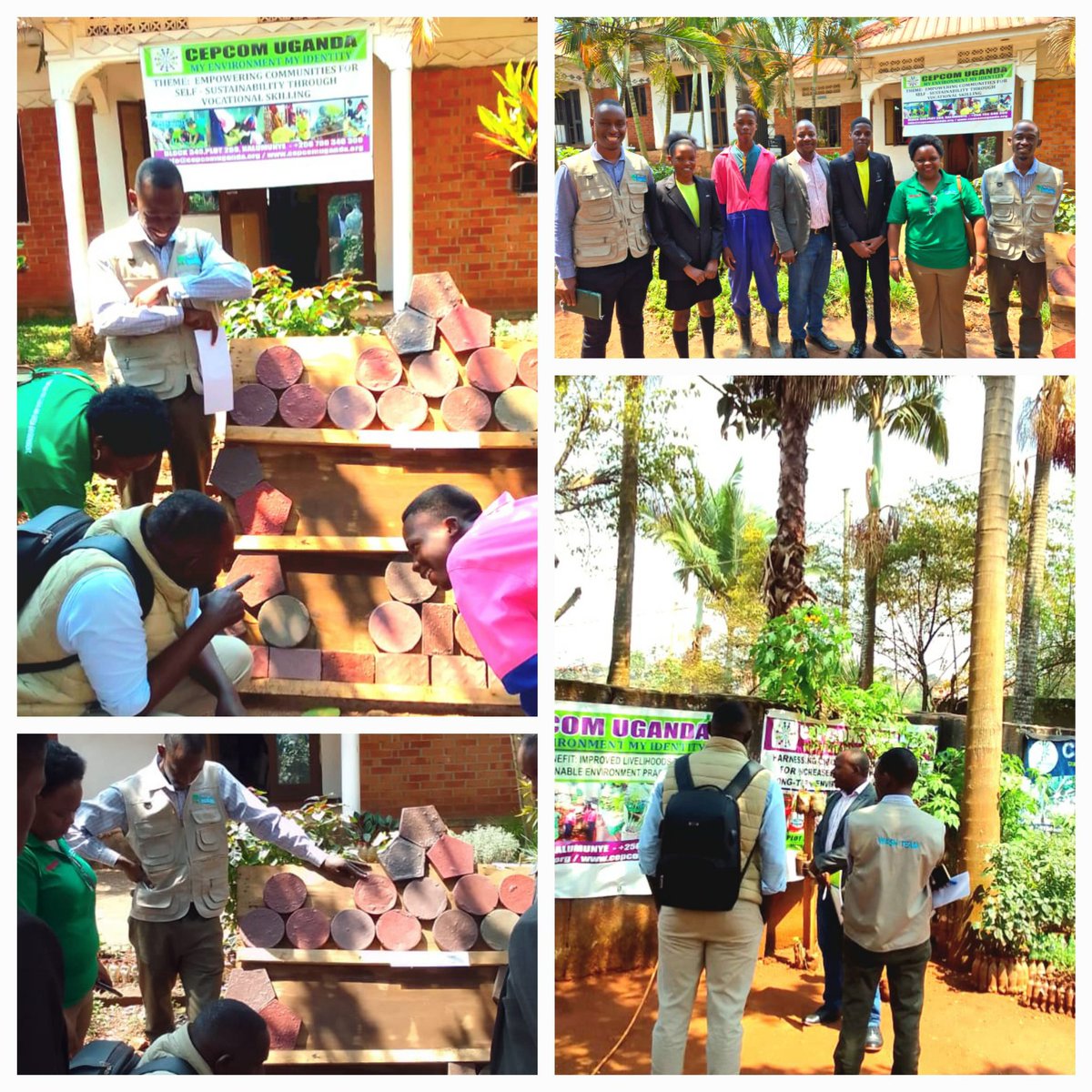
Collective minds for collective actions to address emerging community gaps. #CepcomUganda hosts @ Community Integrated Development Initiative #CIDI WASH Team on a benchmarking and experience sharing Initiative.
It was a pleasure visiting @KEWASNET , @gjenge_makers , @CEPCOM_CEM among others. We learnt alot from them and we hope to emulate their excellent service in our upcoming WASH projects at @CIDIUganda
Yiino ennyimba y'Ekitiibwa kya Buganda erongoseddwa abakugu mu by'ennyimba ne mu lulimi Oluganda.
Aba St. Charles Lwanga Lubaga Cathedral Choir be bayimbye mu kutereeza okuva ku ngeri ez'enjawulo oluyimba gye lubadde luyimbibwa abantu ne kkwaya ez'enjawulo.
The Engineering Behind Everyday Things.
=======
Part 10: Why Does Damp Rise Up Walls?
=======
Many homeowners know this frustrating routine. The lower part of a wall becomes damp, the paint begins to bubble, the plaster starts falling off, and someone arrives with a brush to “solve” the problem. A few months later, the damp returns through the new paint as though it had merely gone on leave.
The water is usually coming from the ground. Bricks, concrete blocks, mortar and plaster may look solid, but they contain countless tiny spaces through which water can move. When the bottom of a wall remains in contact with wet soil or a damp foundation, water is pulled upwards through these spaces.
This movement is called capillary action. It is the same process that allows paraffin to rise through the wick of a lamp, water to spread through a piece of tissue, or coffee to climb into a sugar cube. The wall is not pumping water upwards; its tiny internal passages are drawing it from the ground.
Gravity tries to pull the water down while evaporation removes some of it from the wall surface. The damp therefore does not normally continue rising to the roof. It is usually most visible within the lower part of the wall, where it may leave a rough horizontal “tide mark” showing how far the moisture has travelled.
The water rarely travels alone. Groundwater may carry dissolved salts from the soil, cement, bricks or mortar. When the water reaches the wall surface and evaporates, those salts remain behind as a white powder or hard deposit.
These salts can cause more damage than the moisture itself. As they build up and form crystals inside the plaster, they push the material apart, causing paint to blister, plaster to crumble and wall finishes to detach. The homeowner may keep buying paint, while the salts continue running a small demolition company underneath it.
Engineers normally stop rising damp by placing a horizontal waterproof barrier near the bottom of the wall. This barrier is called a damp-proof course, or DPC, and it interrupts the tiny paths through which water would otherwise rise. It is commonly installed slightly above the surrounding ground level so that rainwater and soil moisture cannot simply bypass it.
Problems begin when the DPC is missing, damaged or badly installed. Damp can also rise when the external ground is later raised above the barrier, allowing wet soil to touch the wall above it. In such a case, the DPC may be perfectly healthy but has been defeated by landscaping, paving or a flower bed that was built with more enthusiasm than engineering.
The barrier can also be bridged from inside. Floor screeds, plaster, mortar droppings or poorly detailed finishes may connect the wet ground below the DPC to the wall above it. Water is very good at finding alternative routes, especially when builders have kindly provided a bypass.
Poor drainage around a building makes the problem worse. Blocked gutters, leaking downpipes, ground sloping towards the house and rainwater collecting beside foundations keep the soil continuously wet. Kampala’s heavy rains can turn an ordinary moisture problem into a permanent water supply service for the wall.
Not every damp patch near the floor is caused by rising damp, however. A leaking pipe, rain entering through an external wall, water splashing from the ground, a defective bathroom or moisture forming inside a poorly ventilated room can produce similar signs. Proper diagnosis matters because treating the wrong cause simply creates an expensive argument between the wall and the repair contractor.
The pattern often provides useful clues. Rising damp generally begins at floor level and spreads upwards, while a leaking pipe may produce a more localised wet patch. Rain penetration often appears on walls directly exposed to weather, and condensation commonly forms in corners, behind furniture or on cold surfaces.
Repair should therefore begin by finding where the water is coming from. The solution may involve improving site drainage, repairing gutters and pipes, lowering external ground levels, removing material that bridges the DPC, or installing an effective damp-proof barrier where none exists. Damaged, salt-filled plaster may also need to be removed and replaced after the source of moisture has been controlled.
Simply painting over a damp wall is not a repair. Waterproof paint may hide the marks temporarily, but it can also trap moisture inside the wall and force it to escape somewhere else. A fresh coat of paint is useful after the disease has been treated; before that, it is only make-up applied to a patient who still needs medical attention.
Walls also need time to dry after the source has been stopped. Thick masonry may hold moisture for months, particularly during wet weather, so immediate repainting can lead to another failure. The wall is not being stubborn; it is simply releasing the water that construction defects allowed it to collect.
Rising damp teaches an important lesson about buildings. Water does not need a large crack, a dramatic flood or official permission to enter a structure. Give it wet ground, tiny connected spaces and enough time, and it will quietly climb a wall while everyone argues about the quality of the paint.
Good construction stops the water before decoration begins. In Part 11, we shall continue following the evidence and ask: Why Does Paint Peel Off Walls?
BREAKING: Uganda has been declared Ebola-free by the country's health authorities, marking the end of an outbreak that infected 20 people and killed two.
🔴 More on https://t.co/5H0QqpfIYw