Oh, this was a cool one!! The researchers describing how moved they were by the burial, how it connected them so starkly with the past, is something that has stuck with me.
A 2021 study describing the oldest known burial by modern humans in Africa hints that burying one’s dead has deep roots in our species. #ScienceMagArchives https://t.co/4tcV5wetRa
Very excited to have our latest discoveries from Laili, Timor-Leste published in @NatureComms - open access article available here: https://t.co/H4v4XRGTMD
In my latest for @NewsfromScience, I write about "the most comprehensive picture we have to date of Neanderthal gene flow into modern human populations" (h/t @rajivmccoy). Using 59 ancient genomes, @moorjani_priya et al posit major gene flow happened 47kya https://t.co/pwZHNQ3KLf
As I wrote this story, it made me wonder what else chimps and bonobos know.
Chimps remember the faces of old friends and family for decades | Science | AAAS https://t.co/lAdvMdMesf
This was a super fun story to report. The @labreatarpits is fascinating. In the basement archives, surrounded by millions of bones from dire wolves, saber-toothed cats, ancient camels and more, it's easy to forget you're surrounded by Los Angeles storefronts and high-rises.
Wildfires, intensified by #ClimateChange and perhaps human activity, may have doomed Southern California’s big mammals 13,000 years ago. https://t.co/WbBGsiv1WB
Science journalism is, as you know, a helping hand, leg up, and foot forward for the cause of an informed electorate. @Open_Notebook does more for this cause than most. It's a small, superb operation.
A couple years ago, I wrote about the precise dating of L'Anse aux Meadows using cosmic signals embedded in tree rings. I got hooked up on the topic. Today, my deep dive into the history and promise of Miyake events for archaeological dating is out: https://t.co/w7BrMQ0SuA
The bones of prehistoric #Yamnaya "cowboys" show signs they might have been the world's earliest known horse riders. But without horse remains or riding equipment to back up the claim, not everyone's convinced. @NewsfromScience: https://t.co/NiHM37i3vj
Long-overdue justice, the end of #museums, or something else entirely? In my new @natgeomag cover story I talked to people on all sides of the #repatriation debate to understand how museums around the world are grappling with #colonial legacies. (1/5) https://t.co/IEZDufYEfZ
There's more to the Hobbit's story than you know. Never have I written anything as important to me as this. My latest paper out today - on history, Homo floresiensis, and the tug of war that left the bones broken: https://t.co/vM6bFiSBOX
How do venomous centipedes 'see' sunlight without eyes? Their antennae feel the light's heat, sparking a cellular response that alerts these leggy critters to scurry towards shelter.
My latest for @NewsfromScience: https://t.co/TWGHdvxyqw
My first for @NewsfromScience is about the brains of polyglots- people who can speak five or (many) more languages. Featuring research from the @ev_fedorenko lab. Thank you @saima_mm and everyone else who talked to me about this piece https://t.co/yDMRcQJsPd
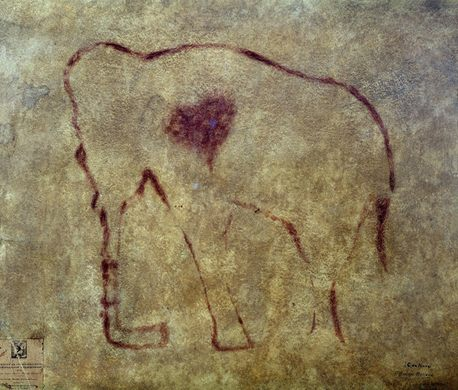
Neanderthals hunted massive elephants–and then harvested enough meat and fat to feed 350 people for a week. That suggests they were gathering in large groups, says @AnnemiekeMilks: "maybe it’s a large, seasonal gathering, or they’re storing food—or both.” https://t.co/LQhysg89VO