everyone keeps asking me... "how do i make these 3D pixel art gaussian splats??"
now you can... with ink studio!!
free on github.
it comes with a full animation suite, geometry nodes, sculpting, volumes, persistent world effects, particles, physics, destruction and more.
here's the workflow
1. build the shapes in code with distance functions, no 3D model
2. fill them with tiny gaussian splats and bake the light into each one
3. render it small in Crucible, 4 samples per pixel
4. squash every 2x2 block into 1 pixel and snap it to a small palette
5. give edge pixels a darker shade of their own colour, then scale up with no smoothing
method from @JungleSilicon's ink studio, rebuilt from scratch
How can Fable keep getting away with this 😨
I'm actually getting some decent results with Qwen 4 as well, but goodness Fable is just ridiculous. Vanilla js and it's own custom webgl renderer.
With Niagara you can optimize the overhead of hundreds of individual impact VFX and decals through Niagara Data Channels down to a handful.
Instead of spawning one Decal or NiagaraComponent per impact, you can share a single instance for impacts within the NDC's "Islands".
Implementing NDC bears some explanation and Epic made some changes in UE 5.7 on how to handle this in C++, which I included in the code examples. You can explore NDCs in Project Orion which is open source on GitHub!
https://t.co/C6zgLIpJfm
Recently I reduced all of the lag spikes caused by loading Niagara during gameplay for my #UnrealEngine 5 game.
So I decided to make a video explaining and showing how you can find them for yourself, and then how to fix the problem by hiding them during a loading screen instead of having them during actual gameplay using blueprints.
Hope it helps someone out!
https://t.co/vhyjJDytIZ
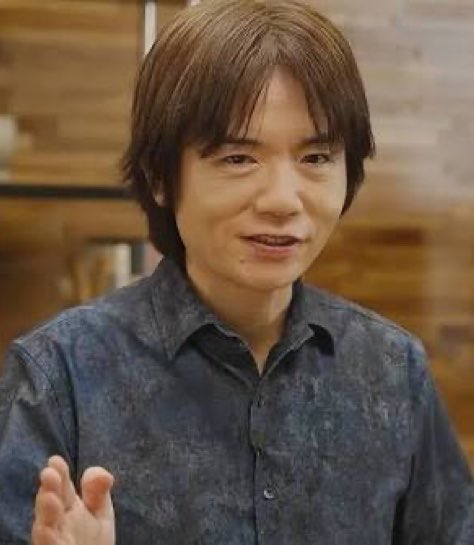
Masahiro Sakurai, the creator of Super Smash Bros. and Kirby, is warning that AI could lead to a flood of unoriginal games.
Sakurai points out that Steam has gone from around 275 game releases a year in 2010 to more than 19,000 today
“AI can create games, but it can’t create something truly original.”
Sakurai also argues that originality means creating something players don’t even know they want yet.
He uses Fumito Ueda as an example, saying AI could imitate the style of games like ICO or Shadow of the Colossus, but it wouldn’t know what Ueda himself would create next.
This open-source tool generates normal maps for pixel art sprites
It works with both single sprites and animated sprite sheets, turning flat pixel art into assets that can react to dynamic lighting in-game.
You can run it:
> locally from the CLI
> directly in the browser with WASM
That makes it pretty easy to drop into an existing pixel art pipeline without depending on a hosted service.
Small tool, but genuinely useful if you want 2D sprites to have more depth without repainting everything by hand.