PostDoc Researcher interested in microscopy and surface science and Microfluidics. At the moment @unibarcelona in @QuimicaUB, in @PuigmartiLuis 's ChemInFlow.
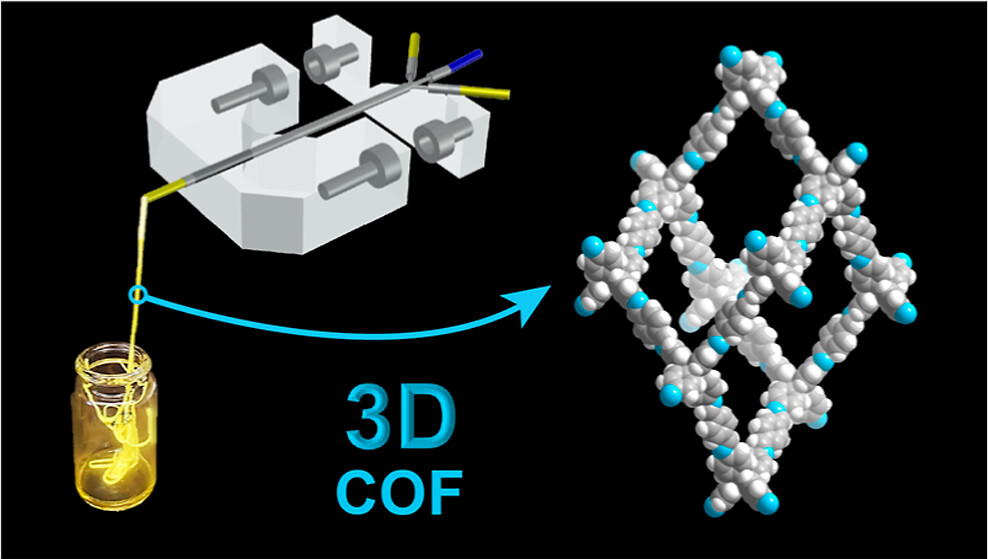
A good way to start 2024!!! This is our new contribution to the 3D #COFs field, obtained via #microfluidic approach as self-standing processable objects!!! Check it out here: https://t.co/ujliprnEuV
I am very happy to share our latest research using #microfluidic approaches to synthesize and structure #LDH as hollow self-standing fibers. Check our paper in Small.
https://t.co/H4ct25DD7x
The 2023 #NobelPrize in Chemistry rewards the discovery and development of quantum dots, nanoparticles so tiny that their size determines their properties.
These particles have unique properties and now spread their light from television screens and LED lamps. They catalyse chemical reactions and their clear light can illuminate tumour tissue for a surgeon.
Researchers have primarily utilised quantum dots to create coloured light. They believe that in the future quantum dots can contribute to flexible electronics, miniscule sensors, slimmer solar cells and perhaps encrypted quantum communication.
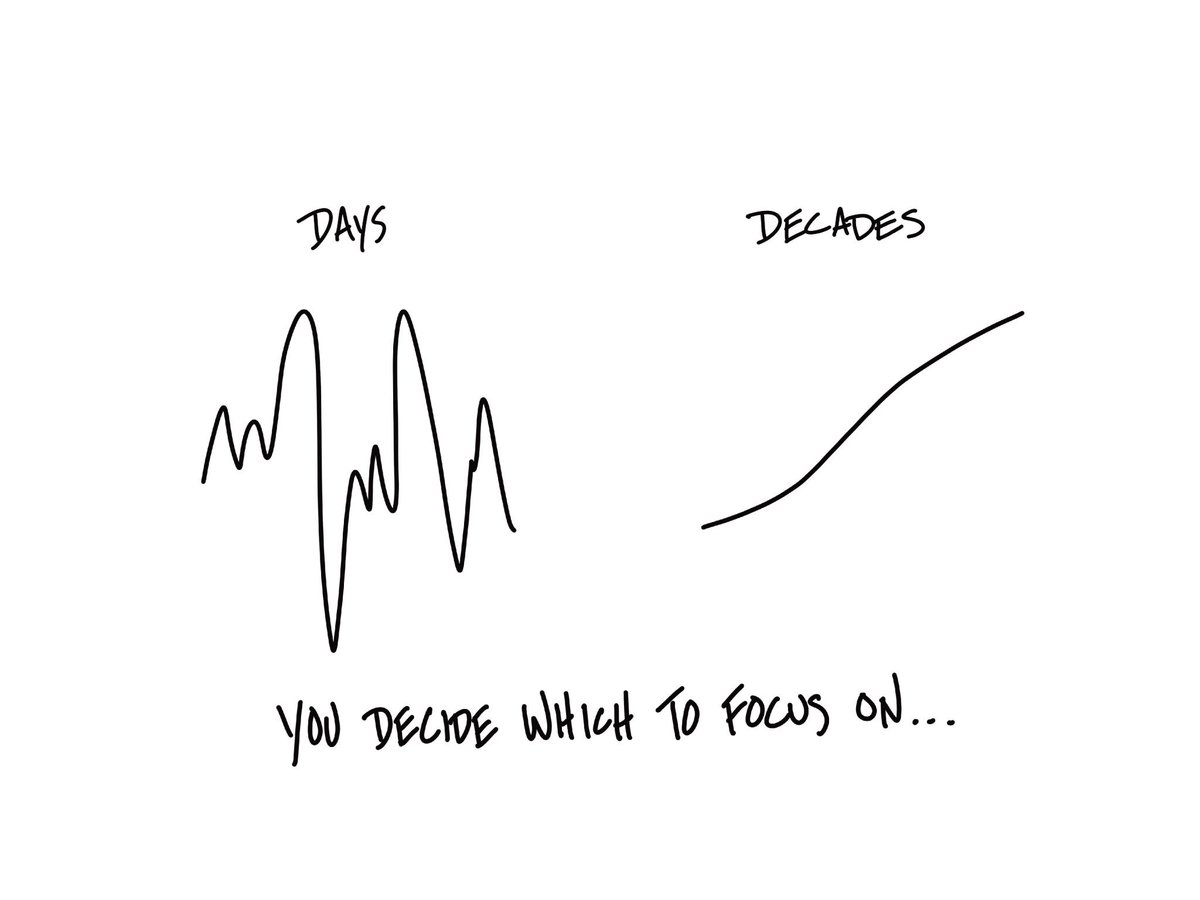
Important Rule for Life: When in doubt, zoom out.
Being perpetually zoomed in creates two challenges:
1. Struggle feels bigger than it really is.
2. Growth feels smaller than it really is.
The 10,000 foot view provides perspective—on the manageable nature of your struggles and the impressive nature of your growth.
Two effective ways to zoom out:
1. Vertically: Zoom out via "altitude" and see the bigger picture context of the moment.
2. Horizontally: Zoom out via “mental time travel” to the past or the future and observe the present through that new lens. Go back 10 years and think about how your past self would be in awe of where you are today. Go forward 50 years and think about how your future self would give anything to be back doing the things you get to do today.
Both can work wonders.
Always remember: When in doubt, zoom out.
You can now connect Jupyter with LLMs!
It provides an AI chat-based assistant within the Jupyter environment that allows you to generate code, summarize content, create comments, fix errors, etc.
You can even generate entire notebooks using text prompts!
You can also pass it documentation which it can use as a knowledge source to answer questions. It uses RAG it seems.
There is also %%ai magic commands available to connect to different LLM within the cells and pass prompts that generate code directly in the notebooks.
Seems like LangChain is used to power these new AI-powered capabilities. Supported models include LLMs from OpenAI, AI21, Anthropic, Cohere, and more. Local models are also possible to use.
This is really cool stuff!
(blog announcement in the replies)
Els #CCiTUB us desitgen molt bones festes i feliç any nou 2023!🎄✨
Moltes gràcies per treballar amb nosaltres!
📷 Imatge original @MicheleMattera4. Gràcies!
As an academic writing coach, here are the 7 mistakes I see supervisors and PIs make in the process of co-writing a paper with their PhD students or mentees.
A thread. 🧵
#AcademicChatter#newPI#PhDchat
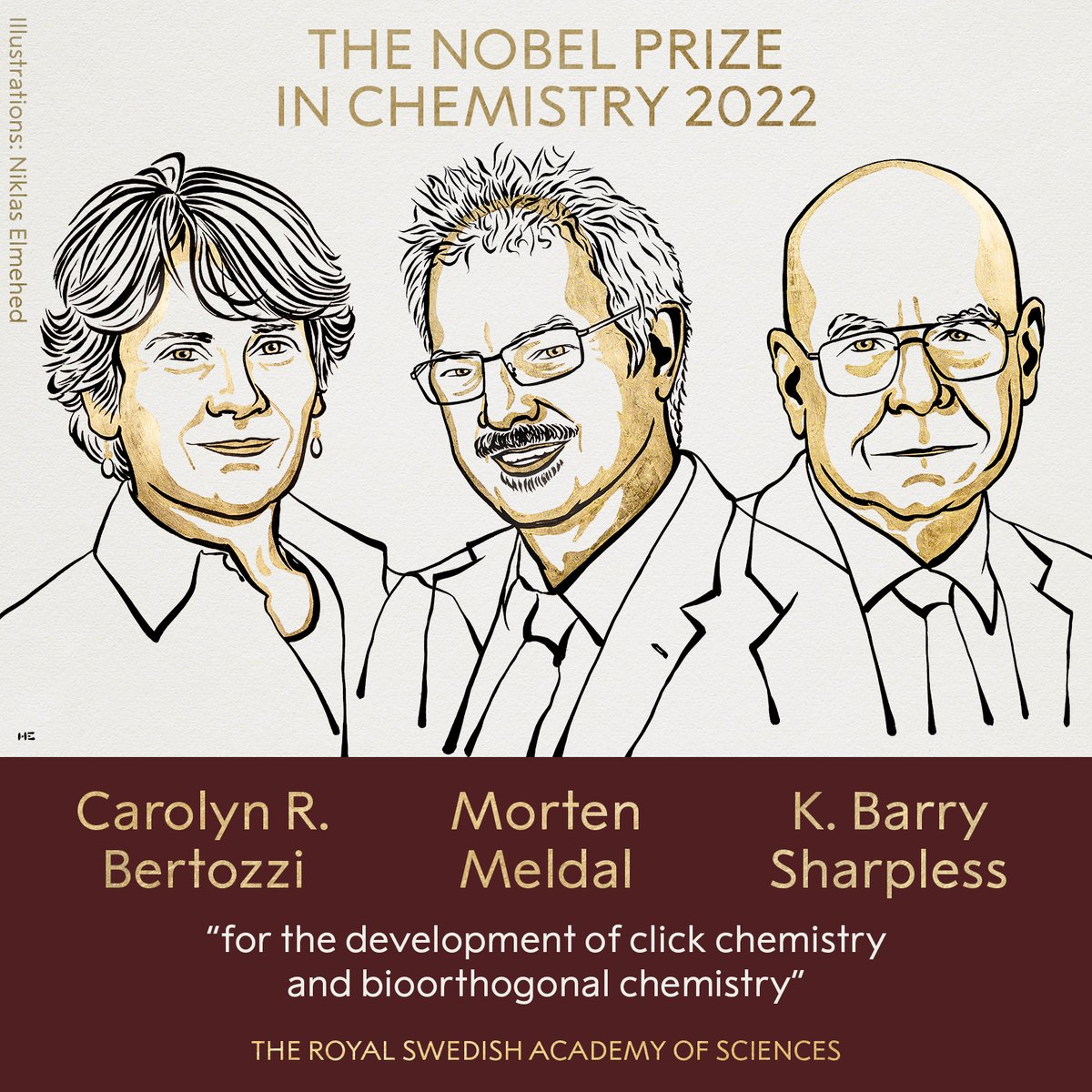
BREAKING NEWS:
The Royal Swedish Academy of Sciences has decided to award the 2022 #NobelPrize in Chemistry to Carolyn R. Bertozzi, Morten Meldal and K. Barry Sharpless “for the development of click chemistry and bioorthogonal chemistry.”
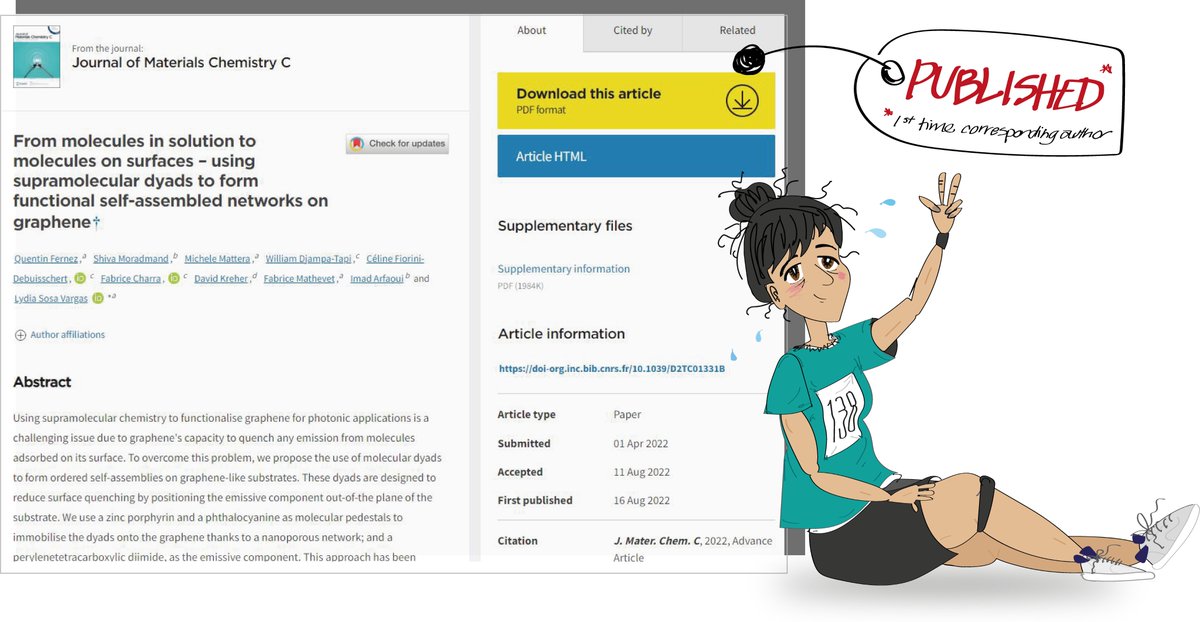
Finally! I'd like to share with you the first results of our work in #supramolecular#functionalisation of #graphene A great team effort and hopefully the first of many on this subject. Hope you enjoy the read! 😄➡️https://t.co/jnbW3no7UP
Finally! I'd like to share with you the first results of our work in #supramolecular#functionalisation of #graphene A great team effort and hopefully the first of many on this subject. Hope you enjoy the read! 😄➡️https://t.co/jnbW3no7UP
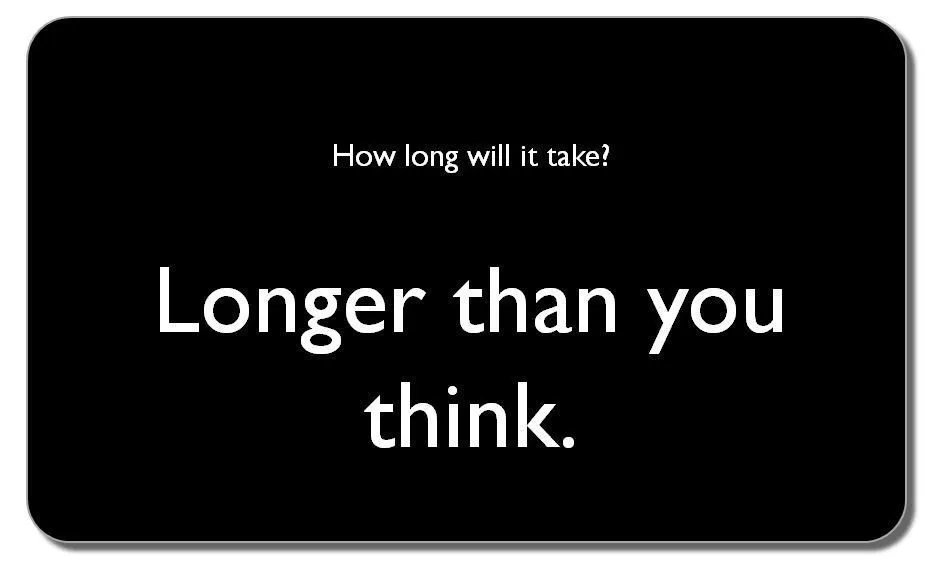
How long should you allow for that experiment, chapter, paper? Longer than you think. Everything takes longer than you think. Especially in research. #PhDchat#PhDforum#ECRchat#postdoc
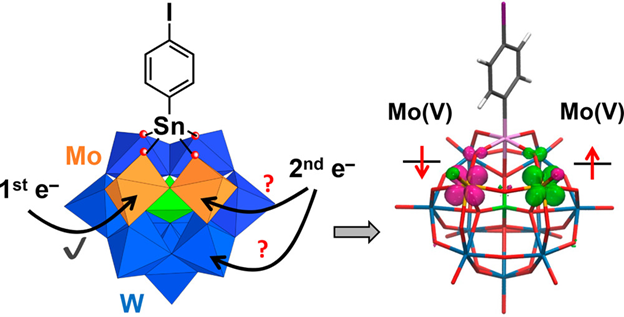
Finally in press! So happy to have been involved and to share this amazing work (#FeaturedArticle), developed @IPCM_Sorbonne in @epom_ipcm. Thanks to all co-authors, for this interesting article, to unveil the mechanism reduction in Mixed W-Mo #Polyoxometalates.
Finding new niches in polyoxometalates. Proust and colleagues develop multinary hybrid Keggin-type clusters based on P, W, and Mo metal sites, which are connected to organometallic {Sn(C6H4)C≡C(C6H4)Fc} units. An @InorgChem#FeaturedArticle https://t.co/7pSAJTBPBp
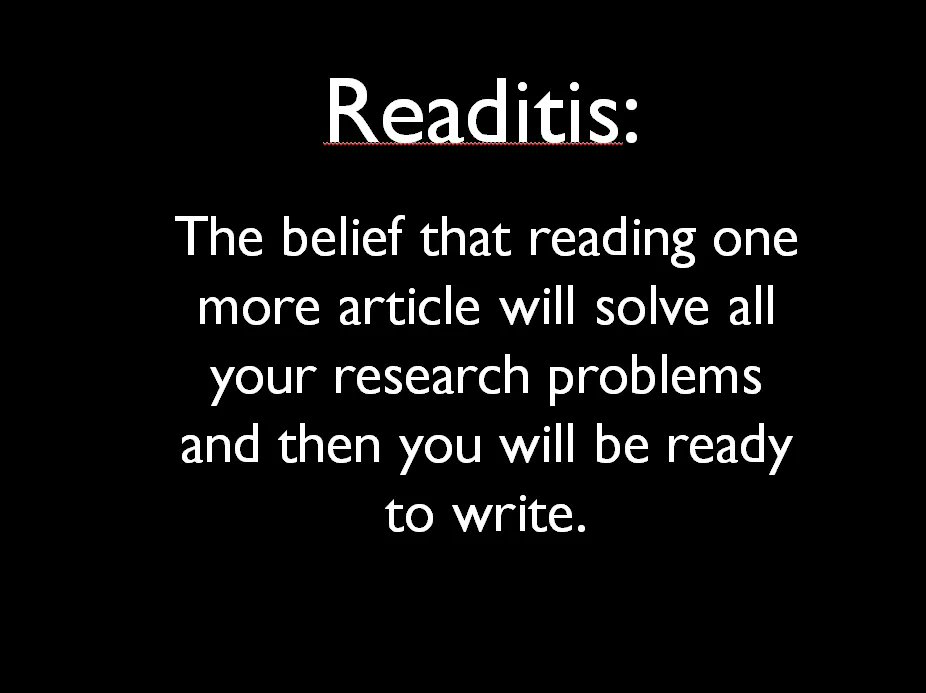
Read-itis: The belief that after reading one more article you will be ready to write.
There is no end to how much you can read. So write first, then read some, write, read, repeat. #acwri#phdForum#EMCRforum#academictwitter#PhDchat#SUAW