When your wife gets emotional whereas you stay calm, you might assume she's being irrational and you're seeing things clearly.
But you should be cautious of dismissing her as merely emotional.
Aquinas associates women with stronger affective movement and says that stronger passions can become disordered, but he says strong affection can also produce extraordinary virtue when it's directed toward something truly good.
At Calvary, the male disciples flee, but the women remain.
Mary Magdalene’s love moves her to stay close to Christ, to seek Him at the tomb and to persevere when others have disappeared.
Her greater emotionality results in greater constancy.
So your emotional detachment isn't automatically rationality. For example, perhaps your 'calmness' is actually indifference, fear or the refusal to feel the weight of what truly matters.
And your wife’s stronger emotional response isn't automatically irrationality:
- Her anger might be responding to a real injustice.
- Her grief might reveal a real loss.
- Her anxiety might notice a danger you've ignored.
- Her compassion might perceive a person’s suffering more quickly and deeply than you do.
Yes, reason should govern emotion, but governing emotion doesn't mean extinguishing it.
Often, it's irrational for a husband to tell his wife she's 'just being emotional.'
Instead, he should ask, 'What good is her emotion responding to? Is there something here that I've failed to see?'
At Calvary, the supposedly 'weaker' affection proved stronger than the men.
So don't focus on who feels less.
Focus on whose passions are more faithfully ordered toward the good.
did you know that apparently if you try to act normal the normalness doesn't come through but the acting does. and did you know apparently everyone can smell this on you like a bloodhound
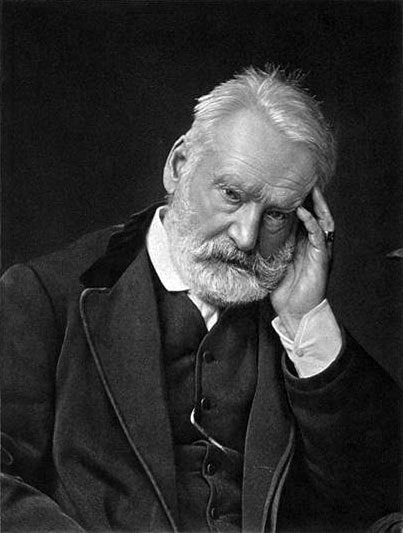
Dijo una vez Víctor Hugo: “No, no me estoy volviendo viejo, me estoy volviendo sabio. He dejado de ser lo que a otros agrada para convertirme en lo que a mí me agrada ser. Dejé las noches de fiesta por insomnios de aprendizaje, dejé de vivir historias y comencé a escribirlas. Cambié las copas de vino por tazas de café, me olvidé de idealizar la vida y comencé a vivirla. Llevo en el alma lozanía y en el corazón la inocencia de quien a diario se descubre.”
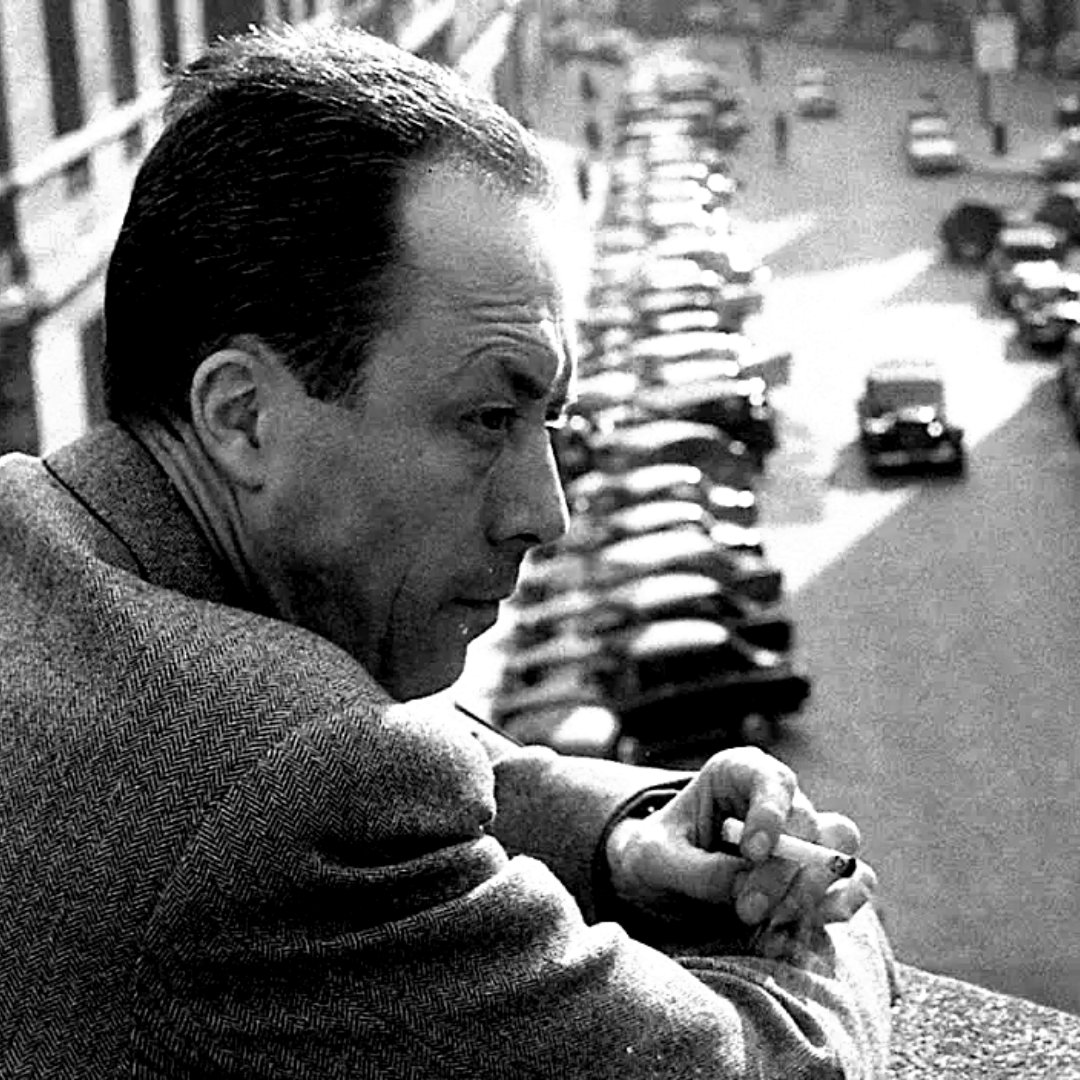
"El verdadero horror de la existencia no es el miedo a la muerte, sino el miedo a la vida. Es el miedo a despertar cada día para enfrentar las mismas luchas, las mismas decepciones, el mismo dolor. Es el miedo a que nada cambie jamás, que estés atrapado en un ciclo de sufrimiento del que no puedes escapar. Y en ese miedo, hay una desesperación, un anhelo de algo, cualquier cosa, para romper la monotonía, para darle sentido a la repetición infinita de días".
Albert Camus
“For a long time I had to fight against a feeling of aversion for my country; now I am beginning to accustom myself to all the horrors that make up the human condition… Fortunately, there is one salvation: morality, the world of the arts, poetry and human relations. There, nobody bothers me, policeman or town councilor. I am alone. Outside the wind howls, outside all is mud and cold; I am here, I play Beethoven and shed tears of tenderness; or I read the Iliad, or I create my own men and women and live with them, covering sheets of paper...”
— Leo Tolstoy
"Hace falta mucho valor para dejarse amar sin reservas. Un valor que es casi heroísmo. La mayoría de la gente no puede dar ni recibir amor porque es cobarde y orgullosa, porque tiene miedo al fracaso. Le da vergüenza entregarse a otra persona y más aún rendirse a ella porque teme que descubra su secreto… el más triste secreto de cada ser humano: que necesita mucha ternura, que no puede vivir sin amor. Creo que esa es la verdad. O al menos eso he creído durante mucho tiempo, aunque ya no lo afirmo tan categóricamente porque estoy envejeciendo y me siento fracasado. ¿Qué en qué he fracasado? Te lo estoy diciendo, en eso, precisamente en eso. No fui lo bastante valiente para la mujer que me amaba, no supe aceptar su cariño, me daba vergüenza, incluso la despreciaba un poco por ser diferente de mí, una burguesita de gustos y ritmos vitales distintos de los míos; y además temía por mí, por mi orgullo, temía entregarme al noble y complejo chantaje con el que se me exigía el don del amor. En aquellos tiempos no sabía lo que sé hoy… que no hay nada de lo que avergonzarse en la vida excepto de la cobardía, que hace que uno no sea capaz de dar sentimientos o no se atreva a aceptarlos".
"La mujer justa", Sandor Marai