We have a new paper out in @PNASNews today utilizing phosphate oxygen and clumped isotopes to infer endothermy in extinct megatooth shark, Otodus megalodon. @SoraLKim @ClumpedIsotopes @RobinTrayler@JM_McCormack@aakhtar12@wpunj_edu
https://t.co/Moj6VrQVBL
New #ScienceCommunication website blog from me. Here, I look at another recent #megalodon study that used zinc isotopes to find that megalodon wasn't just a whale killer (art by Alberto Gennari); but probably ate whatever it wanted!
Give a read here: https://t.co/9YMmOyzIpZ 🦈
That's just one of many instances of distortion and misinformation in the US Department of Energy "Critical Review on the Impacts of Greenhouse Gas Emissions".
Which in fact is a fossil fuel propaganda scam.
Let's hope Americans are not that easily fooled.
https://t.co/HzVNHROFRx
Our piece in @ConversationEDU today:
As US climate data-gathering is gutted, Australian forecasting is now at real risk https://t.co/8wZN3v204M
And it's not just Australia that will lose out. Forecasting all around the world will be set back decades if these cuts go through.
Out today in Nature, our new paper on the drivers of the extreme summertime heating of the North Atlantic during 2023. Temperatures across much of the basin warmed to record high levels in the space of just a few months. The impacts on climate and ecosystems were severe. A thread on how this work came about and what we found. 👇👇👇🧵 https://t.co/4w54V5Qwg1
Out today in @NatureComms!
We show that correcting a stalagmite oxygen isotope record for the effects of prior calcite precipitation (PCP) improves agreement with regional records and climate models.
https://t.co/O05wZppIuj
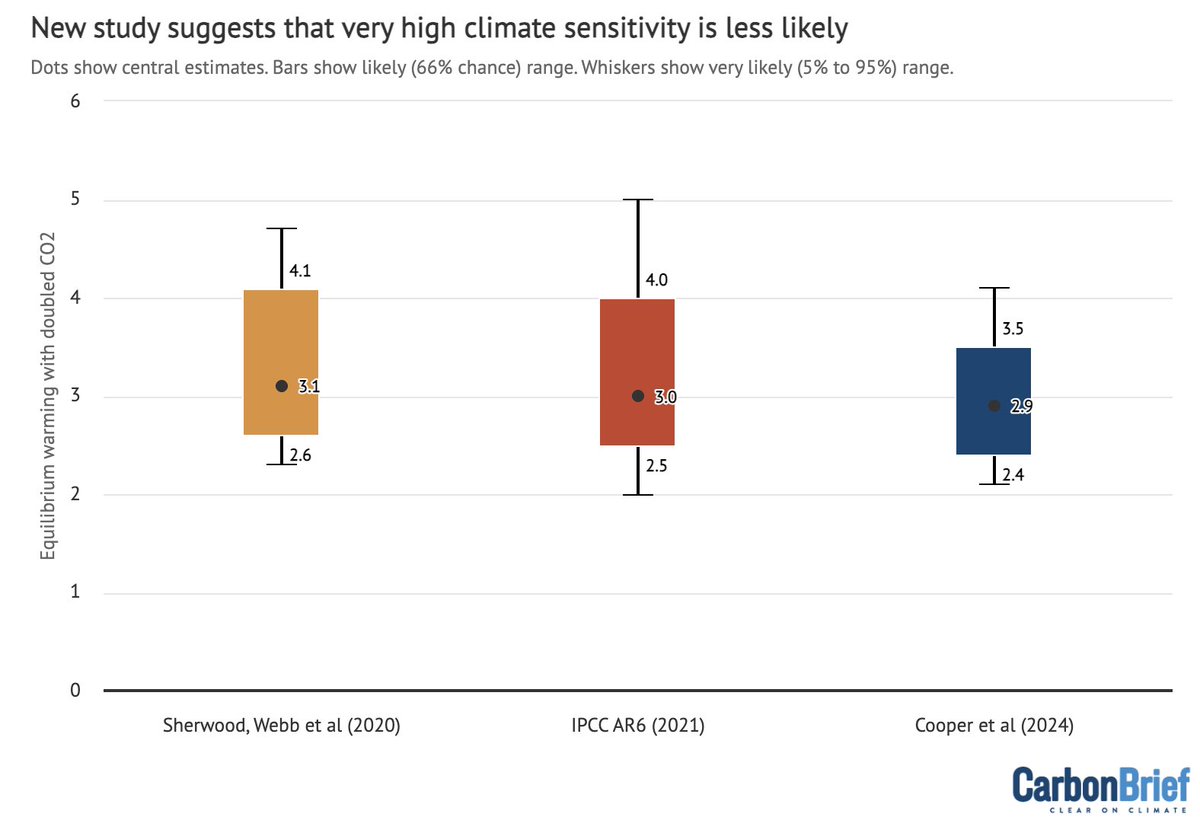
Excellent @CarbonBrief article by @VTCoop and @karmour_uw discussing their recent paper finding that new estimates from the last glacial maximum suggest that high climate sensitivity (>4C per doubling CO2) may be less likely than previously thought: https://t.co/ylNTerulWR
Fohlin’s husband, John Latting, is the Emory Dean of Admissions. This is going to be an interesting night in @EmoryUniversity’s top administrative echelons.
In our new paper, we investigate diet-tissue and tissue-tissue zinc isotope fractionation in gilt-head seabreams and discuss the implications for ecological studies using this new dietary proxy. @Klervia_Jaouen @BourgonNicolas @Theo_Tacail and more.
https://t.co/sg8u2mGQ3W
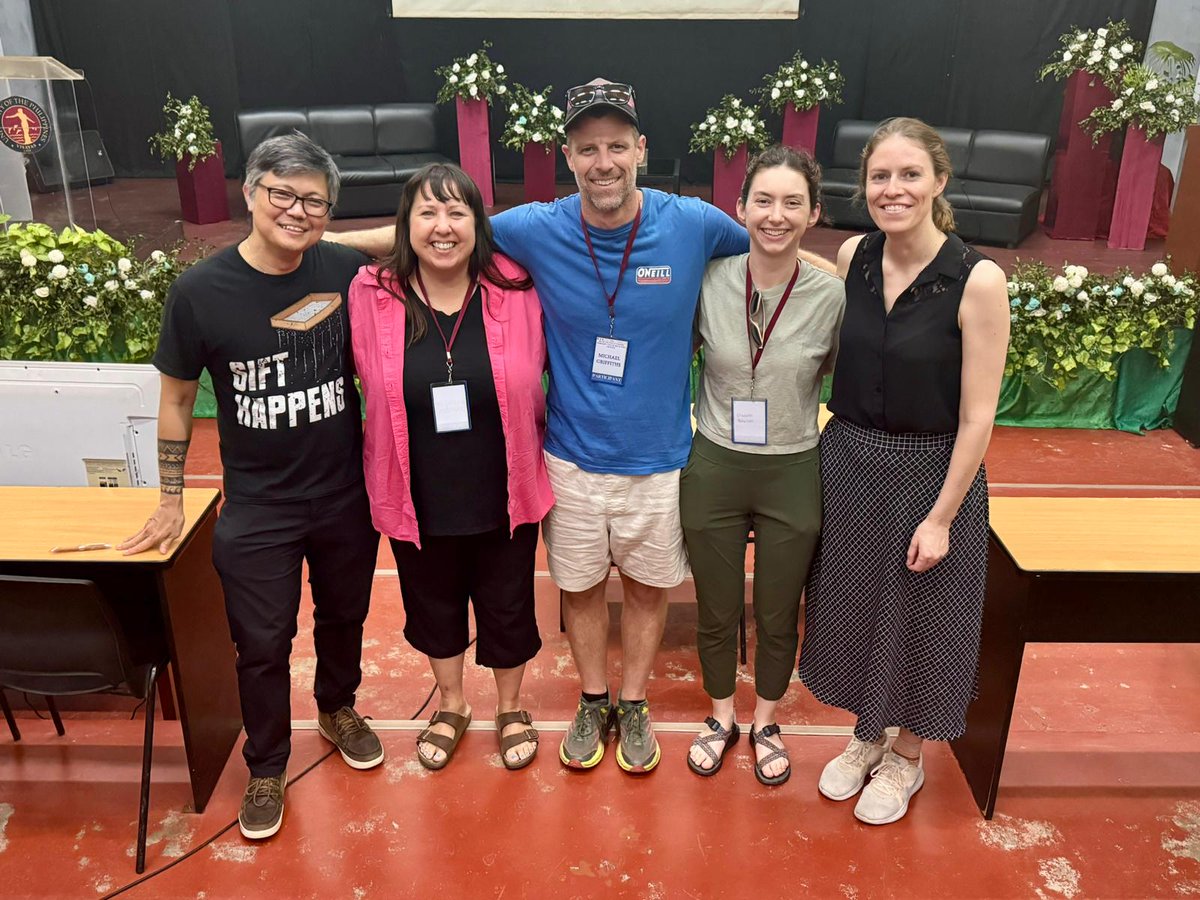
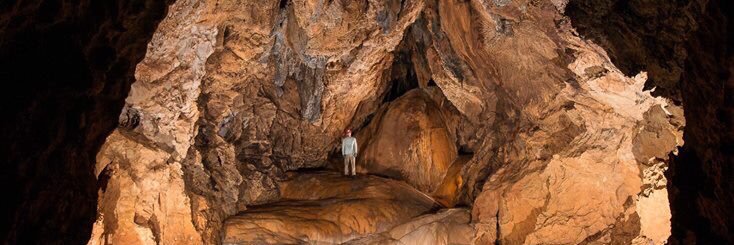
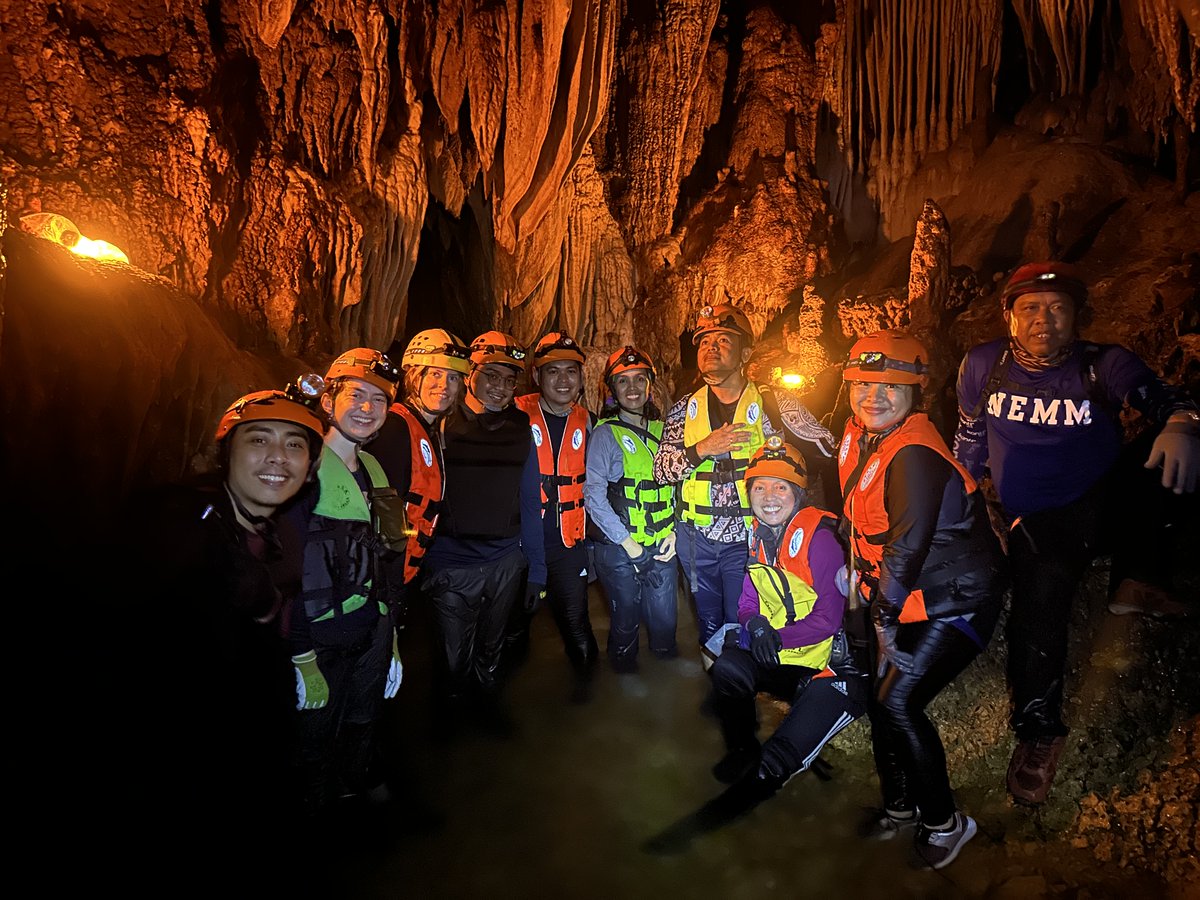
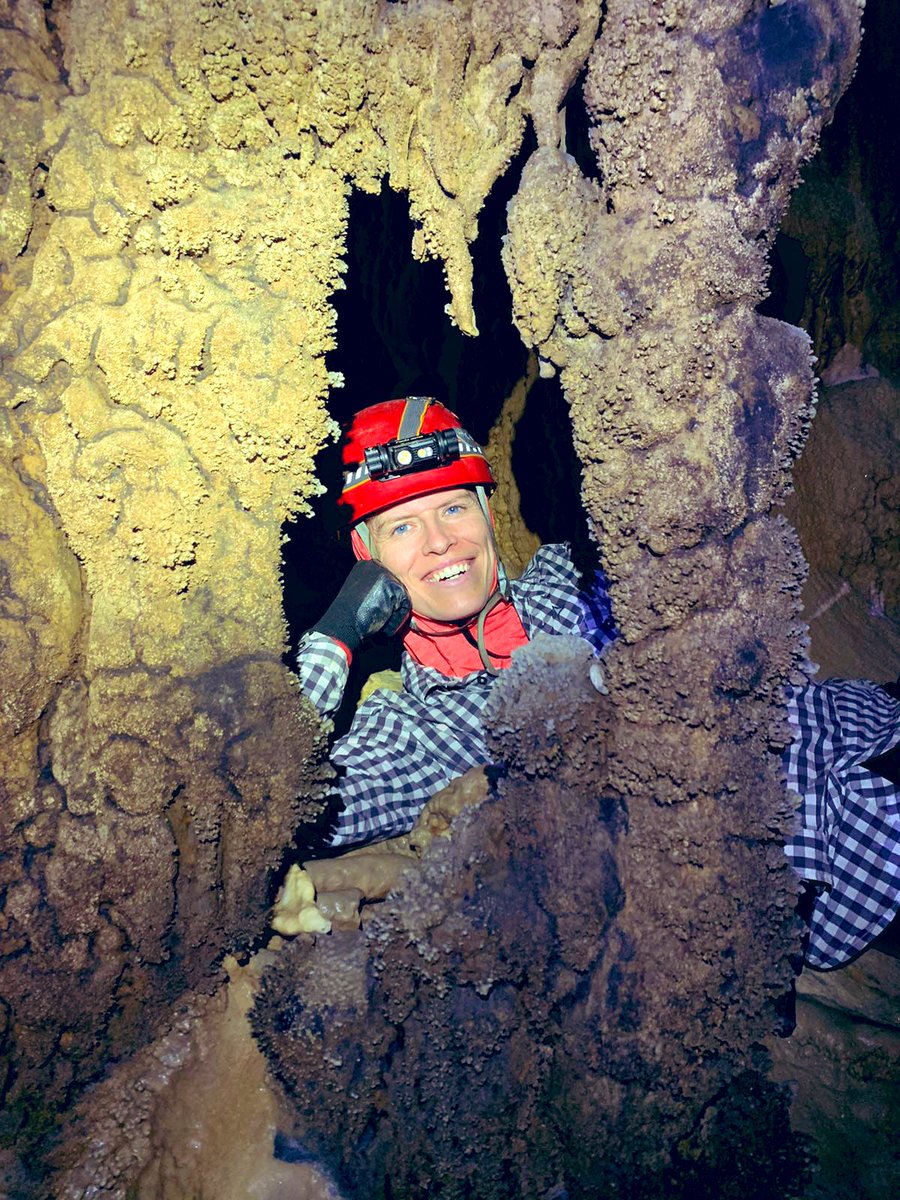
Back from an amazing couple of weeks attending a @PEMSEA workshop and conducting fieldwork in the Philippines. Made new friends, established future collaborations, and visited some caves!
After 10 years in the sciences, my first ever paper just got published I was fortunate enough to be a co-author on (led by the awesome Molly Karnes and @SoraLKim)!
Some cool highlights (1/5)
https://t.co/hVpENIaZ5r
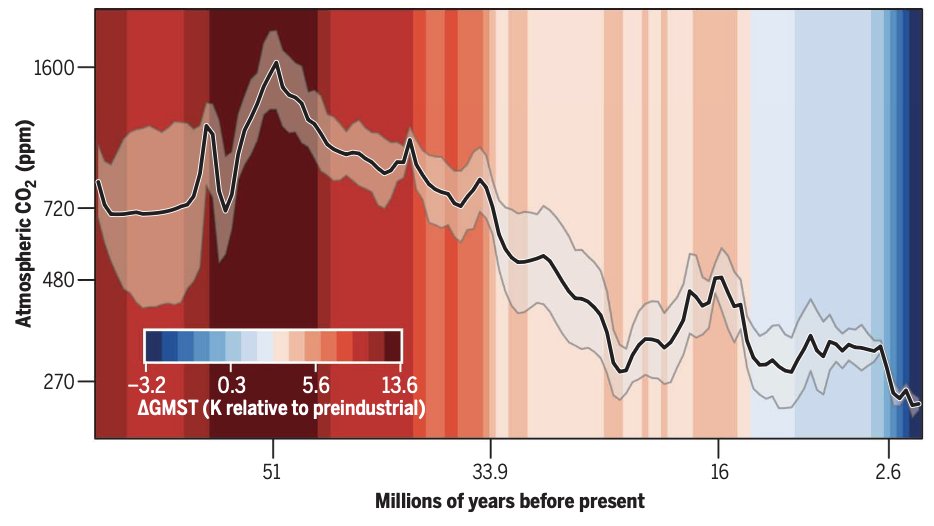
Just out, a 66 million year history of atmospheric CO2. Key take away: CO2 hasn't been at today's levels for at least 3 million years. These high CO2 worlds in the geological past had less ice and *much* higher sea levels 📈🌊 #COP28 https://t.co/BYPWWAuoAR
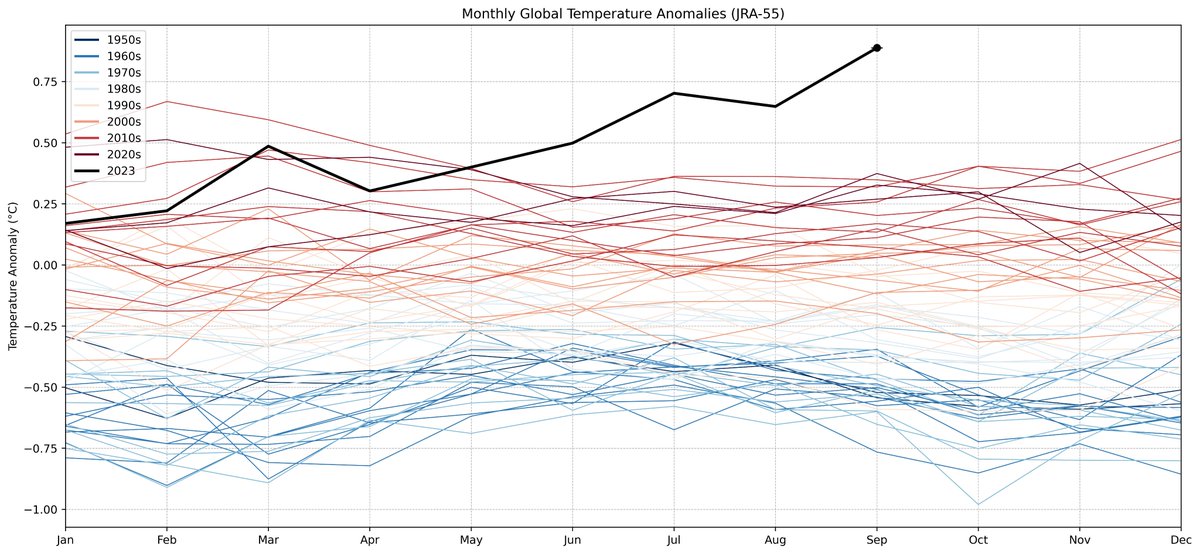
The first global temperature data is in for the full month of September. This month was, in my professional opinion as a climate scientist – absolutely gobsmackingly bananas. JRA-55 beat the prior monthly record by over 0.5C, and was around 1.8C warmer than preindutrial levels.
Are you interested in the Asian monsoon? Speleothems? Did you always wonder what really happened to the winter monsoon during the Holocene??? 🧐🧐
Look no further!! ⬇️⬇️⬇️😎
https://t.co/OkZ3nmmCxL
The world is on track to experience its warmest August on record, beating the prior record set in 2016 by a fairly large margin. This further increases the likelihood that 2023 will be the warmest year since global records began in the mid-1800s.
👀 A short piece on an exciting recent paper by Griffiths, Eagle, and @SoraLKim et al that I had the pleasure of writing for @PNASNews is live… check it out: https://t.co/FQHSKlJVNw and go read the original paper! https://t.co/ZH9G6STfXd 🦈🦷🔬