We focus on how microbiome influences plant's resilience and molecular physiology to combate abiotic stresses. PI: @khanal79 @UHEngineering @UHEngineeringSL
Can bacteria help crops survive salt-stressed soils?
Salinity affects more than 1 billion hectares of land worldwide.
Researchers in Abdul Latif Khan's lab are investigating endophytic bacteria as a potential way to improve crop resilience.
Learn more🔗⬇️
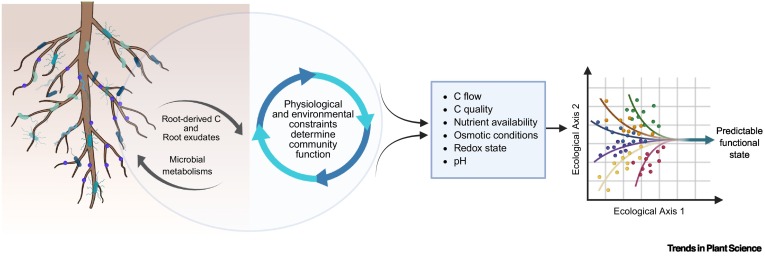
Here is a detailed story about our research on role of bacterial diversity and function in reducing saline stress conditions in soil.
We are heading towards a more applied nature of this diversity through our recent project.
More to come @microbiome_lab
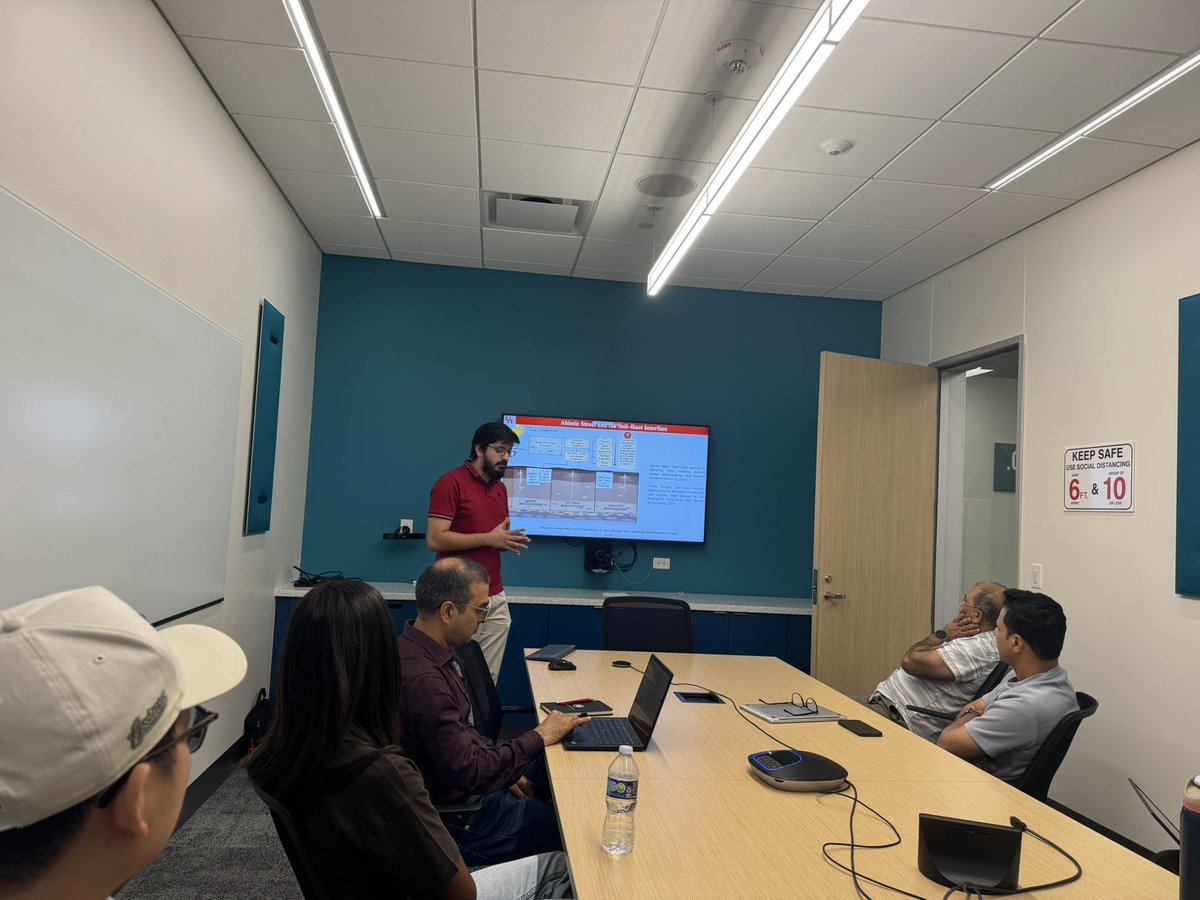
Back to Texas after an amazing CANVAS conference! Excited to have shared my research, connected with inspiring researchers, and exchanged ideas. Huge thanks to the @microbiome_lab for this wonderful opportunity.
@microbiome_lab@ASA_CSSA_SSSA@USDA_NIFA
New Article from Lab by @Khan16Nasir in Communication Biology.
Silicate-genotype interactions help improve stress tolerance of Glycine max and CO2 dynamics in saline soil
https://t.co/18WujDblkV
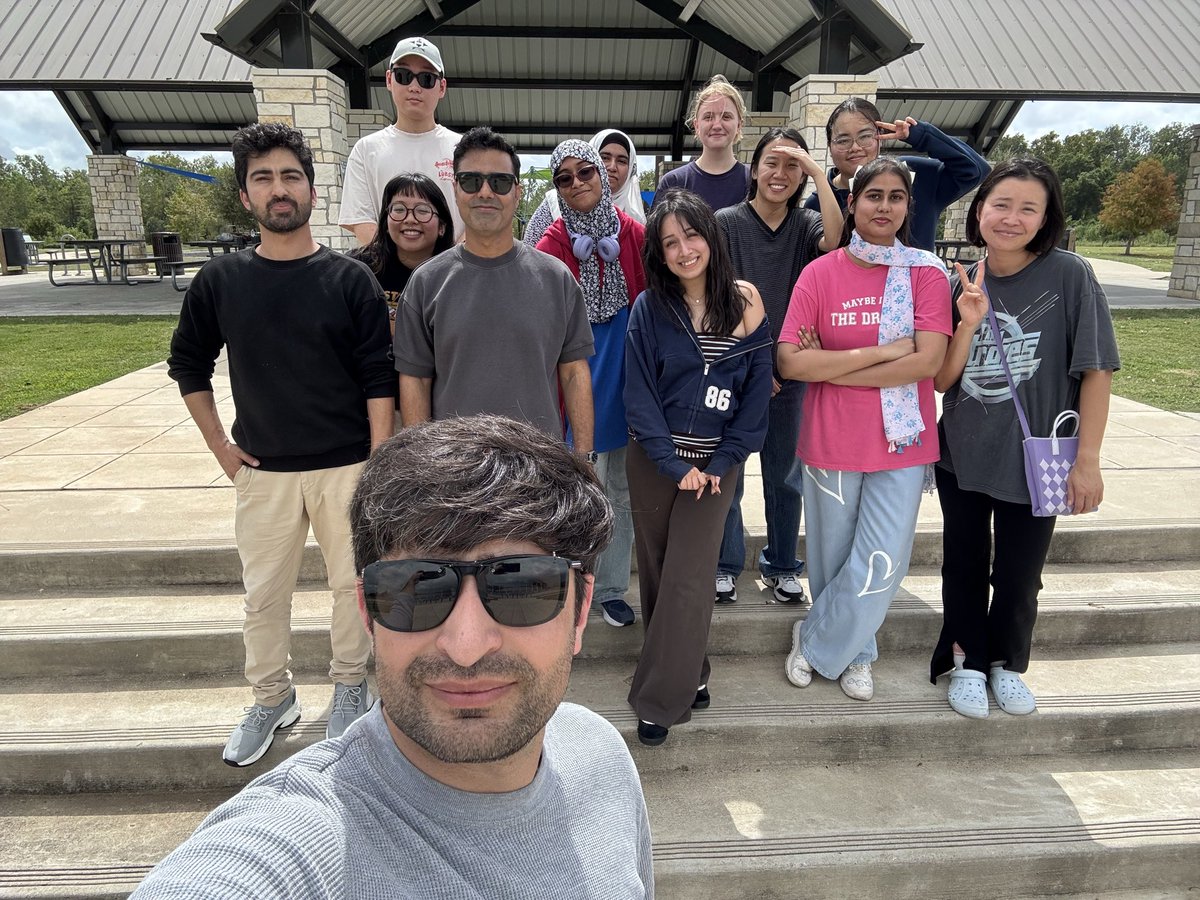
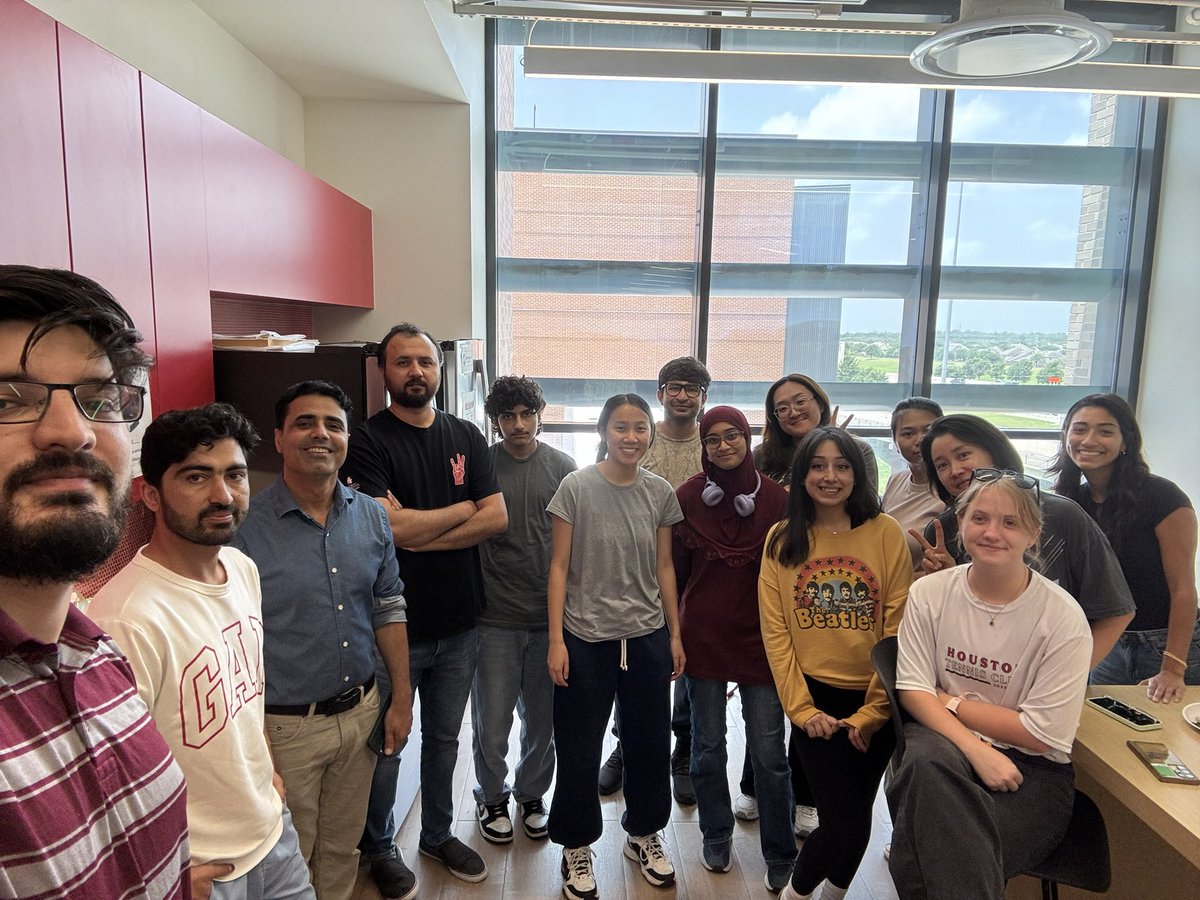
A little break beyond the lab! 🌿🧪 After a long day of cleaning and organizing the lab, we headed just a few miles from campus to Brazos River Park for some good food and a relaxing time together. A great way to end a busy day with the lab crew! 🙌
The equations behind flowing fluids are the subject of one of the most famous puzzles in mathematics. AI seems to have solved it, even as the feat came with a flood of controversy.
https://t.co/C5EUoDLYgq
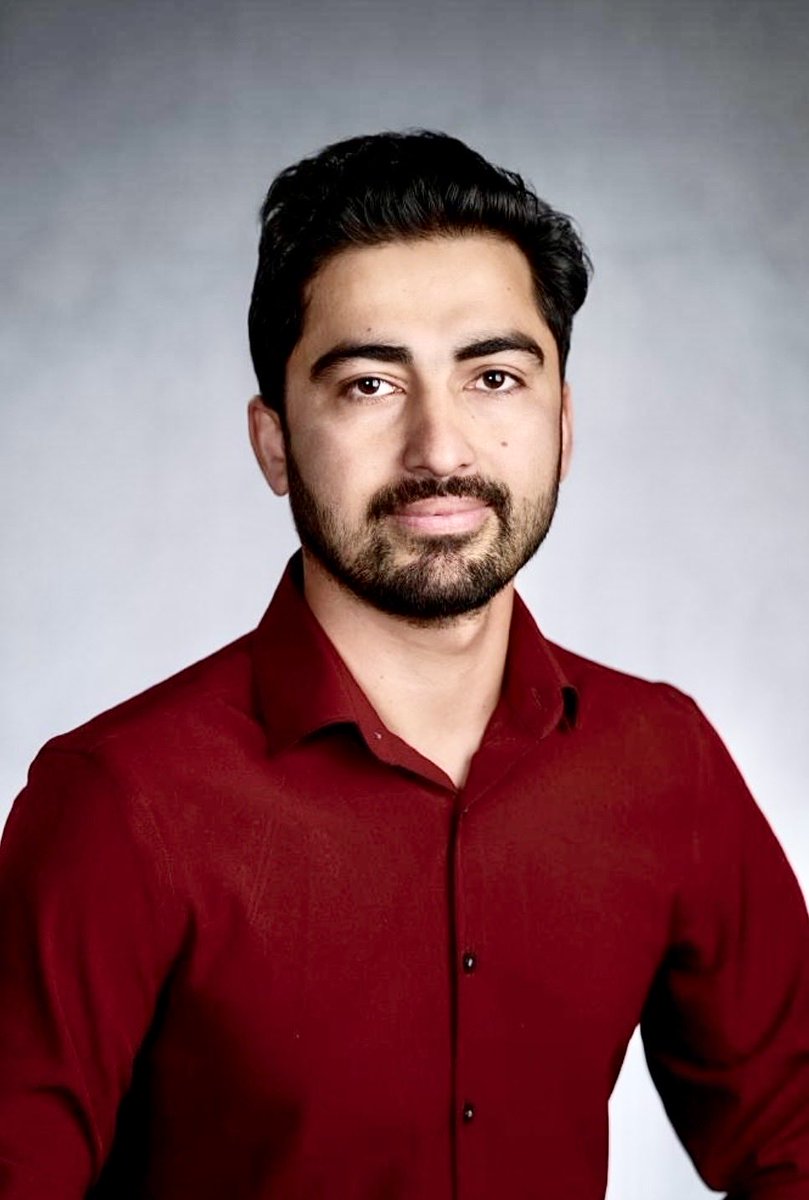
Meet Eisha, the Newest Member of the Khan Lab Eisha is pursuing her M.S. in Biotechnology and will be working on her graduate research focusing on characterization of nitrate- and phosphate-removing microbes, along with evaluating their plant growth-promoting potential.
Meet our Lab member: Christopher Yo
Chris, a graduate student, whose thesis work focuses on hyperaccumulator plant species and their ability to translocate and store metals from contaminated soils.
For more information: https://t.co/hzruBWOFga
Tisha and Jason were phenomenal to work with on their capstone and honors thesis.
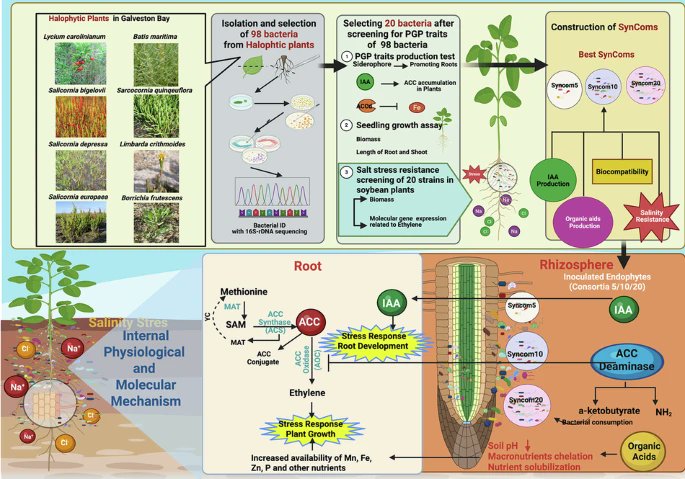
These findings provide a foundation for developing SynComs for crop productivity under salinity.
More to come: https://t.co/ZtHocGGly4
New paper from @microbiome_lab on emerging bioprospecting research showing Halophyte-Derived Bacterial Synthetic Communities (SynComs) for unlocking salinity tolerance in soybean crops.
📣🔥https://t.co/2u9dgkSc3v
Great efforts by @Waqar_1A and Dr. Kwon
📣 Thesis Defense 📣
Congrats 🎉 to Afnan, who has successfully defended his Master’s thesis at the Biotechnology Program.
His thesis, titled “Investigating the Impact of Silicate Amendments in Rhizosphere on Plant Health during Abiotic Stresses,”
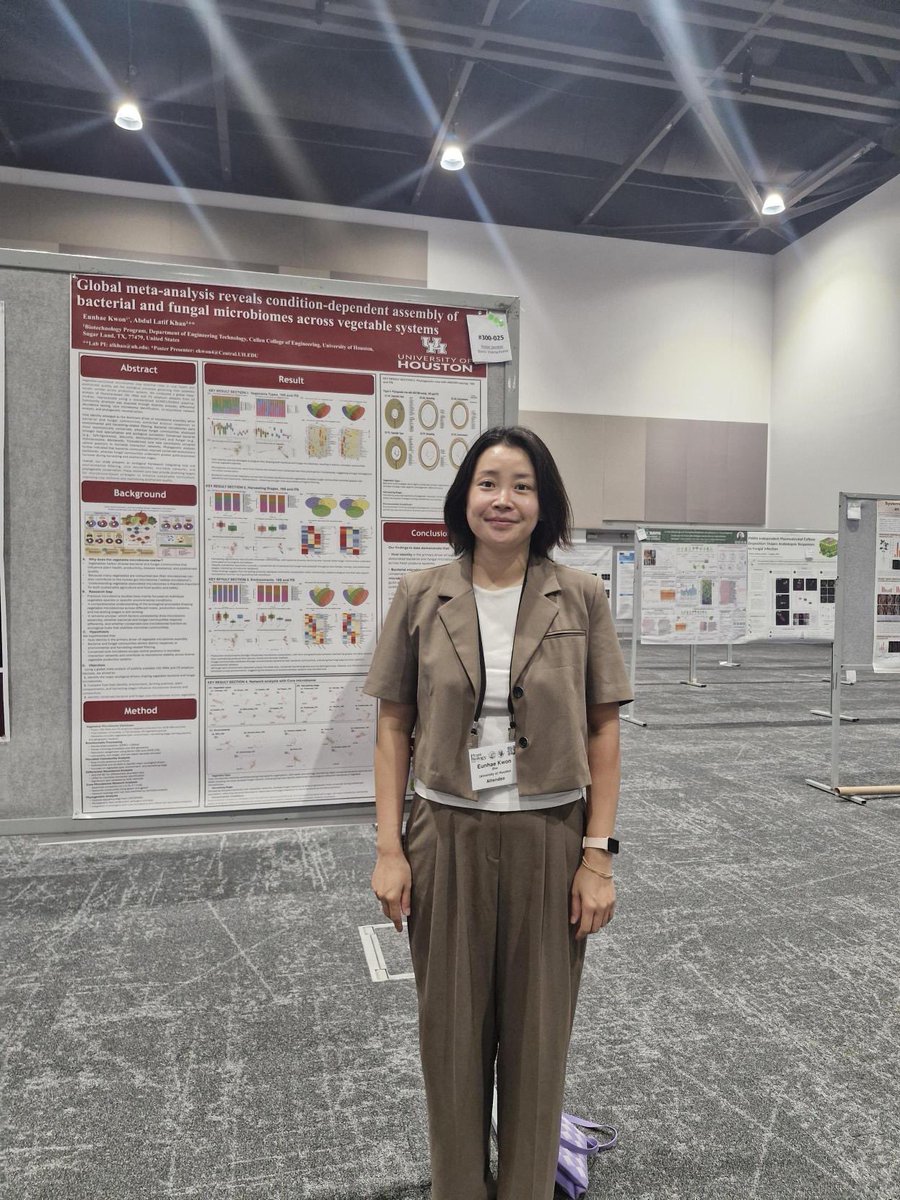
Dr Eunhae Kwon from Khan Lab is attending the ASPB Plant Biology 2026 in Ottawa, Canada.
She is presenting her research work on "Global Meta-Analysis Reveals Condition-Dependent Assembly of Bacterial and Fungal Microbiomes Across Vegetable Systems."
#ASPB2026#plantbiology
Best wishes to Waqar as he starts his new postdoctoral journey! Khan Lab had a farewell lunch to celebrate his time with us and wish him continued success ahead.
The workshop concluded with a visit to Orchid Life Nursery.
Participants observed commercial orchid production, greenhouse management, and ornamental plant care, followed by a group photo to wrap up three days of learning and field visits.
#Orchids#Horticulture#USDANIFA
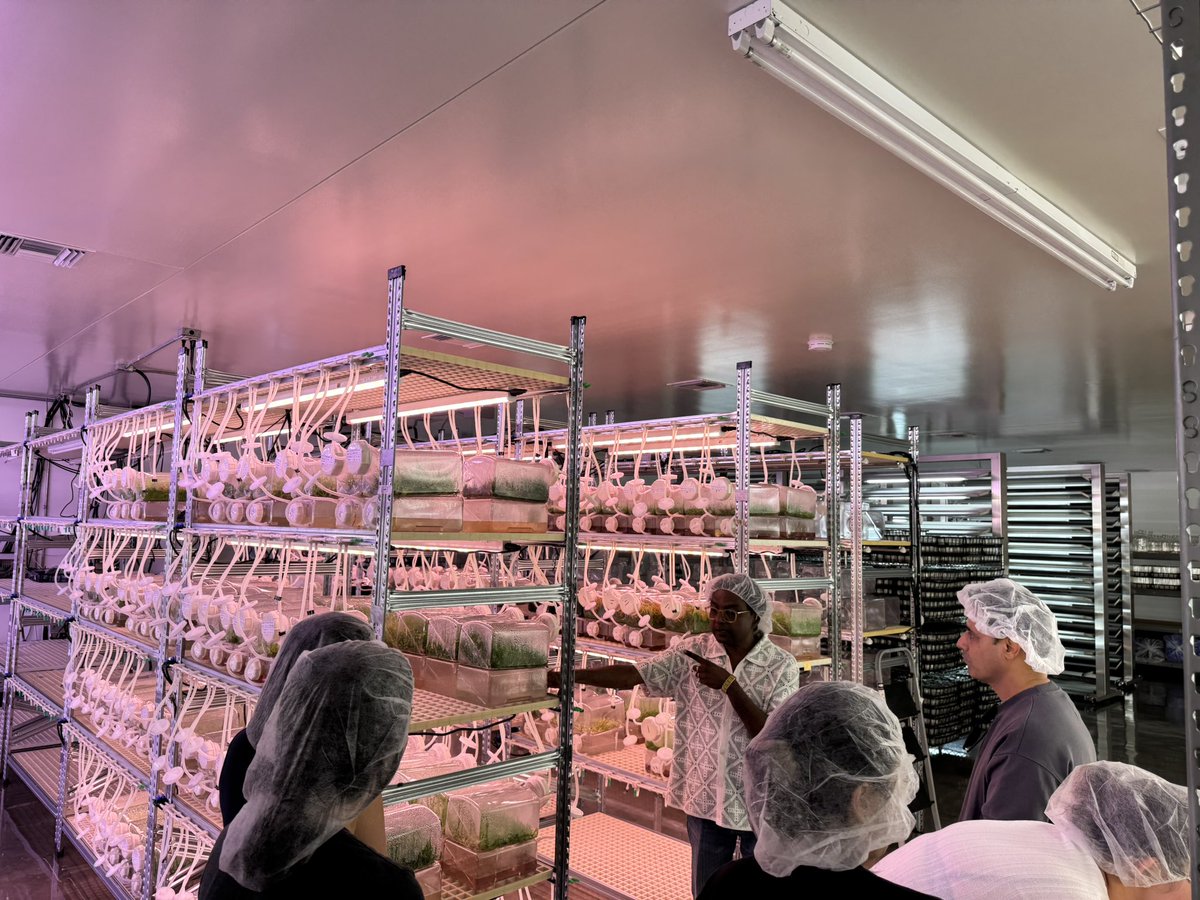
Day 3 continued with a visit to Magnolia Gardens Tissue Culture Lab.
Participants learned how plants are produced through tissue culture, grown on media, rooted, transferred to greenhouses, and prepared for nursery production.
#TissueCulture#Biotechnology#USDANIFA
Day 3 of the workshop included a visit to Texas A&M Horticulture greenhouse facilities and outdoor field areas.
Participants observed greenhouse systems, crop management practices, fruit crops, flowers, and field-based horticultural production.
#PlantScience#USDANIFA