Every detail of this sculpture was carved from solid marble.
Created in 1846 by Italian sculptor Luigi Bienaimé, Dancing Bacchante depicts a follower of Bacchus, the Roman god of wine, captured in mid-dance.
Standing 149 cm (4 ft 11 in) tall, the sculpture features intricate grape leaves woven into her hair, flowing fabric, finely detailed sandals, and cymbals held in her hands.
This is one of the most famous paintings in the world, yet few people know the story of the woman holding the parasol…
It was painted by Claude Monet in 1875, and she was his wife, Camille, out for a walk with their young son Jean near their home in Argenteuil, just outside Paris. Monet painted them outdoors on a windy day, from below, so that Camille stands against the sky, her veil and dress caught by the wind, looking down at us as if we had just called her name.
It feels less like a moment a husband didn’t want to forget.
Four years later, Camille was gone. After a long illness, she died in September 1879, at just 32. Five days before the end, a priest blessed the marriage she and Monet had made in a simple civil ceremony nine years earlier. And there, at her bedside, the artist did the only thing he knew how to do: he painted her one last time. Years later, he confessed that even then, sitting beside her, he caught himself studying the colors that death was leaving on her face, a moment he never managed to forget.
By then, she had appeared in some fifty of his paintings: in a green silk dress at nineteen, standing at a window, walking through the poppies with their little boy. Without ever meaning to, he had painted the story of her whole life with him.
Monet lived almost fifty more years, but on this canvas it will always be that summer afternoon, with Camille turning to look at him in the wind…
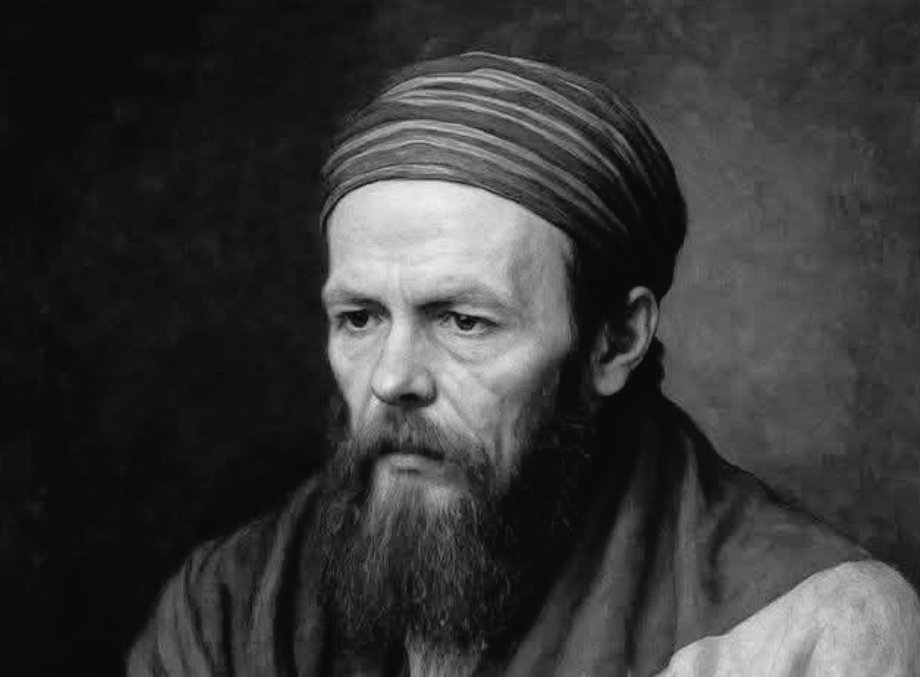
« Nous avons besoin d’une nouvelle guerre… une guerre dont les armes seraient les livres, dont les chefs seraient les gens de pensée, et dont les victimes seraient l’ignorance et le retard. »
Fiodor Dostoïevski.
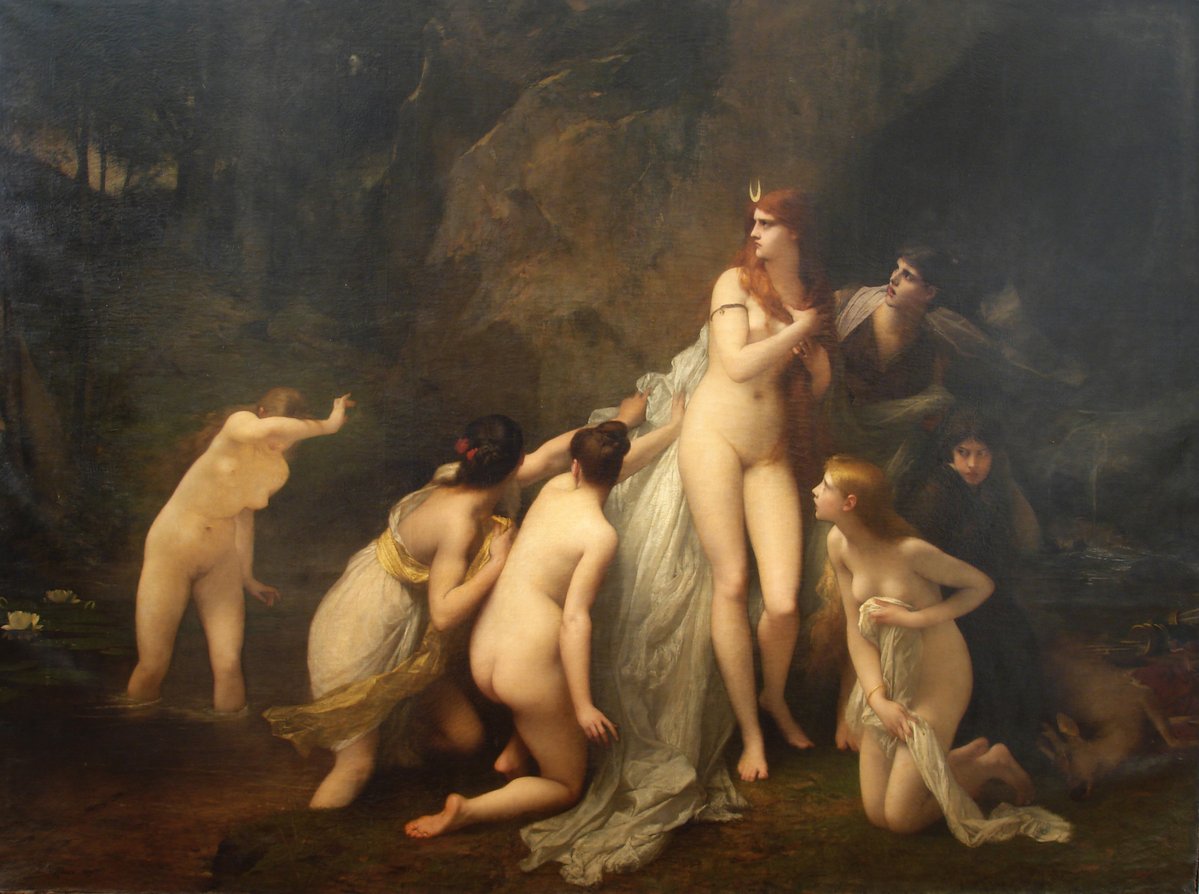
El ciclo de visitas guiadas “Obras en diálogo” propone analizar en sus semejanzas y tensiones dos pinturas emblemáticas de la colección: “Diana sorprendida” (1879), de Jules Lefebvre, y “La ninfa sorprendida” (1861), de Édouard Manet.
¿Cuándo? El domingo 25 de octubre, a las 16.
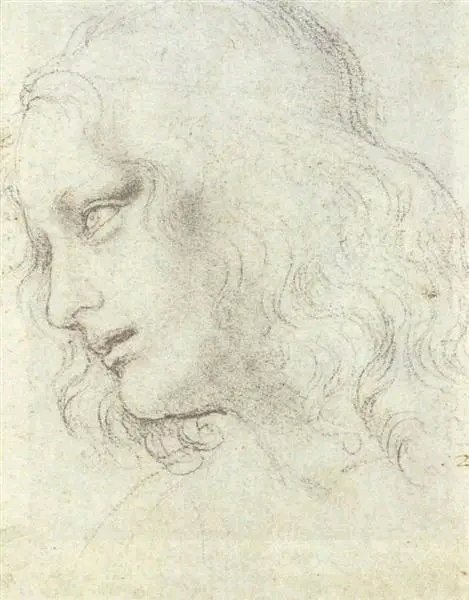
Study for the Last Supper: James
Leonardo da Vinci
Date: c.1495; Milan, Italy
Style: High Renaissance
Genre: sketch and study
Media: chalk, paper
Dimensions: 19 x 14.9 cm
#art