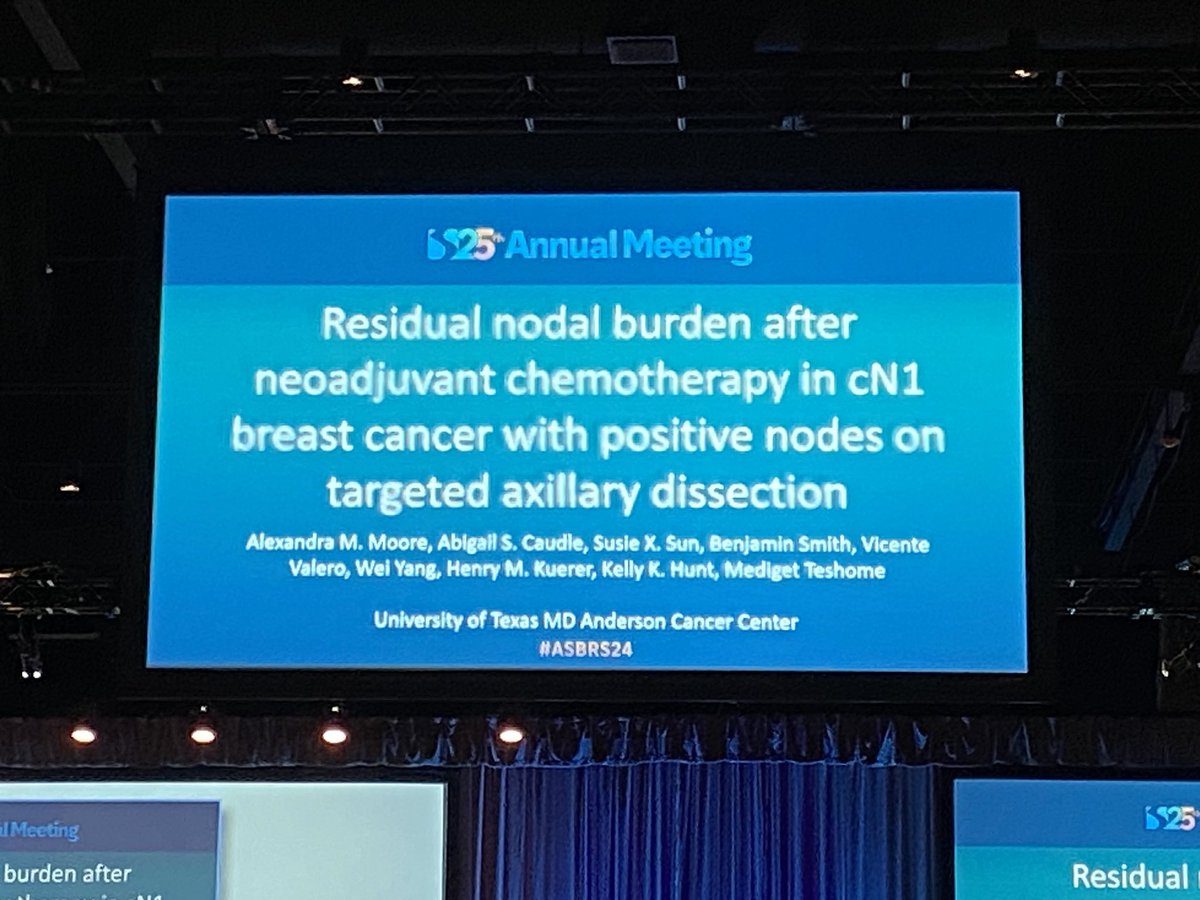
Great to see this in print. Fantastic body of work from @nedquirke with 582 patients included.
Invasive lobular carcinoma of the breast; clinicopathologic profile and response to neoadjuvant chemotherapy over a 15-year period - The Breast https://t.co/SXQpNoIZMx
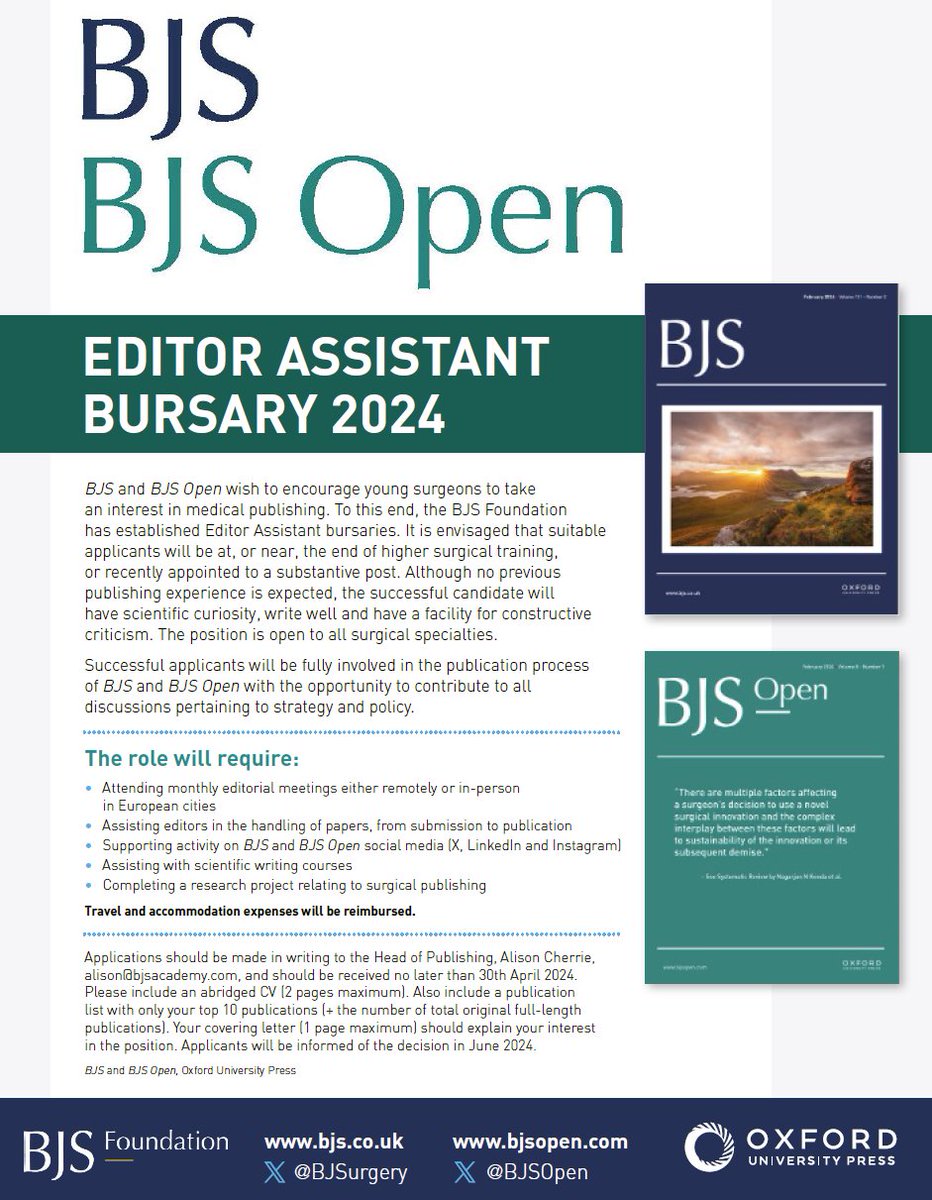
⏰ Closing date for this year's applications is approaching!
You have until 30th April to submit your application for a fantastic year-long experience working closely with the editorial teams of BJS and @BjsOpen!
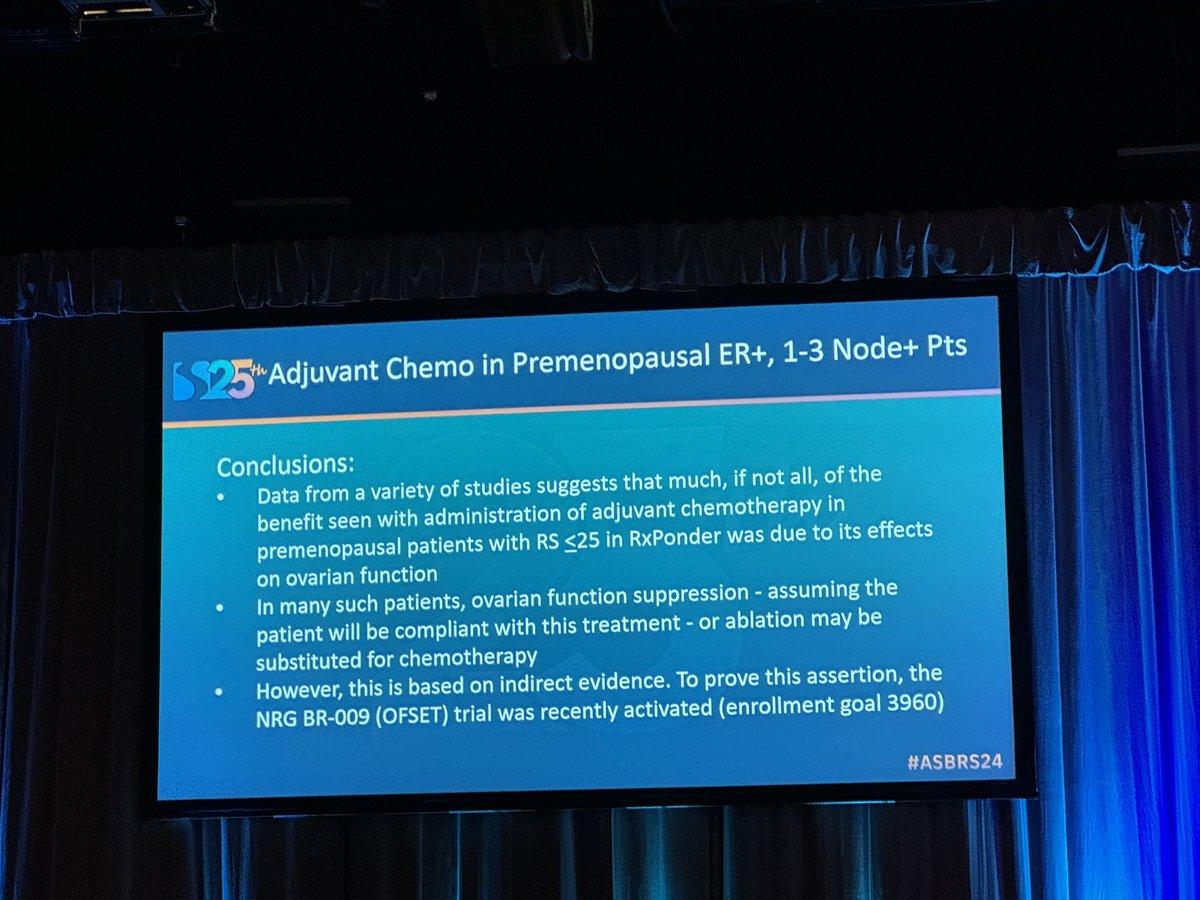
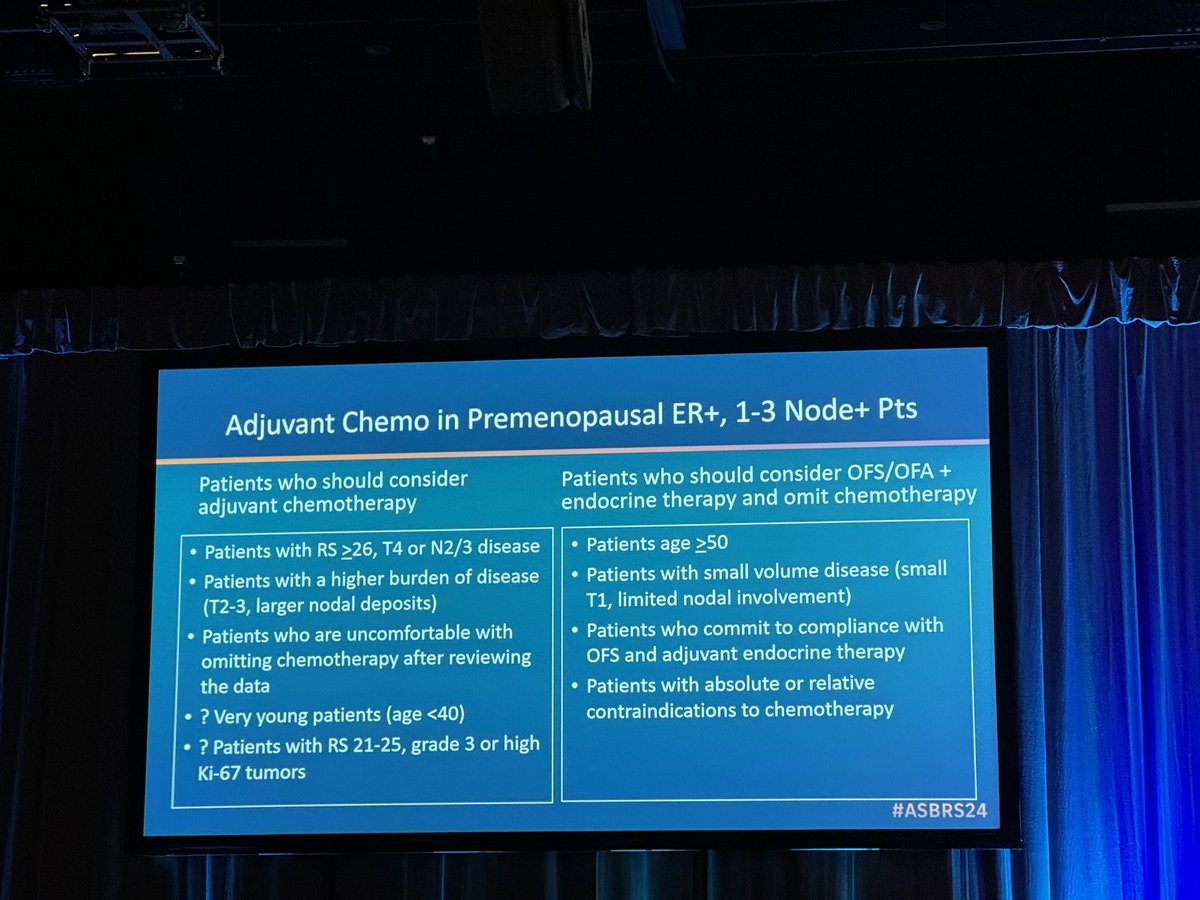
.@WilliamSikov discusses the challenging situation of adjuvant chemo in premenopausal, node-pos pts in the post-RxPONDER era. His answer is no in select patients though @NRGonc BR009 OFSET (https://t.co/f3vC5VVhxN) RCT will be important to answer this question #ASBrS24@ASBrS
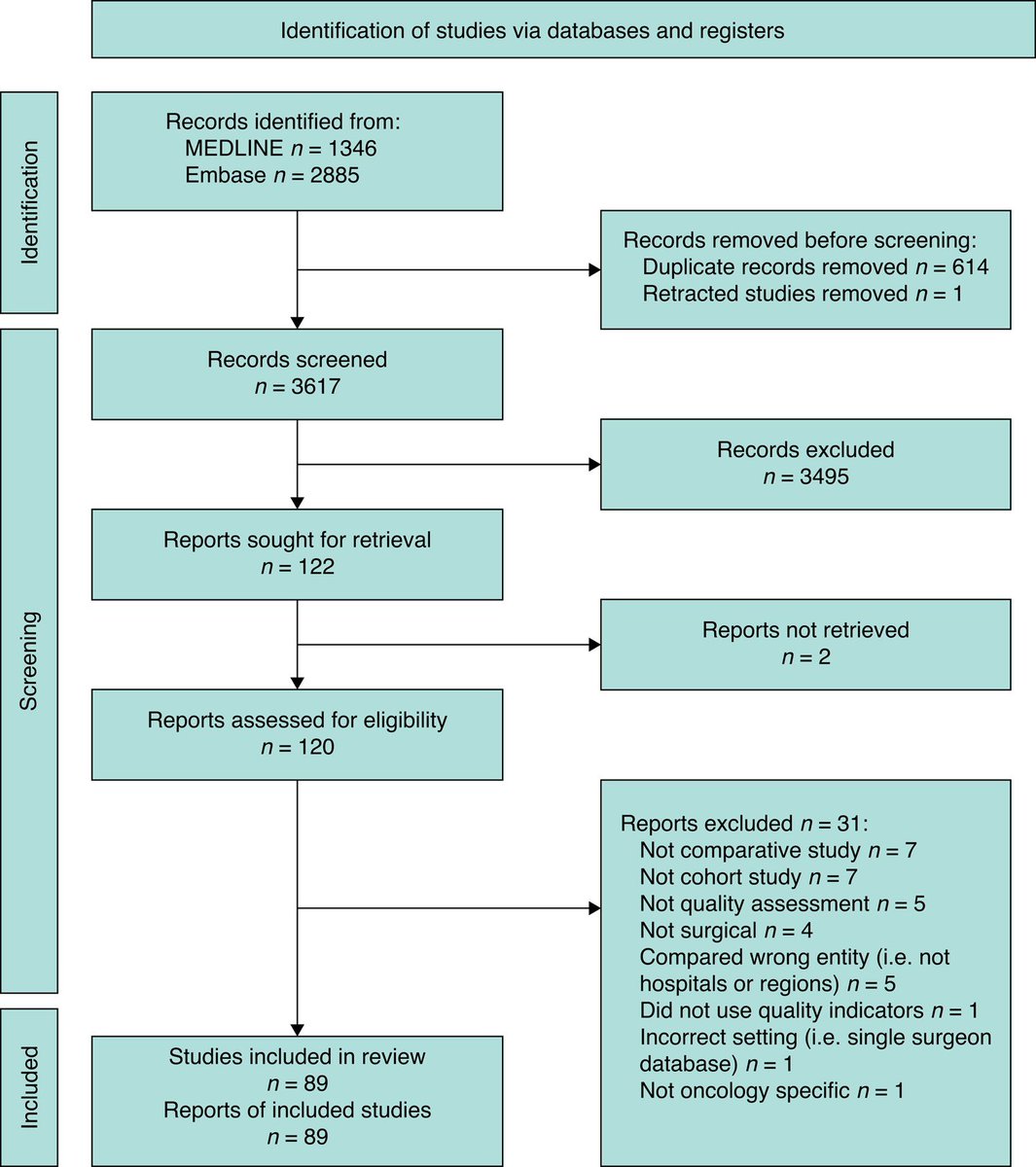
Quality indicators in surgical oncology: systematic review of measures used to compare quality across hospitals
➡️https://t.co/yDxEvVDf1m
Background: Measurement and reporting of quality indicators at the hospital level has been shown to improve outcomes and support patient choice. Although there are many studies validating individual quality indicators, there has been no systematic approach to understanding what quality indicators exist for surgical oncology and no standardization for their use. The aim of this study was to review quality indicators used to assess variation in quality in surgical oncology care across hospitals or regions. It also sought to describe the aims of these studies and what, if any, feedback was offered to the analysed groups.
Methods: A literature search was performed to identify studies published between 1 January 2000 and 23 October 2023 that applied surgical quality indicators to detect variation in cancer care at the hospital or regional level.
Results: A total of 89 studies assessed 91 unique quality indicators that fell into the following Donabedian domains: process indicators (58; 64%); outcome indicators (26; 29%); structure indicators (6; 7%); and structure and outcome indicators (1; 1%). Purposes of evaluating variation included: identifying outliers (43; 48%); comparing centres with a benchmark (14; 16%); and supplying evidence of practice variation (29; 33%). Only 23 studies (26%) reported providing the results of their analyses back to those supplying data.
Conclusion: Comparisons of quality in surgical oncology within and among hospitals and regions have been undertaken in high-income countries. Quality indicators tended to be process measures and reporting focused on identifying outlying hospitals. Few studies offered feedback to data suppliers.
👏👏👏@Megan_Mcleod_, @Kari_Leung, C S Pramesh, @drpeterkingham, @m_mutebi, @torode_julie, Andre Ilbawi, Jade Chakowa, @SullivanProf, Ajay Aggarwal
#SoMe4Surgery #MedTwitter #SurgEd #Surgery @for_surgery@for_surgeons@modern_surgeon@surggpt@me4_so@BJSAcademy@BJSurgery@young_bjs@juliomayol@JJEarnshaw @OUPMedicine #SurgicalOncology
Effect of colorectal cancer screening on colorectal cancer surgery outcomes: nationwide cohort study
➡️https://t.co/J9hyDsB12t
National register-based cohort study revealing that patients in 🇩🇰 with 🔍screen-detected colorectal cancer have fewer intraoperative and postoperative complications, a lower 90-day mortality rate, and shorter hospitalization!
👏👏👏Jannie Dressler, Sisse H Njor, Morten Rasmussen, Lars N Jørgensen
#SoMe4Surgery #MedTwitter #SurgEd #Surgery @for_surgery@for_surgeons@modern_surgeon@surggpt@me4_so@BJSAcademy@BJSurgery@young_bjs@juliomayol@JJEarnshaw @OUPMedicine #colorectalsurgery #colorectalcancer @FightCRC #StepUp4CRC
📢 It's that time of year again!
🤝 We are now recruiting the next intake of Editor Assistants to join the editorial teams of BJS and @BjsOpen
📆 Deadline for applications is 30th April 2024
🙌 Reposts would be greatly appreciated!
😷 Find out about more about this exciting opportunity below...
#LeadingSurgicalEducation
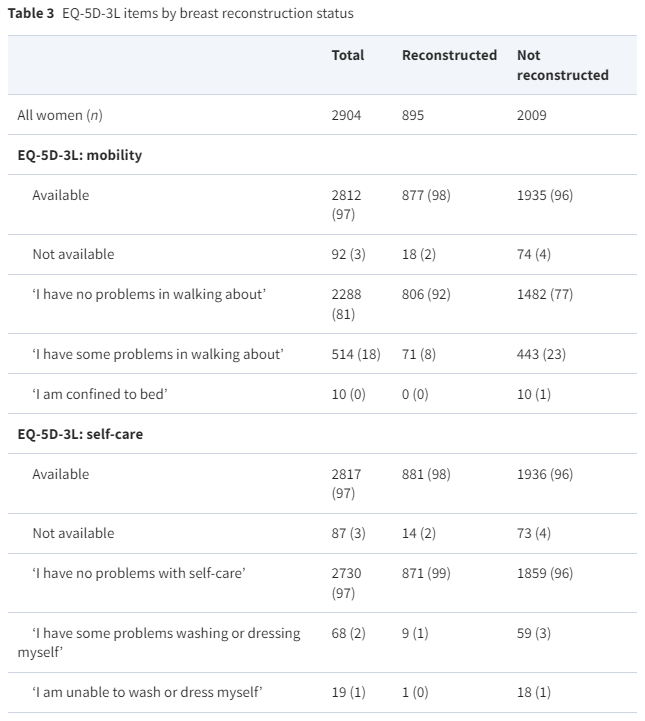
National long-term patient-reported outcomes following mastectomy with or without breast reconstruction: The Swedish Breast Reconstruction Outcome Study Part 2 (SweBRO 2)
➡️https://t.co/EFl13XzKoh
❓The Swedish Breast Reconstruction Outcome Study (SweBRO) initiative is a nationwide study with the primary aim of assessing long-term outcomes after mastectomy with and without breast reconstruction (BR).
😷Women who had undergone mastectomy in Sweden in 2000, 2005, or 2010 and were alive at the time of the survey were identified through the National Breast Cancer Registry.
🔍Women with BR had better physical functioning domain, less fatigue and dyspnoea and favourable sexual functioning compared to non-reconstructed women.
💡The current study underscores the benefits of BR for long-term well-being, for example, in terms of physical and sexual functioning.
👏👏👏Rojda Gümüscü, Dmytro Unukovych, Fredrik Wärnberg, Jana de Boniface, Malin Sund, Kristina Åhsberg, Emma Hansson, Folke Folkvaljon, Maria Mani
#SoMe4Surgery #MedTwitter #SurgEd #Surgery @for_surgery@for_surgeons@modern_surgeon@surggpt@me4_so@BJSAcademy@BJSurgery@young_bjs@juliomayol@JJEarnshaw @OUPMedicine #breastcancer #endocrine #mastectomy @samira_sadowski
Just under two weeks to go to - Sylvester O Halloran 2024 - 30th Anniversary - Masterclasses, State of the Art Lectures, ultrasonography, robotic simulators - a Celebration of Surgery, Anaesthesia and Perioperative Nursing @ShafiAhmed5@SWexner@ConorDelaneyMD @WalshDara
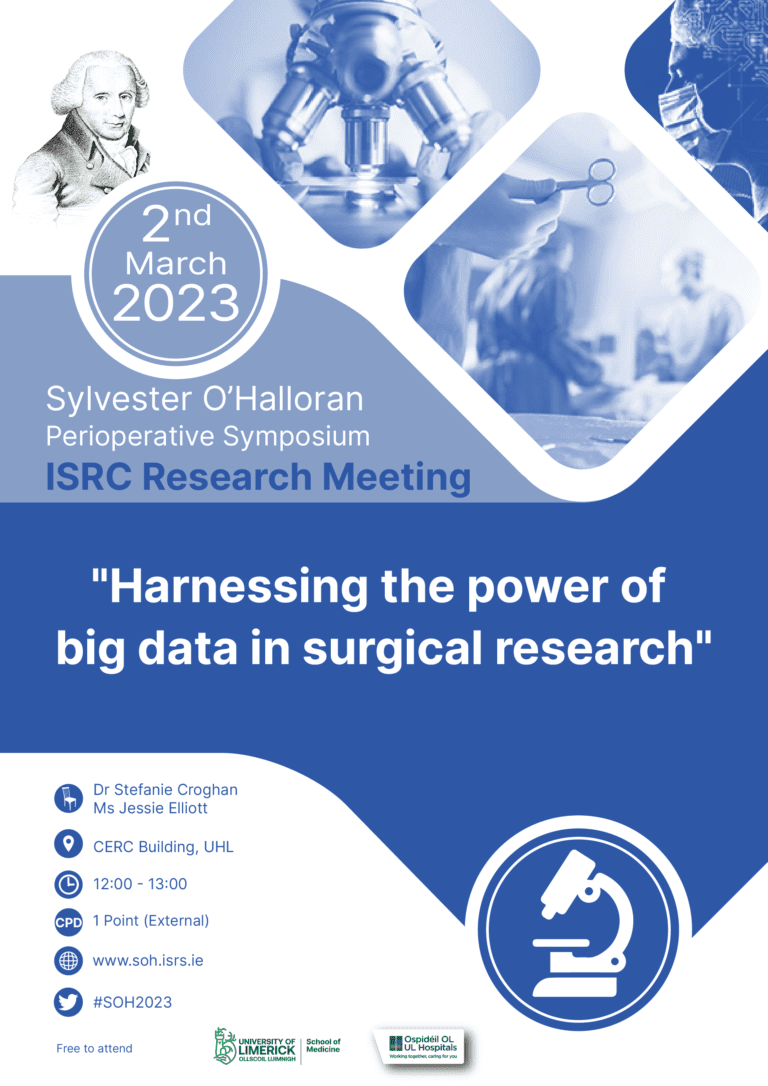
We are super excited to announce our session at Sylvester O'Halloran 2023 "Harnassing the Power of Big Data in Surgical Research" with invited talks from leaders in the field incl IPCOR and the Hip Fracture Database.📈#SOH2023@ISTGofficial@ASiTofficial https://t.co/RTkAAgTGtt
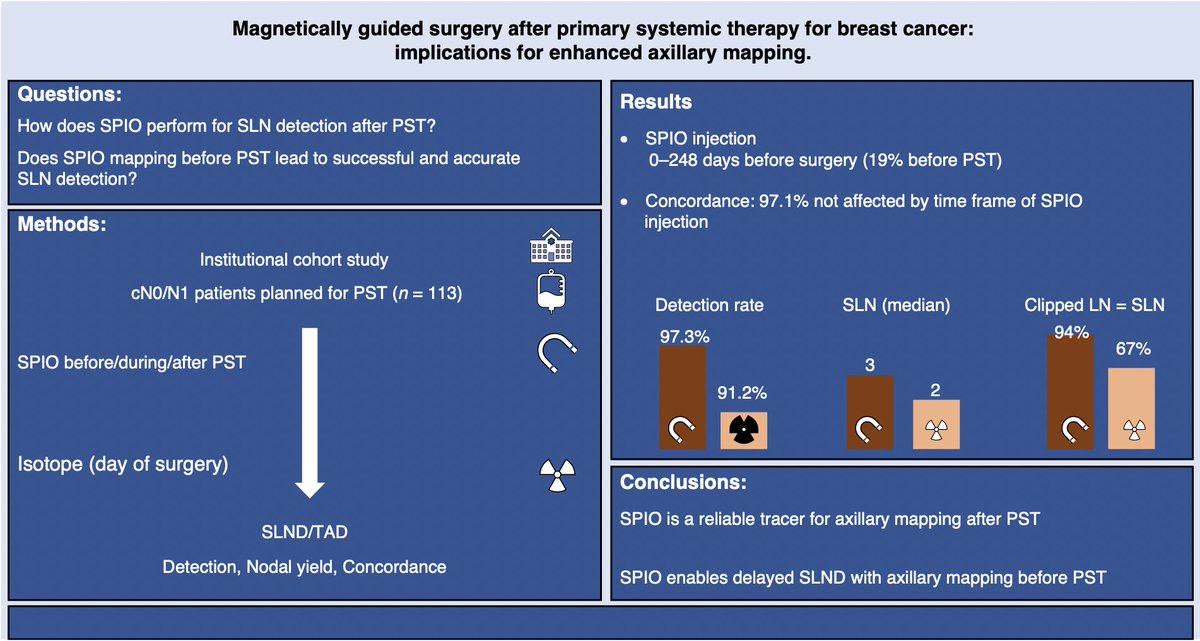
Magnetically guided surgery after primary systemic therapy for #breastcancer : implications for enhanced axillary mapping
➡️ https://t.co/ih4GibD30U
In this study, patients with breast cancer who received oncological treatment before surgery underwent axillary surgery by means of a superparamagnetic iron nanoparticle tracer, which was injected at any time point, ranging from the day before surgery to before the start of oncological treatment.
All patients received a radioisotope tracer, the standard, as a comparator. The superparamagnetic iron nanoparticle detection rate and accuracy for sentinel lymph node detection were not affected by the time of injection (before or after preoperative oncological therapy) and superparamagnetic iron nanoparticles detected more lymph nodes, especially for patients with nodal metastases.
Great work by Eirini Pantiora, Staffan Eriksson, Fredrik Wärnberg, Andreas Karakatsanis
#SoMe4Surgery #MedTwitter #SurgEd #Surgery @RCPSGTrainees @aecirujanos@SEIQuirurgica@iss_sic@BJSAcademy@young_bjs@BJSOpen@des_winter@evanscolorectal@robhinchliffe1@bplwijn@ksoreide@MalinASund@nfmkok@TejedorPat@paulo_sutt@PVaughanShaw@JJEarnshaw@juliomayol@IfsoSecretariat@YoungIFSO