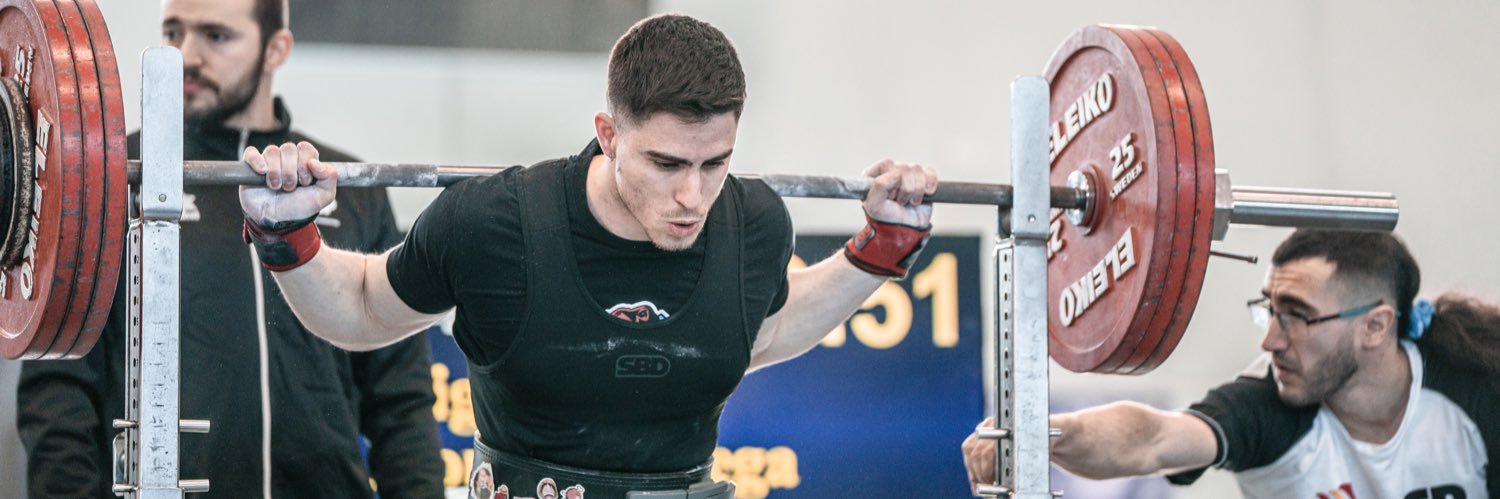
I received the final proofs for the 3rd edition of my textbook, "Science and Development of Muscle Hypertrophy." Looking back, it’s remarkable to see how much hypertrophy science has advanced over the past decade.
One of the most intriguing developments has been our evolving understanding of the mechanisms underlying hypertrophy. Emerging evidence has helped clarify the intrinsic stimuli that drive muscle growth, and in particular, has increasingly called into question a meaningful role for muscle damage in the process. In the past, I speculated that there may be a “sweet spot” whereby mild muscle damage could enhance anabolic processes beneficial to muscle development (e.g., satellite cell activity, macrophage signaling). However, more recent research suggests these responses are primarily associated with more severe muscle damage, which is inherently detrimental to subsequent performance and, hence, long-term gains.
Given the inherent challenges of mechanistic research in humans and the difficulty in establishing causal inference, a contributory role for muscle damage cannot be completely ruled out. That said, if such an effect does exist, it is likely to be minor in practical significance.
The mechanisms that drive muscle development remains an exciting area of research that should continue to evolve in the coming years. We know a lot more than we did a decade ago, but there’s still much to learn.
The book is available for pre-order on Amazon: https://t.co/TPwDhCjSy8
Our meta-analysis, led by @ExerciseBiology, compared power training (performing the concentric phase explosively with a controlled eccentric action) vs traditional strength training tempos in adults aged 60 years and older. Results indicated that power training produced a modest but potentially meaningful improvement in physical function compared with traditional strength training (SMD = 0.30).
Improvements were observed in tasks related to mobility and daily living, such as chair rises, stair climbing, and walking performance. Power training also appeared to improve self-reported physical function, although the certainty of evidence for this outcome was low. The implications are particularly important for older adults because muscle power declines more rapidly with aging and is more strongly associated with functional independence than maximal strength alone.
From a practical standpoint, the results suggest a benefit to dedicating at least a portion of a resistance training program to power-type training.
https://t.co/PFh9lmhqv8
20 gramos de creatina y en tres horas y media tu cerebro procesa casi un 25% más rápido. Lo interesante es que la mayoría de gente solo asocia creatina con músculo cuando la evidencia cognitiva lleva años acumulándose sin que casi nadie le preste atención.
Super excited to share that the 3rd edition of my textbook, "Science and Development of Muscle Hypertrophy," is now available for preorder on Amazon. This revision has been several years in the making, reflecting the substantial body of new research that has emerged on the topic and reshaped various perspectives on muscle-building. The updated edition includes major revisions to many chapters, with evidence-based insights into hypertrophy mechanisms, manipulation of training variables, and practical program prescription.
The book is slated for release this fall, with a target publication date of mid-October. 💪
https://t.co/RzhtProvSY
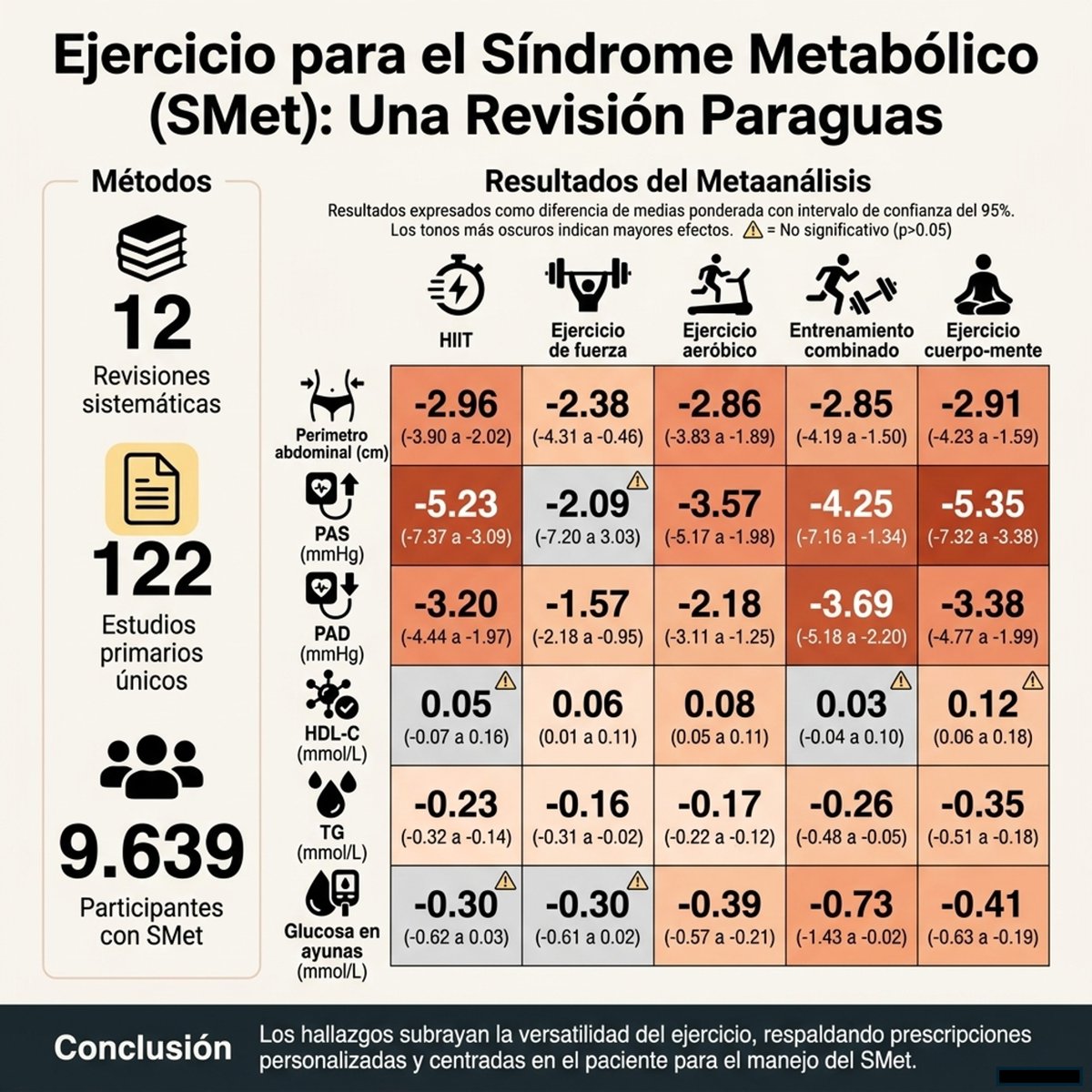
EJERCICIO Y SÍNDROME METABÓLICO: EVIDENCIA INTEGRADORA El ejercicio físico demuestra efectos significativos en todos los componentes del síndrome metabólico, mejorando indicadores cardiometabólicos clave. Diferentes modalidades ofrecen beneficios complementarios, destacando el entrenamiento combinado como estrategia eficaz, lo que respalda la necesidad de prescripciones personalizadas en la práctica clínica. (lee el artículo completo en BLOG JL Chicharro en https://t.co/ghlyA0rsYU) https://t.co/M4nFbZidHi
EL EJERCICIO REPROGRAMA EL ENVEJECIMIENTO SALUDABLE El ejercicio físico modula el metabolismo del triptófano, reduce inflamación crónica, favorece metabolitos neuroprotectores, mejora la función muscular y cerebral, y regula la microbiota intestinal, contribuyendo a prevenir enfermedades asociadas al envejecimiento y promover una longevidad saludable de forma integral. (lee el artículo completo en BLOG JL Chicharro en https://t.co/ghlyA0rsYU) https://t.co/NkRoTsFG90
New position stand from the @ACSMNews on resistance training. GENERAL guidelines:
✔️Works in all people
✔️All forms (circuits, bands, home-based, etc.) work
☑️2x/wk min is likely best
☑️Large range of motion
☑️2-3 sets per exercise
☑️Effort
Most other variables matter less.
ENTRENAMIENTO DE FUERZA E HIPERTENSIÓN: ¿QUÉ TAN EFECTIVO ES? El ejercicio aeróbico sigue siendo la estrategia más eficaz para reducir la presión arterial. El entrenamiento de fuerza aporta beneficios moderados y complementarios, especialmente en adultos mayores, destacando su valor en programas combinados para mejorar salud cardiovascular y funcional. (lee el artículo completo en BLOG JL Chicharro en https://t.co/ghlyA0rsYU) https://t.co/mw3k01nKtw
Most people treat self-talk like a pep talk — you tell yourself you've got this, you stay positive, you push through. That advice isn't wrong. It's just incomplete in a way that matters more than most people realize.
The research on positive self-talk is real. Encouraging internal dialogue does improve performance. But the field has largely moved away from framing this as "positive vs. negative" because that's not actually the right question. The right question is whether what you're saying to yourself is *effective*. And negative self-talk can be effective. Positive self-talk can be useless. The valence isn't the variable. What actually drives effectiveness is something most self-talk advice never mentions: psychological distance.
Here's the thing: you're probably already an expert at this, just not for yourself. Think about a scenario you find stressful — an exam, a tough conversation, a high-pressure week. Now picture a friend in that same situation texting you about it. You know exactly what to say back. You're not scrambling. You're not spiraling. Because you're not inside the emotion of it. That clarity you have for them? That's the same clarity psychological distance gives you for yourself.
Your inner voice isn't your best coach. It's your most reactive one.
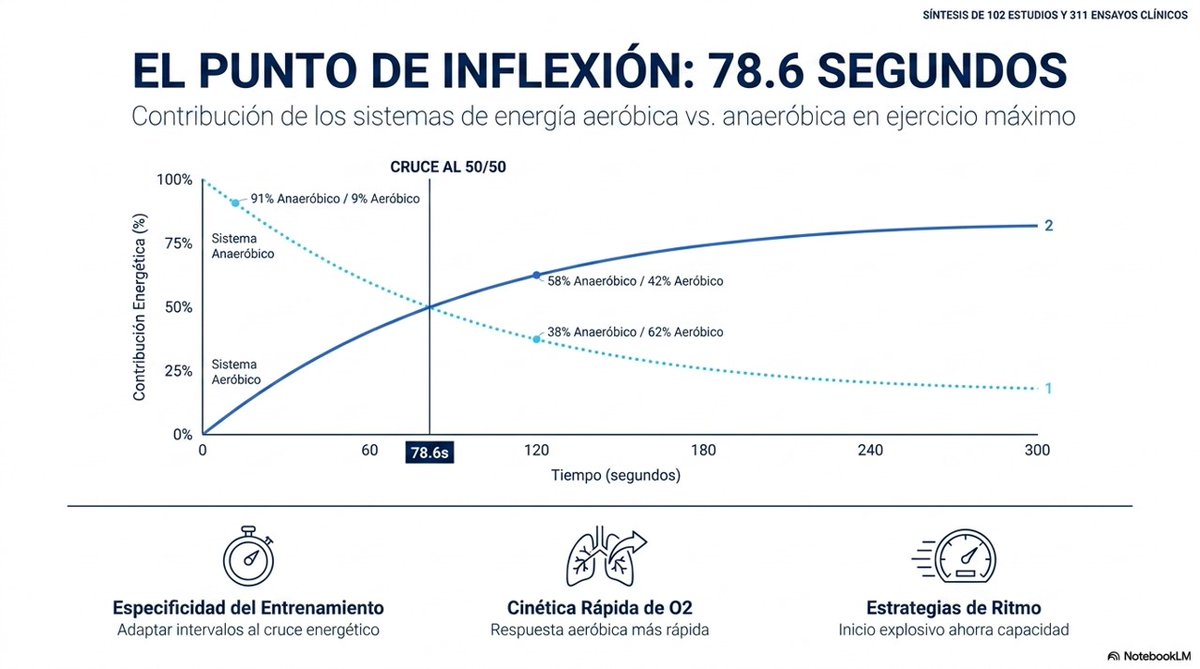
CONTRIBUCIÓN DE LOS SISTEMAS AERÓBICO Y ANAERÓBICO DURANTE ESFUERZOS MÁXIMOS La contribución energética en el ejercicio máximo depende del tiempo de esfuerzo: el metabolismo anaeróbico predomina al inicio, mientras el aeróbico aumenta rápidamente hasta equilibrarse cerca de los 80 segundos. Estos hallazgos optimizan el diseño del entrenamiento de alta intensidad. (lee el artículo completo en BLOG JL Chicharro en https://t.co/ghlyA0rsYU) https://t.co/xZGwHMGWQp
Our latest review explores the key physiological factors limiting VO₂max and endurance performance 🚴♀️🏃
From oxygen delivery to muscle metabolism, we unpack what sets the upper limits of human performance 🚴♀️🏃
Read more:
https://t.co/hLteWTkWNI
Me ponen enferma estos titulares.
¿De verdad nos quieren hacer creer que los jóvenes "ya no quieren" sacarse el carnet?
Ahora no es que no quieran... es que no pueden.
Sacarse el carnet es carísimo. Mantener un coche es un lujo. Gasolina, seguros, impuestos... todo disparado.
Nos están quitando poco a poco cosas que antes eran normales, y encima pretenden que pensemos que es porque
"ya no nos interesan".
Y lo peor es que muchos se lo están creyendo.
Actualmente la entrada para una hipoteca vale más que comprar una casa al contando cuando usted era joven pero el problema es que fui a ver Zootrópolis 2.
"Not statistically significant" does not necessarily mean "no differences." The two terms are commonly conflated in exercise science research, which confuses messaging to the general public. We need to do better...
The psychobiological model of fatigue explains how we reach muscular failure during strength training sets. See more in this week's free Patreon article.