🎇 Finnish President Alexander Stubb on Türkiye:
“We should also speak openly about Türkiye, a major European security actor and an indispensable NATO ally. Yes, we sometimes differ in values, but more often than not, our interests are aligned.”
With respect, President Stubb — the record does not support this.
The facts:
• Turkey’s alignment with EU foreign and security policy positions has been measured around 4%. That is not partnership. It is divergence.
• It has refused to join meaningful sanctions on Russia over Ukraine and continues to profit from both sides of the war.
• It openly threatens two EU member states — Greece and Cyprus — if they exercise their rights in their own maritime zones. The “Blue Homeland” doctrine is a direct rejection of UNCLOS and a claim on EU waters by force.
• It occupies northern Cyprus, EU territory, with a large permanent military presence. This is not a frozen conflict. It is an ongoing occupation threatening daily the security of European citizens
• It has jailed more political prisoners than Russia. It suppresses Kurds numbering millions in Turkey. It jails politicians and activists .Opposition media outlets have been seized, mayors and opposition figures locked up, and free expression systematically crushed.
• It maintains deep strategic ties with Russia, including the Russian-built and operated Akkuyu nuclear plant. It imports and launders Russian oil and gas
• It has hosted Hamas leaders and provided political and operational support to Islamist extremist and terrorist networks while positioning itself as a NATO ally.
Turkey markets itself as a pillar of European security while actively destabilizing its neighborhood and extracting concessions without reciprocal alignment.
European and American leaders’ reluctance to impose real costs has reinforced the belief that aggression carries no price.
💥Where, precisely, does the alignment of interests lie? Has any senior Turkish official recently issued a clear, hostile statement toward Russia or Iran that matches the rhetoric used against Greece and Cyprus?
Treating a state that occupies EU territory, threatens EU members, and maintains deep ties to Moscow and other Western enemies as “indispensable” is not strategic realism.
It is the same logic that once treated aggressive revisionism as a manageable inconvenience.
That approach has a poor historical track record.
Don’t forget the appeasement to Nazis to preserve peace ! We all know how it ended !
The free ride is over. Call the behavior what it is.
@alexstubb #StandWithGreeceAndCyprus
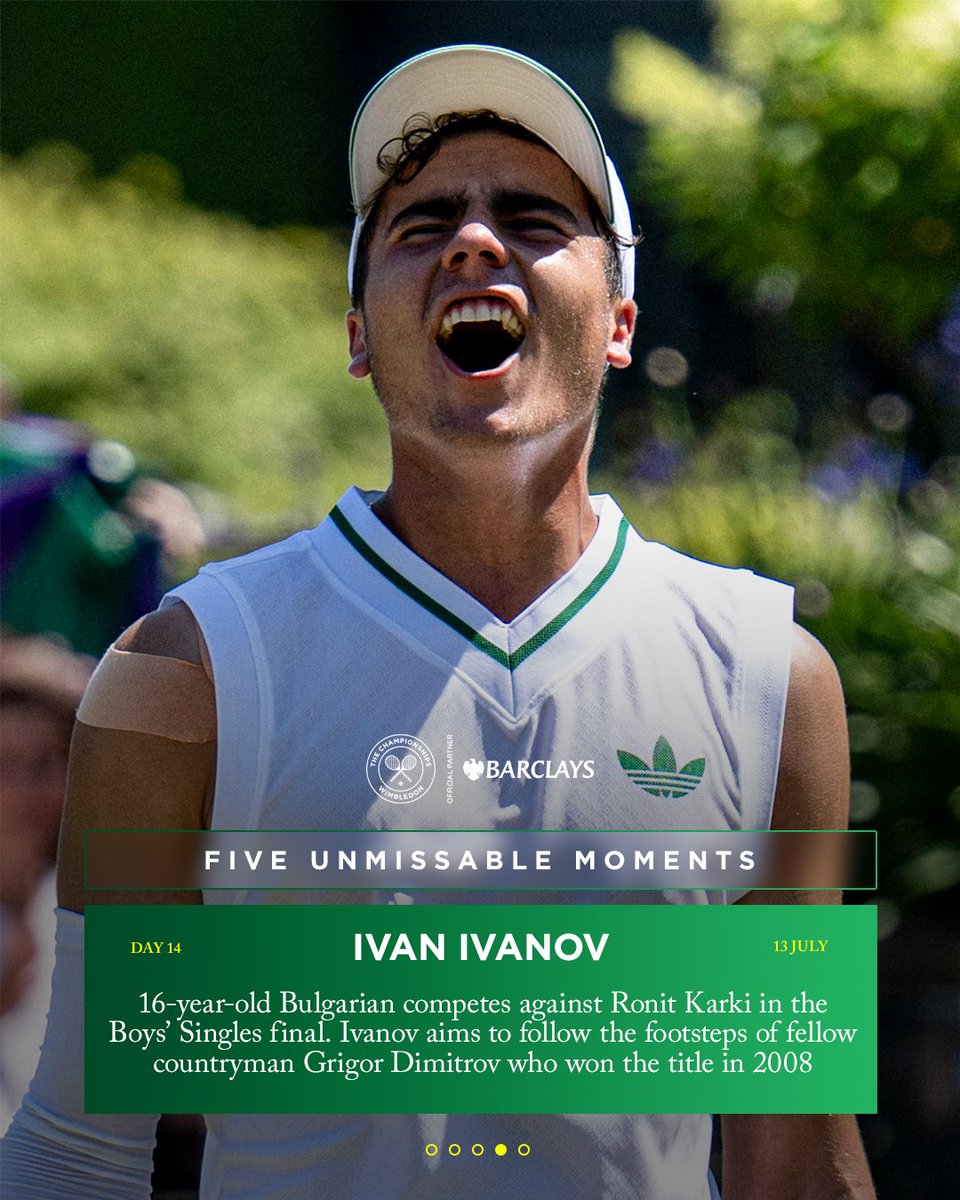
Can Ivan Ivanov follow in the footsteps of fellow Bulgarian Grigor Dimitrov following his triumph in 2008? 🤝
#FiveUnmissableMoments, presented by @BarclaysUK
За да влезеш с кола от Турция в България, плащаш 7 лв. Толкова струва задължителната дезинфекция. Но само 4 от тях са за Българската агенция за безопасност на храните, а останалите 3 лева са за обслужващата “Инвестбанк”? Тази такса нарушава закона, но носи милиони на банката.
Столичен автотранспорт отговориха: „Служителите ни не могат да работят на компютър и затова ще дадем 2.5 млн. лв. на посредник“. Това звучи нелепо, защото лицензът, който дружеството има, е изваден именно, за да се избегнат комисионните.
In 1922, a group of scientists went to the Toronto General Hospital where diabetic children were kept in wards, often 50 or more at a time. Most of them were comatose and dying from diabetic ketoacidosis. Others were being treated by being placed on an extremely strict diet, which inevitably led to starvation.
This is known as one of medicine's most incredible moments. Imagine a room full of parents sitting at the bedside waiting for the inevitable death of their child.
The scientists went from bed to bed and injected the children with a new purified extract: it was called insulin.
As they began to inject the last comatose child, the first child injected began to awaken. Then one by one, all the children awoke from their diabetic comas. A room of death and gloom became a place of joy and hope.
In the early 1920s Frederick Banting and Charles Best discovered insulin under the directorship of John Macleod at the University of Toronto. With the help of James Collip insulin was purified, making it available for the successful treatment of diabetes.
In the same year, Banting, Collip, and Best decided to sell the insulin patent to the University of Toronto for $1.
Banting and Macleod earned a Nobel Prize for their work in 1923.
Photo Credits: Library and Archives Canada
Ranking of the best music bands of all time:
1. The Beatles
2. The Rolling Stones
3. Led Zeppelin
4. Pink Floyd
5. Queen
6. The Beach Boys
7. U2
8. The Eagles
9. Nirvana
10. Fleetwood Mac
11. The Who
12. The Doors
13. The Clash
14. The Jimi Hendrix Experience
15. AC/DC
16. Metallica
17. The Police
18. Radiohead
19. Guns N' Roses
20. Aerosmith
21. Black Sabbath
22. The Ramones
23. Pearl Jam
24. The Smiths
25. Red Hot Chili Peppers
26. R.E.M.
27. Oasis
28. The Velvet Underground
29. The Cure
30. Coldplay
31. Bon Jovi
32. The Kinks
33. The Sex Pistols
34. Green Day
35. Genesis
36. Depeche Mode
37. Iron Maiden
38. The Strokes
39. Journey
40. The Smashing Pumpkins
41. Van Halen
42. Lynyrd Skynyrd
43. Def Leppard
44. Foo Fighters
45. Muse
46. KISS
47. Blur
48. The Byrds
49. The Allman Brothers Band
50. The Cranberries
Sources:
1. Rolling Stone Magazine - Known for its authoritative rankings of musical artists and bands.
2. Billboard - Provides rankings based on commercial success and influence.
3. NME (New Musical Express) - Offers insights into the cultural and critical impact of bands.
4. Pitchfork - Renowned for its focus on musical artistry and influence.
5. VH1 and MTV - Popular culture sources known for their music rankings and lists.
Across Austria's alpine villages, December 5 marks the arrival of Saint Nikolaus—a merry visitor who delivers gifts to well-behaved children.
https://t.co/DvWZ7wN9mi
Saint Nick doesn’t come to town alone. This is what happens on Krampusnacht, the evening before December 6 (St. Nicholas Day).
The dreaded Krampus is by his side. For centuries, groups of men across the region have dressed as Krampus during the Christmas season. The fearsome figure appears as a horned, half-goat, half-demon who punishes children who misbehave.
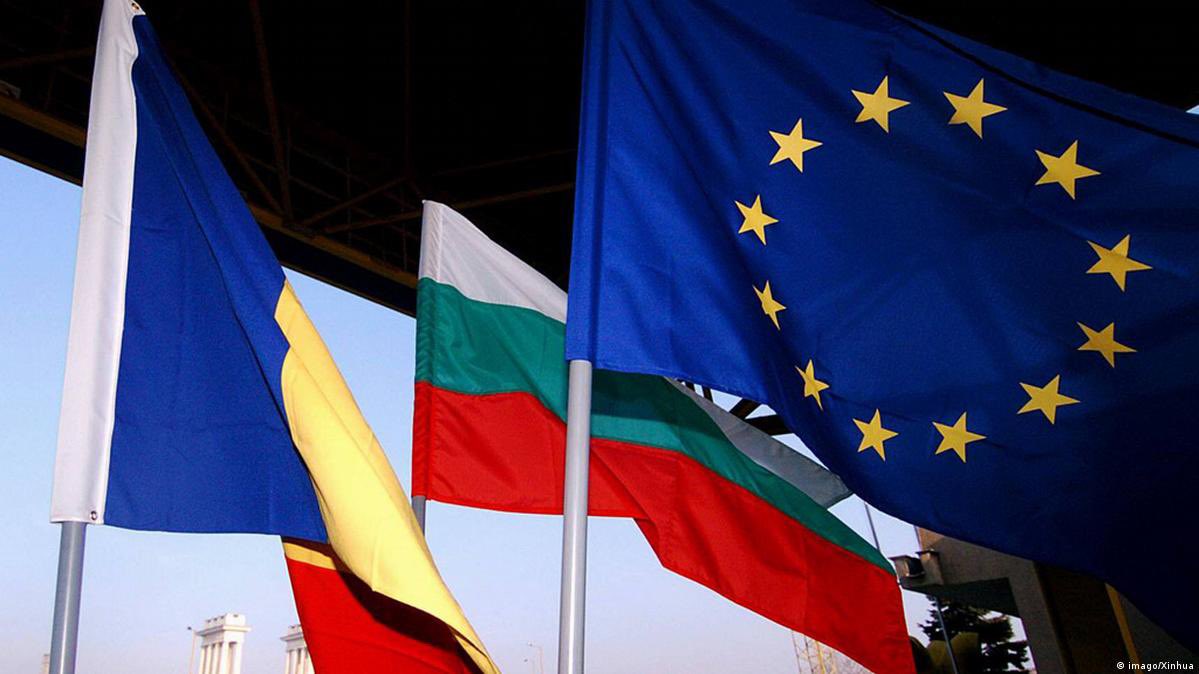
Bulgaria, Romania Agree ‘Partial’ Schengen Access Deal For Travellers Wearing Blue Sweaters Whose Names Begin With ‘C’ During Months That Begin On A Tuesday