IVERMECTIN: FULL DOSAGE SCHEDULE FOR CANCER & PREVENTION
1000s of people use Dr. William Makis MD’s IVERMECTIN dosing chart. Here’s a clear, categorized breakdown based on body weight (mg/kg per day).
LOW DOSE: ≤ 0.5 mg/kg/day
**Best for:**
- Cancers in remission
- Strong family history or genetic predisposition
- Prophylaxis (preventive)
**Side effects:** No long-term side effects reported.
**Example:** Dr. Tess Lawrie reported a Stage 3 ovarian cancer case treated with chemo + 12 mg ivermectin daily. Tumor marker CA125 dropped from 288 to 22 after 2 months and the tumor vanished.
MEDIUM DOSE: 1.0 mg/kg/day
**Best for:** Starting dose for **most cancers** (lung, pancreatic, renal cell, gastric, etc.).
**Side effects:** No long-term side effects reported.
**Example:** Dr. Shankara Chetty’s 70-year-old prostate cancer patient (PSA 89) took 45 mg/day (plus lactoferrin). After two months PSA fell to 10.9.
HIGH DOSE: 2.0 mg/kg/day
**Best for:** Very aggressive cancers (leukemia, pancreatic, brain cancers).
**Side effects:** No long-term side effects reported.
**Example:** Dr. Allan Landrito’s Stage 4 gallbladder cancer patient took 2 mg/kg daily for 14 months — cancer disappeared.
VERY HIGH DOSE: ≥ 2.5 mg/kg/day
**Best for:** Extensive metastatic disease, extremely poor prognosis, or certain brain cancers.
**Side effects:** Possible short-term & transient visual effects (usually resolve in a few days).
**Example:** Dr. Shankara Chetty treated a patient with 2.5 mg/kg/day — no side effects reported.
**Quick conversion example (for a 60 kg / 132 lb person):**
- Low: ≤30 mg/day
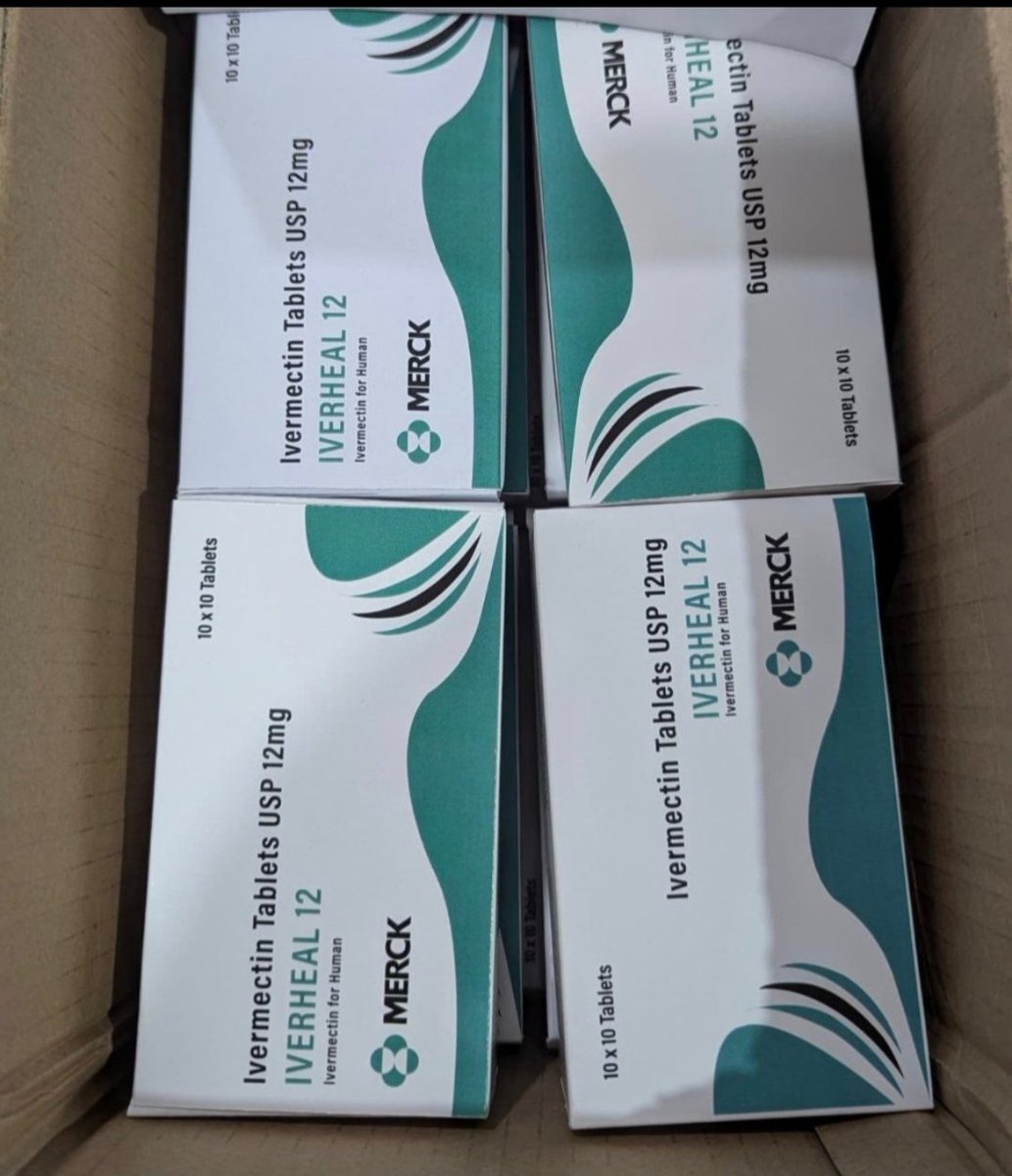
- Medium: 60 mg/day (≈5×12 mg tablets or 1 teaspoon liquid)
- High: 120 mg/day
- Very High: ≥150 mg/day
Many anecdotal reports exist of long-term daily use (months to over a year) with no serious toxicity, but individual responses vary.
Always work with a knowledgeable clinician, especially if you have pre-existing conditions (e.g., vision issues or glaucoma). This is for educational purposes only.
Share to spread awareness — information is power. 💊
The specific "Ava" story isn't from any verified case study or news I can find—likely anecdotal or illustrative.
Real research exists though: small clinical trials (e.g. 10 patients) show psilocybin + therapy can reduce anorexia symptoms. It works mainly by acting on serotonin 5-HT2A receptors, increasing brain plasticity and cognitive flexibility to break rigid food/body image patterns. Larger trials are ongoing.
Ivermectin has demonstrated potential anticancer activity in preclinical studies, primarily through in vitro experiments on cancer cell lines and limited in vivo animal models. These investigations suggest that the drug exerts multifaceted effects on cancer cells by interfering with several key cellular processes. The following provides a professional overview of the proposed mechanisms, drawn from available research:
1. Inhibition of Cell Proliferation.
Ivermectin appears to suppress tumor cell growth by disrupting critical signaling pathways that regulate cell division and survival, including the Akt/mTOR, WNT/β-catenin (or WNT-TCF), and Hippo pathways. It also downregulates markers associated with pluripotency and self-renewal (such as Nanog, Oct-4, and Sox-2) in cancer stem-like cells, which are implicated in tumor initiation, recurrence, and therapy resistance.
2. Induction of Apoptosis (Programmed Cell Death)
The compound promotes caspase-dependent apoptosis through the upregulation of pro-apoptotic proteins (e.g., Bax and cleaved PARP) and downregulation of anti-apoptotic proteins (e.g., Bcl-2). This effect has been observed across various cancer types, including colorectal, breast, and esophageal squamous cell carcinoma. Additionally, ivermectin can impair mitochondrial function—particularly by inhibiting mitochondrial complex I—resulting in reduced ATP production, elevated reactive oxygen species (ROS), oxidative stress, and subsequent DNA damage that further drives apoptotic pathways.
3. Generation of Reactive Oxygen Species (ROS)
By increasing mitochondrial and cellular ROS levels, ivermectin induces oxidative stress that damages essential cellular components such as DNA, proteins, and lipids. This ROS-mediated damage activates downstream apoptotic signals and can be mitigated by antioxidants like N-acetyl-L-cysteine, supporting the role of oxidative stress in its effects.
4. Induction of Immunogenic Cell Death (ICD)
Ivermectin has been shown to trigger ICD, a form of cell death that promotes antitumor immune responses. It facilitates the release of damage-associated molecular patterns, such as ATP and HMGB1, in the tumor microenvironment. This process enhances inflammation and T-cell infiltration, potentially converting immunologically “cold” tumors (with limited immune activity) into “hot” tumors (with robust immune engagement), which may improve the efficacy of immunotherapies like anti-PD-1 antibodies.
5. Reversal of Multidrug Resistance (MDR)
Ivermectin can sensitize resistant cancer cells to chemotherapy by inhibiting the expression of P-glycoprotein (P-gp), an efflux pump that expels chemotherapeutic agents from cells. This occurs indirectly through binding to the extracellular domain of the epidermal growth factor receptor (EGFR), which suppresses downstream signaling via the ERK/Akt/NF-κB pathway and reduces P-gp levels. As a result, cells become more susceptible to drugs such as vincristine.
6. Suppression of Angiogenesis and Metastasis.
The drug inhibits the formation of new blood vessels (angiogenesis) by targeting pathways such as PAK1 and MAPK, thereby limiting nutrient and oxygen supply to tumors. It also reduces cancer cell invasion and metastatic potential in preclinical models.
7. Modulation of Autophagy
Ivermectin induces autophagy, a cellular process involving the degradation of damaged components. In certain cancers (e.g., breast), this may contribute to antitumor effects, while in others (e.g., some lung or melanoma models), autophagy may play a protective role for cancer cells. The net outcome appears context-dependent and requires further clarification.
8. Induction of Cell Cycle Arrest
Ivermectin can arrest the cell cycle at various phases, such as S-phase in colorectal cancer cells or G0/G1 and sub-G1 phases in prostate, breast, and lung cancer cells. This halts proliferation and often sensitizes cells to apoptotic death.
Summary Overall,
Ivermectin appears to combat cancer cells through a combination of mechanisms, including inhibition of proliferation and stemness, induction of apoptosis and oxidative stress, promotion of immunogenic cell death, reversal of drug resistance, suppression of angiogenesis, and modulation of autophagy and cell cycle progression. These effects have been documented primarily in laboratory and animal studies across multiple cancer types.
This is a very important information that everyone needs to know about so I plead with you to share, quote, like this post if you come across it. Don't forget to follow me to get more educative posts.
🧬 TESTIMONIAL FOR ALTERNATIVE CANCER TREATMENT (IVERMECTIN, FENBENDAZOLE & RSO OIL PROTOCOL)
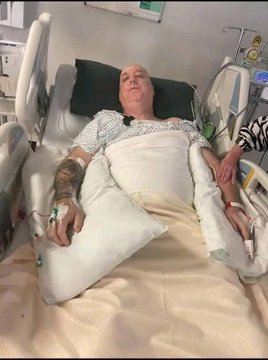
Mr. Howard’s story reflects a courageous and determined journey after being diagnosed with stage IV pancreatic cancer. Following his diagnosis in February of the previous year, he underwent extensive conventional treatment, including 16 cycles of chemotherapy and 10 sessions of radiotherapy. Unfortunately, these treatments did not produce the desired results. Instead, they left him physically weakened, with severe swelling and a noticeable decline in his overall health.
In April, while searching for other options, Mr. Howard’s wife explored alternative approaches and came across RSO (Rick Simpson Oil). At first, Mr. Howard was hesitant due to his limited understanding of this treatment. However, he was later introduced to Dr. Brandi Nate, who provided a structured protocol along with detailed guidance and education. With greater clarity and confidence, Mr. Howard chose to move forward with this approach.
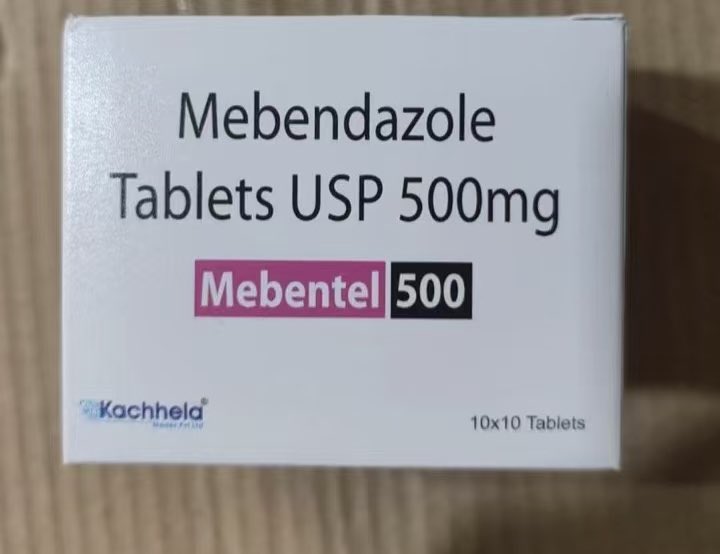
He began a 90-day regimen that included Fenbendazole and Ivermectin, along with RSO, following a specific 4:1 cannabinoid ratio. Fully committed to the process, he adhered strictly to the protocol, viewing it as a vital opportunity to reclaim his health.
In April 2024, a CT scan reportedly revealed significant improvement, showing that he was over 90% clear, with almost no evidence of disease. This result surprised his oncologist, who was unaware that Mr. Howard had stopped chemotherapy. For Mr. Howard, however, the outcome reflected the improvements and renewed strength he had already been experiencing.
A follow-up CT scan on June 1st reportedly confirmed full NED (No Evidence of Disease). Encouraged by these results, Mr. Howard decided to share his experience in the hope of inspiring others facing similar challenges.
I hope this story brings you hope, strength, and encouragement to keep fighting and never give up.
~ Natalie
Visit: 👉 https://t.co/REwGZCdhg9
#CancerSurvivor #Ivermectin #Fenbendazole