Research Assistant at UNSW studying Artificial Light at Night 💡, kelps 🌱 and sea urchins ✹ with @SEACSlab, living and working on unceded Gadigal lands.
Valuing Darkness Conference on light pollution will take place March 19th-21st in Naarm (Melbourne). Mariana will be sharing research on the effects of light pollution in marine systems, but lots of other interesting talks as well! https://t.co/NGVI2pFXI6
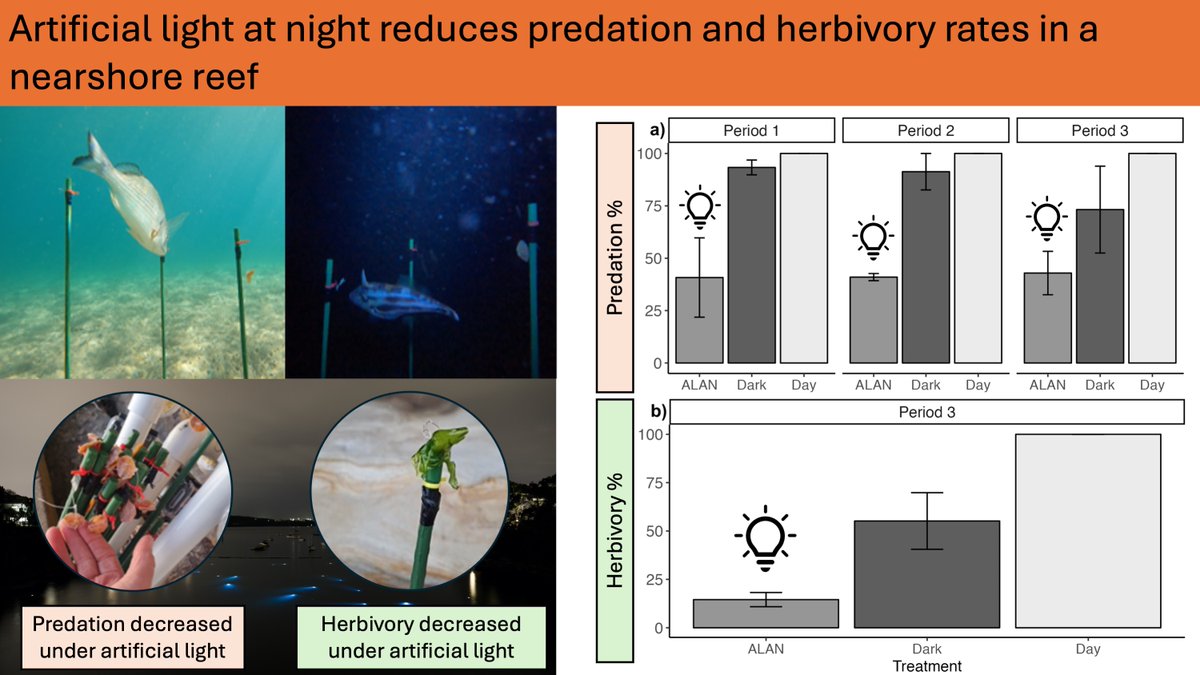
New paper out this week on the effects of artificial light at night on in-situ fish predation and herbivory intensity on rocky reefs! Led by Honours student @gyeungMarine with @cariocamayer and @millycaley
https://t.co/GpUuVZCepp
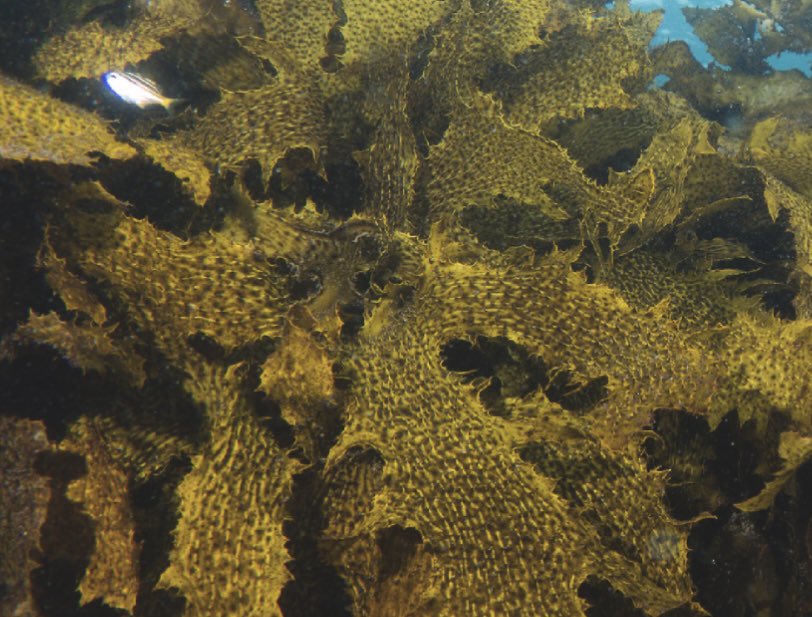
New paper! Antagonistic Effects of Light Pollution and Warming on Habitat‐Forming Seaweeds - with @CariocaMayer @ProfMariaByrne @ZiggyMarzinelli https://t.co/VEFNYcrapC
Yesterday we deployed a new experiment for PhD student Lena Holtmanns, looking at the interactive effects of Artificial Light at Night and habitat complexity. Modules have two complexity levels, and half are lit with these floating underwater lights. Super exciting!
🌊 It’s out there! Curious about Sydney’s underwater gardens? Take a look at some of the striking effects the urban estuarine environment can have on its kelp forests ! 🏙️🌱
https://t.co/MbrTjAcFri
@DrKDafforn@MelanieJBishop @CariocaMayer @mqnatsci@unswbees@unswcmsi@SEACSlab
Congratulations to our lab member Thayanne Lima Barros who submitted her PhD last month on the impacts of bushfires in estuaries! Thay was supervised by Mariana Mayer Pinto, Katie Dafforn, Emma Johnston and Stuart Simpson. Awesome work!
This month, we hosted our first ever lab writing retreat in the beautiful Avoca beach! It was a great chance to connect lab members based at different institutions, and to facililate discussions, run peer review sessions, and of course lots of writing and team-building 😊
The third paper of my PhD is now published in @Oikos_Journal w/ @ljfalkenberg !📢 We explored how seasonality and interactions with epiphytic algae and grazers can affect the responses of seagrass to marine heatwaves.🦠🐌🌱🌊 Check it out here: https://t.co/QcU7OSJmHU
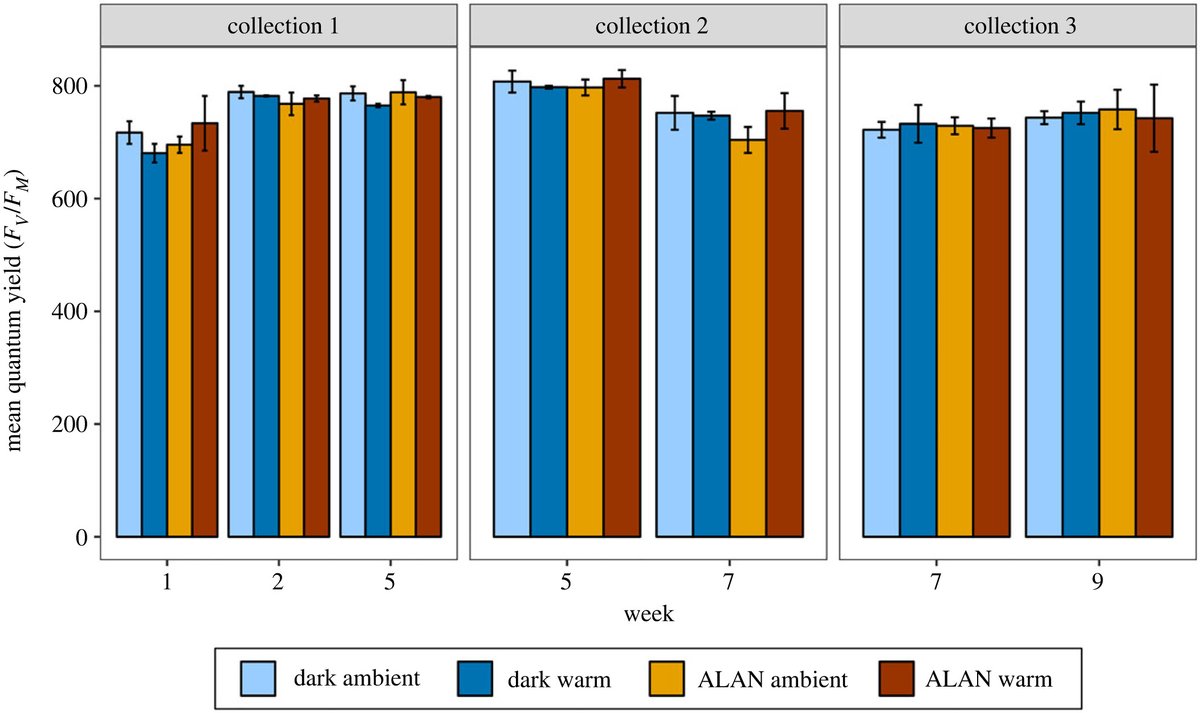
Artificial light at night and warming impact grazing rates and gonad index of the sea #urchin Centrostephanus rodgersii #ProcB https://t.co/RtOQVvMQnv #Ecology @CariocaMayer @ProfMariaByrne @ZiggyMarzinelli @millycaley
This is my first first-author publication, and one I am super excited to share! Here, we manipulated artificial light and temperature to investigate impacts on sea urchin grazing and growth rates, with @CariocaMayer @ProfMariaByrne @ZiggyMarzinelli https://t.co/hK8YxhaT6r
Trial habitat module deployments this week in Sydney Harbour, for an experiment looking at the interactive effects of artificial light pollution and habitat complexity on biodiversity, led by PhD student Lena Holtmanns, supervised by @CariocaMayer and @AlistairPoore 😊💡🐚
Absolutely delighted to see this out!!! Here we advocate for an experimental approach to test direct vs indirect effects of microbiome manipulations - a short thread 1/n #holobiont#Kelp#Ecology https://t.co/OGRO8ctcQ9
Happy #InternationalWomensDay2024!
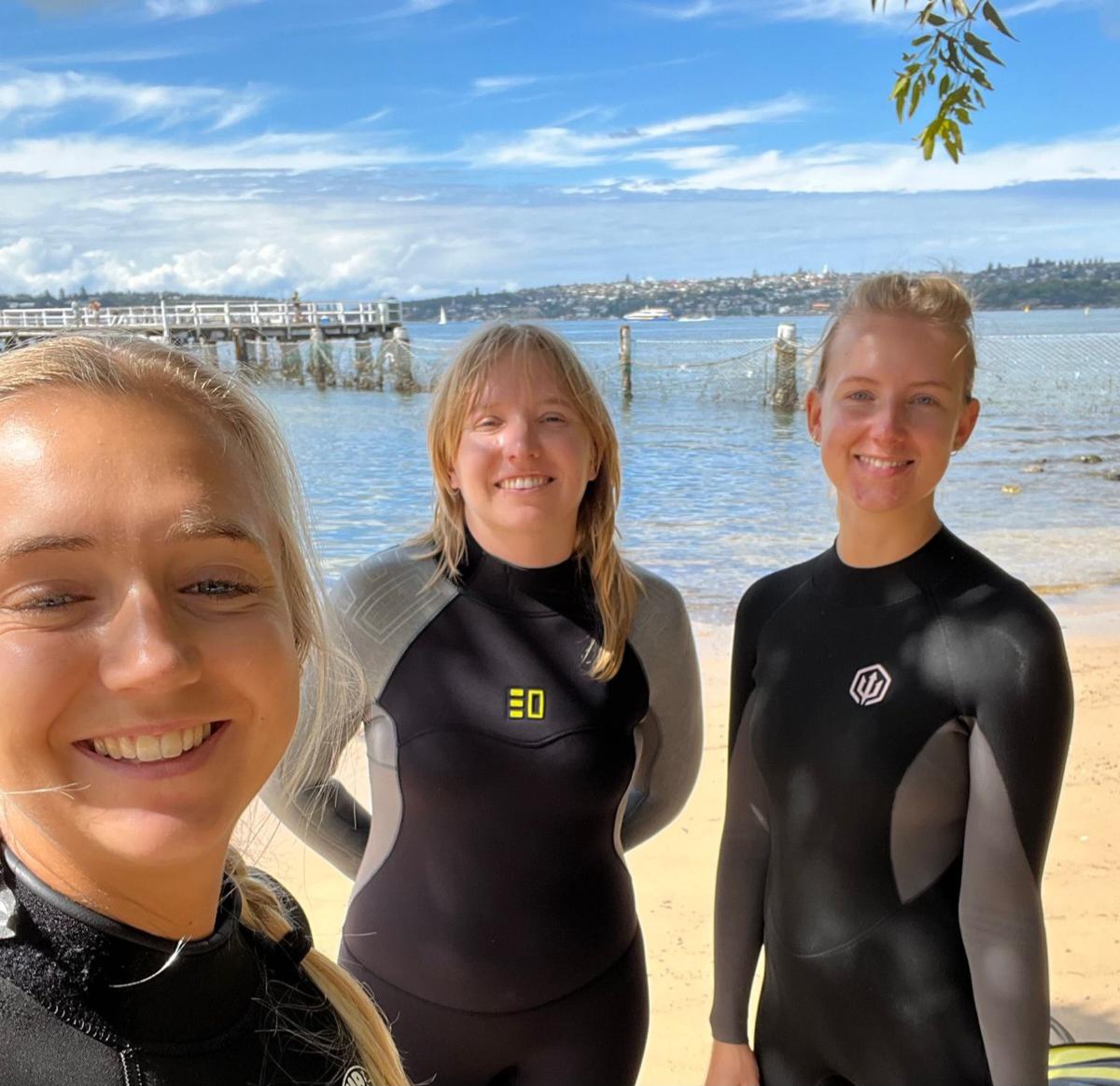
Our Superstars of STEMM were making waves at the Australian National Maritime Museum Women In STEM careers expo!
We had a great time speaking to the next generation of scientists!
Thank you @seamuseum_ & #internationalwomensday!
New paper alert! Complexity-functioning relationships differ across different environmental conditions. Open access link here 🌊🐚https://t.co/Ff0D00WdFM
Another output from the #green#Engineering working group of @WorldHarbours. For the first time considers spatial variation in the functional outcomes of common #ecoengineering interventions