Hi everyone! We are the SEACS lab at UNSW, investigating Solutions for Estuarine And Coastal Stressors. Headed by Dr. Mariana Mayer Pinto, we study a diverse range of human impacts, including artificial structures, light pollution and climate change in coastal ecosystems😊
Our video we made with @UNSWScience shared on the #OceanDecade page! Learn more about our research on the effects of light pollution and ocean warming on marine ecosystems, and why we should care 🌊💚
How does light pollution impact marine life amid climate change?
A @UNSW project recently endorsed by the #OceanDecade explores how light pollution interacts with ocean warming — and the consequences it has on marine ecosystems: https://t.co/5XteA9CWQJ
We are pleased to announce our project, “ALAN and Warming Impacts on Marine Interactions” is a newly endorsed project of the UN Decade of Ocean Science for Sustainable Development! 🌊 @GOALANN#OceanDecade#ArtificialLightAtNight
This work follows on from Annemie Rose's Masters project, where she found inner harbour kelp had higher lead and lower nitrogen concentrations, while outer harbour kelp had thicker stipes and longer and narrower laminae with spines. Read here: https://t.co/fZo9M8uqjr
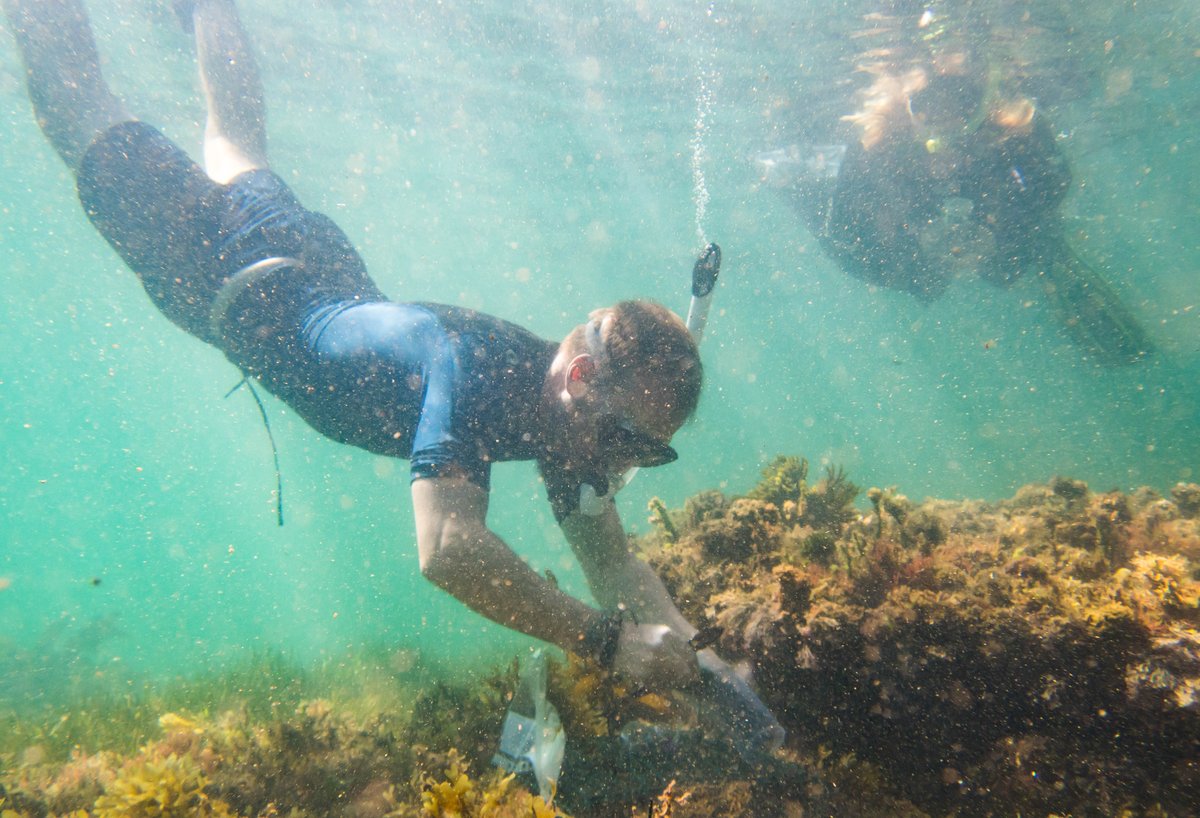
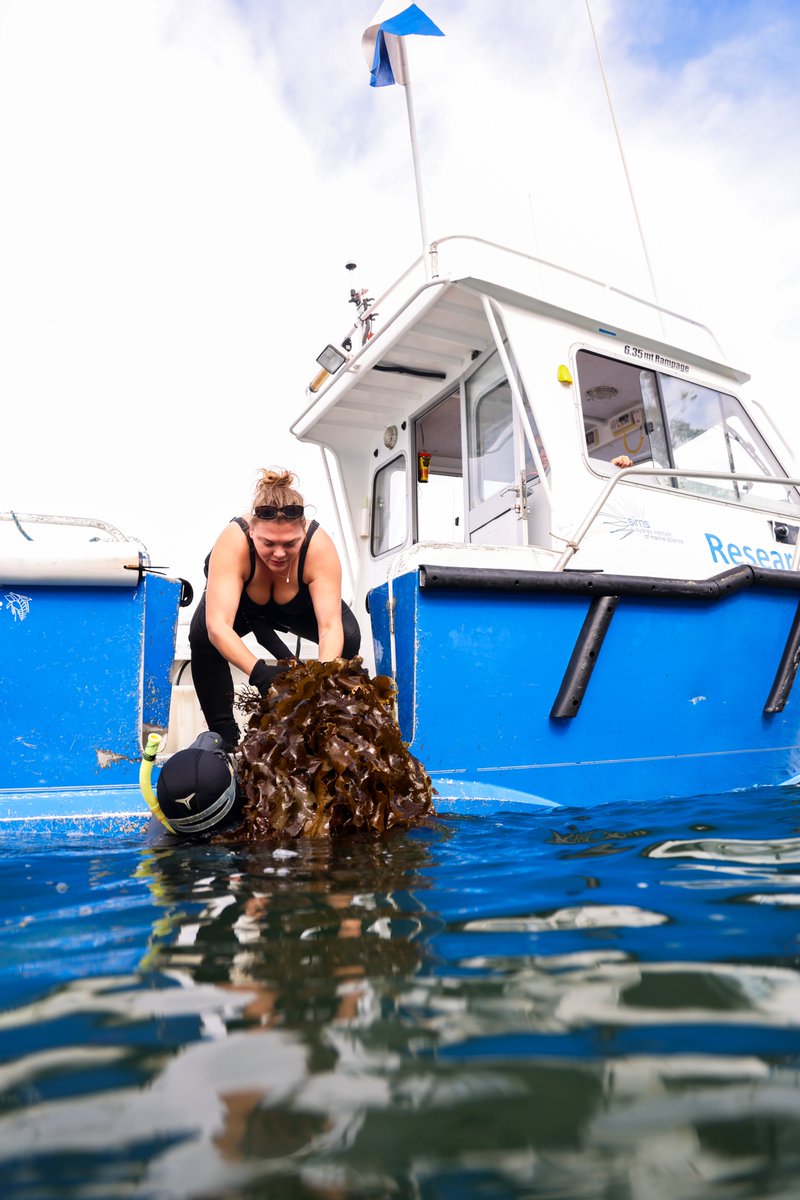
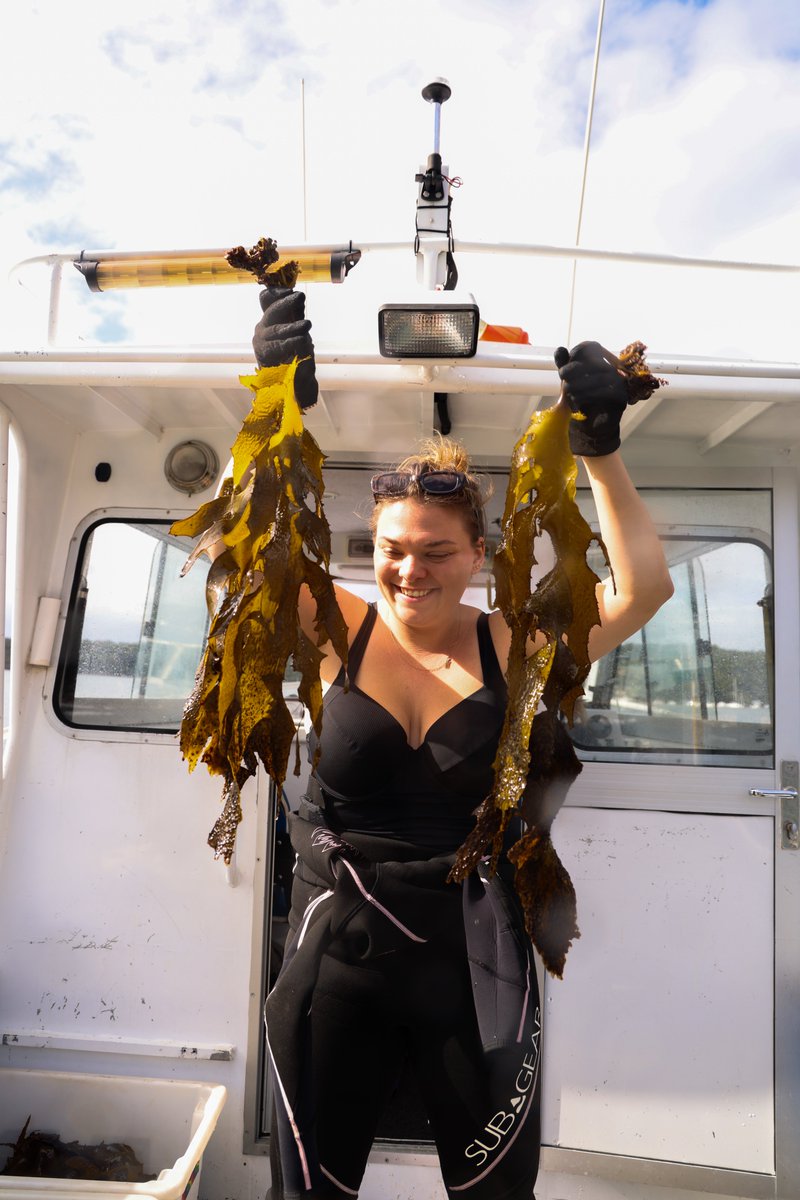
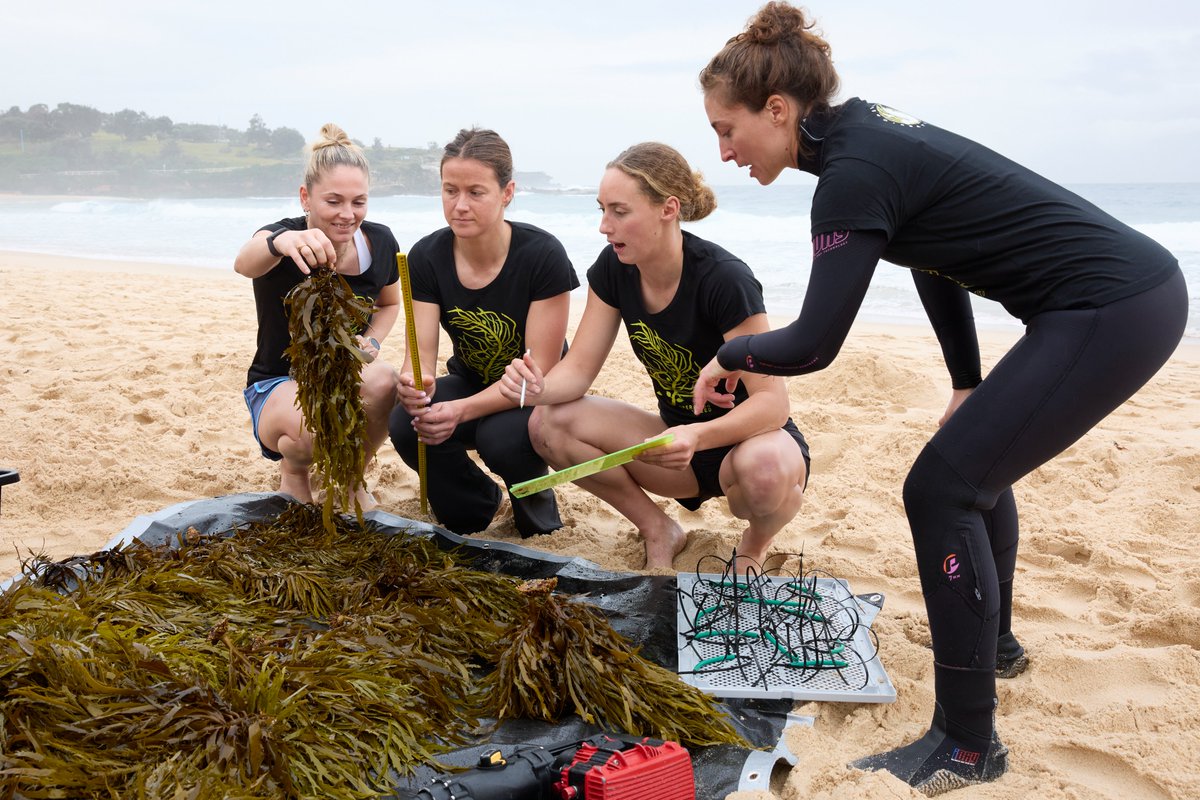
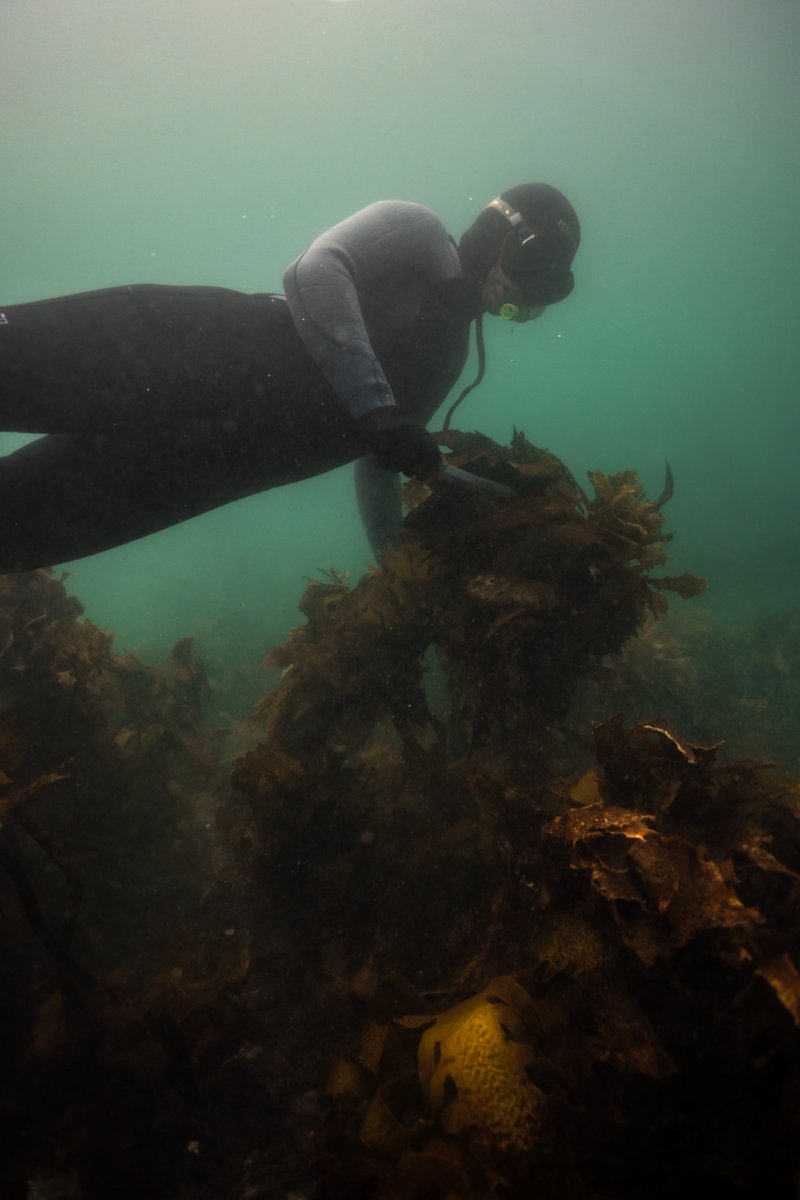
Fieldwork highlight! PhD student Annemie Rose is investigating whether kelps in the inner harbour are more adapted to urbanisation 🌱🌆 Annemie will test responses of kelp collected from inner and outer Sydney Harbour to copper and nutrients! 📸 by Aliah Banchik
New paper out from PhD student Dana Lanceman on how to characterise pathways of ecosystem service recovery following restoration. Congratulations Dana!
Dana is supervised by Mariana Mayer Pinto and Will Glamore at UNSW.
Valuing Darkness Conference on light pollution will take place March 19th-21st in Naarm (Melbourne). Mariana will be sharing research on the effects of light pollution in marine systems, but lots of other interesting talks as well! https://t.co/NGVI2pFXI6
🔔News🔔
The first interactive map of European marine & freshwater habitats affected by both #LightPollution & #NoisePollution🌊💡🔊
Led by @PlymouthMarine, the AquaPLAN Visualisation Portal will to help manage the combined impacts on aquatic biodiversity https://t.co/dhglmQ79hK
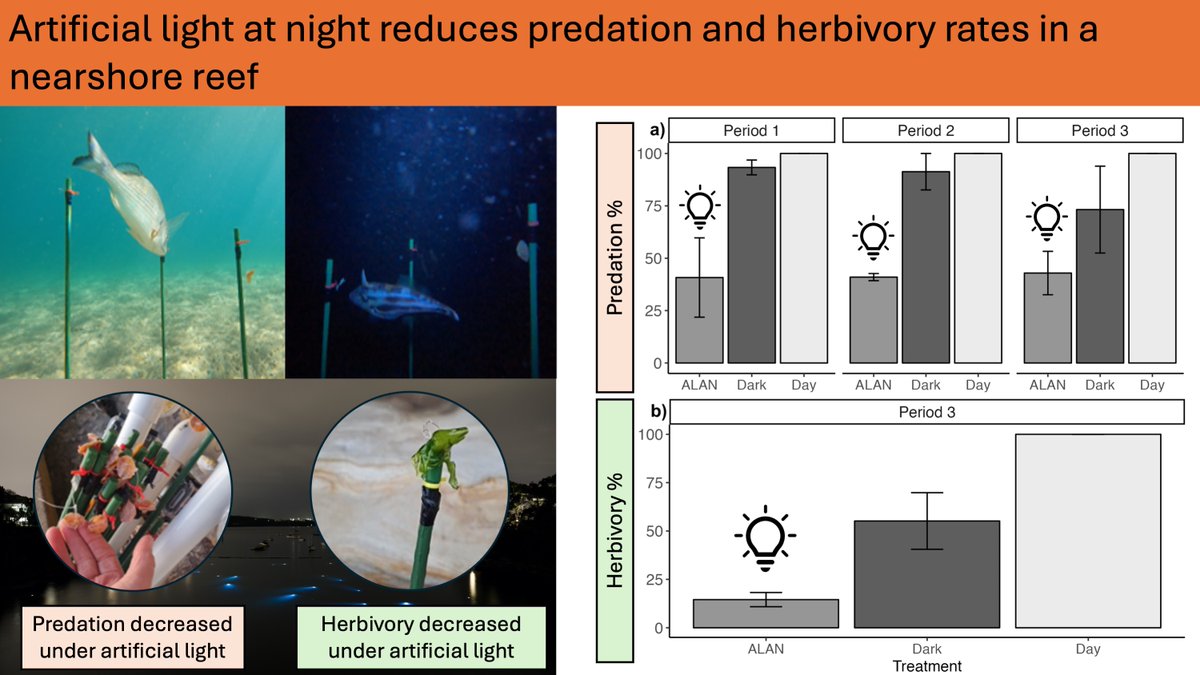
New paper out this week on the effects of artificial light at night on in-situ fish predation and herbivory intensity on rocky reefs! Led by Honours student @gyeungMarine with @cariocamayer and @millycaley
https://t.co/GpUuVZCepp
Some good news - here at the @StoneLivingLab and @UMassBoston we've been collaborating with the @LivingSeawalls to install LSWs in Boston. And they're IN! Check out this great report about them (and listen to me nerd out) from @MoranWriter at @WBUR https://t.co/Rakg7o6VNk
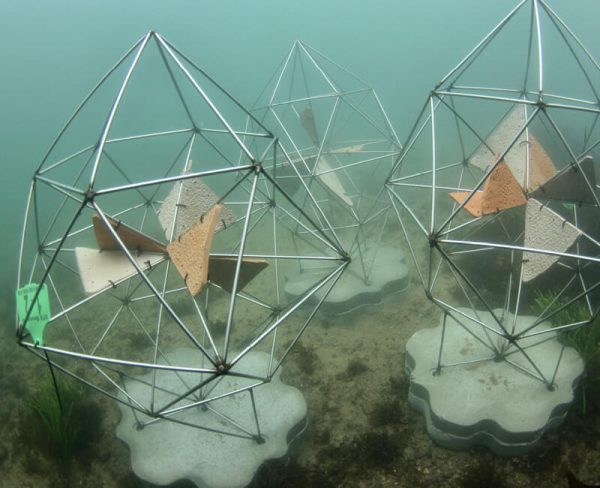
This week's spotlight: Sydney-based marine conservation initiative, #ProjectRestore. The campaign is dedicated to restoring & enhancing degraded seascapes within #Sydney Harbour - integrating flagship projects Operation Posidonia, @crayweedcrew@LivingSeawalls and Fish Pods.
Project Restore is advancing Sydney Harbour’s seascape restoration. Plans include @LivingSeawalls to boost marine biodiversity and provide coastal protection. Plus, #fishpods introduced as artificial reefs, offering shelter for local fish and revitalising underwater ecosystems
New open access paper from our lab out today on the effects of artificial light at night and warming on Ecklonia and Sargassum growth, survival and productivity!
New paper! Antagonistic Effects of Light Pollution and Warming on Habitat‐Forming Seaweeds - with @CariocaMayer @ProfMariaByrne @ZiggyMarzinelli https://t.co/VEFNYcrapC
Marine infrastructure support fewer producers and more filter feeders than natural habitats: a review and meta-analysis https://t.co/OQJAXdVN6j via @IOPenvironment - first PhD paper from @orlamckibbin with @CariocaMayer, @adriatix and @PatriceEcoEvo. Congratulations Orla! 🎉🎉
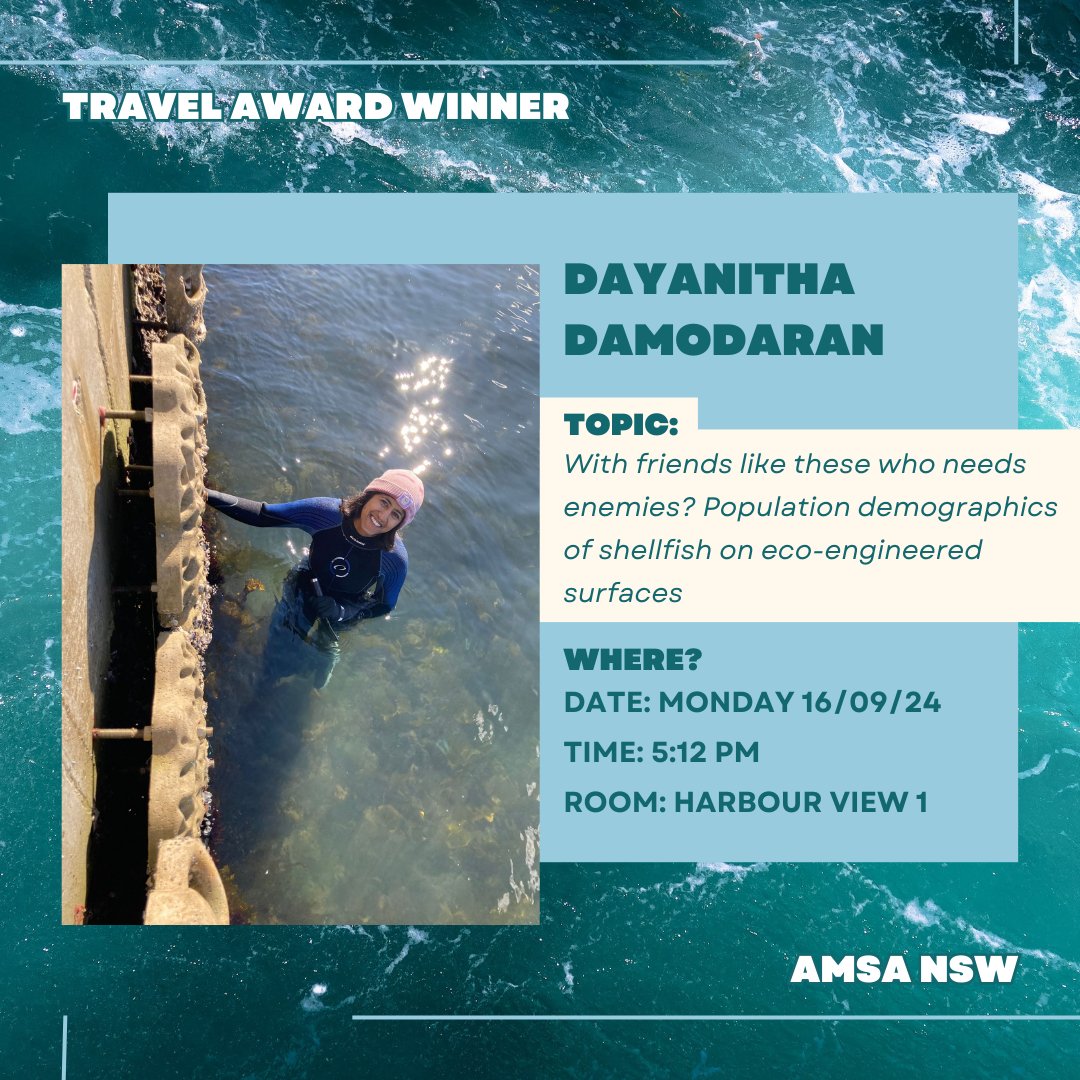
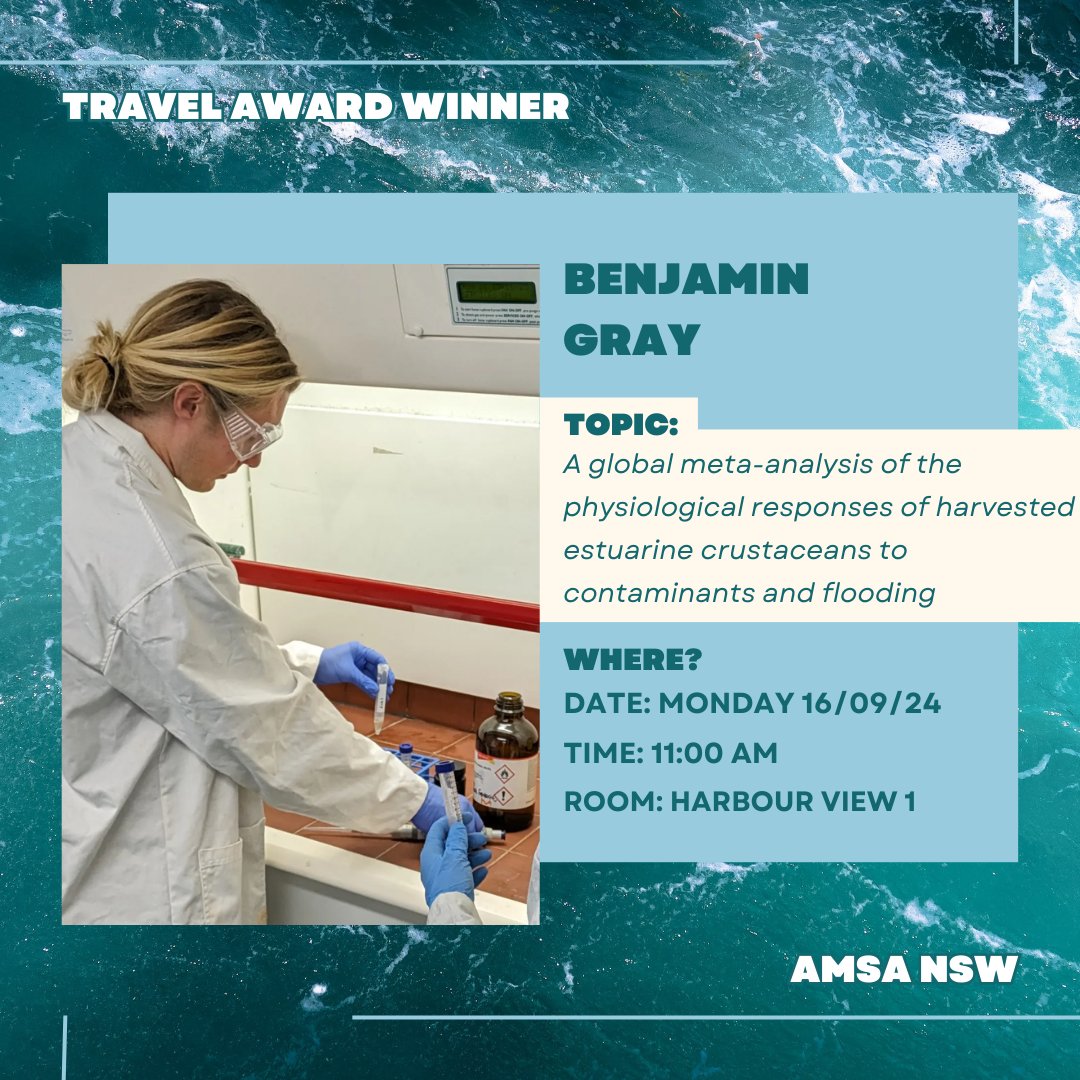
Congratulations to the winners of the AMSA NSW travel awards! If you're at #ansanzmss2024 this week, be sure to check out the work of these incredible scientists. Details in the images bellow!
Excited to highlight the research of Annemie Rose Janssen, a PhD candidate at Macquarie Uni, studying golden kelp's resilience to climate change & urbanisation. 🌿 Her research will uncover kelp’s potential as a nature-based solution to create resilient underwater gardens. 🌍💧
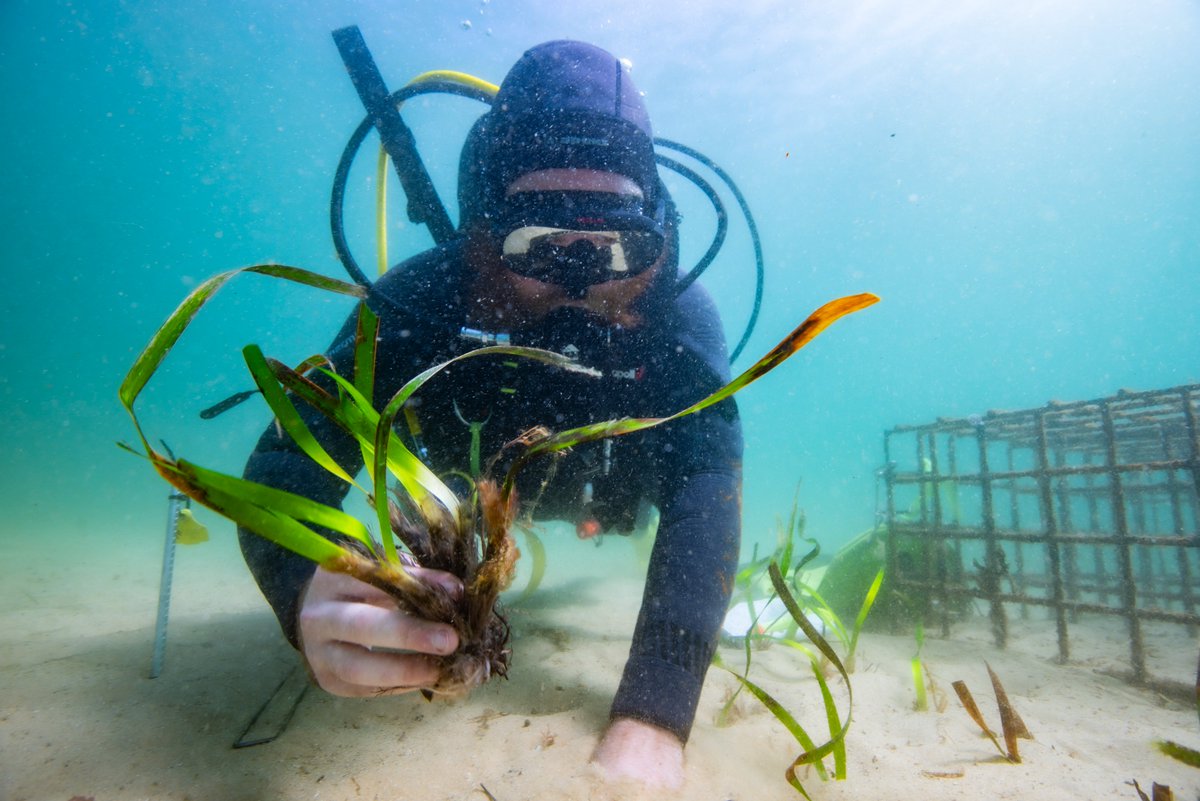
Congratulations to Ann Flemming Nielsen, who was awarded the Wildlife Ecology Research Scholarship by @AustralianWild2 for her project: ‘Restoring Seagrass Scars by Combining Shoot Transplanting with Mimicry of Facilitation Processes’, supervised by @CariocaMayer and @adriatix 😊