Image of a Pakistani made FAAZ A2A missile. Either pylon integration tests or missile separation tests. It's unknown when and where this test took place. Since the announcement from GIDS in 2023, Faaz programme has been a very publicly silent project.
@RishabhSin21173 Considering the US has pledged support for Pakistan's F-16 fleet till 2040 there is reasonable guestimate that PAF would wanna keep and maintain its F-16 fleet until a viable replacement in numbers is available for the platform https://t.co/sdEfV4Wl8p
Still has the highest availability rate within PAF. Can do basically any mission profile, CAS, SEAD, DEAD, Strike, Air Superiority, Air Defence you name it. One other benefit here would be commonality in platforms with allies that use western fighters. Access to western exercises
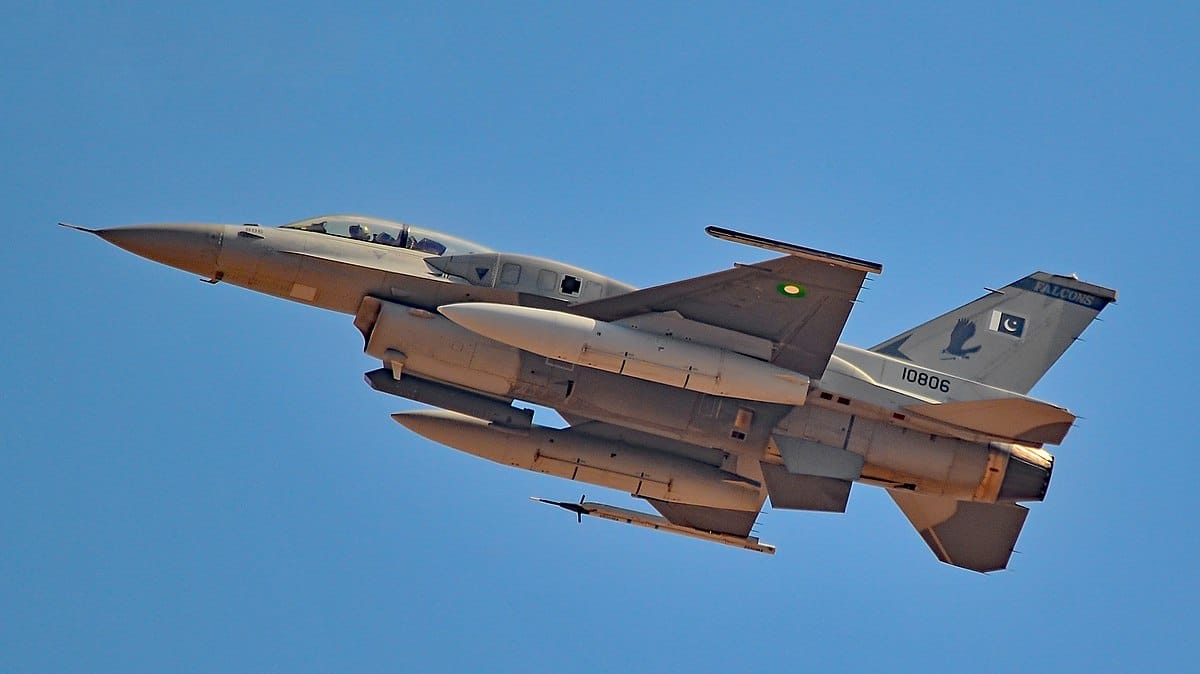
🇨🇳F-16 A/B/C/D (Upgraded)
PAF has around 62 Upgraded F-16 Varients.
Do you think it will make sense to Upgrade these further with V kits?
Personally i think getting any major upgrade if from PAF own Pocket doesn't make any sense.
Might as well get more J-10C or B-3??
@RishabhSin21173 Currently they can do strike, Air Defence and Air Superiority roles quite well. It all depends on what weapons package does PAF get with Block V. AMRAAM aside I do suspect PAF looking at more A2G munitions
Sudanese Akinci shooting down RSF CH-95. Missile used was a Rocketsan EREN. You know
Of all the places in the world I never expected Africa to be the first in A2A drone warfare. And yet here we are
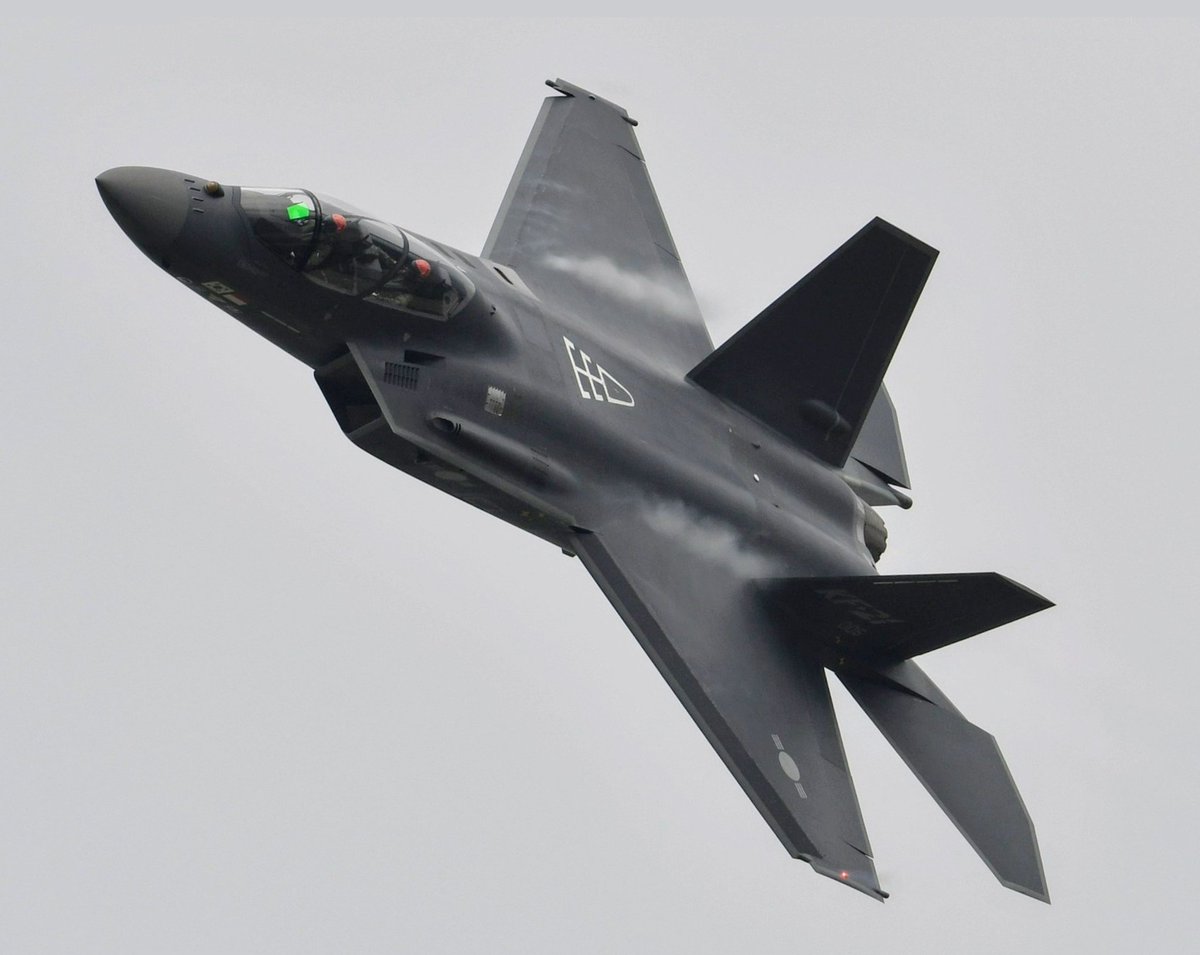
South Korea could've chosen a different partner entirely. Indonesians were never really serious about this programme. Indonesia would go around the world and buy different platforms rather invest in its homegrown solution whilst advancing it's aerospace sector
Eight years. Eight long years...
It is not surprising. I predicted and warned about this a very long time ago. Even if it was merely a pretext, if Indonesia had at least held the status of a co-developer for the KFX, it would have been beneficial for both sides simply by quietly contributing.
Such a large-scale, packaged combat platform, technology development, and production program requires strict schedules, division of roles, budgeting, and investment.
However, for a long time, the Indonesian government and politicians have shown a focus on political infighting and elections rather than the development of their domestic industry and air force.
Ultimately, due to a voluntary decision, the benefits and industrial advantages that the Indonesian military rightfully deserved have been significantly reduced.
While it is close to returning to the position of a mere purchasing nation, it represents a significant loss when calculating the time lost and the associated opportunity costs.
Furthermore, although KAI and ADD do not actively promote it, they are currently simultaneously developing and investing in 5.5th and 6th generation fighter jets; it remains to be seen whether Indonesia will collaborate again.
Will they perhaps participate in other programs instead?
If that happens, how will they overcome the previous failures in risk management and division of roles with the other party, and what serious plan for division of roles will you present?
In any case, those are not the important issues; the key right now is the number of platforms, configuration, and armament desired by the Indonesian Air Force.
This, too, appears to still not be planned in detail.
An AWACS was spotted at Rafiqui, unlike the PAF's linear Saab Erieye.
It's either a new Chinese KJ-500 or an upgraded ZDK-03 returned from modernization.
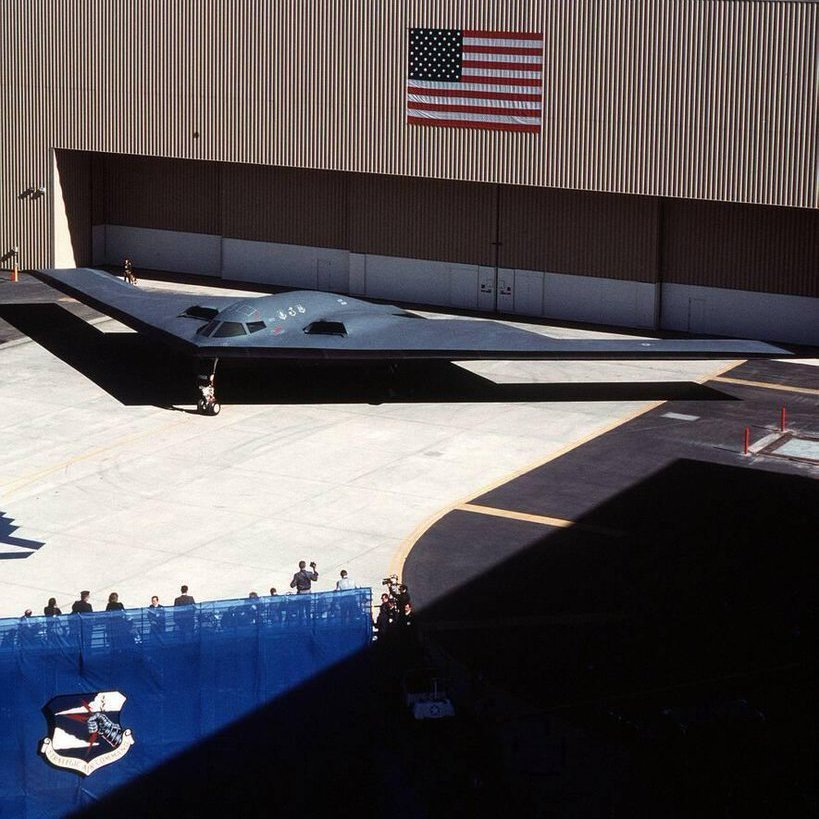
Either way, the 360° radar boost provides a massive network-centric upgrade to support incoming J-35 stealth jets.
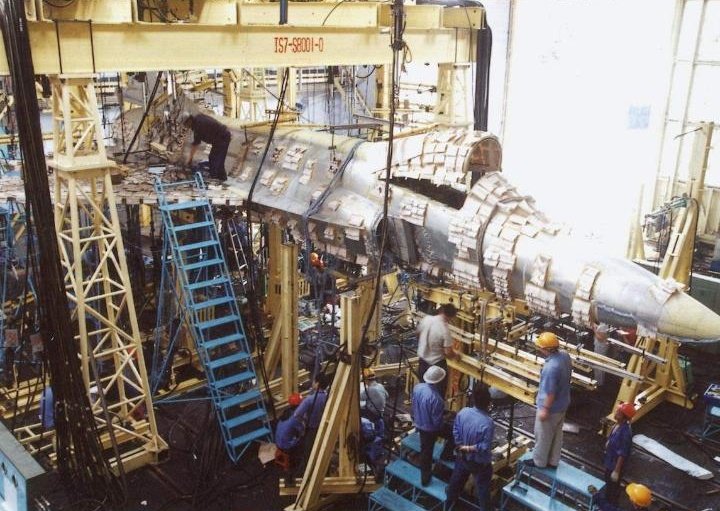
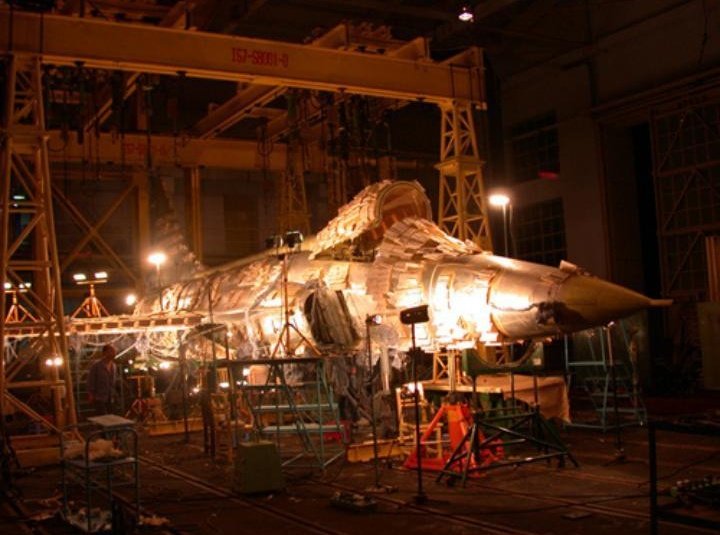
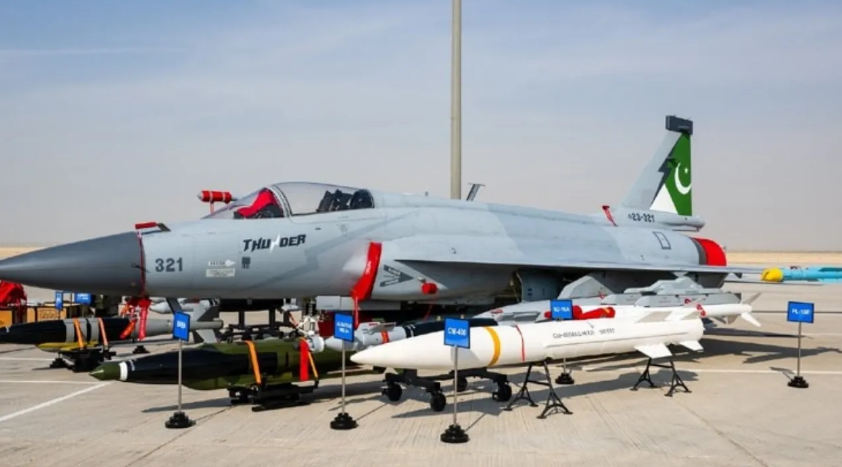
Joint Fighter programme (FC-1/JF-17) undergoing static structural tests at AVIC. The hundreds of small rectangular pads covering the fuselage, wings, and tail are tension patches (load pads).
These wires connect to heavy-duty hydraulic actuators mounted on the massive yellow gantry rigs. By precisely pulling on these patches, the hydraulic system distributes localized physical forces across the airframe to perfectly simulate the extreme aerodynamic pressures-
@ahmed149234@DanielZahoor They're both based on the same basic platform. Shaanxi Y series turboprop. ZDK-03 was based on the Y-8F and KJ-500 on the much upgraded Y-9.
Fun Fact:
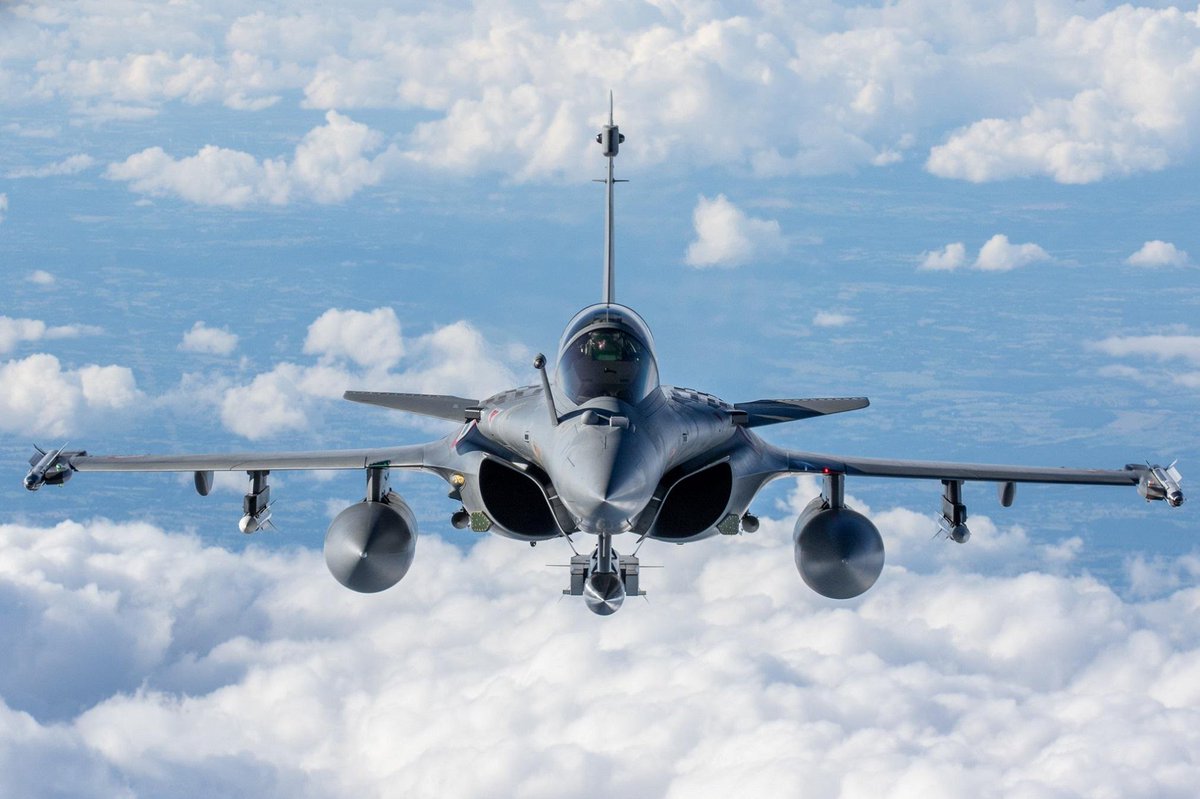
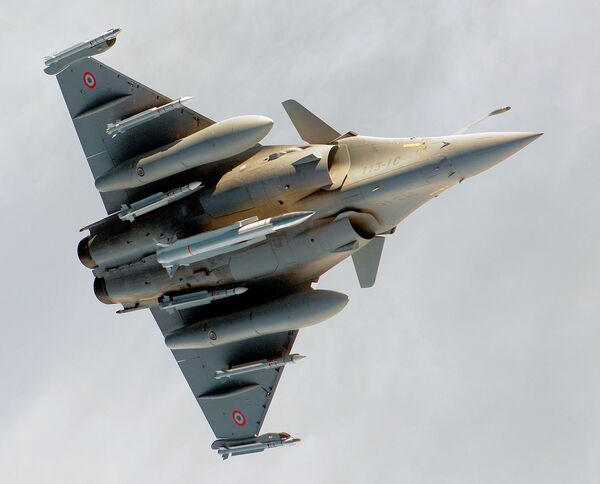
Dassault Aviation calls the Rafale the world's only Omni-role fighter, as it can perform multiple mission types, including nuclear deterrence.
By that logic, shouldn't the JF-17 Thunder also qualify as an omni-role fighter, since it can perform same missions.
I understand that you want to be unbiased but at this point you're overcompensating. JF-17 is NOTHING like the SU-30MKI.
The SU-30MKI came from an already existing russian design (SU-30), and ToT. India simply got the blue print and made a good portion of the components (+ assembly) of the jet at HAL.
JF-17 (as LITERALLY) the name suggests, is a "Joint fighter" or Joint venture. ToT ≠ Joint venture. For the JF-17, Pakistan and China sat down toghter and split up R&D costs and came up with the design etc. Sure China may have had a greater input, but the project itself was a Joint venture.
As per the qoute you mentioned "Our brainware, their hardware", it shows there was input from both sides. If India had not embarked on the Su-30MKI project, the Su-30 would still exist. However, if Pakistan had not approached China and embarked on the JF-17 project, and if China had not agreed to collaborate with Pakistan on it, the JF-17 would not exist. That is precisely why it is considered a joint venture.
Also, when Russia sells the Su-30 to another country, does India get any share of the profits? No. But when China, in the case of Myanmar, and Pakistan, in the case of Azerbaijan, Nigeria, and Inshallah future orders, sell the JF-17 to another country, the other party gets a share of the profits.
Comparing it to the Su-30MKI is either intellectual dishonesty, a deliberate distortion of facts, or an attempt to pander to a specific audience - and I'm not going to comment further on that.