I've been limiting my time on Twitter -- for folks who want to stay connected in the water space, I will be using my LinkedIn for updates and posts, etc. I'm happy to connect with you! https://t.co/sib5ieks9D
I'll be honest -- Twitter has been an experiment for me as a potential way to connect with folks in water, hear what's going on and to communicate out. And to some degree it works amazing for that purpose... and it also can be a lot.
@danielle_zoe USPHS is a non-military uniformed response to disasters, mostly domestic. They have the full service as well as reserve. Occupations are typically from a medical background but they’re also open to others for roles like engineering, etc.
Me: "I wonder if I am going to find good articles on ethnographies of coffee shops to assign in my Advanced Ethnography short course. "
Google Scholar: hold my citation.
https://t.co/sBgrkNXRy7
Don’t get me wrong, it helps to understand what themes are cross-cutting by tracking relative frequency, but be careful if your qualitative data is trying too hard to be quantitative.
In an effort to cater to the data scientists, you might miss the underlying narratives and stories and themes that aren’t going to be prominent in your frequency tables. It’s finding the balance of justifying emergent themes but also making space for quieter narratives.
Every time there’s a concern about water quality, someone gets on TV and drinks a glass for the cameras …. Is there any work that shows if this is actually helpful for perceptions and acceptance?
It’s out! “Actor Roles and Networks in Implementing Urban Water Innovation: A Study of Onsite Water Reuse in the San Francisco Bay Area” - a social network analysis at the city and project level.
https://t.co/YUqHaOo5wL
@Cirus_Eawag@ReNUWIt@BerkeleyWater
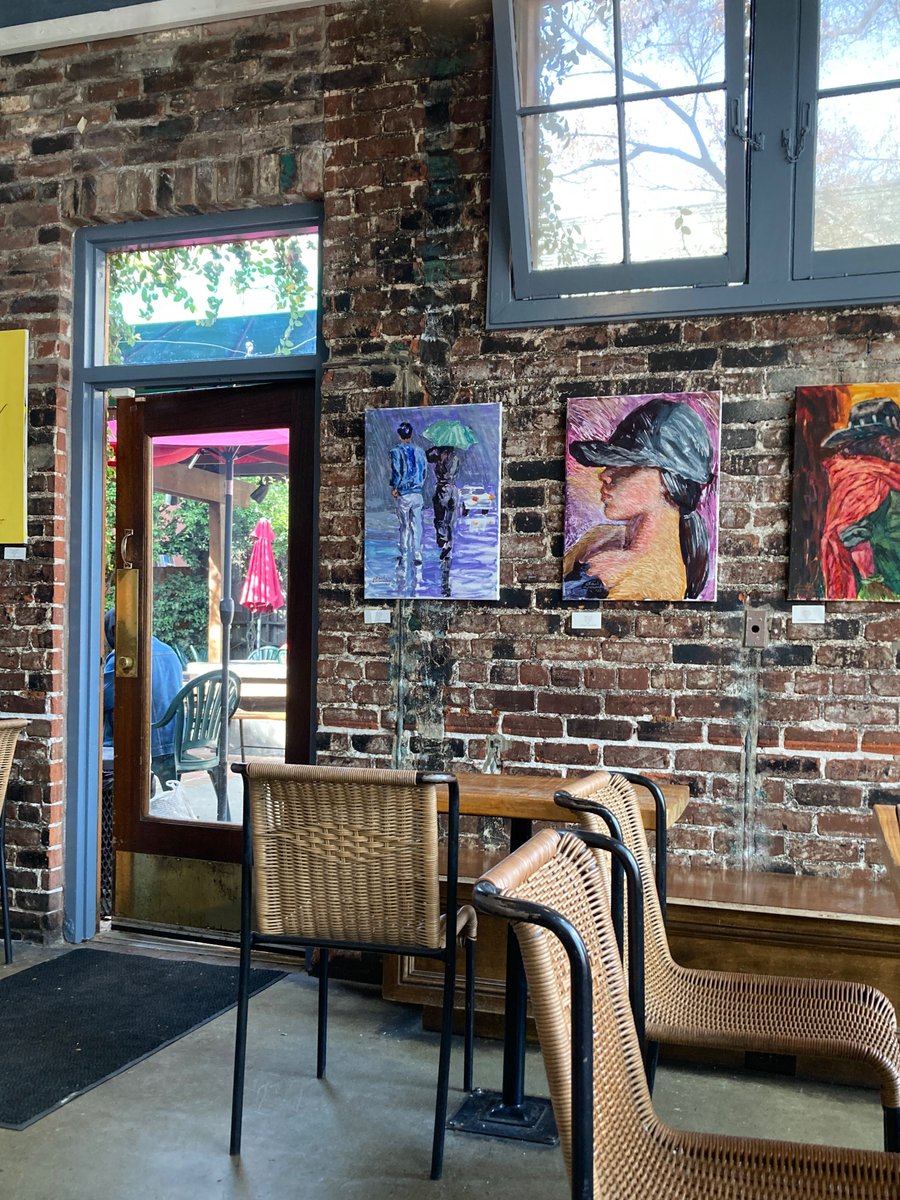
#UMC2023 through a coffee lens. Having spots in walking distance was super great to get out and see the surrounding area… and to process all the talks during the sessions. These were just a few- Sacramento was full of surprises!
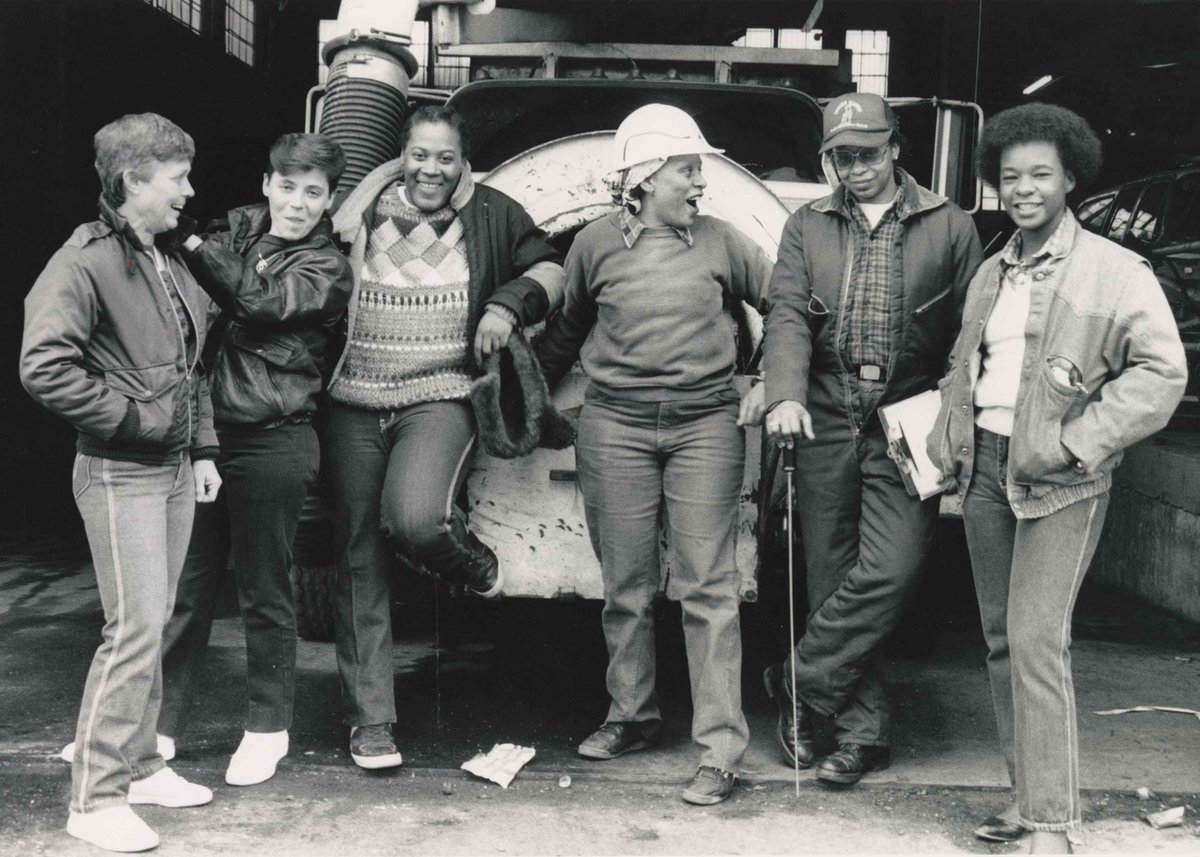
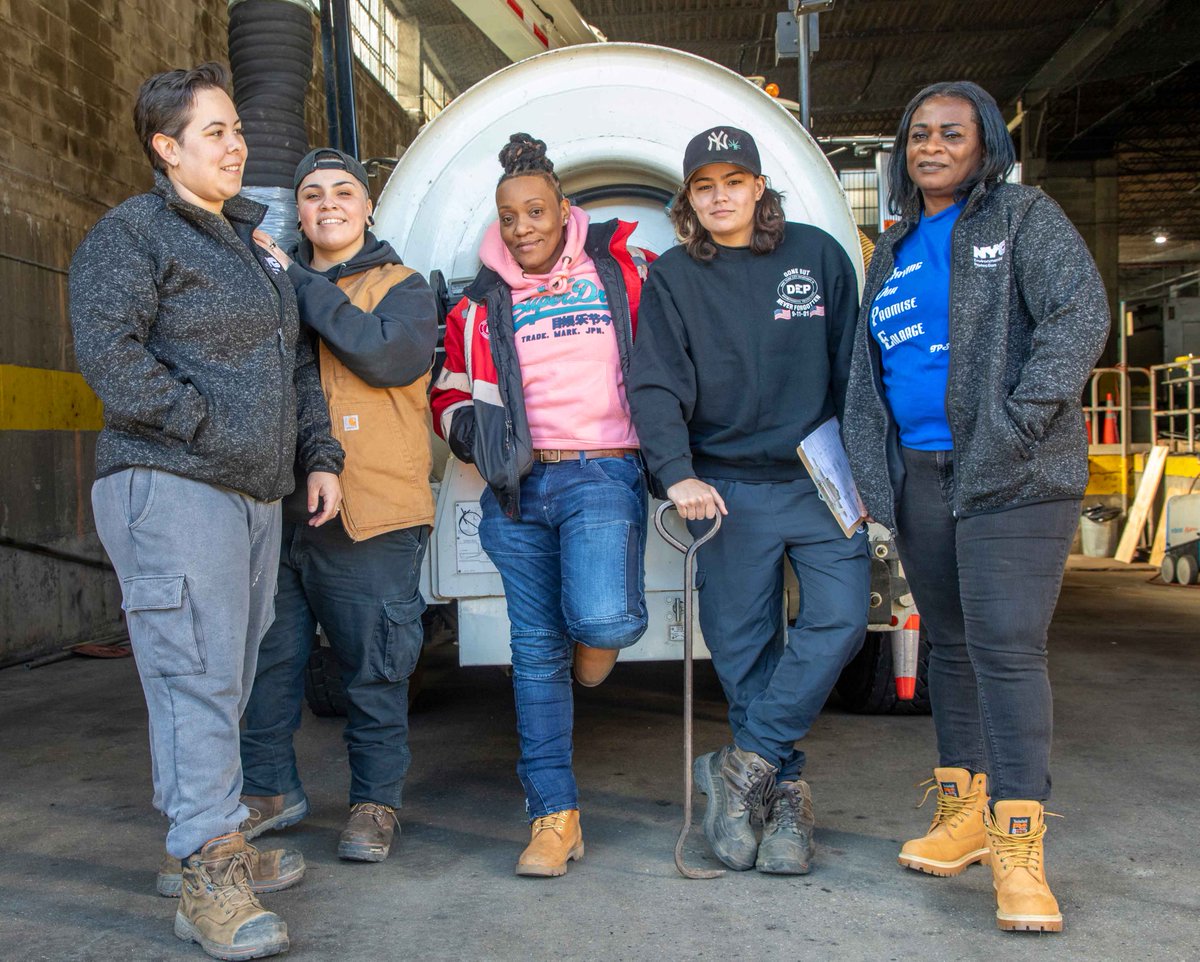
🧵In 1986, we hired our first female construction laborers.
Today Tiffany Solivan, Tori Boria, Chrystal Pringle, Ashlee Cavanaugh, and June Allison fill those boots 🥾. #WomensHistoryMonth#TBT
How it started: How it's going:
“You have to really think about what you’re building and who you’re building for…” - Salil Kharkar
Context: DC Flood Task Force
Re: Engineering solutions have to connect to the folks impacted.
#UMC2023
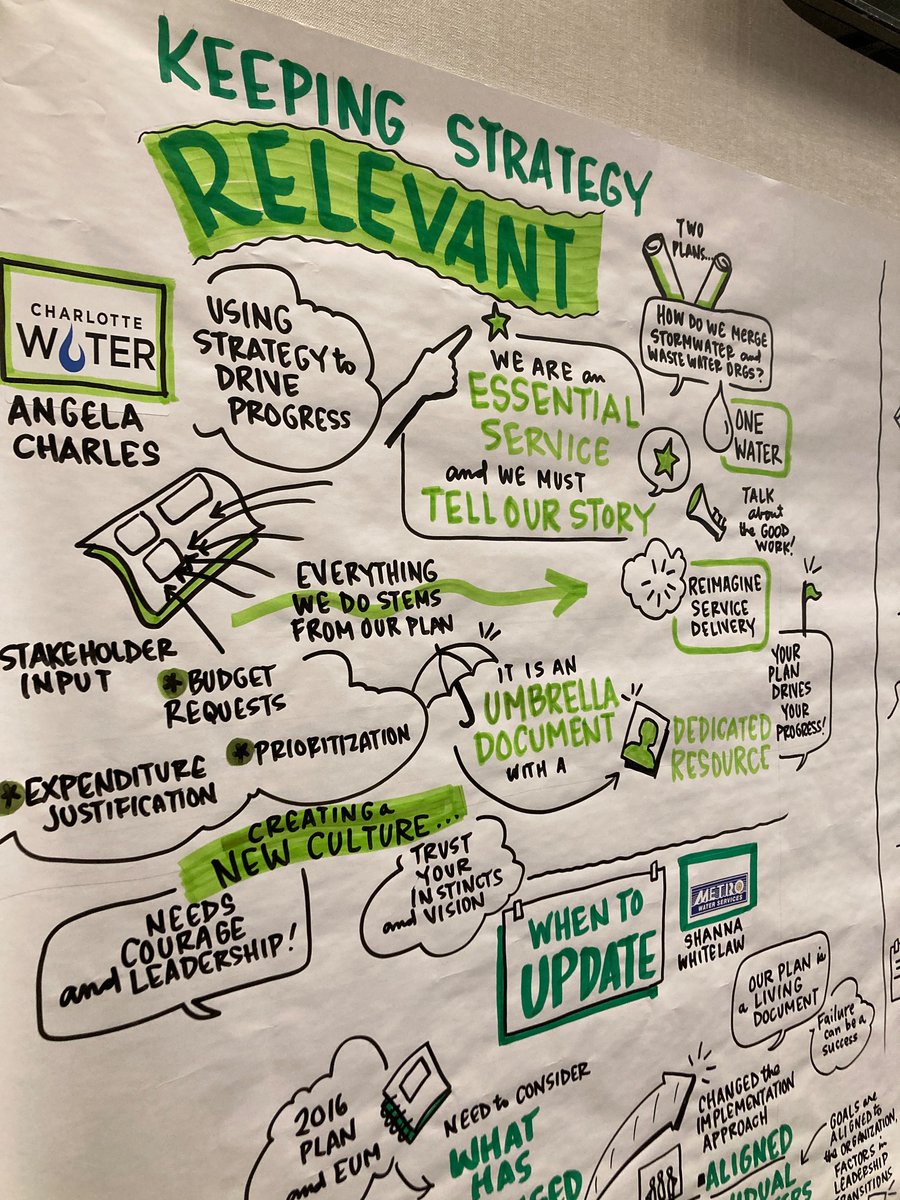
And in the strategic planning- sounds silly but so encouraging to hear that there’s a messy middle where an org is getting its ducks in a row, but eventually there’s some stability in the process.
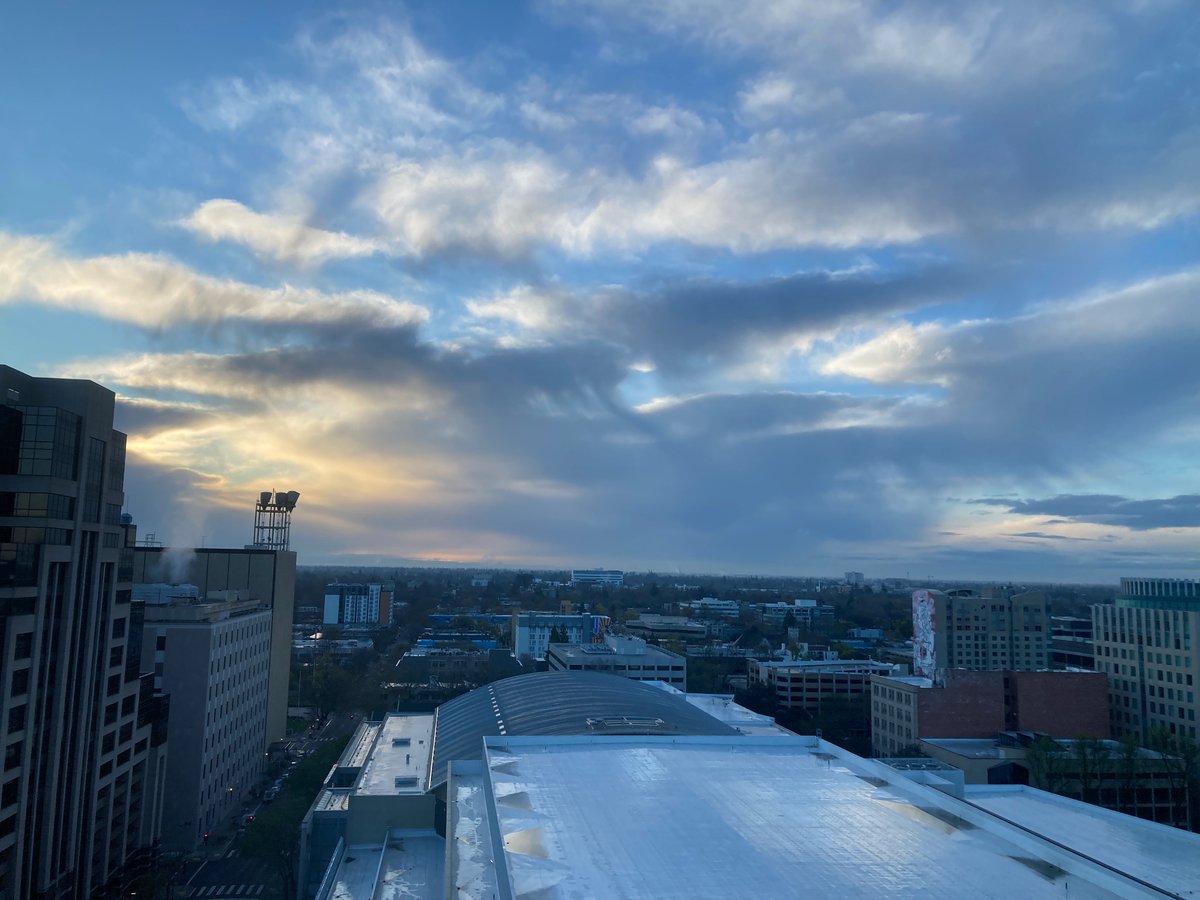
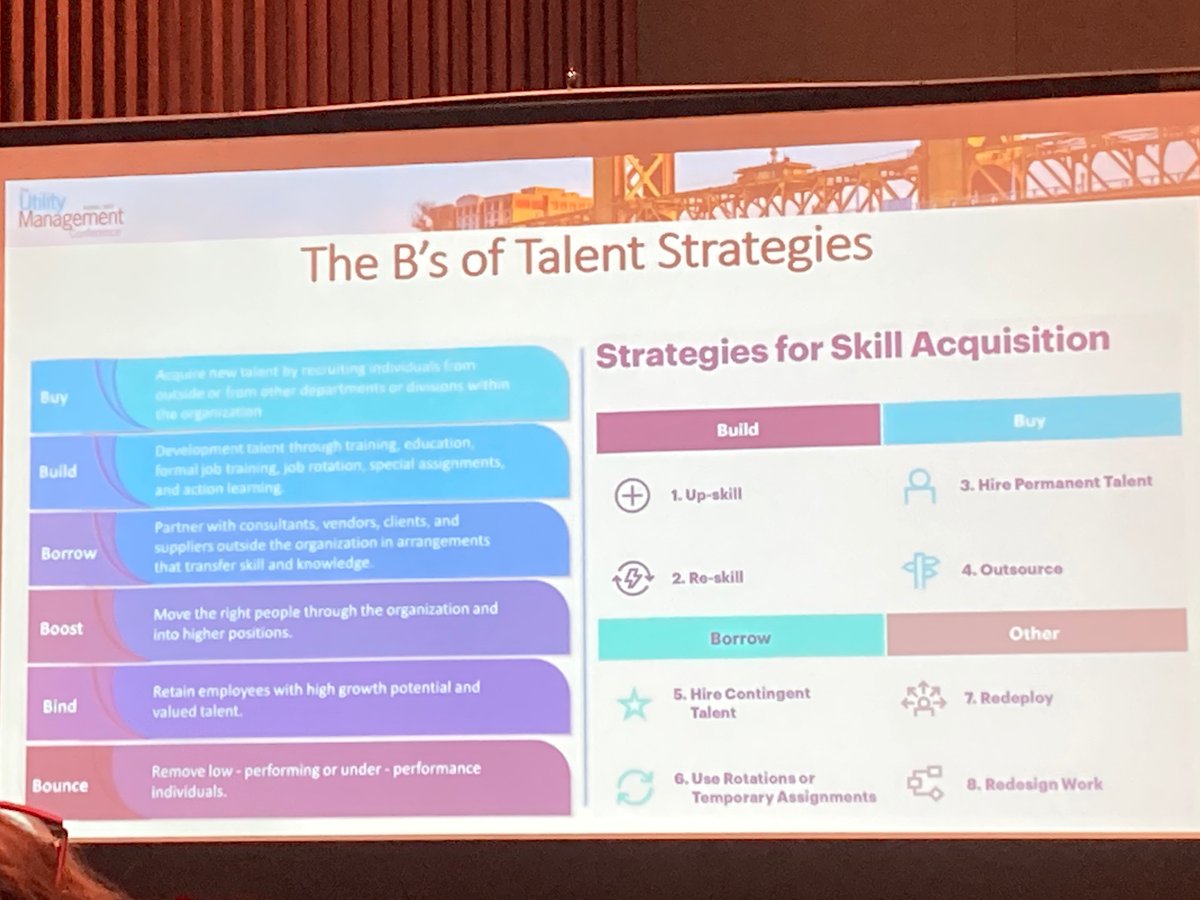
A little photo dump from Day 1 of #UMC2023 … big focus was on workforce recruitment and strategic planning to help with utility direction and employee retention.
It was really interesting to hear about an upgrading project in Prince William County that used retrofitting as an opportunity to engage staff and recruit new folks through a progressive design/build.