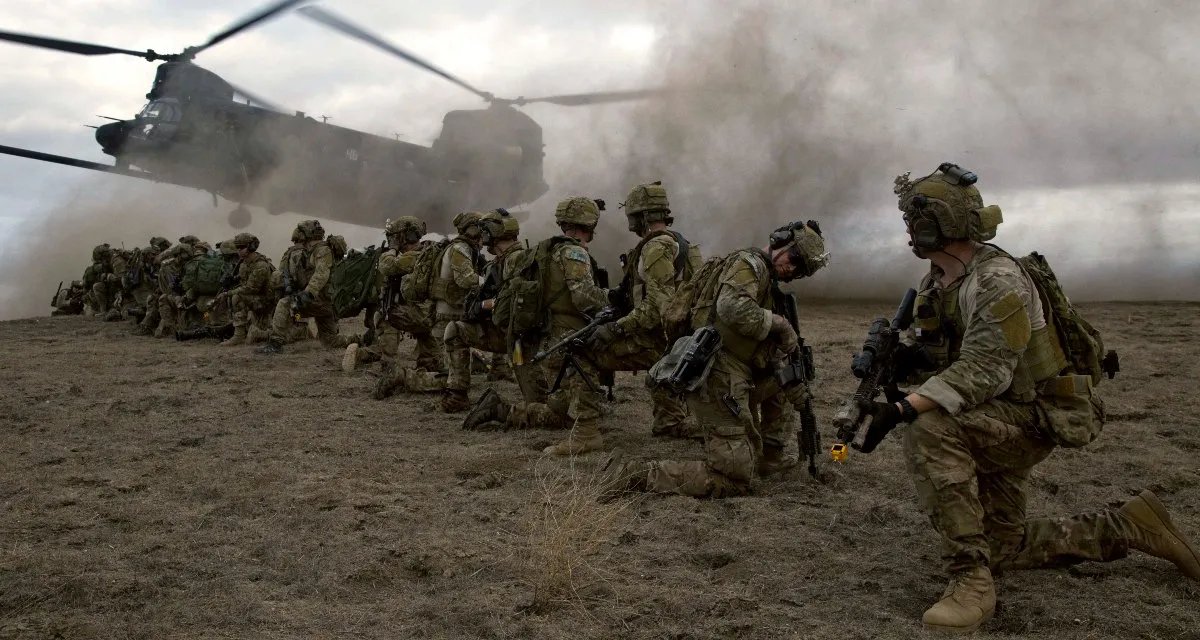
Counterterrorism (CT) is a critical mission undertaken by SF to prevent, deter, preempt, and respond to terrorist threats and activities. This multifaceted mission leverages the unique capabilities of SF operators to combat terrorism across a spectrum of operations, from intelligence gathering to direct action against terrorist networks.
CT operations involve identifying, locating, and neutralizing terrorist threats and SF teams engage in a wide range of activities to accomplish this including intelligence collection and analysis to map terrorist networks and identify key leaders, SR of potential terrorist targets or safe havens, DA raids to capture or eliminate HVTs, hostage rescue operations, and training and advising host nation counterterrorism units.
SF operators conducting CT missions often work in close coordination with other U.S. government agencies, including intelligence services and law enforcement. This interagency approach allows for a comprehensive strategy that addresses not only the immediate terrorist threat but also the underlying conditions that foster terrorism.
The success of CT operations relies heavily on the SF teams' ability to operate covertly in hostile or denied areas, often for extended periods. Operators must possess not only exceptional combat skills but also deep cultural understanding and language proficiency to navigate complex local environments effectively.
CT missions frequently involve high-risk, time-sensitive operations that require rapid planning and execution. SF teams must be prepared to act on actionable intelligence with minimal notice, often in politically sensitive situations where the consequences of failure can be severe.
In addition to DA against terrorist targets, SF also plays a crucial role in building partner nation CT capabilities. Through FID and SFA missions, SF teams help develop the capacity of allied nations to combat terrorism within their own borders, creating a global network of CT capabilities.
The evolving nature of terrorist threats, including the rise of cyber terrorism and the use of advanced technologies by terrorist groups, requires SF operators to continually adapt their tactics and capabilities. This dynamic environment demands ongoing training, intelligence sharing, and technological innovation to stay ahead of emerging threats.
Direct Action (DA) is a core mission of SF, involving short duration strikes and other small-scale offensive actions conducted to seize, destroy, capture, recover, or inflict damage on designated targets. These high-risk, high-reward operations are characterized by their precision, speed, and often covert nature.
DA missions cover a wide range of tactical operations, such as raids, ambushes, sabotage, and hostage rescues. SF teams conducting these missions are often tasked with eliminating High Value Targets (HVTs), destroying critical enemy infrastructure, or recovering sensitive materials or personnel.
These operations can be carried out independently or in support of larger conventional forces, often acting as a force multiplier by creating strategic effects with a small tactical footprint. The success of DA missions depends heavily on meticulous planning, precise intelligence, and the exceptional skills of SF operators. Teams must be adept in various insertion and extraction methods, including airborne operations, helicopter infiltration, and maritime tactics. Once on target, they use advanced combat techniques, specialized weapons, and cutting-edge technology to achieve their objectives swiftly and decisively.
DA operations often take place in denied areas or politically sensitive environments, requiring SF teams to operate with a high degree of autonomy and discretion. These teams may be tasked with providing terminal guidance for precision munitions, conducting in-extremis hostage rescues, or executing time-sensitive strikes on fleeting targets. The ability to rapidly plan and execute these missions, often with limited preparation time, is a hallmark of SF capabilities.
Although DA missions are typically brief, they can have a significant strategic impact. The surgical precision of these operations allows for the achievement of critical objectives while minimizing collateral damage and political fallout. This precision makes DA an invaluable tool for military and political leaders dealing with complex, high-stakes situations where conventional military responses may be unsuitable or undesirable.
Executing DA missions demands not only exceptional combat skills but also sound judgment and adaptability. SF operators must be prepared to make split-second decisions under extreme pressure, often with incomplete information and in environments where the consequences of failure can be severe. This combination of tactical proficiency, strategic awareness, and operational flexibility makes DA a defining capability of SF.
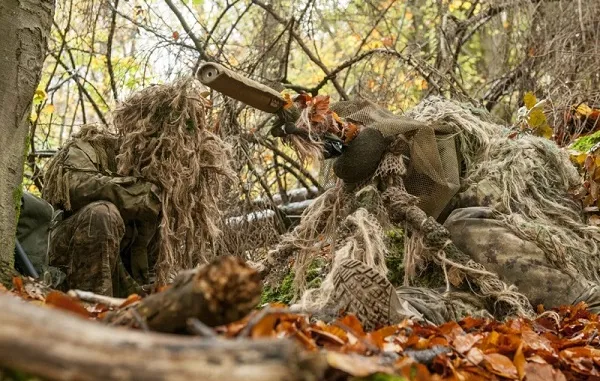
Special Reconnaissance (SR) is a vital mission carried out by SF to gather or verify information of strategic or operational importance. This mission entails deploying small, highly trained teams into hostile, denied, or politically sensitive areas to collect intelligence that is often inaccessible through other means.
SR operations cover a broad range of activities, including area assessment, target acquisition, post-strike reconnaissance, and environmental reconnaissance. SF teams engaging in SR use advanced surveillance techniques, cutting-edge equipment, and specialized infiltration methods to operate covertly in enemy territory.
These teams may be tasked with monitoring specific targets, evaluating enemy capabilities and vulnerabilities, or providing real-time intelligence to support ongoing or future operations. SR missions frequently require extended operations in challenging conditions, demanding exceptional fieldcraft skills, physical endurance, and the ability to remain undetected in hostile environments from SF operators.
Intelligence gathered through SR is crucial for strategic decision making, operational planning, and tactical execution. SF teams may be tasked with deploying sophisticated sensor systems, conducting battle damage assessments, or providing terminal guidance for precision strikes. In politically sensitive regions, SR missions might involve assessing the capabilities and intentions of various factions or monitoring compliance with international agreements.
SR operations demand a high degree of adaptability and problem-solving skills, as teams often face unforeseen challenges with minimal external support. The success of these missions heavily relies on the operators' ability to blend into their environment, interpret complex situations, and transmit critical information securely.
Foreign Internal Defense (FID) includes SF soldiers providing training, advice, and assistance to a host nation's security forces. This training assists the host nation's efforts to protect its society from subversion, lawlessness, insurgency, terrorism, and other threats to its security.
SF teams conducting FID engage in a wide range of activities, from providing tactical and technical training to advising on strategy and operations at higher command levels. FID operations often go beyond purely military matters, encompassing Civil Affairs (CA), Psychological Operations (PSYOPS), and Intelligence Activities (IA) to address the root causes of instability.
This mission requires SF operators to work closely with host nation forces to improve capabilities in areas such as small unit tactics, weapons proficiency, logistics, medical care, and human rights observance. The mission requires SF teams to have language skills and the ability to build trust and rapport with host nation personnel.
FID operations can be conducted overtly or covertly, depending on political sensitivities, and may last for extended periods. The ultimate goal is to enable the host nation to maintain its own security and stability without external assistance, thereby preventing the need for direct U.S. military intervention.
This mission demands that SF operators balance immediate tactical needs with long-term strategic objectives, often operating in complex political environments where they must navigate relationships with various host nation institutions, U.S. government agencies, and international organizations.
Unconventional Warfare (UW) is the cornerstone mission of Special Forces (SF). UW encompasses a broad spectrum of military and paramilitary operations conducted in an enemy held, enemy controlled, or politically sensitive denied area.
UW involves organizing, training, equipping, and directing indigenous forces to conduct guerrilla warfare, subversion, sabotage, intelligence activities, and escape and evasion operations. SF teams, operating covertly or clandestinely, aim to enable a resistance movement or insurgency to coerce, disrupt, or overthrow a government or occupying power.
This complex mission requires SF operators to possess deep cultural understanding, language skills, and the ability to build rapport with local populations. UW operations can span months or even years, involving tasks such as establishing and operating clandestine support mechanisms, conducting psychological operations to influence target audiences, and linking indigenous forces with conventional forces.
The ultimate goal of UW is to exploit a hostile power's political, military, economic, and psychological vulnerabilities. This involves developing and sustaining resistance organizations and synchronizing their activities to further U.S. national objectives. Such missions demand exceptional adaptability, as SF teams often operate with minimal support in austere environments, balancing tactical requirements with strategic and political considerations.
U.S. Army Special Forces, aka Green Berets, are currently deployed in over 80 countries worldwide on a variety of missions including Unconventional Warfare, Foreign Internal Defense, Special Reconnaissance, Direct Action, Counterterrorism, Counter-proliferation of WMDs, Security Force Assistance, Information Operations, and Counterinsurgency. This is a thread breakdown of those missions 🧵:
USAID operates as a global economic hitman, working alongside the Federal Reserve, World Bank, and IMF to enslave non-G7 nations through debt.
In Confessions of an Economic Hitman, John Perkins reveals how institutions like USAID and the IMF serve as tools to destabilize governments while enriching a powerful cabal of corporations, banks, and U.S. political elites.
He describes economic hit men as agents who siphon funds from entities like the World Bank and USAID, funneling wealth into the hands of multinational corporations and a select few influential families, tightening their grip on global power.
Ukrainian President Volodymyr Zelensky admits that $100 billion in U.S. taxpayer funds have mysteriously disappeared.
In an interview, he claimed that while $170 billion was promised, only $70 billion has been received, leaving the rest unaccounted for.
"I don't know where all this money is."
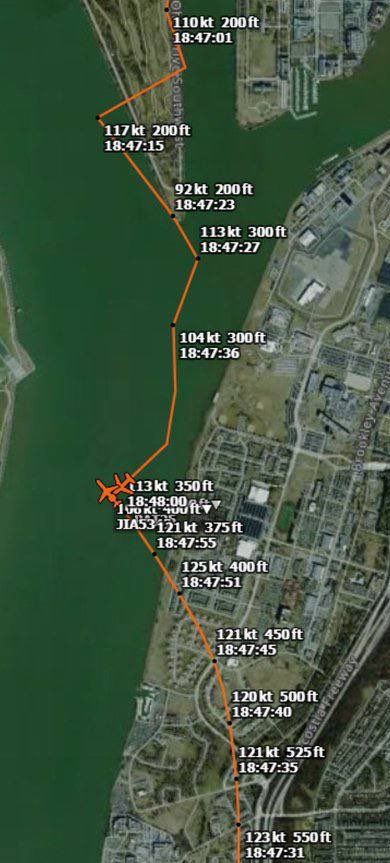
Runway 33 not often used.
Helicopter violated at LEAST two air traffic rules.
-Should not have risen above 200 feet.
-Should not have been near a commercial runway.
-Changed altitude AND direction 37 seconds before impact.
No big deal, just Meta showing that they clearly bought out TikTok’s U.S. servers. A brand new Facebook profile, verified, AND no videos yet? You couldn’t have been more obvious. Fuck. Meta.
The TikTok ban should have everyone talking about decentralized social media.
We already have the solution.
It’s called NOSTR. And it changes everything.