🌟 NEW POST 🌟
‘6 strategies to support shared reading for students with SEND’
1. Least to most prompts
2. Reading comprehension strategies
3. Using ‘wh’ words
4. Vocabulary examples/non-examples
5. Picture-plus
6. The CAR model
https://t.co/ALvG1wQuHm
Initial run out of our new KS3 feedback format. Student led reflection on the three sections of summative assessment, followed by teacher led whole class feedback and SPAG issues. Finishing with consolidation questions and tasks. Seems to have worked well so far. #historyteacher
Interesting report from the @Literacy_Trust about student engagement with writing for pleasure. The recommendations are welcome + exactly in line with writing pedagogies EMC has been promoting for decades - inside + outside the classroom https://t.co/3QY4MNsNL6
Brilliant blog by @ReadingShanahan on writing fluency:
“Writing fluency has been neglected for too long. It may not seem important, but it is a key ingredient in writing quality”
In the coming weeks of national exams, writing fluency will prove vital.
https://t.co/BzV9eGA6Fl
Fabulous presentation by @Xris32 on (the lack of) writing fluency. Why do students refuse to write? How is that a deeply emotional and logical response? What can teachers do to help them communicate effectively and confidently? Lots of practical strategies offered! ##rEDBrum
I’m sorry to be banging on about reading in schools again but Estyn’s Chief Inspector was asked about how children in Wales should be taught to read and to say his answer was revealing would be an understatement. 👇🧵
Still a couple of days to win a copy of my latest book all about Adaptive Teaching. 🔥 off the press. Retweet and follow by end of 28th Feb! #adaptive teaching #cpd
🔗 Useful link 🔗
In this 2017 Guardian article, George Sanders explores his writing process and 'what writers really do when they write'. Wider reading for A Level original writing or for greater insight on authorial intent. Or for anyone also writes https://t.co/crvv2syOP5
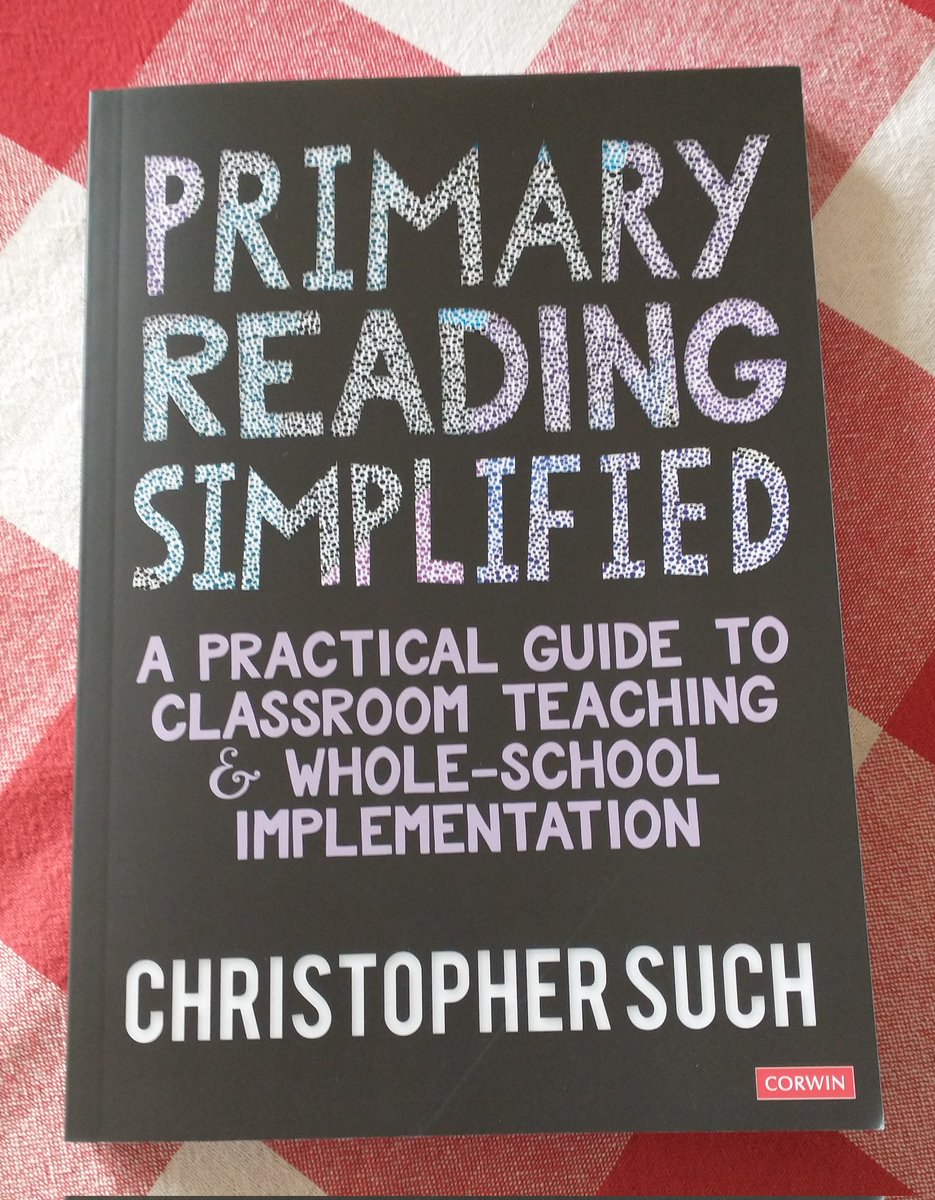
It's half term, which means I have a copy of Primary Reading Simplified to give away.
Simply *retweet* this tweet for your chance to win.
I will choose a winner at random this Saturday (22nd February).
🧵A while ago, I posted about how I teach vocabulary. I collect all tier 2 vocab from the unit I'll be teaching + within my discrete grammar lesson each wk we do 20 ish mins of vocab work. In this thread, I'll go through what that looks like + then at the end link to the resource
When you write a book your publisher gives you a few free author copies. Most of them are being given to people who helped me write it. But I have 1 spare. I’ll give it to someone after the 28th Feb. Retweet & follow to be in with a chance! 🌞
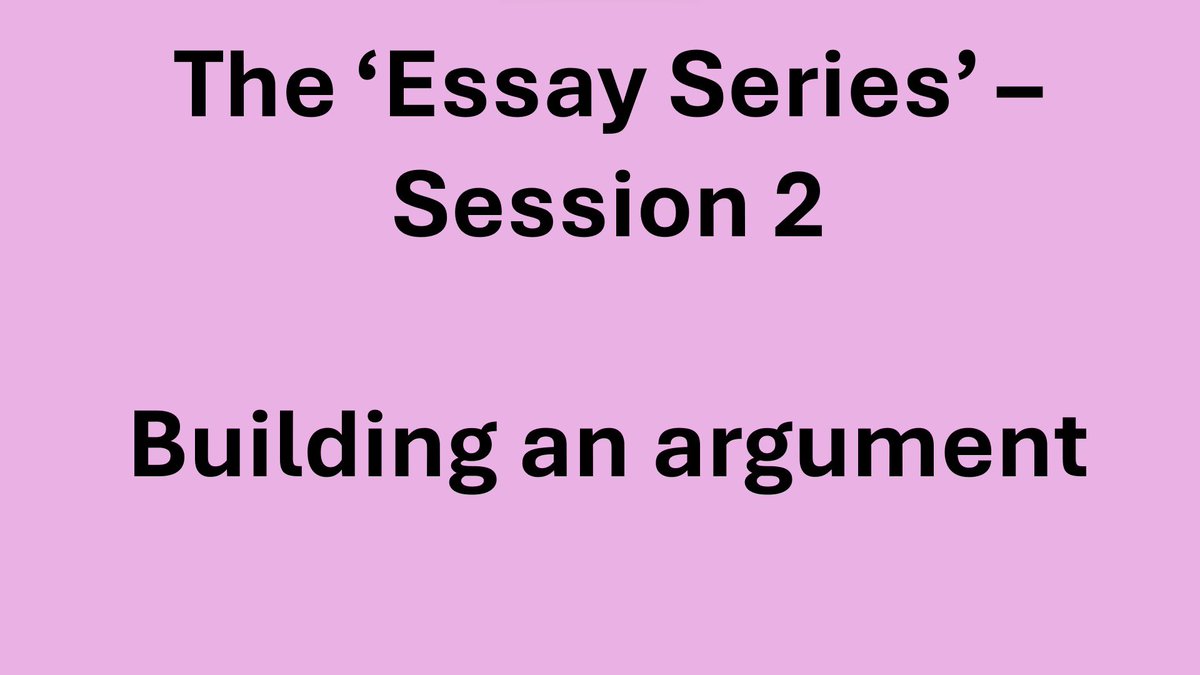
NEW RESOURCE - Session 2 of my ‘Essay Series’ resources now uploaded. This one focuses on constructing the first point of an essay out of a thesis statement. As always, use/chuck/change! More to come soon. @Team_English1
https://t.co/Oh9EyqFQzi
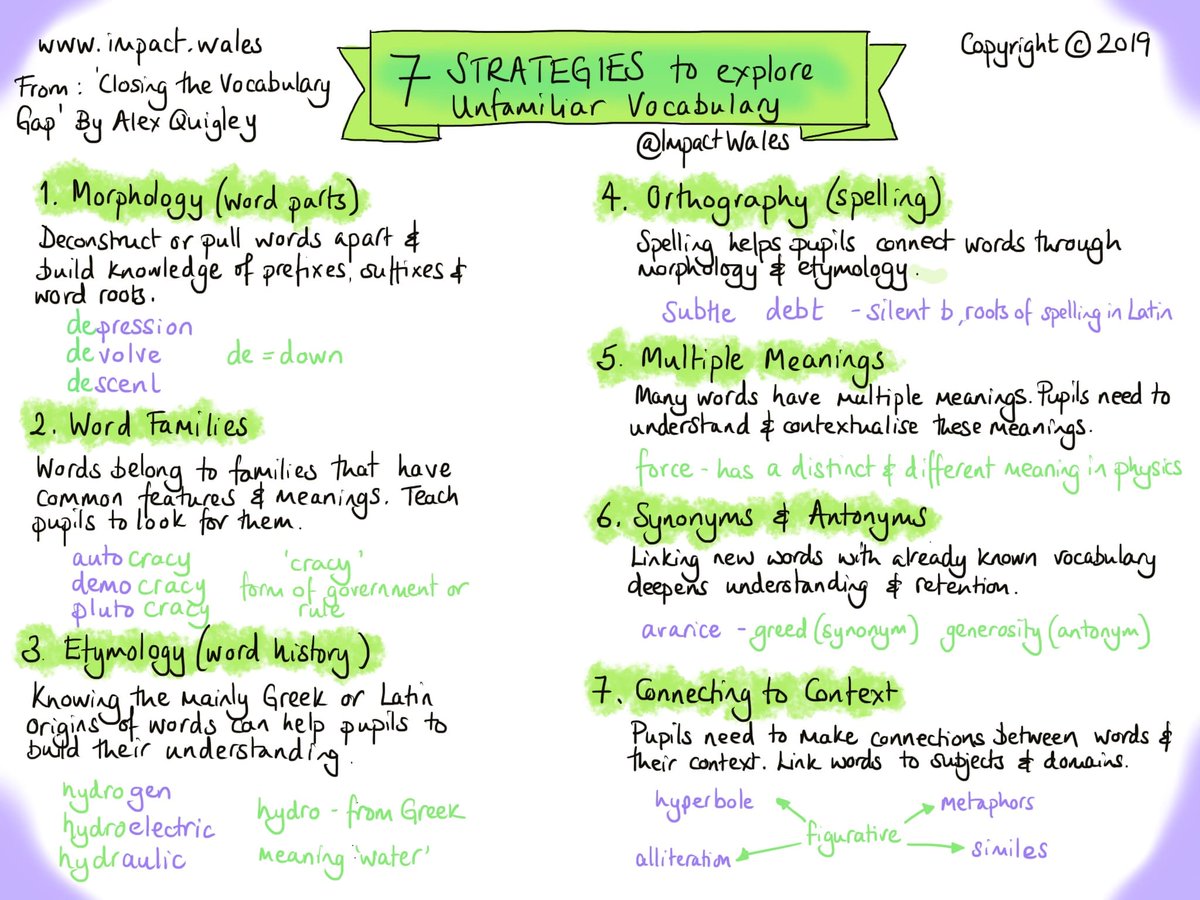
7 research-informed strategies to explore unfamiliar vocabulary. Which ones have you tried?
https://t.co/K4k0XXjTT8 & click ImpactPlus for more resources
This model is based on @FBI's hostage negotiation unit's understanding of how to change behaviour can be created even in the most challenging situations. What can you use from these 5 steps?
Contact us for professional learning for schools [email protected]
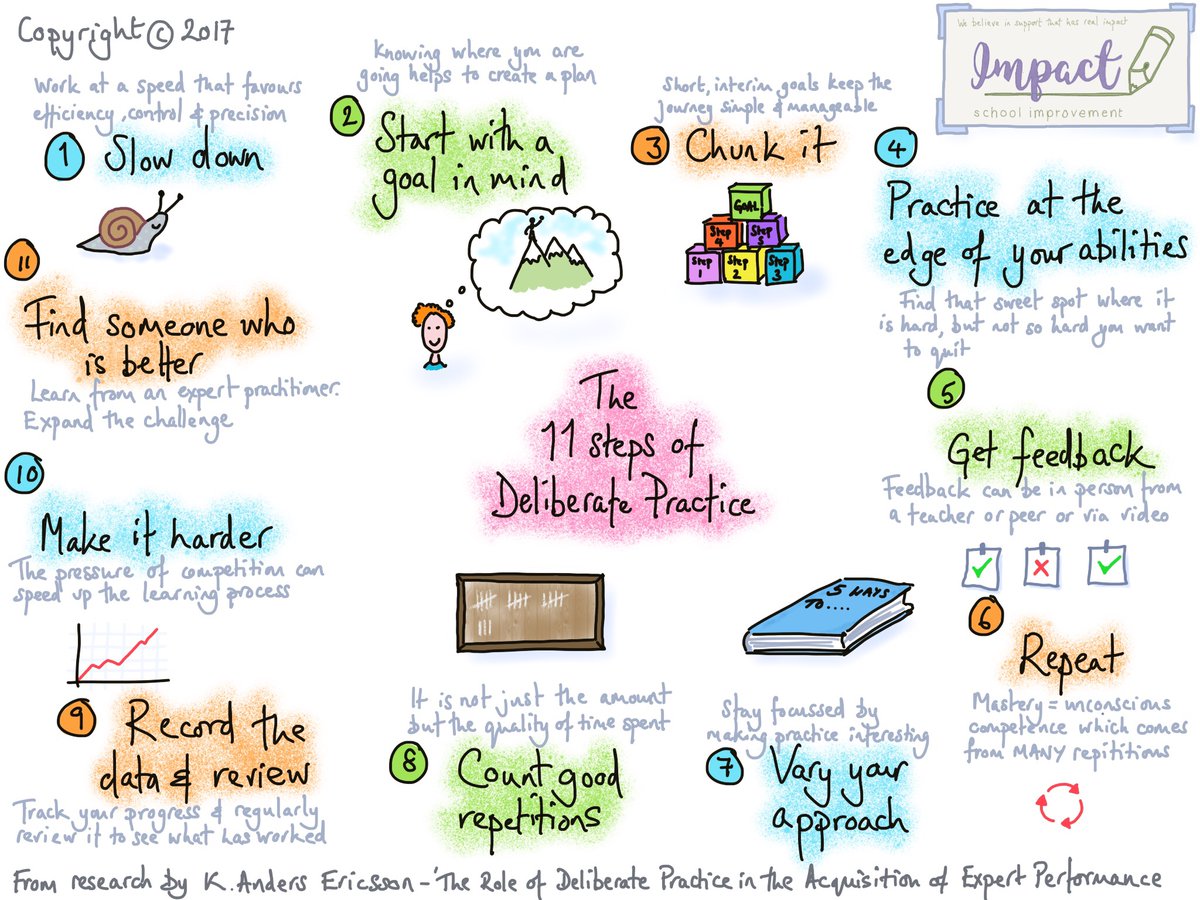
What's the role of deliberate practice in the acquisition of expert performance? K Andres Ericsson's research shows us ⬇️👍
Use these 11 steps to help pupils become more expert.
We provide bespoke professional learning for schools https://t.co/K4k0XXjTT8
Reading in Wales is being taught using discredited methods. Here @RhysWilliamsTV is crystal clear @AddysgEducation & @EstynHMI are the only ones in a position to change this for all learners.
13 mins of meaningful analysis everyone should hear!
https://t.co/8PppCQqCRh