Thanks to Alex and Declan at Currently Speaking for a guest spot to talk about how demand response is just accepting really shitty access to electricity services.
https://t.co/5KL5edHvO4
The 2023 DER in Energy Markets report is now live, exploring how distributed energy resources and demand response are interacting with markets on the east coast of Australia, and ways they’re passing that value on to customers.
https://t.co/ZuGjxIzIs8
Anyone here a tradle fan? https://t.co/XrHpYZYVKS
Anyways here's what VPP operators have made in FCAS in the last 12 months. The DER in Energy Markets Report comes out next week with this and more https://t.co/ZuGjxIzaCA
I'll be presenting the "2023 DER in Energy Markets Report" at All-Energy. The report explores the early stages of how DER are interacting with the energy market in Aus.
More details: https://t.co/ZuGjxIzIs8
Let me know any suggestions for what you'd like to see in the report.
Submissions to the Integrating Price-Responsive Resources rule change close this Thursday. I've submitted a wish list of fit for purpose systems and market settings appropriate for participation.
AEMC consultation: https://t.co/NGAN7sgYYd
Grids Submission: https://t.co/PJTzPHhFH0
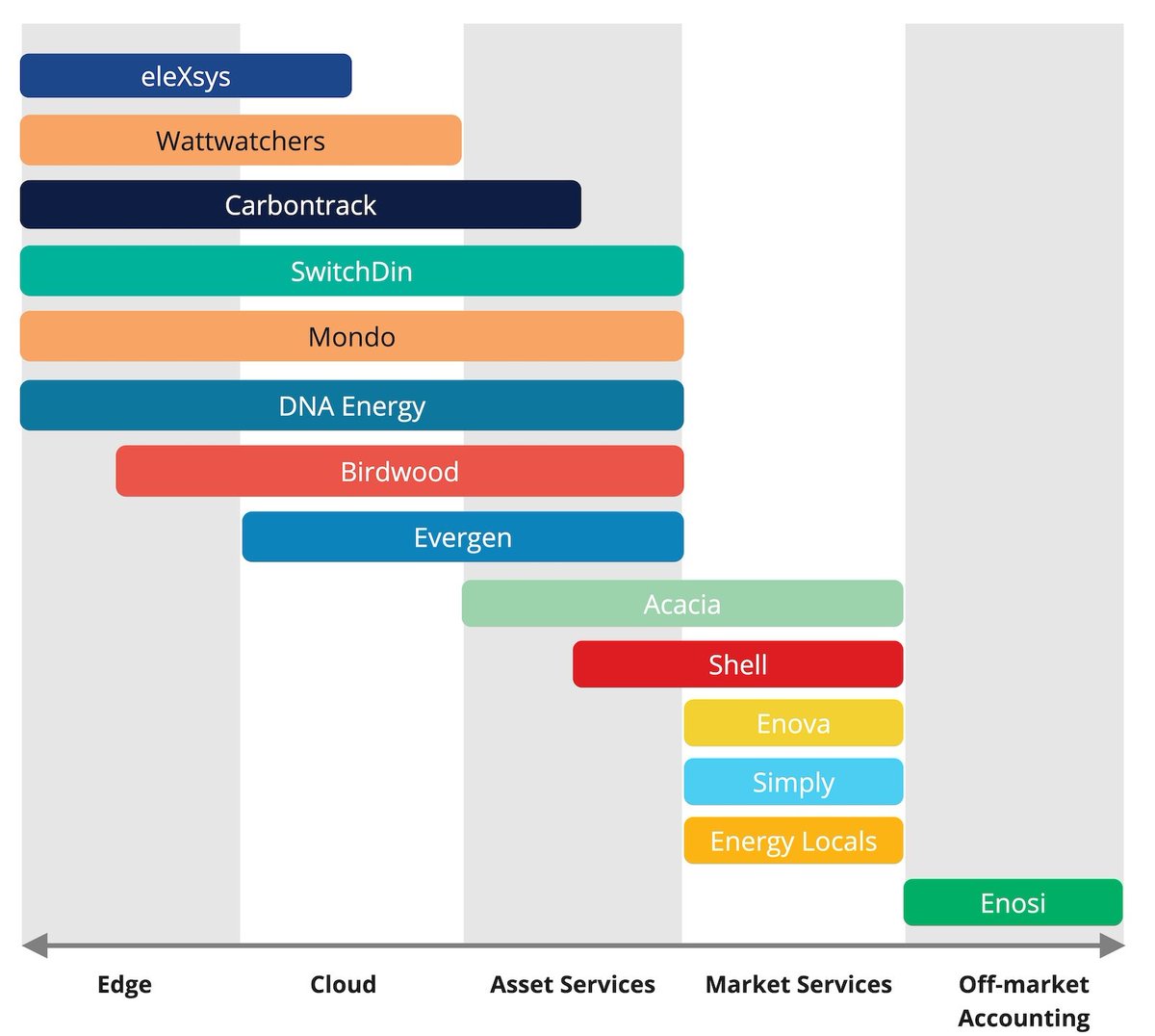
With ARENA opening the Regional Microgrids Program I thought I'd repost a report from last year reviewing microgrid technologies.
It provides a framework of different functions in microgrid projects, and reviews vendors who can supply those functions.
👉 https://t.co/cI6uqrFWfm
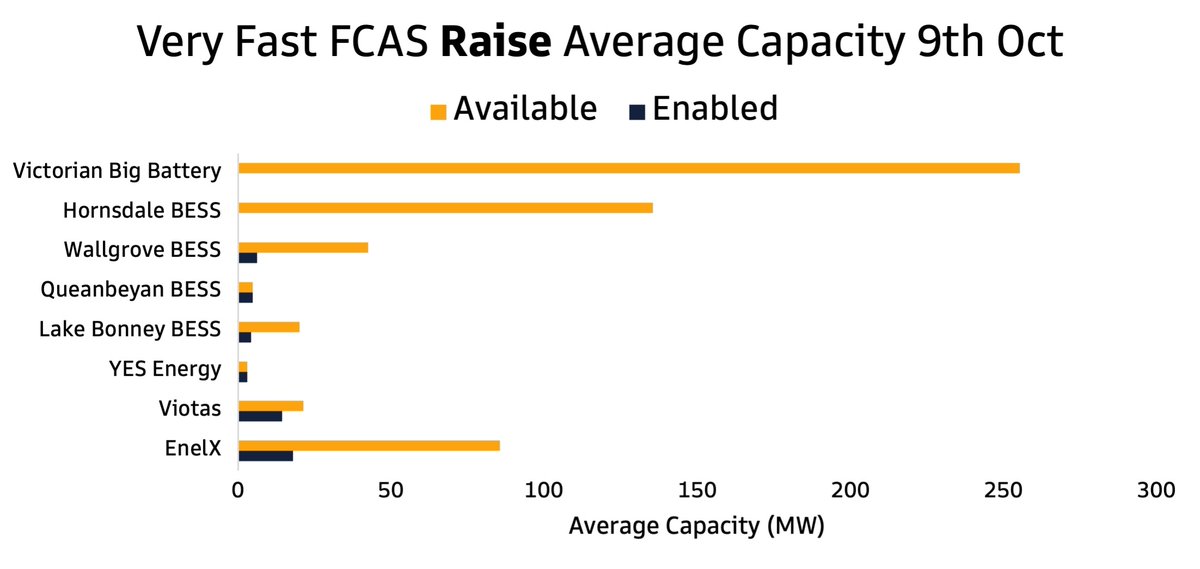
In July 2023 almost all residential virtual power plants stopped offering fast FCAS capacity in the national electricity market.
Is this the end for VPPs? Are they intentionally withdrawing capacity in solidarity with the SAG-AFTRA strike?
Find out here: https://t.co/Nu4wGPjljt
With ARENA opening the Regional Microgrids Program I thought I'd repost a report from last year reviewing microgrid technologies.
It provides a framework of different functions in microgrid projects, and reviews vendors who can supply those functions.
👉 https://t.co/cI6uqrFWfm
@moylecroft@dylanjmcconnell That was my first thought too, how much might it be capacity waiting for auctions to develop vs no longer wanting to invest.
@moylecroft@dylanjmcconnell @Dr_CGJones Oh yeah we're definitely not suggesting using a battery to somehow reduce energy volumes to get under the annual limit. Although on-site solar may be a cheeky option.
Where one is exposed to a demand charge though, a battery can help reduce that cost.
@dylanjmcconnell @Dr_CGJones Might be a good early use case for dynamic import limits? i.e. only use the battery as a buffer when you'd ordinarily cause congestion.
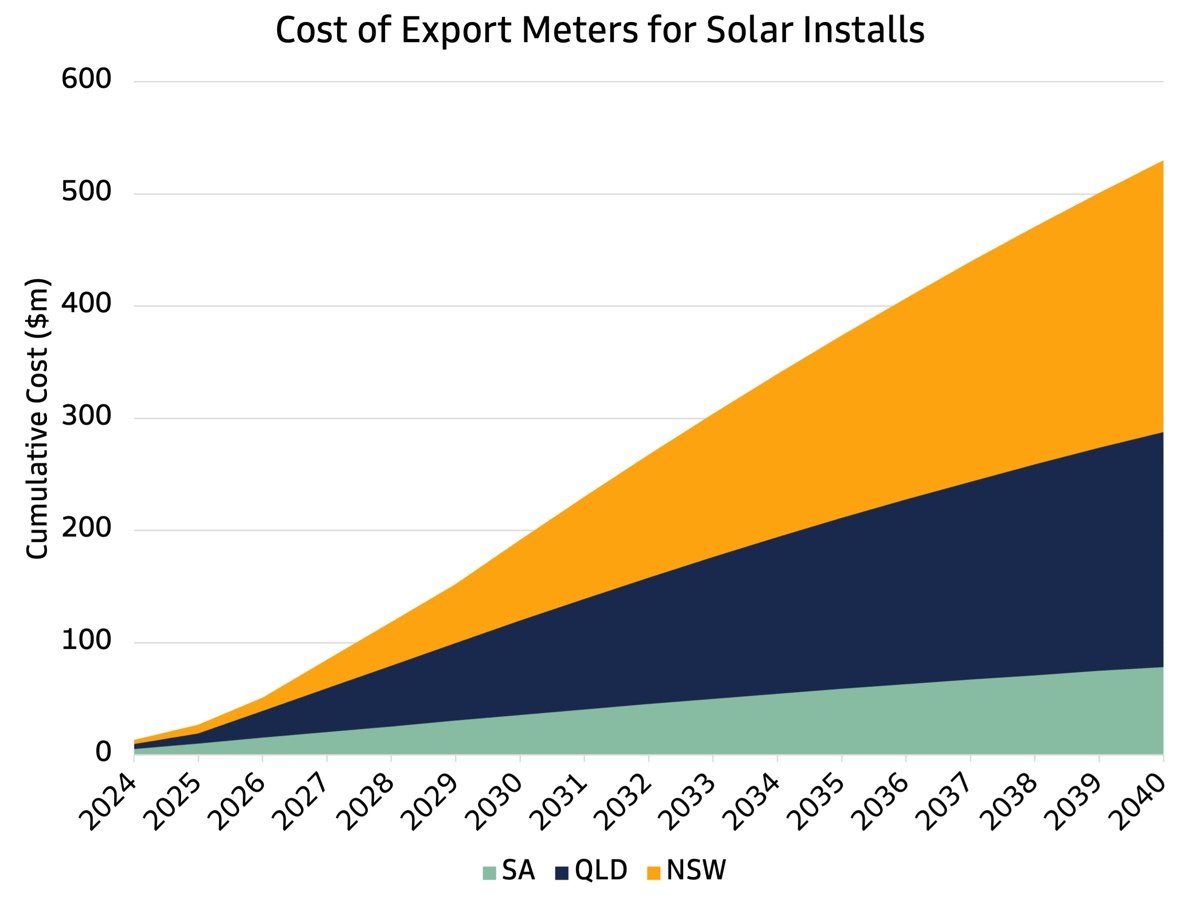
Flexible export limits and shrinking static limits mean more solar systems will need "export monitoring".
While the smart meters have this information, DER can't access it, leading to huge costs in installing additional "export meters".
More details https://t.co/tUj8zbRY8n
The new DSO capabilities networks and industry are developing are far ahead of the regulatory structures that control them. This lagging regulation causes inefficiencies and consternation in how we roll them out.
https://t.co/cZnaG0Ycjv
A look into how the UK have approached allowing distribution networks to participate in competitive markets with customer assets under considered regulatory controls. Some lessons for Australia.
https://t.co/dbKGa7nuya