Really think I’m going to add “rollback” to the mute list.
For multiple reasons…
1- I’m a golf sicko who just wants to watch golf. Whether you hit it long or short, I’m watching.
Par 3 course or 8,000 yard behemoth. I’m watching.
2- It’s a lazy, cherry picked opinion.
Gordon Sargent- top 10 in driving distance this year at 316.6 yards.
This week? Missed cut. Near DFL.
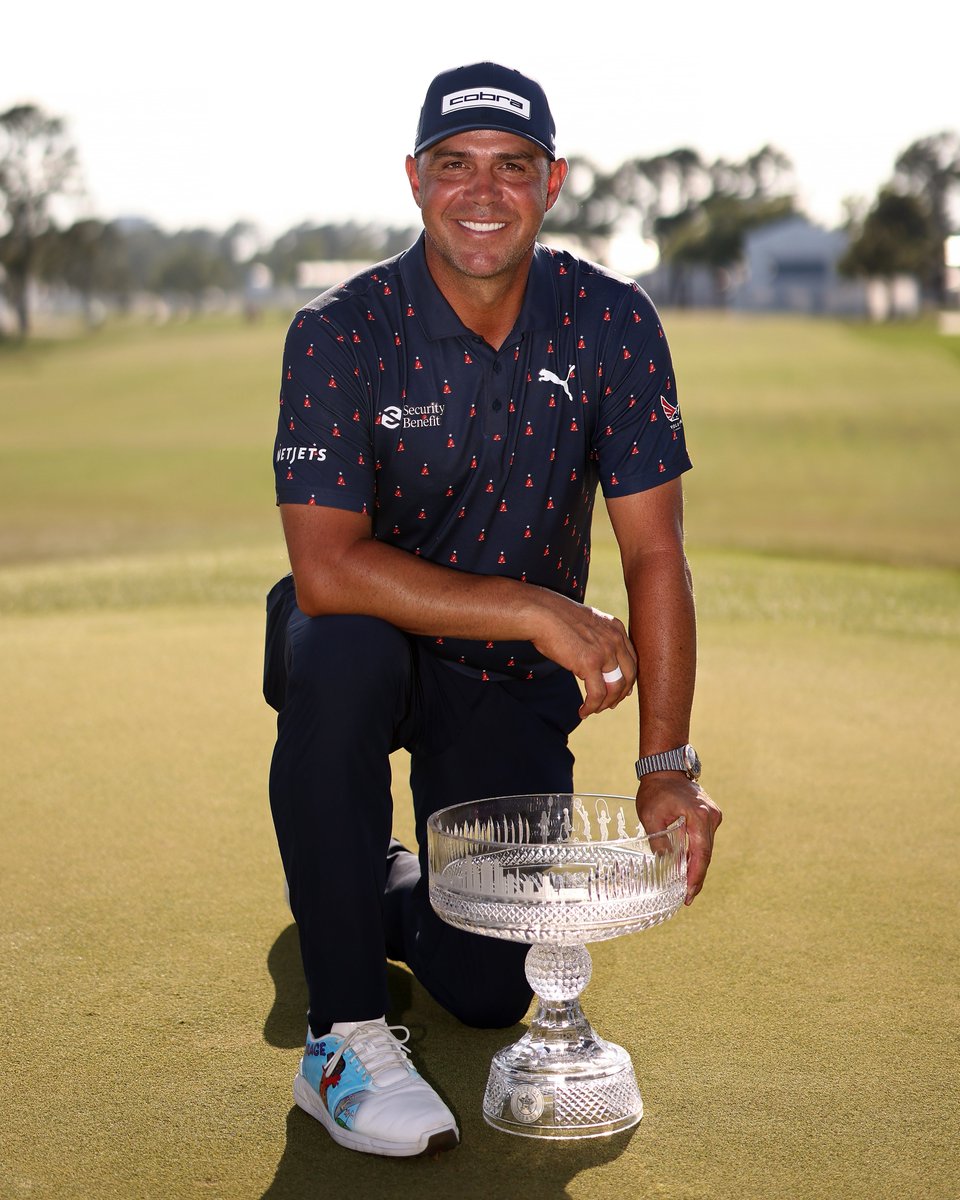
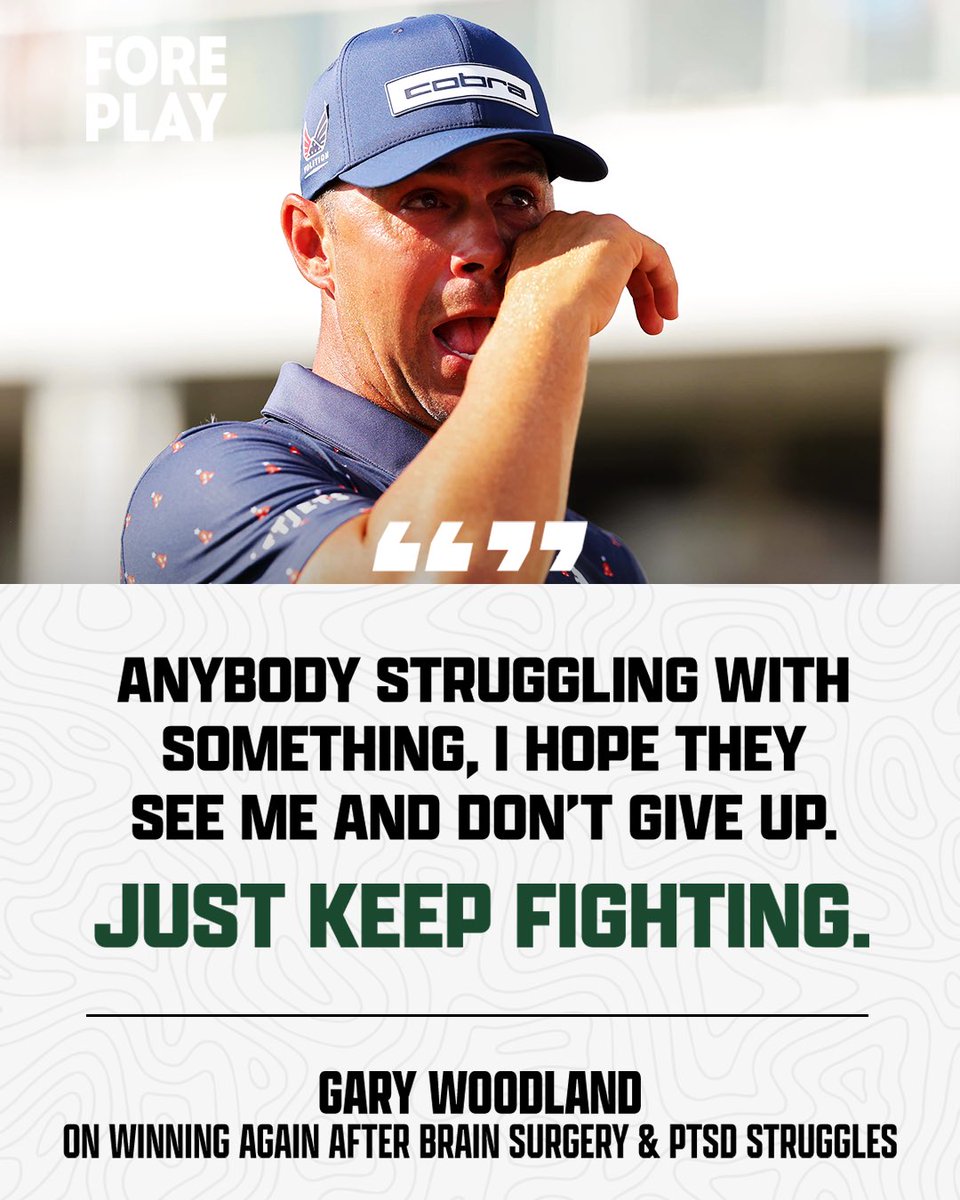
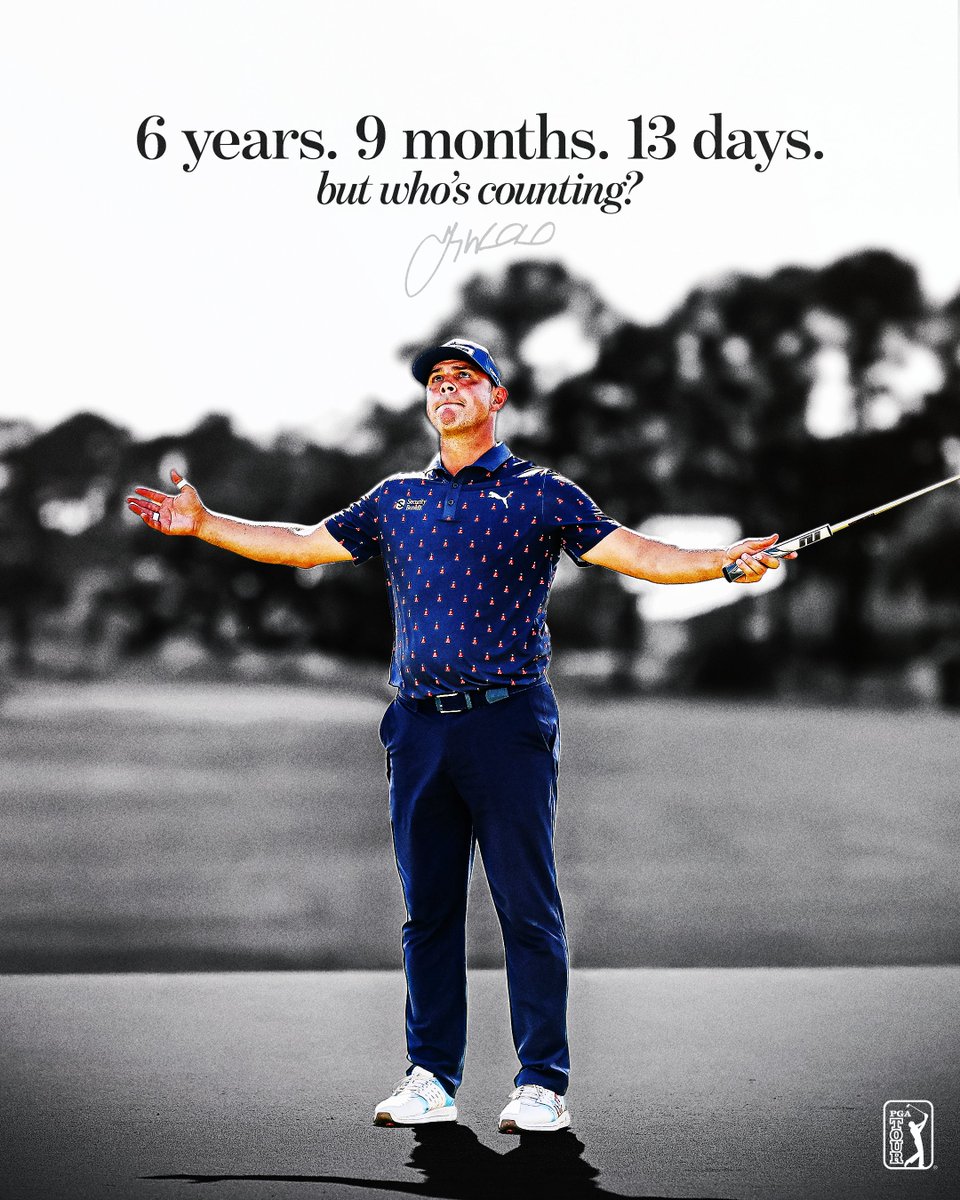
Gary Woodland- 8 yards longer at 324, wins. But Gary has also missed half his cuts and only has 1 finish before this week better than 64th.
Go down the list of missed cuts this year and you’ll find countless bombers.
Wise words here from @Return_Of_RB
I wish every day I could still call and text my dad but I’m blessed to have so many of these memories to fill my heart
It’s always purest before the plugs.
(I’ve been watching turf videos again. 😄)
It often feels like your course’s greens are running their best - firm, fast and true - right before they get aerated.
Here’s why:
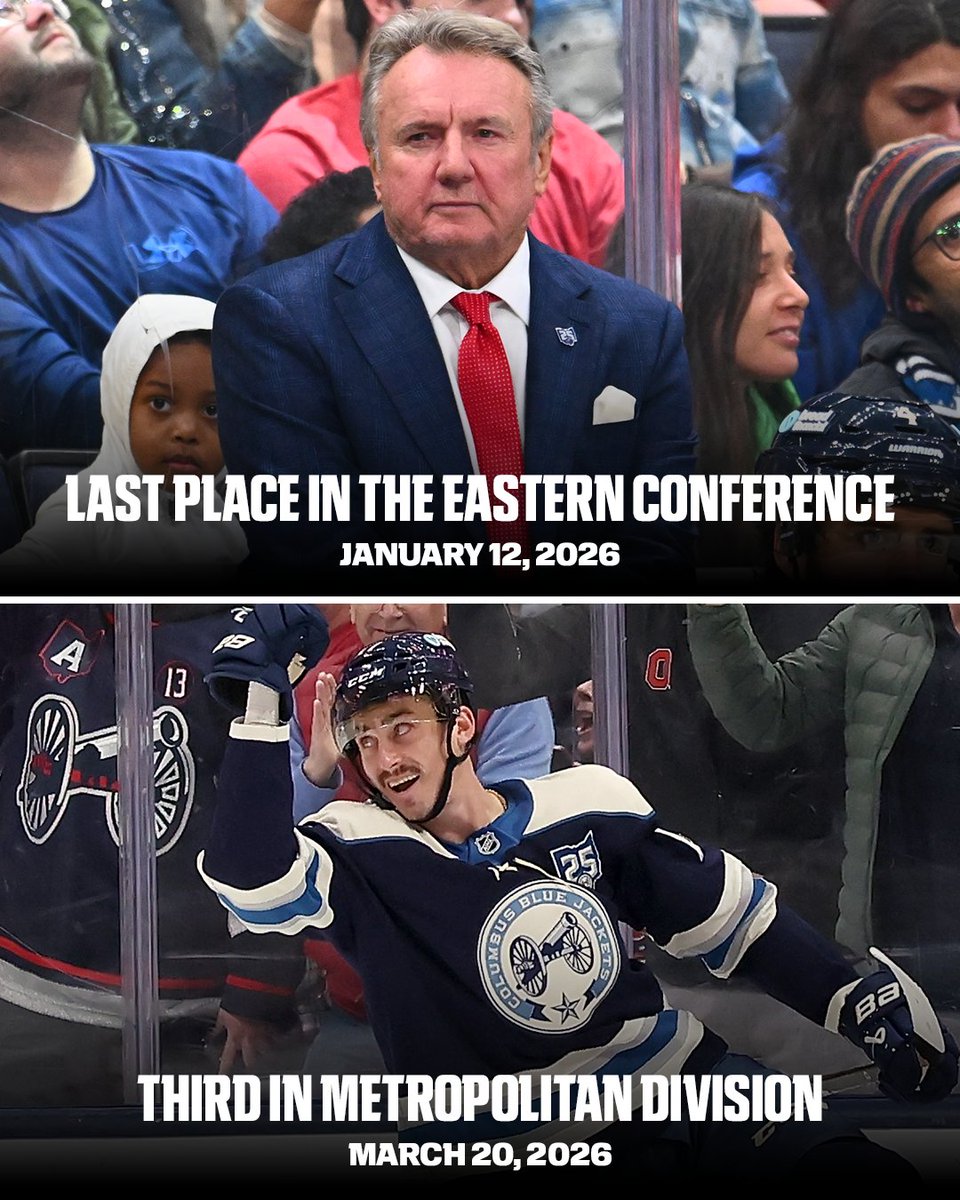
The Blue Jackets have turned their season around since hiring interim head coach Rick Bowness on January 12.
Columbus is 17-2-4 since the hire and are currently in a Stanley Cup playoff spot 💥
Most junior golfers will spend the next 12 months trying to “fix their swing.”
I get it.
Technique is tangible. It feels productive. It gives you something to chase.
But after living this game from every angle (player, D1 coach, high school coach, mentor to families, and parent) I can tell you the hard truth:
If you build the journey around technique, you eventually hit a ceiling.
Because college golf is not a swing contest. It’s a full development system.
Golf improvement is not one thing.
It’s 12 big areas.
And the families who obsess over just one area (technique) often end up confused when the results don’t match the investment.
Here’s what I mean.
1) Purpose, goals, and your why
Goals are the roadmap. Purpose is the fuel.
When a player can answer “Why does this matter to me?” daily action becomes sustainable instead of forced.
2) Parenting and family dynamics
This is the biggest lever in junior golf.
Lighthouse, not tugboat. The 48 hour rule. “I love to watch you play.”
Unconditional love separate from scores. Identity beyond golf.
Get this wrong and nothing else matters, not the coaching, not the talent, not the money.
3) Player ownership
A player led journey is a sustainable journey. A parent led journey is a burnout timeline.
The motivation has to become intrinsic. The best coaches ask questions and build problem solvers.
4) Mindset and mental toughness
Process over outcome. Competing under pressure. Breathing. Reflection.
The silent killer of potential is living and dying by the last number on the card.
5) Character and leadership
Integrity, gratitude, encouraging teammates, calling penalties on yourself, thanking volunteers.
This defines great people and it matters more in recruiting than most families realize.
6) Discipline, habits, and standards
Expectations are what you hope for. Standards are what you live by.
Whatever you walk past becomes your new standard. Structure creates freedom.
7) Ball striking and technical skills
Driving, approach play, face control, face to path, center contact.
Technique serves skill, not the other way around.
8) Short game and putting
Wedge distance control. Bunkers. Green reading. Make rate inside five feet. Lag putting.
There are many ways to score at a high level, and the best juniors learn their scoring formula.
9) Physical fitness and speed development
Strength as a foundation. Explosiveness. Mobility.
Age appropriate progressions. Multi sport is often the best training for younger athletes.
10) Course strategy and practice methodology
What to practice (separation value). How to practice (structure, pressure, transfer).
Champions are built by how they practice, not by how many balls they hit.
11) Tournament scheduling and ranking strategy
The 80/20 blend of confidence builders and stretch events.
Right yardages at the right stage. Rest weeks. A season blueprint.
And yes, understanding the ranking system matters. Not to chase points blindly, but to schedule intelligently—knowing which events carry weight, how fields and formats impact ranking value, and how to build a schedule that supports both development and visibility without living on the road.
More tournaments does not equal better development.
12) Health foundations and lifestyle
Sleep, nutrition, hydration, recovery, injury prevention, managing screens and social media.
You can’t cheat the foundation.
That’s the point.
Most families put 90% of their energy into one category: technique.
And then they’re shocked when the ceiling shows up.
The path to college golf is not a swing plan. It’s a 12 part development plan.
When those areas are aligned, the player improves faster, competes freer, and stays healthier.
When they’re not, it’s two steps forward, one step back… for years.
If you’re serious about the next level, stop asking only, “How do we fix the swing?”
Start asking, “Which of the 12 areas is currently holding us back?”
At PING, we care about your Stopping Power.
Our fitters can quickly run your 7i data against your peers (similar speed) and determine:
1) Longest iron you can functionally play, regardless of ego
2) The quantitative impact of going to Retro or Power Spec lofts
3) Potential impact of swapping golf ball
Perfect pairing with our AFS 3D (3 dimensional fitting) heads.
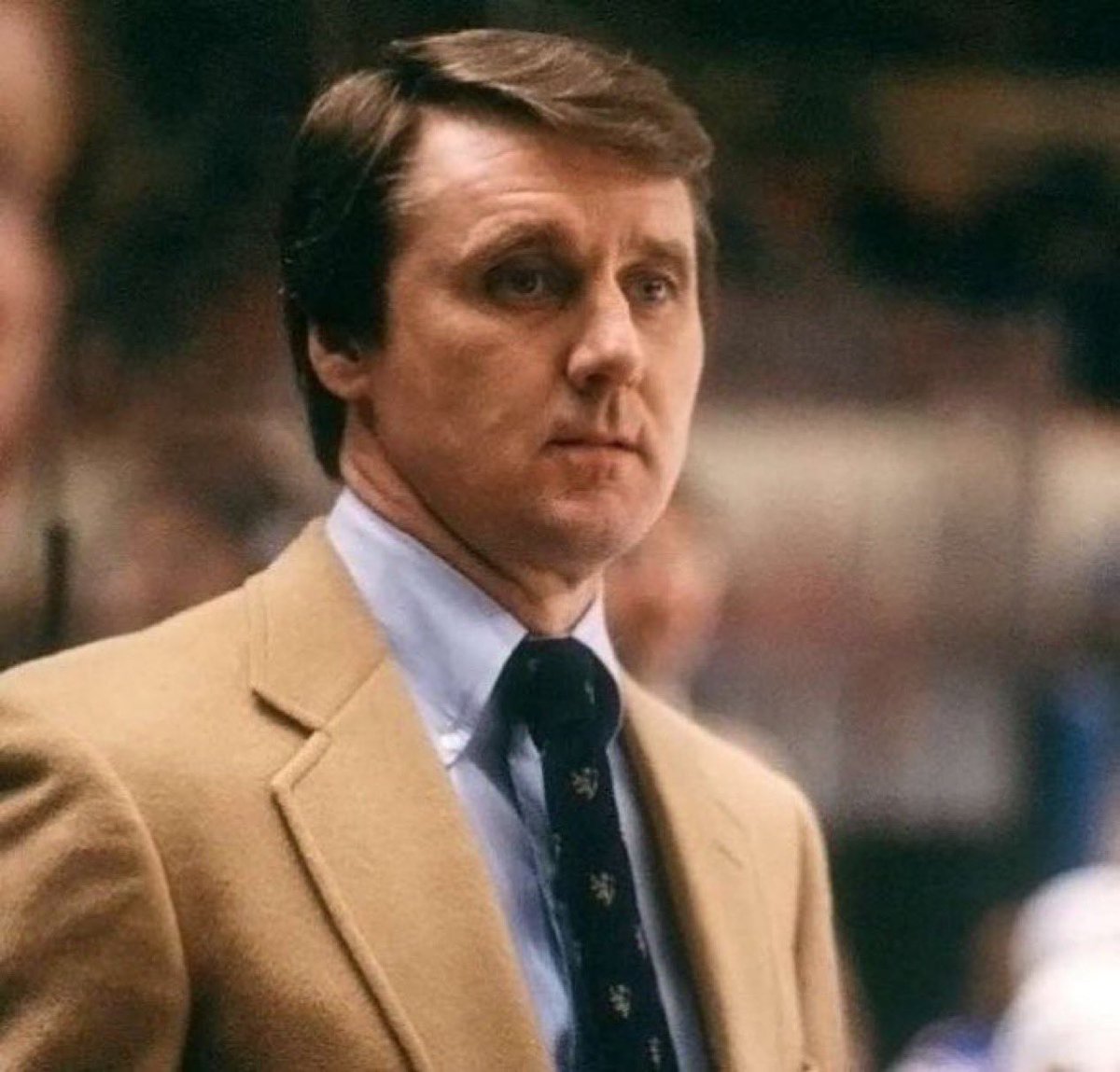
"If we played them ten times, they might win nine. But not this game, not tonight. Tonight, we skate with them. Tonight we shut them down because we can. Tonight, we are the greatest hockey team in the world."
- Herb Brooks, today in 1980
A decade ago, @usahockey started its 51 in ‘30 initiative, reshaping how it develops goalies.
Since, the U.S. has produced some of the best goalies in the world and entered this tournament with the strongest goalies.
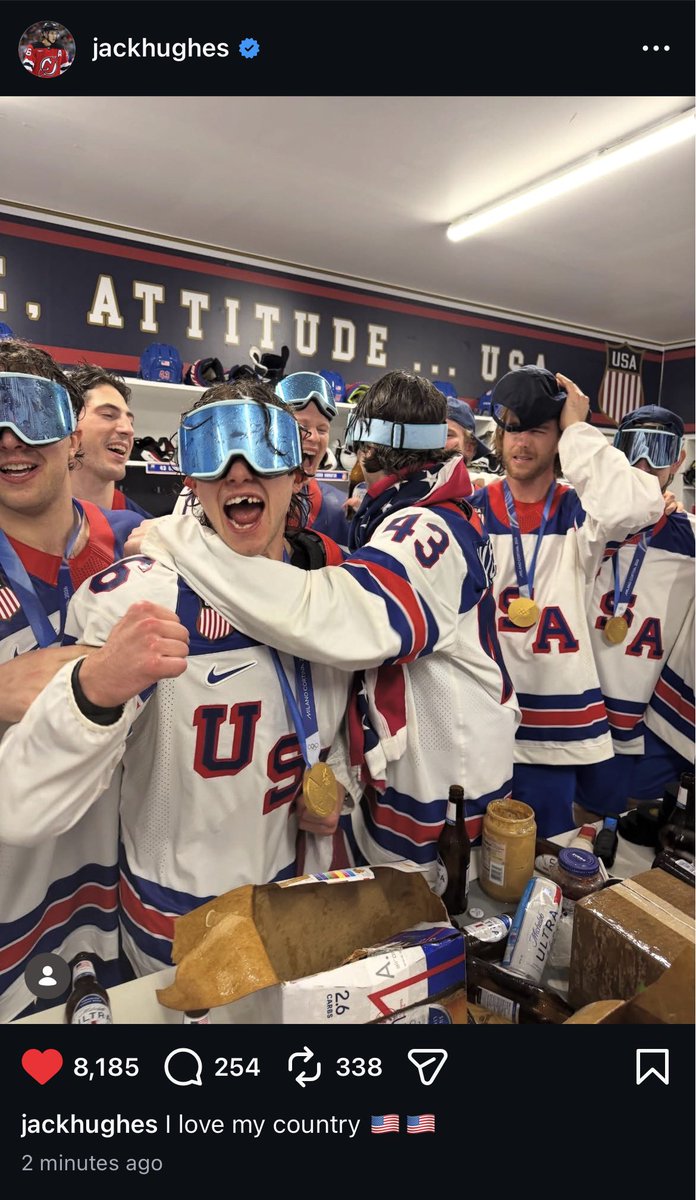
Goaltending just delivered the first gold medal in 46 years.