‘HELP(2)’ — the new collaborative album to support @warchilduk — is out now. The album features DM’s cover of ‘Universal Soldier’, among tracks from other amazing artists.
#DepecheMode
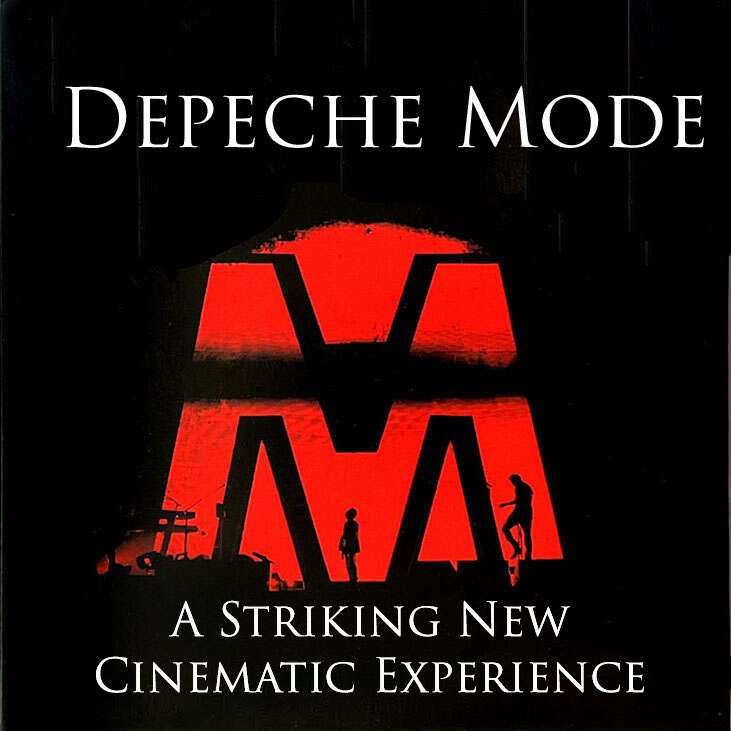
#DepecheMode has announced an expressive and dynamic cinematic film titled Depeche Mode: M, featuring interstitials and archival footage from the band’s Mexico City shows on the 2023-2024 Memento Mori Tour.
The feature-length film, conceptualized and directed by award-winning filmmaker Fernando Frias, takes audiences on a profound musical journey, using nearly 200,000 Mexican fans’ fervent connection with the band as a window into the band’s timeless global influence, and a powerful tribute to the unbreakable connection between music, tradition and the human spirit.
Through Frias’ creative lens, the cinematic experience weaves footage from the three sold-out shows at Mexico City’s Foro Sol Stadium to explore the parallels between the themes on Depeche Mode’s latest album Memento Mori and the deep connection to death and mortality in Mexican culture. Frias is best known for his award-winning film I’m No Longer Here, which won Mexico’s prestigious Ariel Academy Awards with 10 wins, including Best Picture and Best Direction. The film also earned Frias a DGA nomination for Outstanding Directorial Achievement. Additionally, it was Mexico’s submission to the Oscars in 2021 and was shortlisted for Best International Feature. His latest film, I Don’t Expect Anyone to Believe Me, premiered to critical acclaim.
Depeche Mode: M will premiere in theatres later this year and follows the band during its Mexico City stop during the Memento Mori Tour, which saw them play to more than 3 million fans at 112 shows around the world and was hailed by Rolling Stone as “a stunning celebration of life and music.” The tour followed Depeche Mode’s 15th studio album, Memento Mori, released in 2023 to wide critical acclaim. An indelible inspiration to fans, critics and artists alike, Depeche Mode continues to forge ahead, with the Memento Mori album and tour representing just the latest chapter of a peerless and ongoing legacy.
Depeche Mode: M is produced by Columbia Records, Anonymous Content and REDRUM. Sony Music Vision is the distributor.
👉🏻https://t.co/DCH1vupkM4
Today, March 19, 2025, marks exactly 35 years since the release of Depeche Mode’s seminal album *Violator*, a record that not only redefined the band’s career but also left an indelible mark on the landscape of modern music. Released on March 19, 1990, *Violator* is widely regarded as one of the most influential albums of its era, blending electronic textures, dark lyrical themes, and a newfound accessibility that propelled Depeche Mode from the fringes of synth-pop into the global mainstream. As we celebrate this milestone, it’s worth reflecting on the album’s creation, its impact, and its enduring legacy.
By the late 1980s, Depeche Mode—comprising Dave Gahan, Martin Gore, Andrew Fletcher, and Alan Wilder—had already established themselves as pioneers of electronic music. Albums like *Black Celebration* (1986) and *Music for the Masses* (1987) showcased their ability to marry moody, introspective songwriting with innovative soundscapes. However, *Violator* represented a pivotal evolution. The band, alongside producer Flood and engineer François Kevorkian, crafted a sound that was both polished and raw, intimate yet universally resonant. Recorded across studios in London, Milan, and Denmark, the album’s production was a meticulous process, reflecting a band at the peak of their creative powers.
*Violator* opens with “World in My Eyes,” a pulsating track that sets the tone for the album’s seductive yet haunting atmosphere. Martin Gore’s songwriting shines throughout, delving into themes of desire, sin, redemption, and existential yearning. Tracks like “Personal Jesus,” with its bluesy guitar riff and provocative lyrics, challenged conventional notions of faith and power, while “Enjoy the Silence,” perhaps the album’s most iconic song, offered a melancholic meditation on the fragility of peace and connection. The latter became a global anthem, its minimalist synth lines and Gahan’s emotive vocals striking a chord with listeners worldwide.
What makes *Violator* stand out, even 35 years later, is its remarkable balance of experimentation and accessibility. Songs like “Policy of Truth” and “Halo” weave intricate layers of sound—industrial beats, lush synths, and subtle guitar flourishes—while remaining undeniably catchy. Meanwhile, the album’s closing track, “Clean,” serves as a brooding, introspective coda, hinting at the personal struggles the band members faced behind the scenes. This duality—darkness wrapped in beauty—became Depeche Mode’s signature, and *Violator* perfected it.
The album’s release in 1990 was a cultural moment. It arrived at a time when the music world was shifting—grunge was on the horizon, and the dominance of 1980s synth-pop was waning. Yet *Violator* bridged these worlds, appealing to alternative audiences, club-goers, and mainstream radio alike. Its commercial success was staggering: the album reached number 7 on the Billboard 200, spawned multiple hit singles, and fueled the band’s ambitious “World Violation Tour.“
Beyond its immediate impact, *Violator* has proven timeless. Its influence can be heard in countless artists across genres—from Nine Inch Nails’ industrial edge to The Weeknd’s moody, electronic R&B. The album’s aesthetic—both sonic and visual, with Anton Corbijn’s stark, evocative artwork and music videos—helped shape the alternative culture of the 1990s and beyond.
As we look back on 35 years of *Violator*, it’s clear that the album is more than just a collection of songs—it’s a testament to Depeche Mode’s ability to evolve while staying true to their core identity. For a band once dismissed as mere synth-pop outsiders, *Violator* was a bold declaration of artistic maturity, a work that transcended its time and continues to inspire. Whether you’re a longtime devotee or a newcomer, revisiting *Violator* today feels as fresh and vital as it did in 1990—a reminder of music’s power to connect, provoke, and endure.