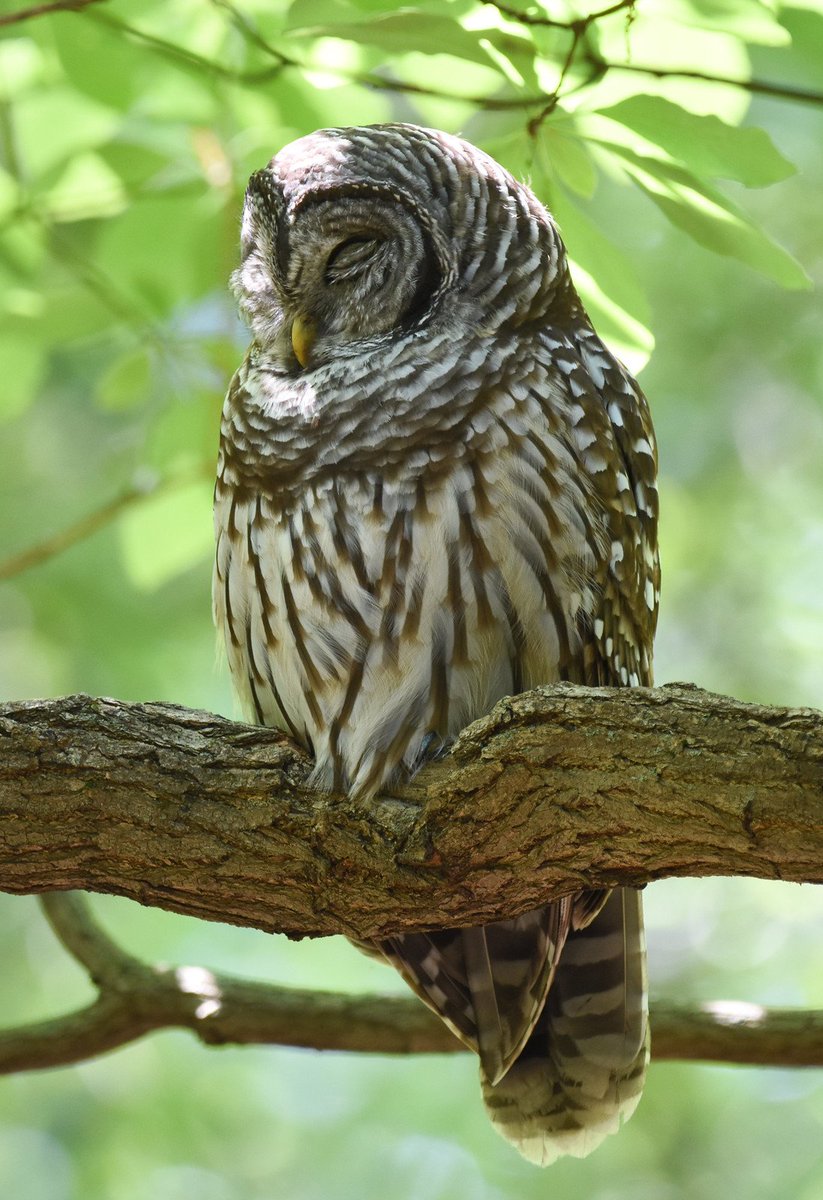
It's the barred owl!
Our barred owl is a rehabilitated bird that came to us from Michigan State University. He was under the care of the vet department and could not be released due to his injuries. We believe that he was born in 2012.
Ruby-throated hummingbirds are beginning their trek to wintering grounds in Central America. Impressively, many get there by flying over the Gulf of Mexico! Photo courtesy of Gordon Garcia.
Beautiful morning at the Shiawassee National Wildlife Refuge! Watch and hear why the Great Lakes Restoration Initiative is so important here and across Michigan.
Barred owls are known to sleep about 30% of each hour during the daytime. Shady deciduous trees and cavities help reduce heat stress and keep them safe when they rest. https://t.co/JbSfcIOmjy
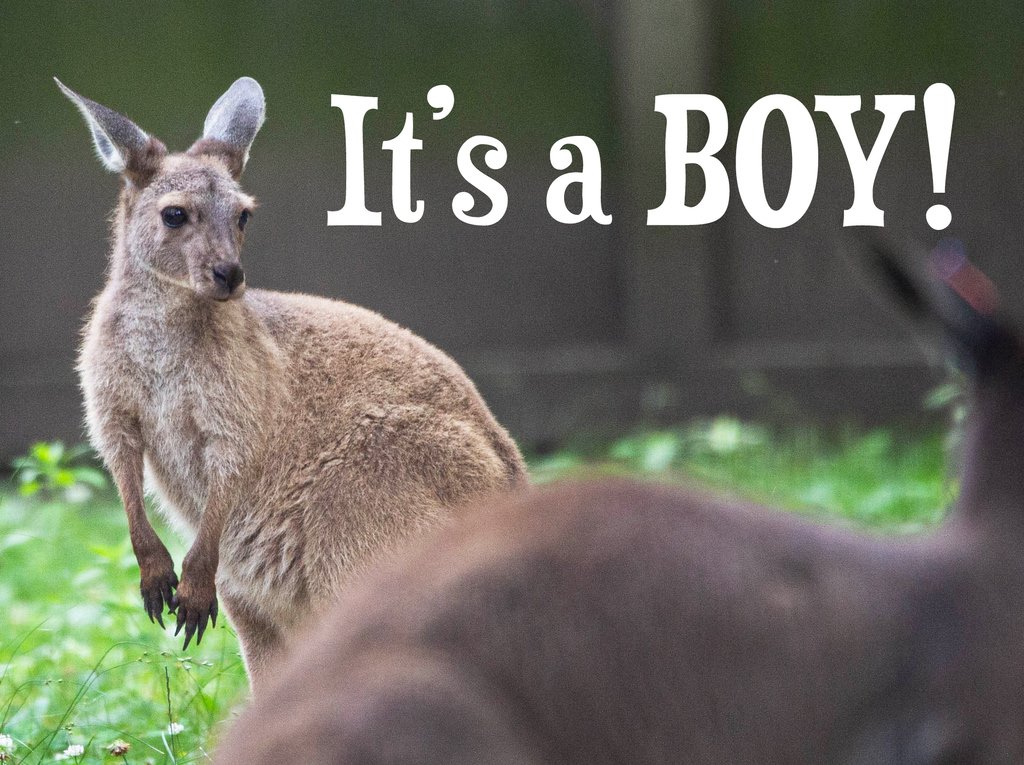
💙 The western grey kangaroo joey that first appeared in May is officially a boy! 💙
We do not know what we're going to name the little fellow quite yet. Retweet this with your suggestions!
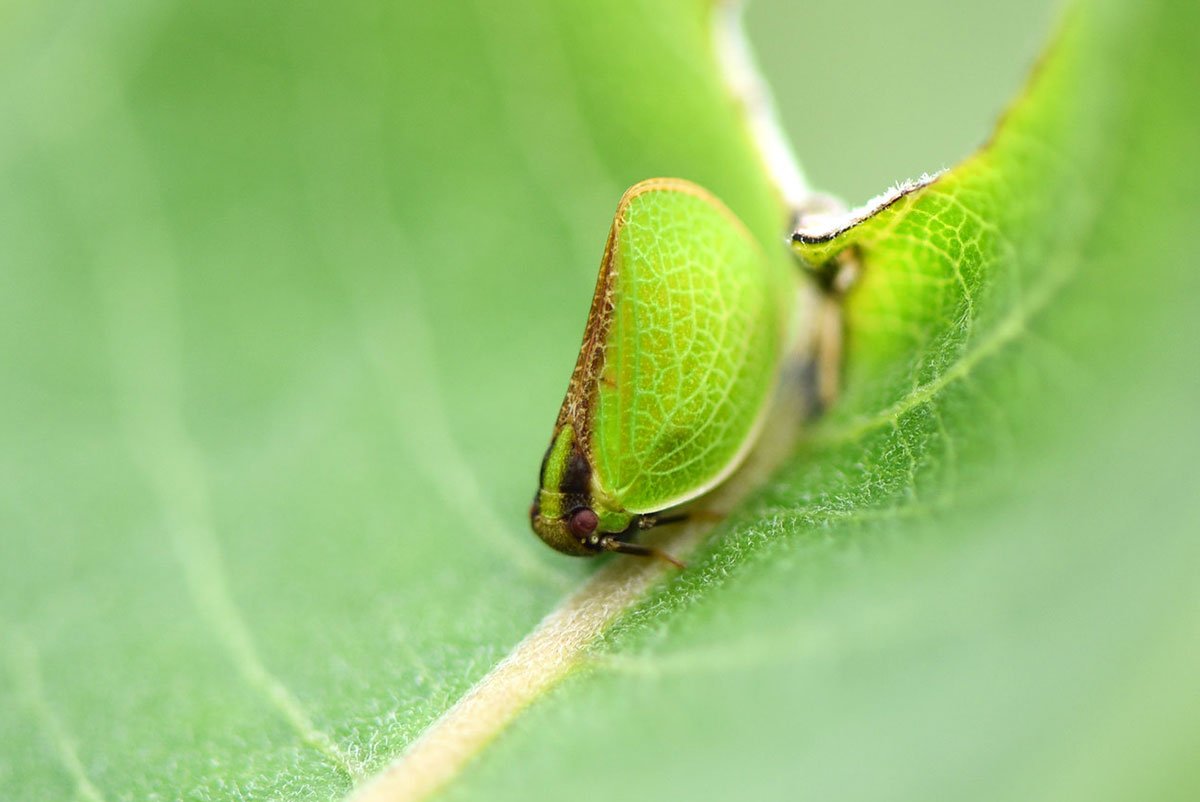
There are more than 12,500 known species of planthoppers worldwide. These insects typically blend in, often looking like leaves. Their name comes from their behavior of hopping to get around.
#TreeIDTuesday White spruce "Picea glauca" is an evergreen conifer that can grow up to 60 feet tall and is a slow growing tree. White Spruce has the smallest cones of any of the common spruces, usually two inches or less in length.
Photo credit: ODNR Division of Forestry
There’s nothing like a swim on a hot summer day - even wildlife can’t resist! This elk was spotted enjoying the water and lotus flowers, though we can’t recommend eating while swimming. https://t.co/NUyAYocE2p
We hope that the next “Men in Black” – it was released on this day in 1997 – features a black bear. Despite the name, back bears can also be brown, gray, even occasionally cream – black with a brown muzzle is the most common.
Photo of American black bear cub by Tina Shaw/USFWS
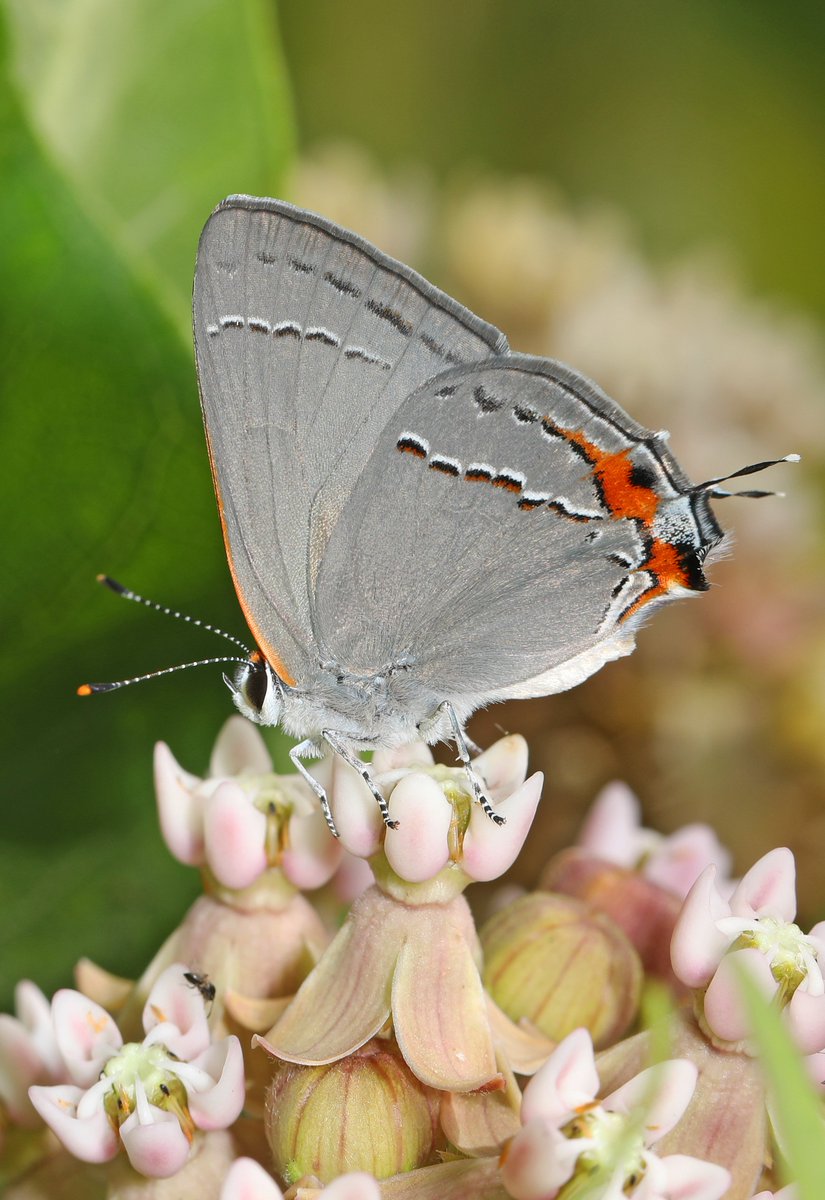
Monarch butterflies aren’t the only insects that depend on milkweed. Check out this beautiful gray hairstreak butterfly fueling up on nectar. These native insects also feed on dogbane, mint and goldenrod. https://t.co/AzE0R2VWzj
Help beautify your local zoo by joining our "Adopt a Garden" program! We have a few more spots available for "adoption" this season for individuals, families, groups or businesses!
Visit the website to learn more: https://t.co/pl0Rj6MB9f