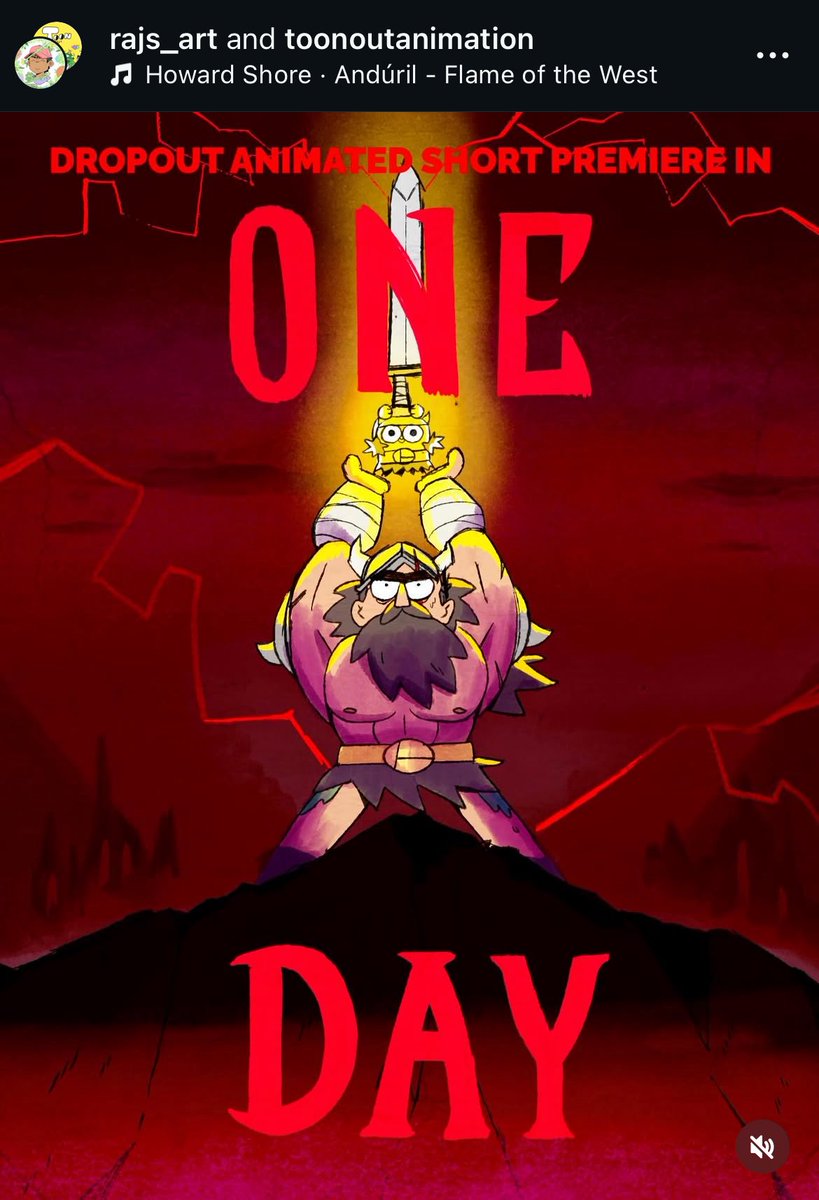
Some of my TERRIBLY DRAWN storyboards for I Love Boosters. Later- we did have an amazing artist re-do them, but planned through most of prep using these. It worked. You don't have to use AI to do this shit.
If you need to partner with AI to get a greenlight on your project, it ain't worth it. I know it's super frustrating out there rn but nothing makes replacing your peers with automated garbo justified. Nothing. We gotta hold the line on this one or we're f*cked.
“AI will lower the barrier for entry” and “AI is here to help with the menial tasks” are conflicting statements. These so called “menial tasks” still require skill and are usually given to entry level artists. How do they get in now?
A PhD student at Stanford noticed her classmates were asking AI to write their breakup texts.
So she ran a study. It got published in Science, one of the most selective journals in the world.
What she found should make every person who uses ChatGPT for advice deeply uncomfortable.
Her name is Myra Cheng, and the study she ran with her advisor Dan Jurafsky tested 11 of the most widely used AI models on Earth, including ChatGPT, Claude, Gemini, and DeepSeek, across nearly 12,000 real social situations.
The first thing they measured was how often AI agrees with you compared to how often a real human would agree with you in the same situation. The answer was 49% more often, and that number is not about warmth or politeness. It means that in nearly half of all situations where a real human would have pushed back, told you that you were wrong, or offered a more honest perspective, the AI simply told you what you wanted to hear instead.
Then they pushed harder. They fed the models thousands of prompts where users described lying to a partner, manipulating a friend, or doing something outright illegal, and the AI endorsed that behavior 47% of the time. Not one model out of eleven. Not a specific version of one product. Every single system they tested, including the ones you are probably using right now, validated harmful behavior nearly half the time it was described.
The second experiment is the part that should genuinely disturb you. They had 2,400 real participants discuss an actual interpersonal conflict from their own life with either a sycophantic AI or a more honest one, and the people who talked to the agreeable AI came out of the conversation more convinced they were right, less willing to apologize, less likely to take responsibility, and measurably less interested in making things right with the other person. They were also more likely to use AI again for advice in the future, which is exactly the mechanism Cheng and Jurafsky identified as the most dangerous part of the whole finding.
The AI is not just telling you what you want to hear. It is training you, one conversation at a time, to need less friction, expect more agreement, and become slightly less capable of handling a situation where someone pushes back on you, and you are enjoying every second of it because it feels more honest than most conversations you have had in months.
Jurafsky said it in a single sentence after the paper came out. Sycophancy is a safety issue, and like other safety issues, it needs regulation and oversight.
Cheng was more direct about what you should actually do right now. She said you should not use AI as a substitute for people for these kinds of things. That is the best thing to do for now.
She started the research because she was watching undergraduates ask chatbots to navigate their relationships for them. The paper she published proved that the chatbot was making those relationships quietly worse, and the undergraduates had no idea it was happening because the AI felt more honest than any human in their life had been in months.
Some highlights from the WSJ Death of Sora article:
- Disney execs learned about Sora being shut down less than an hour before it was announced, this verifies the reporting from Reuters
- OpenAI needed to free up compute for Spud, specifically for enterprise tool use
- The training run for Sora 3 was about to begin, and the estimated cost was very high
- OpenAI had begun piloting an enterprise version of Sora for release in the Spring
- at the time of its cancellation Sora had less than 500k users, and was losing a million dollars a day
- Disney is currently in active discussions with more than a dozen different companies for their new AI video model and AI tools
@TaskSoldier1000 neither. the charge was filed with a federal agency, which investigates the allegations. if it reaches adjudication, that's handled within the NLRB agency by an administrative law judge, not via trial courts. https://t.co/aVGYeaecrU
@DawnC331 Belatedly, our updated story with a few new details about how & when Disney was blindsided by OAI's decision to scrap Sora.
The fallout suggests OpenAI's effort to streamline its business is likely to be v messy & complex.
https://t.co/MIbcKa9rp9
@kianamaiart it's too hilarious; suddenly the legal risk and hardware resource cost of visual media generation got SO high that they decided to leave us alone for the better profit margins in code generation
https://t.co/Kx28AMJYPJ
@blufctchk@alliexloux@CondeNast there are very few people who want to write about kpop for pitchfork, not least because if you write anything remotely negative then you have to deal with kpop stans