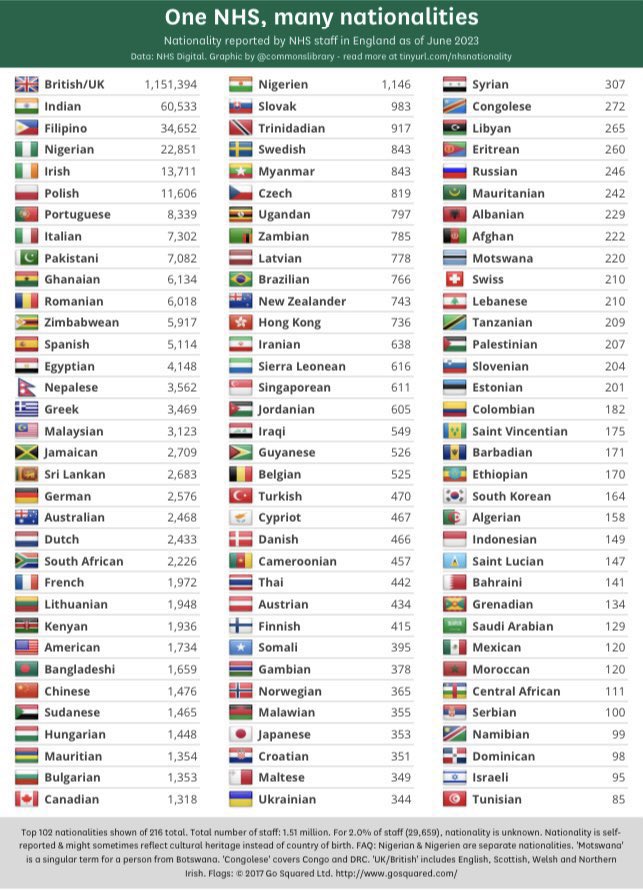
Just a reminder that from the day it launched on 5 July 1948, the NHS has relied on staff from across the world - from the Windrush Generation of 1948 to today’s workforce, represented by over 200 nationalities.
Thank you to each and every one of them!
https://t.co/RrGGSs2r5T
This Just giving page has been set up by Swifties.
The money goes to Alder Hey to help raise money for all those affected by what happened yesterday in Southport.
Please donate if possible and please RT
Please do not sit on the fence!
As someone once said, the most powerful thing we own is our vote.
And, when you do, think of the most vulnerable person you know, and vote in their best interests.
#GeneralElection24
@Mersey_Care Absolutely delighted about this! reflects on all the hard work undertaken to embrace PSIRF in our Clinical Divisions too @panchufxavier@Davies74E
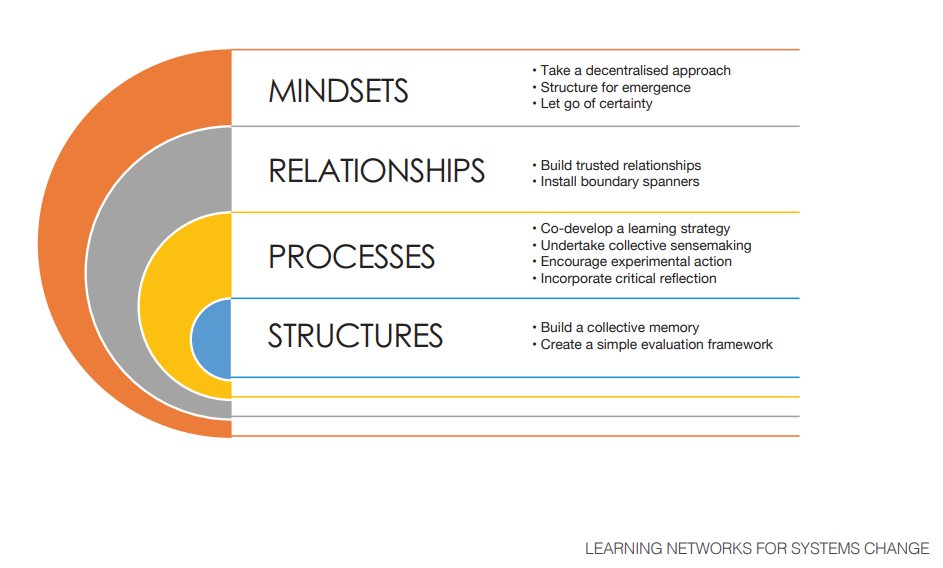
How can we build a culture of learning at scale? There's an increasing focus on ‘learning networks’ (as well as, or instead of, learning within organisations). It's built on a sense we need to support learning to occur across scales & boundaries - from the individual to system-wide. How to develop an effective learning network:
1) Take a decentralised approach: create a network of diverse experiences and voices.
2) Structure for emergence: create some "simple rules" that foster the exchange of knowledge and the emergence of new ideas, behaviours, actions & connections.
3) Let go of certainty: help network members to see learning (and unlearning) as a strength rather than a threat.
4) Build trusted relationships: create processes to foster ties & trust across the network.
5) Invite ‘boundary spanners’ (people who have connections across other networks): support those who are not ‘inside the tent’ including reframing their role in the learning process & the value they bring
6) Co-develop a learning strategy: give all members the opportunity to be part of collaborative decision-making.
7) Regard learning together (collective sensemaking) as "real work": learning should inform action in real time and be done in context, rather than abstract ‘learning time’ outside the system or the work.
8) Encourage network members to take experimental action: start with small tests.
9) Incorporate critical reflection: Develop methods of surfacing differences in how a group sees, understands, & responds to situations.
10) Build a collective memory: Define processes for capturing, distilling, applying & sharing knowledge.
11) Create a simple evaluation framework: e.g., how people work together, new behaviours & practices, confidence & capability to engage with difference & unlearn.
https://t.co/hK3AY74BFd. By @theasnow. See also https://t.co/C6i08msBnq by @orangecompassAU
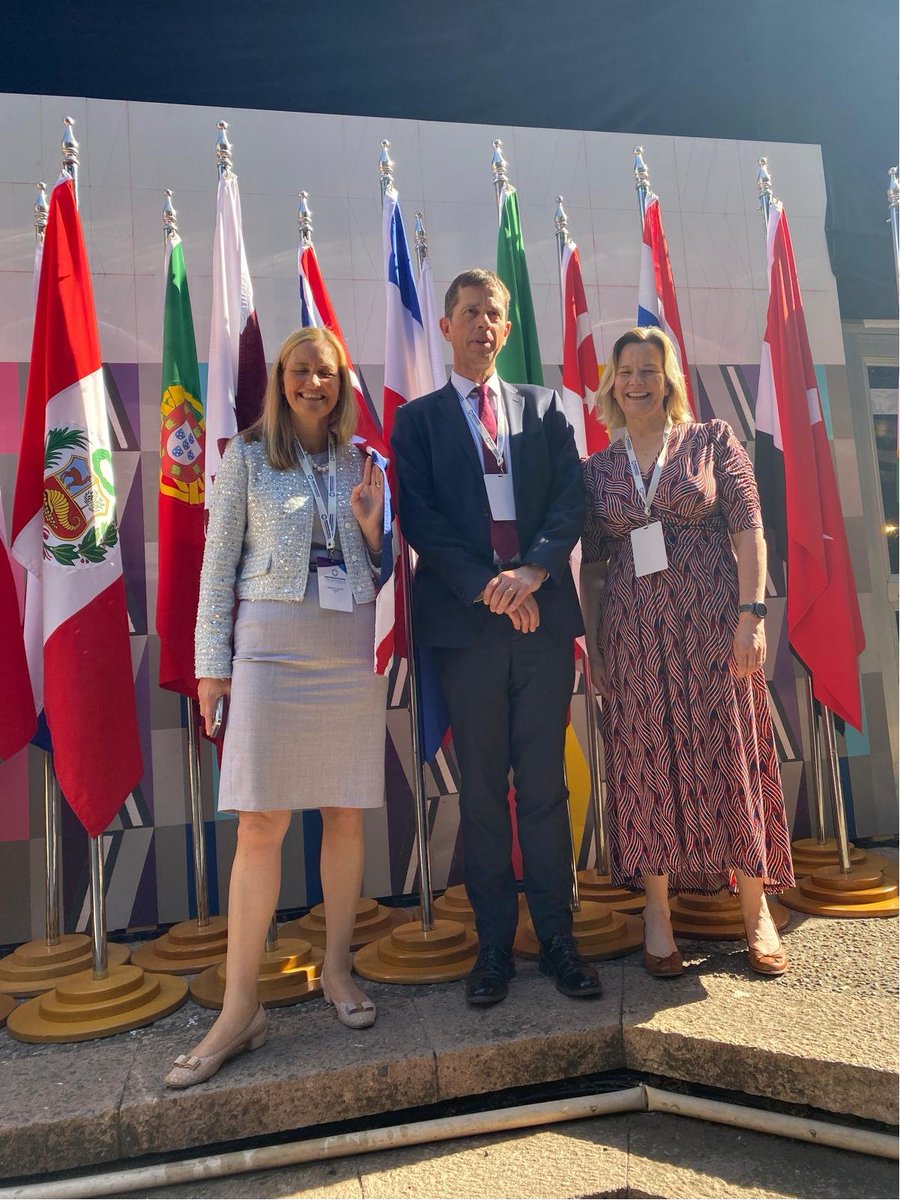
Pleased to witness the launch of WHO Patient Safety Human Rights Charter today at the Chile ministerial summit and celebrate with NHSE National Patient Safety Director Aidan Fowler and HSSIB CEO Rosie Benneyworth #patientvoice