I love stories such as Bouba’s! A young Senegalese basketball fan, who came to Kigali for @theBAL games, fell in love with the country and decided to invest. He’s the proud owner of #Greenride, an e-transport company that is also the official transport partner of #BAL Season 6.
Ahead of their departure to Uganda, Our men’s U19 and other players received cricket spikes through the support of ME+U and Bat4AChance in partnership with the Rwanda Cricket Association.
#GrowingWithEveryStep#RwandaCricket@CricketBuilds@me_plusu
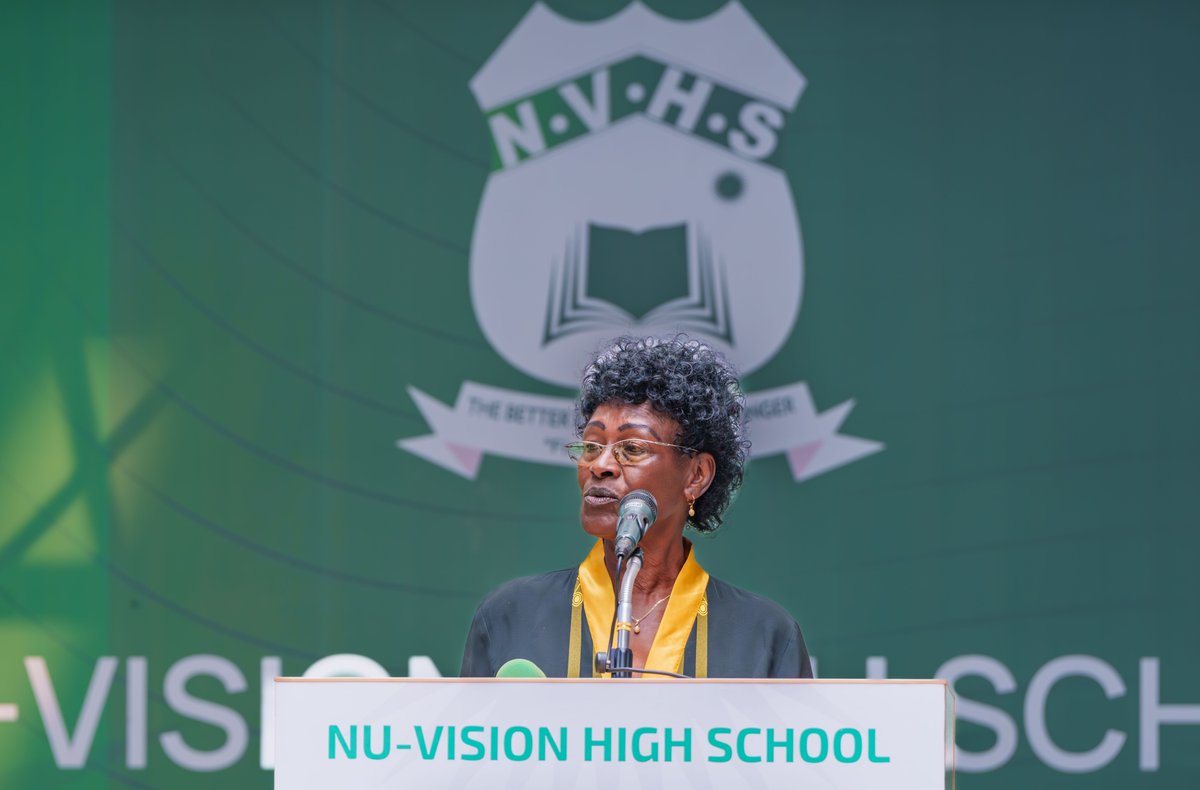
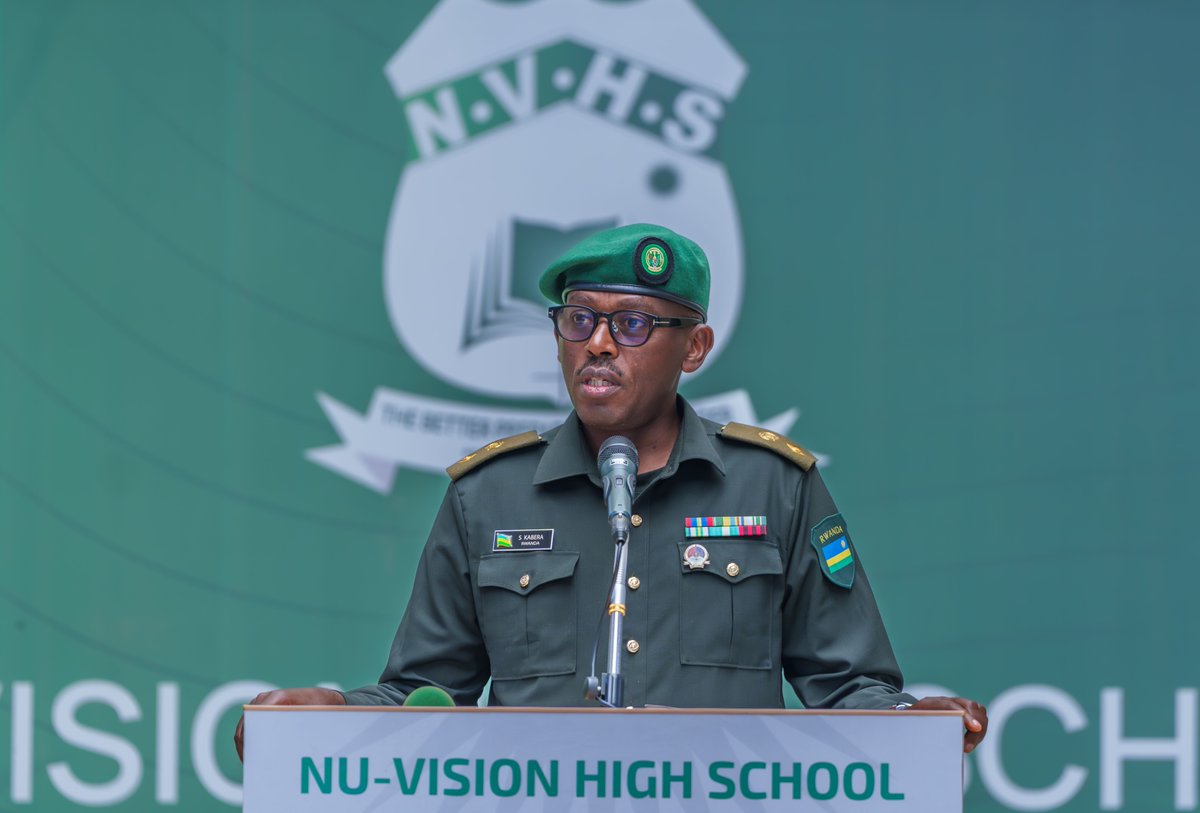
The Deputy Defence Spokesperson, Lt Col Simon Kabera, today joined more than 1200 students and teachers of Nu-Vision High School in honouring the victims of the 1994 Genocide against the Tutsi.
Addressing students, Lt Col Kabera explained the stages through which the genocide was planned and executed, and highlighted the role of the Rwanda Patriotic Army (RPA) in stopping the genocide against the Tutsi when the international community failed to intervene.https://t.co/BeCwnbQmUR
=======================
Umuvugizi Wungirije w’Ingabo z’u Rwanda, Lt Col Simon Kabera, uyu munsi yifatanyije n’abanyeshuri n’abarimu barenga 1200 bo muri Nu-Vision High School mu guha icyubahiro abazize Jenoside yakorewe Abatutsi mu 1994.
Mu ijambo yagejeje ku banyeshuri, Lt Col Kabera yasobanuye ibyiciro Jenoside yakorewe Abatutsi yateguwemo ikanashyirwa mu bikorwa, anagaragaza uruhare Ingabo za RPA zagize mu guhagarika Jenoside yakorewe Abatutsi mu gihe amahanga yananiwe gutabara.https://t.co/qESdx1iivK
#PSATF2026 During the official opening of the 5th Public Sector Accountability Training Forum, the ICPAR President emphasized the importance of accountable public finance systems in improving service delivery and advancing Rwanda’s long-term development goals.
“Strengthening accountability, improving internal controls, enhancing audit follow-up, and ensuring the efficient use of public resources remain key national priorities in sustaining progress.”
FCPA Obadiah R. Biraro, President, ICPAR
“If there are no excuses, then there is only one thing left for us to do: act.” Jean Baptiste Sande, Accountant General, @RwandaFinance
In his introductory remarks at the Public Sector Accountability Training Forum, the call was clear: accountability must go beyond discussion and translate into measurable action, stronger institutions, and improved service delivery for citizens.
On Day 2 of the #GlobalPartnerships Conference, Minister @godfreykabera joined Finance Ministers in a roundtable on the global, regional and national impacts and risks of the Iran conflict. He highlighted the importance of financing mechanisms at the global and regional level to enable countries navigate crises and also emphasized the importance of effective response systems at national level that cut across sectors, engage citizens and protect the vulnerable.
Rwanda signed agreements on civil nuclear cooperation with the United States and U.S. company Holtec International on Tuesday, as it assesses the potential for deploying small nuclear reactors to boost its power supply and support economic growth. https://t.co/5292lKrjxQ
In the closing keynote of #TheIIA International Conference 22-24 June, Sophia the robot will discuss the future of human and #AI collaboration. NEW: Attend #IIAIC2026 General Sessions virtually for just $599. Explore the Main Stage Virtual Pass.→ https://t.co/z2MKbgRXWF
#PSATF2026
Big conversations need the right people in the room and this panel brings exactly that.
Get ready for a high impact peer to peer learning session featuring Peter Bagirishya, @hitimanajp , @jmwangikaranja , and @mkombozik as they dive into effective audit processes coordination and best practices.
Different sectors. Different experiences. One conversation focused on strengthening accountability and institutional performance through practical insight and honest discussion.
This is not the kind of panel you listen to quietly. It is the kind that sparks ideas, challenges perspectives, and leaves the audience thinking long after it ends.
Register now: https://t.co/tduC9zIshx
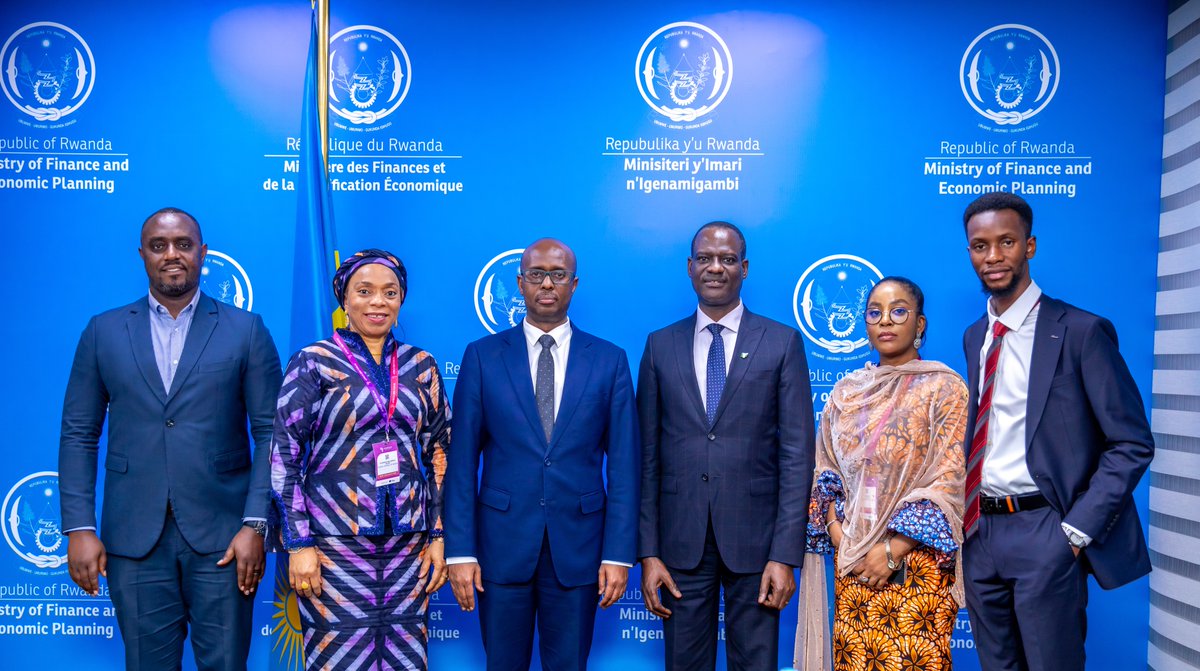
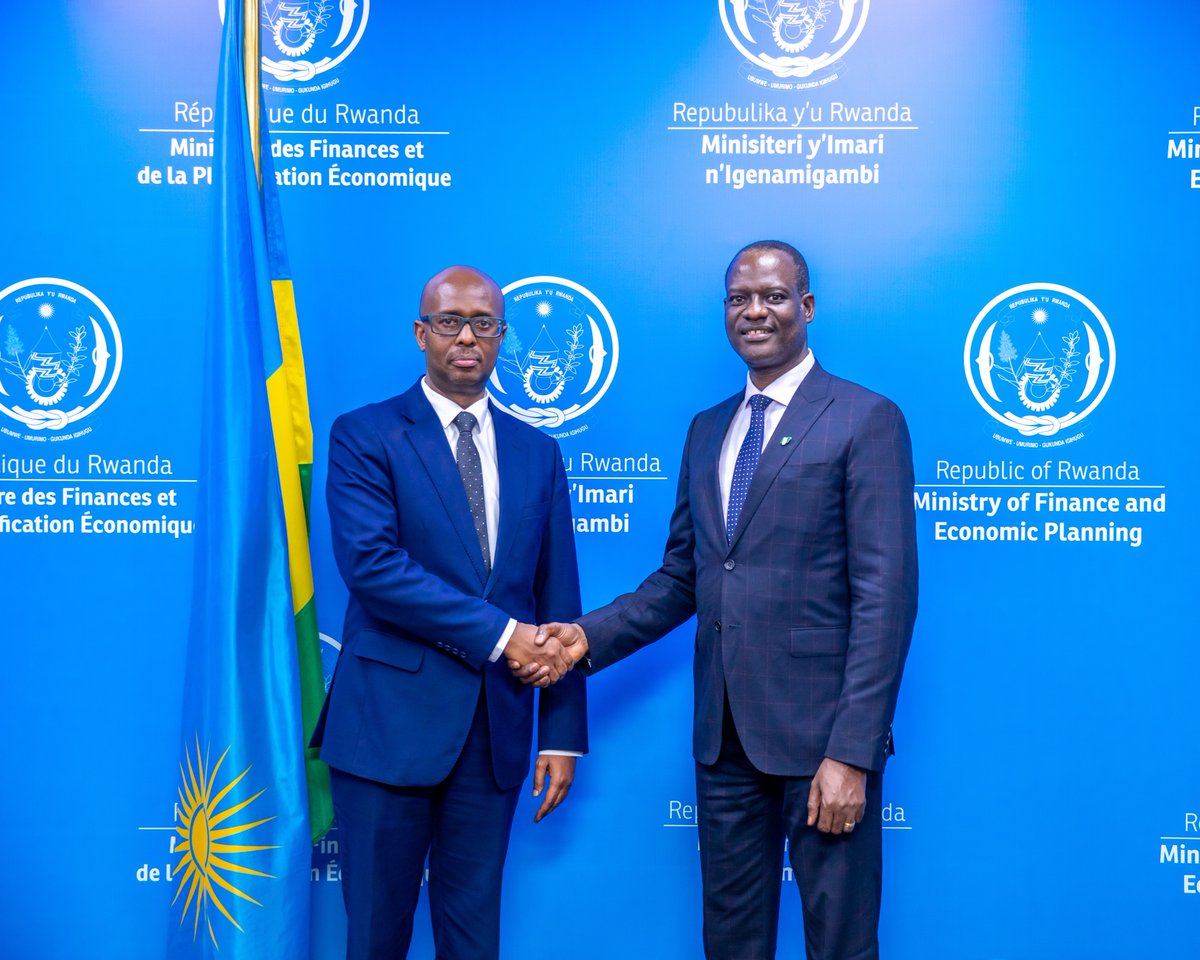
On the sidelines of the Africa CEO Forum, Minister @yusuf_murangwa held a courtesy call with Nigeria's Finance Minister @taiwoyedele. Discussions focused on matters of mutual interest, particularly in areas ofeconomic and bilateral cooperation between Rwanda and Nigeria.
Stronger ties. Bigger opportunities. 🇷🇼🤝🇳🇬
#RwandaNigeria #EconomicCooperation
Rwanda may be approaching the most important transition in its modern history. For nearly three decades, the country has been defined by recovery from genocide, institutional collapse, and one of the darkest moments in modern African history. Under President @PaulKagame, Rwanda rebuilt order, discipline, state functionality, and national confidence with remarkable speed. Kigali became a symbol of administrative efficiency, safety, cleanliness, and strategic planning in a continent where many states continue to struggle with institutional weakness.
But survival is not the final stage of nation-building. History shows that the systems which rescue nations during periods of existential danger are not always the same systems that sustain prosperity, innovation, and continuity across centuries. That is the transition Rwanda now faces.
The interesting comparison is not moral, but structural. The modern rise of the United Kingdom passed through periods of piracy, imperial violence, and the opium wars before Britain gradually transformed itself into a global power built increasingly on infrastructure, finance, engineering, universities, logistics, and institutional systems. London eventually became more powerful as a coordinator of capital than as a commander of armies.
Rwanda may now stand at a similar strategic crossroads. Its future power is unlikely to come from territorial size or military dominance, because Rwanda is too geographically constrained for that model. But geography can become an advantage when a country positions itself as a connector. Kigali has the potential to become the strategic coordination hub of the African Great Lakes region, linking eastern DRC’s mineral wealth, Uganda’s energy and agricultural systems, Burundi and Lake Tanganyika trade, Tanzanian transport corridors, and the wider East and Central African economies.
The region already possesses many of the foundations required for industrial acceleration: minerals, agriculture, hydro resources, youthful demographics, and growing infrastructure demand. What it has historically lacked is integrated coordination. Kigali could fill that gap through finance, technology, logistics, higher education, infrastructure planning, arbitration services, and regional capital organization.
Achieving this future requires Rwanda to evolve from a highly disciplined recovery state into an enduring institutional civilization. Long-term leadership in technology, infrastructure, finance, and innovation depends not only on order, but also on institutional resilience, succession certainty, productive freedom, and the ability of systems to outlast personalities. That may ultimately become Kagame’s greatest historical test: not whether he rebuilt Rwanda, but whether Rwanda can build institutions strong enough to outlive the generation that rescued it.
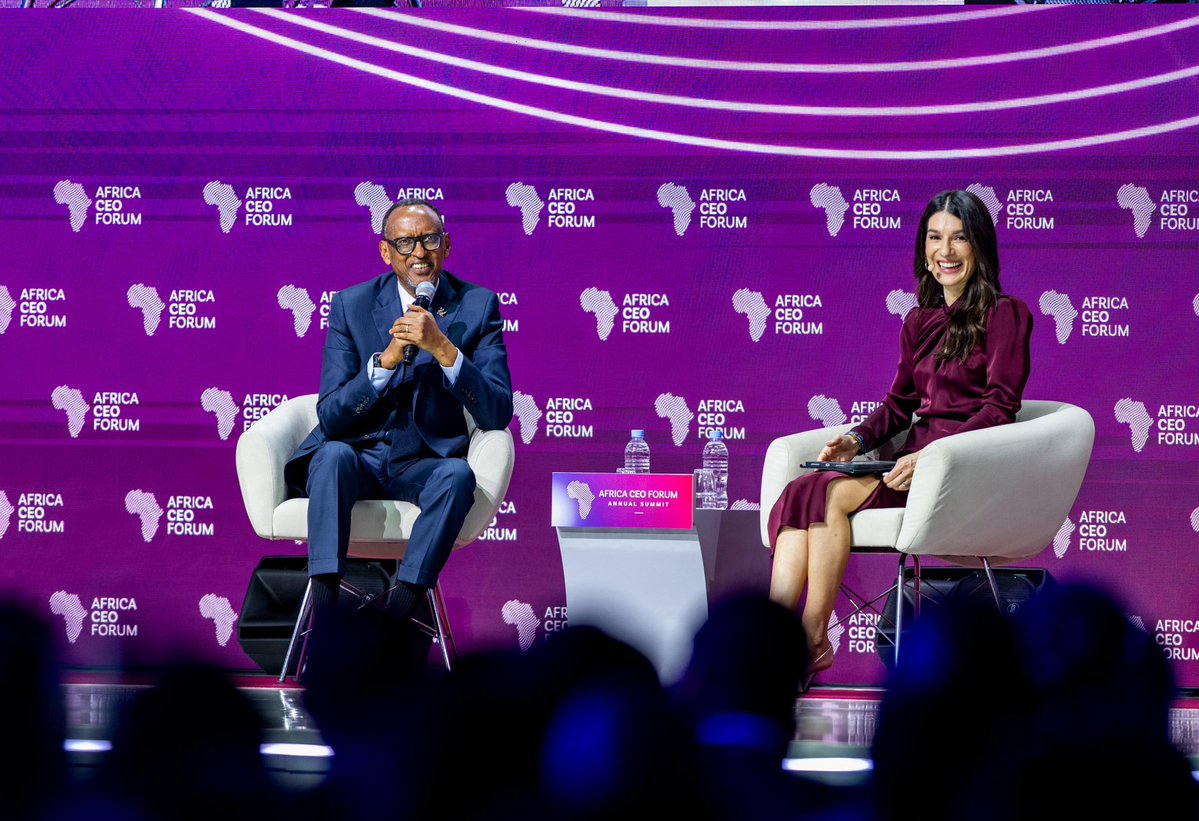
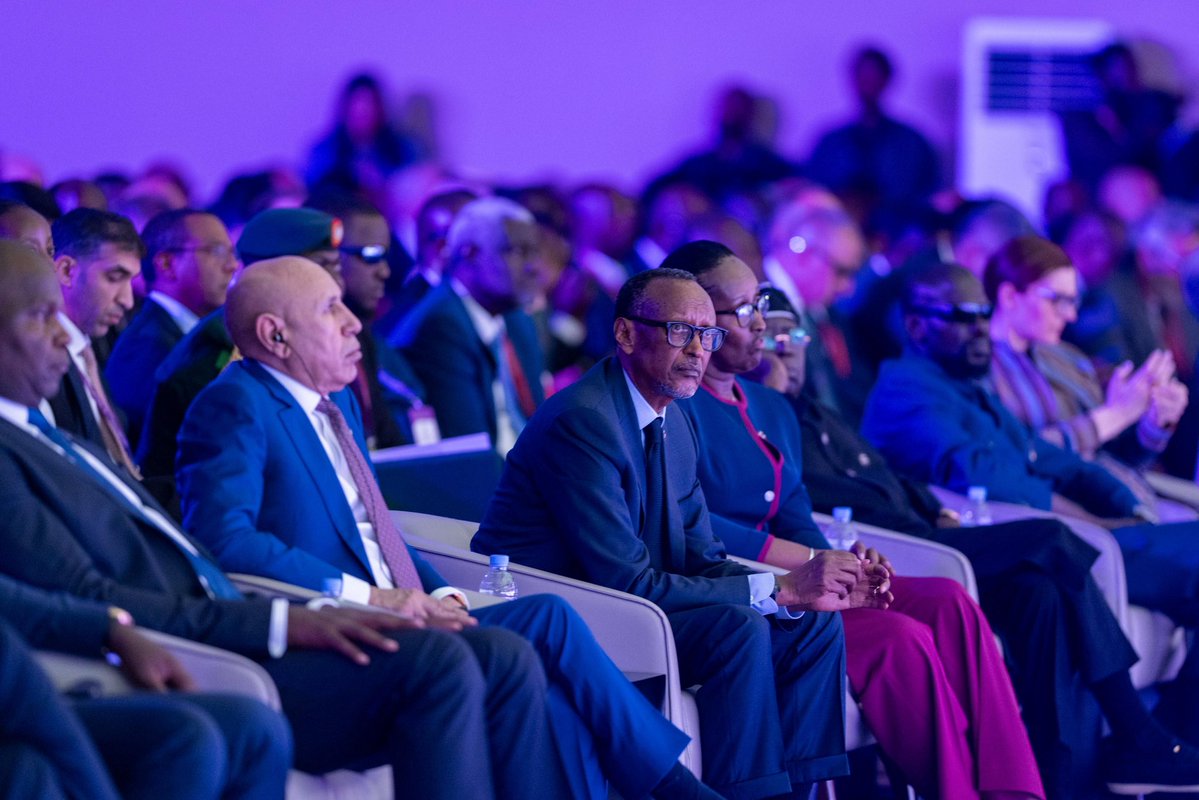
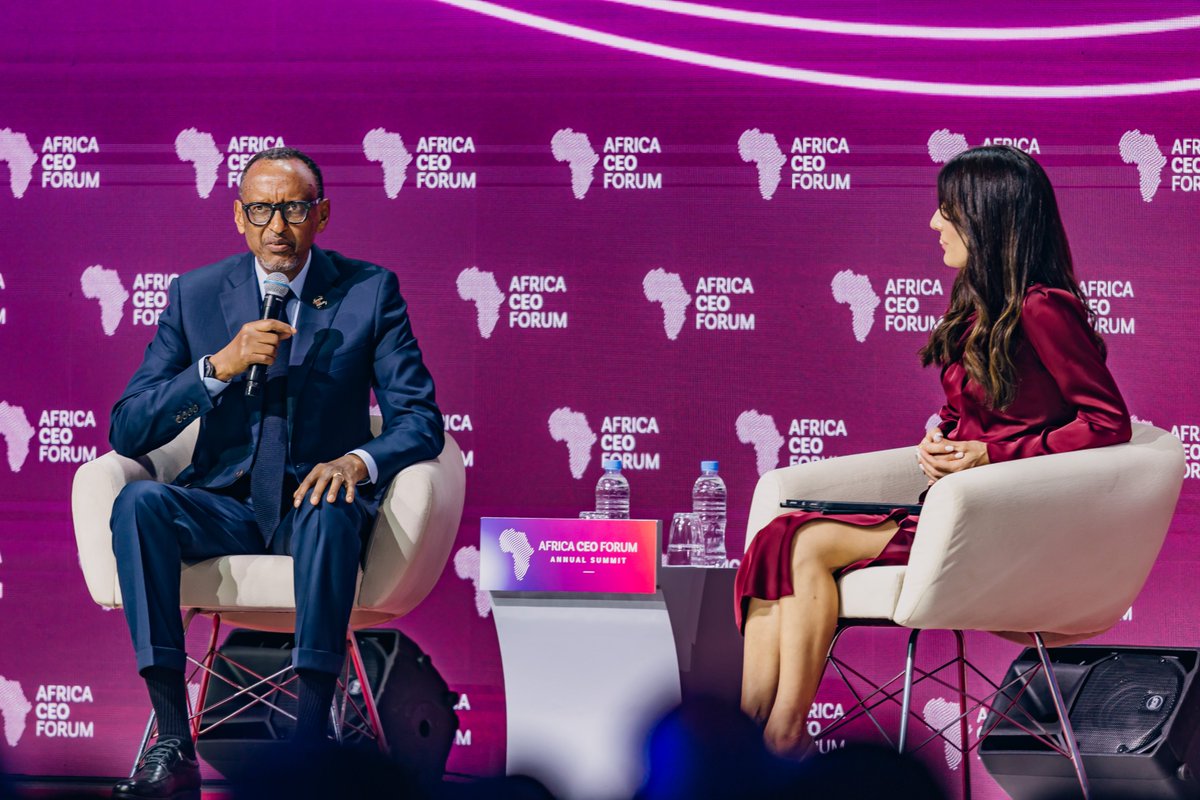
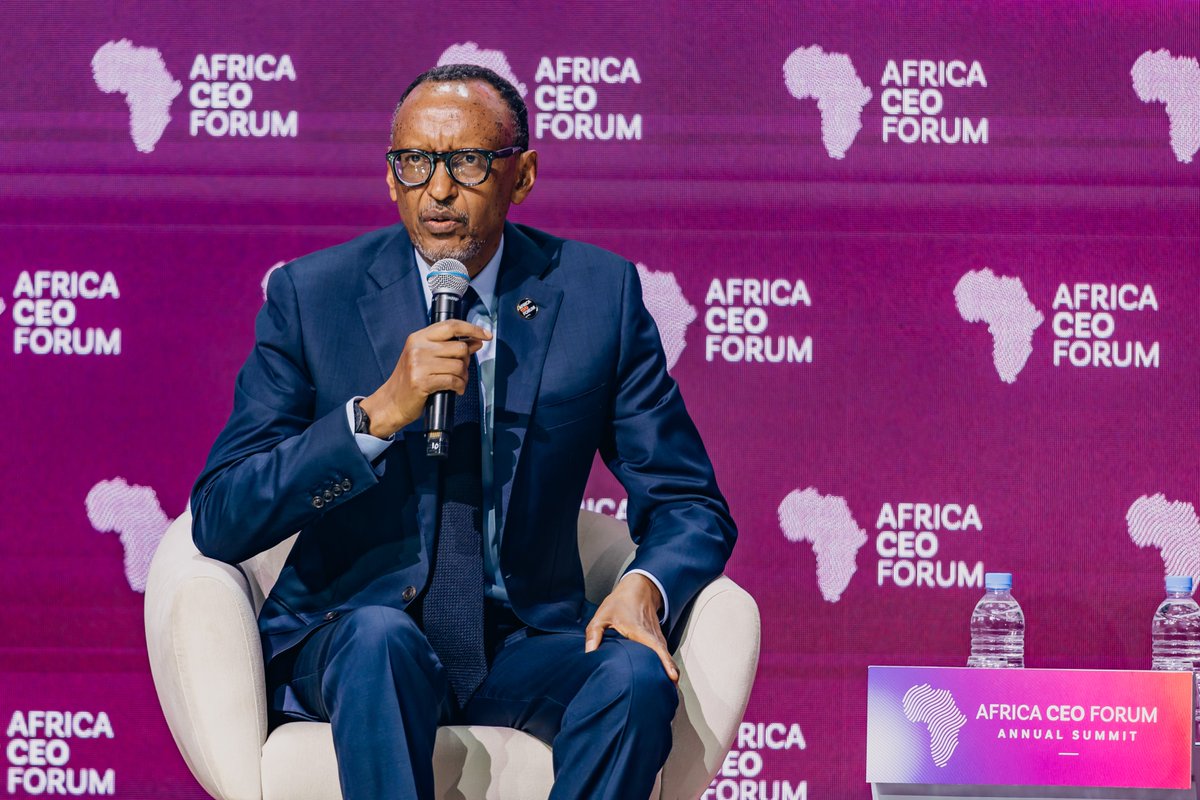
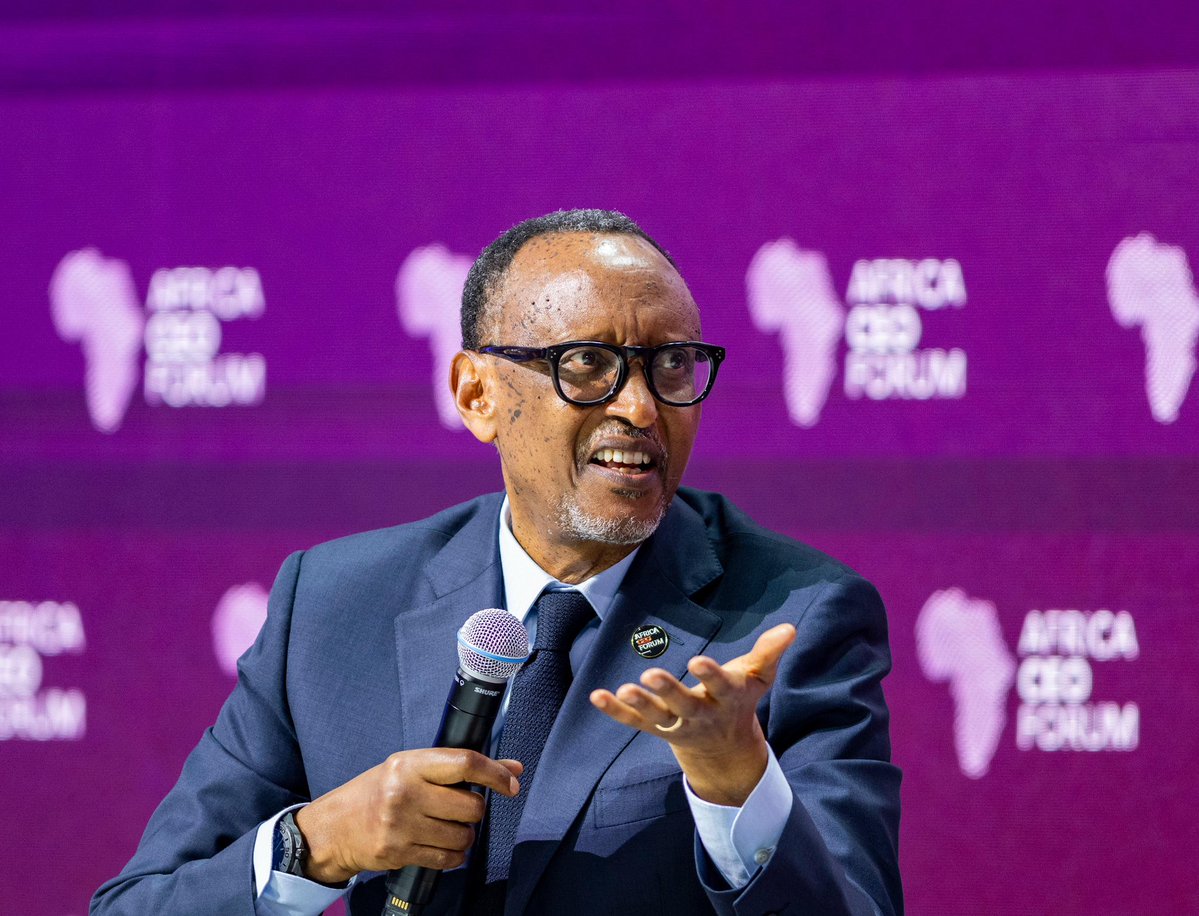
“These pressures, that we get from the rest of the world, Africa is being reminded to wake up. So the pressures are not entirely bad, they force Africa to look within for what we have. To actually do what we need to do to find a good place for us in this world of those injustices and other challenges.
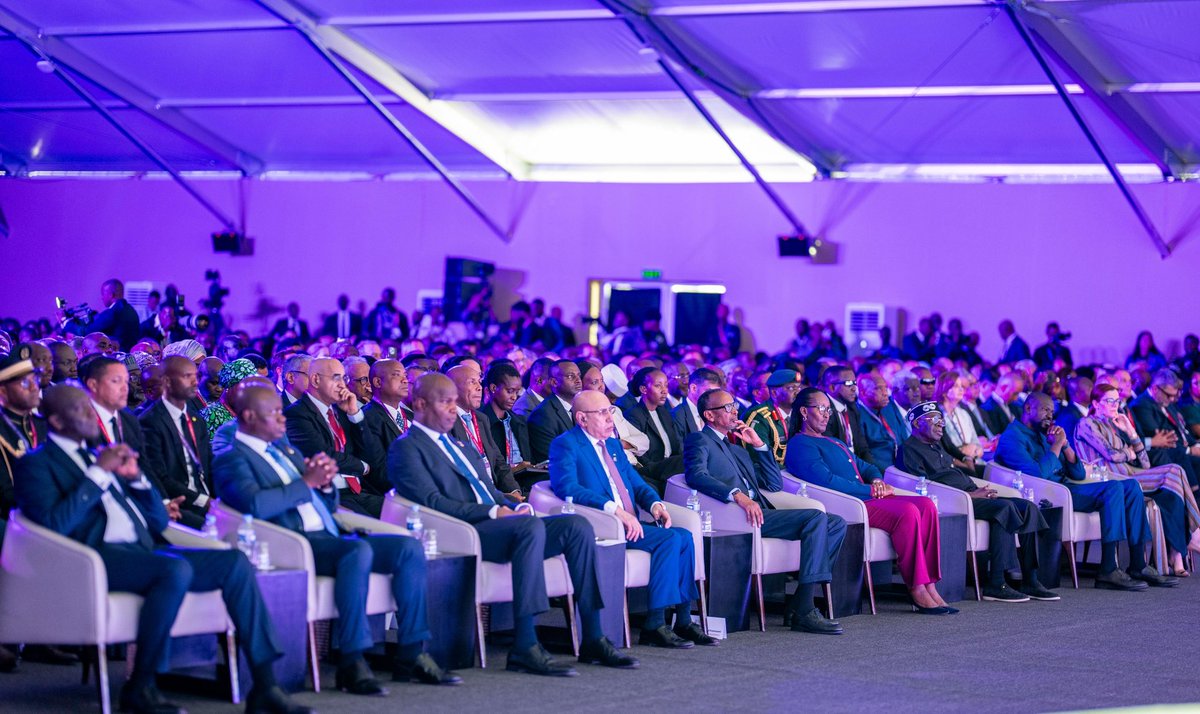
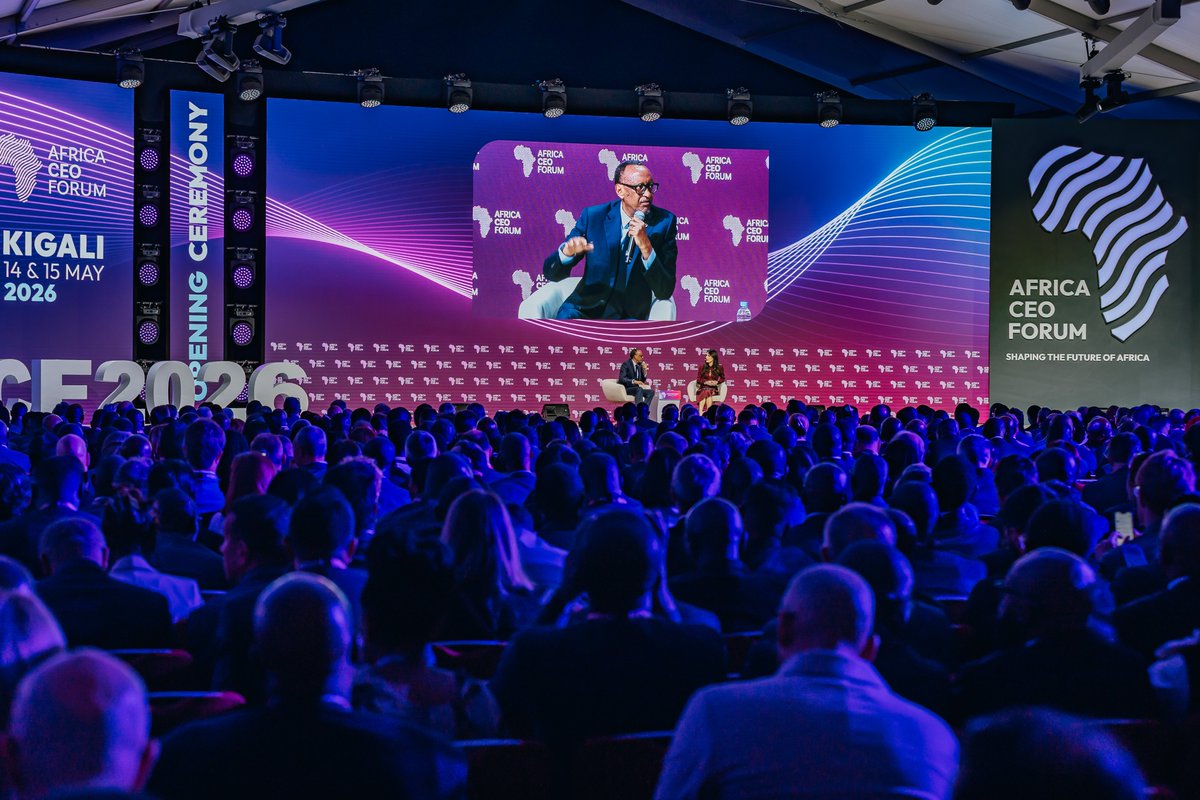
I want people to know that each one of the people in this room and beyond, have something to contribute and to benefit from, benefit each other, and the continent has a lot that is not being put to good use and it is up to us - it is not people from anywhere else, to be able to raise ourselves to that level where we should be.” President Kagame | Opening Ceremony of the Africa CEO Forum 2026 #ACF2026
“The question is not what the world is doing to Africa. The question is why Africa is still unable to fully defend its own interests despite its enormous strategic advantages.
We need to come together and do something about it. There is a lot we know, there is a lot we talk about, but we need to do a lot more.”
— H.E. Paul Kagame, President of the Republic of Rwanda, at the opening of the 2026 @africaceoforum.
#ACF2026