Static Devirtualization of Tencent VM by @BackEngineerLab. Great read for anyone interested in VM-based obfuscation and devirtualization.
https://t.co/z15HqIezJc
@kimmonismus The entire opus 5 series, with the exception of fable, was an absolute benchmaxxing shitshow, just to get back on the spotlight as subscribers migrated to OpenAI. Neither Opus 5 or Sonnet 5 are good models, whether on release or now.
people are sleeping on 5.6 pro
It can code within your github repository, if you have runners/workers, it can compile and test the code. It's not included in codex usage.
It's an amazing, thoughtful model.
@notch I'd suggest getting both claude and gpt on subscription plans first. They both have their strong points. Usually I begin tooling development with claude, and heavily refine it with gpt5.6
I think computer use on gpt5.6 shines too for actual auto-testing on a GUI.
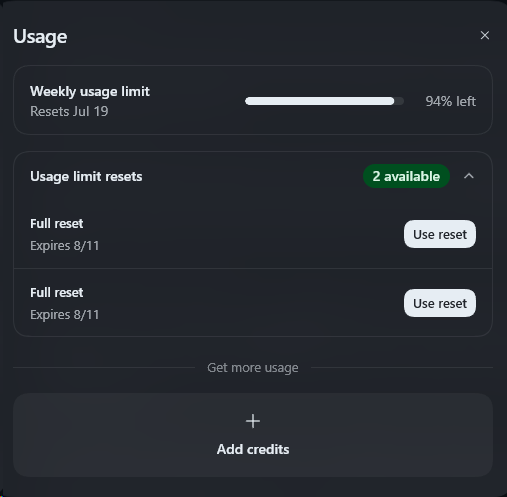
@Da7_Tech ignoring resets, the plan value is about the same as claude; model a bit better than opus
however fyi i did less than 1b tokens on claude, and over 40b on gpt5.6 sol
@thsottiaux It would fe fantastic if it stayed removed, and for weekly management if we could set artificial caps dynamically based on how much we use codex in a week; I can surely go through 100% in a day but that's just Sol deslopping my code from claude at scale.
We built crackmes-RE: 4,598 crackmes labeled with a flag and/or a runnable verifier script (2,172 have one), plus normalized obfuscation/anti-debugging/protections tags. For benchmarking LLMs' and decompilers' reverse-engineering ability. https://t.co/R9CGvziTUK