Something I told 14 yo: People are going to stop reading books. I wish this wasn't so, but I fear it is. The silver lining in this cloud is that if you're one of the few people who still read, you'll have a huge advantage over everyone else.
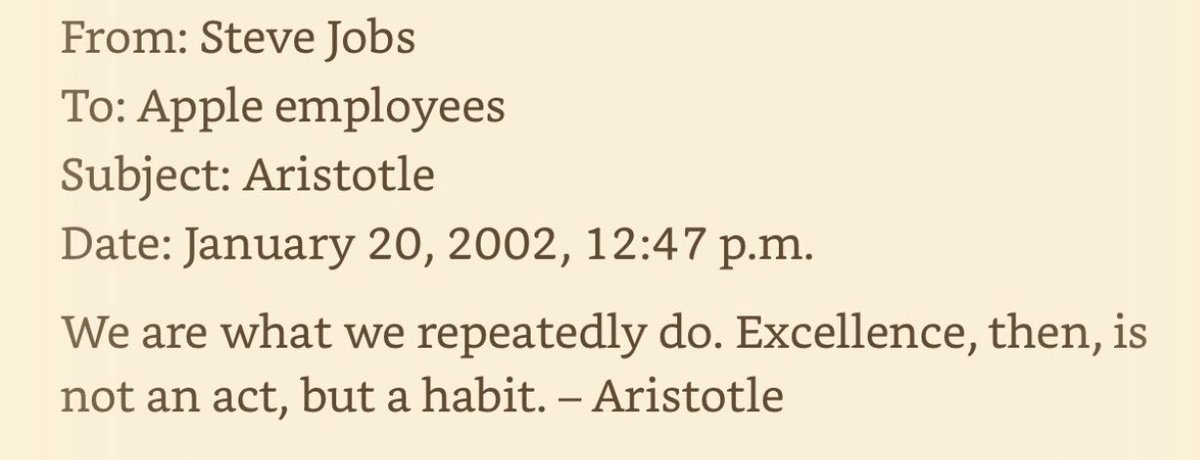
Quiet progress is a lost art. No hype. No announcement. No applause. Just work in the dark. Learning to work with no validation. Showing up when nobody cares. Quiet progress creates loud results.
“The future belongs to the consistent. Not the talented. Not the lucky.
But the ones who show up, even when it is hard. Show up. Effort does not betray you.”
Charlie Munger: "Wisdom acquisition is a moral duty."
"Without lifetime learning, you people are not going to do very well. You are not going to get very far in life based on what you already know."
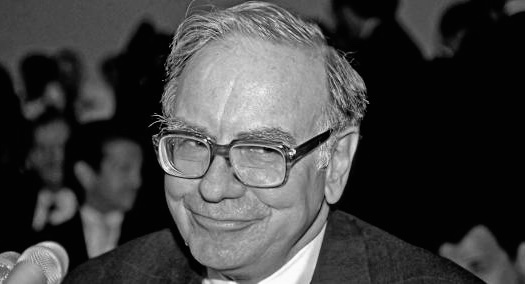
"The skill that got Berkshire through one decade would not have sufficed to get it through the next decade. Without Warren Buffett being a continuous learning machine, the record would have been absolutely impossible."
Here’s a secret that every genuinely original thinker knows: there are no original ideas. there are only original combinations. Every “breakthrough” is two existing ideas from different domains meeting for the first time inside someone’s head.
The person who reads only within their field will only ever have ideas that their field has already had.
This is why the most interesting people are almost always polymaths.
Go wider. Read the thing that has nothing to do with your work. Talk to the person who has nothing in common with you. Visit the place that makes no sense on your itinerary. The irrelevant input is the one that will combine with everything else and produce something nobody’s ever seen.
If you're a writer, be okay with repeating what's already been said, because most ideas have already been exhausted, and genuinely novel ideas are rare.
Nobody follows you because you're talking about something new. They follow you because they want to read your point of view.
Your professional success is proportional to your ability to figure it out. There's nothing more valuable than someone who can just figure it out. And it's never been easier to be that person. Do the work. Ask the key questions. Get it done. Do that and you'll find a way to win.
There's a physicist at Stanford named Safi Bahcall who modeled this exact principle and the math is wild.
He calls it "phase transitions in human networks." When you're stationary, your probability of a lucky event is limited to your existing surface area: the people you already know, the places you already go, the ideas you've already been exposed to. Your opportunity window is fixed.
When you move, your collision rate with new nodes in a network increases nonlinearly. Double your movement (new conversations, new cities, new projects) and your probability of a serendipitous encounter doesn't double. It roughly quadruples. Because each new node connects you to their entire network, not just to them.
Richard Wiseman ran a 10-year study at the University of Hertfordshire tracking self-described "lucky" and "unlucky" people. The single biggest differentiator wasn't IQ, education, or family money. Lucky people scored significantly higher on one trait: openness to experience. They talked to strangers more, varied their routines more, and said yes to invitations at nearly twice the rate.
The "unlucky" group followed the same routes, ate at the same restaurants, and talked to the same 5 people. Their networks were closed loops. No new inputs, no new collisions.
Luck isn't random. Luck is surface area. And surface area is a function of movement.
The lobster emoji is doing more work than most people realize. Lobsters grow by shedding their shell when it gets too tight. The growth requires a period of total vulnerability. No protection, no armor, soft body exposed to the ocean.
That's the cost of movement nobody posts about. You have to be uncomfortable first. The new shell only hardens after you've already moved.
Something I’ve had to relearn again and again: Nothing changes if nothing changes. The new life you want doesn’t magically appear. It’s built through ruthless action. New habits. New mindsets. New standards. New boundaries. Reinvention has a cost of entry. Pay it with pride.
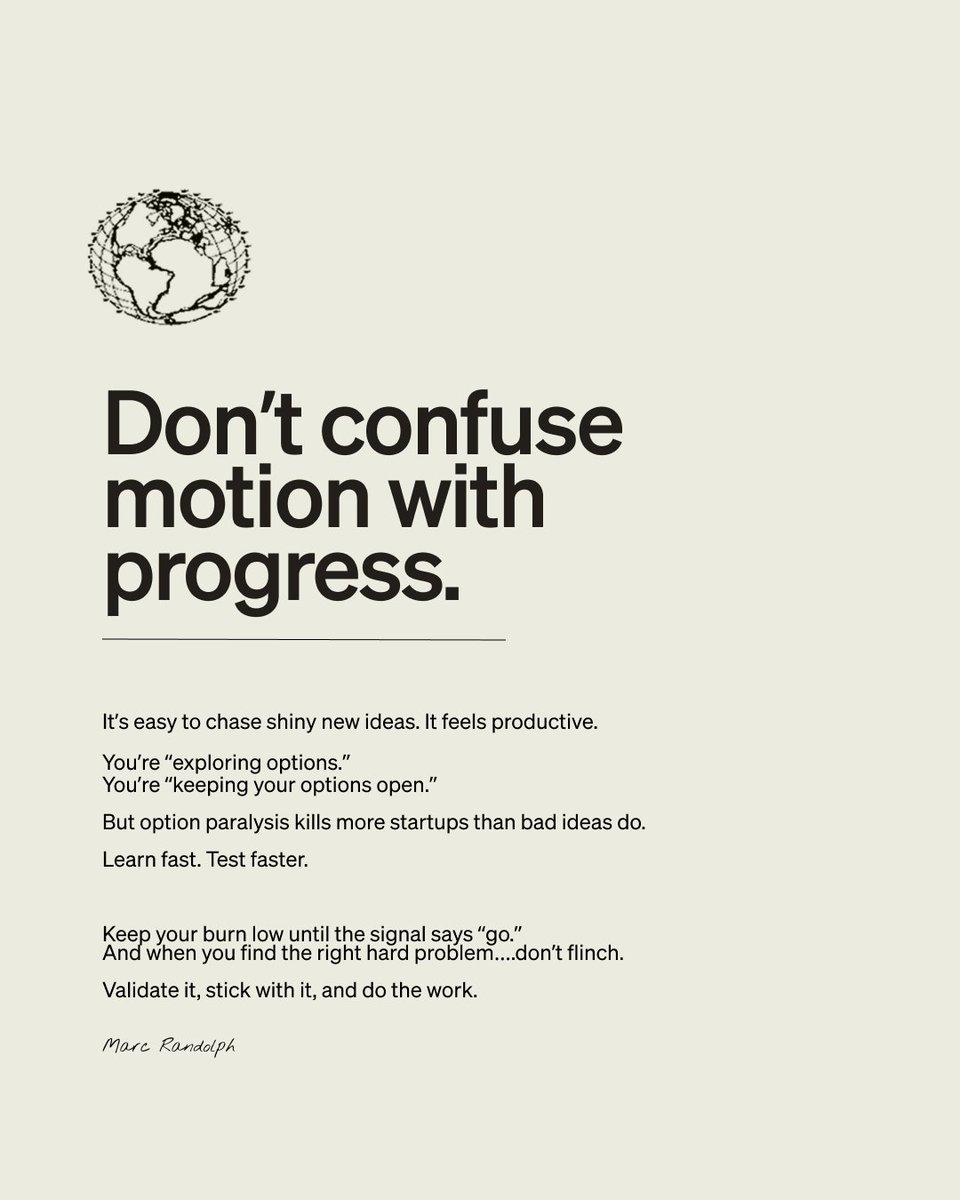
Naval Ravikant’s advice to startup founders: “Stay small until you’ve figured out what’s working”
“Stay small until you’ve figured out what’s working. Steve Blank, who teaches at Stanford and started Epiphany among many other companies, defines a startup very nicely. He says a startup is a search for a scalable and repeatable business model. And so what you’re really doing is you’re searching, and until you’ve found that business model that you can repeat and you can scale, you should stay very, very small and very, very cheap.”
Competition is largely an illusion. 95% of people don't even try to do great things. 0.1% of the people are loud, so you overestimate how many people there are. The rest get stuck worrying about competition and quitting after 2 weeks.